Your floor jack is a powerful tool that makes lifting heavy objects easier and safer. But if it starts to rust, it can quickly lose its strength and reliability.
You don’t want your jack to fail when you need it the most. So, how can you keep your floor jack in top shape and free from rust? You’ll discover simple, practical steps to protect your jack and extend its life.
Keep reading to learn how to save time, money, and frustration by preventing rust before it takes hold.
Causes Of Floor Jack Rust
Rust on a floor jack happens due to certain common causes. Understanding these causes helps protect your tool. Rust weakens the metal and reduces the jack’s life. Taking care of the floor jack starts with knowing why rust forms.
Exposure To Moisture
Moisture is the main reason for rust on floor jacks. Water from rain, spills, or humidity sticks to the metal parts. This moisture reacts with the metal and causes rust. Even small amounts of water left on the surface can start rusting over time. Using the jack in wet places increases the risk.
Lack Of Proper Storage
Storing the floor jack in a damp or open area speeds up rust. Leaving it outside or in a garage without cover exposes it to air and moisture. Without a dry, safe place, the metal stays wet longer. Proper storage means keeping the jack in a dry, clean spot. This stops rust from forming quickly.
Impact Of Dirt And Debris
Dirt and debris on the floor jack trap moisture against the metal. Dust, mud, and grease create a layer that holds water. This trapped moisture causes rust to grow underneath. Regular cleaning removes dirt and prevents rust spots. Clean tools last longer and work better.
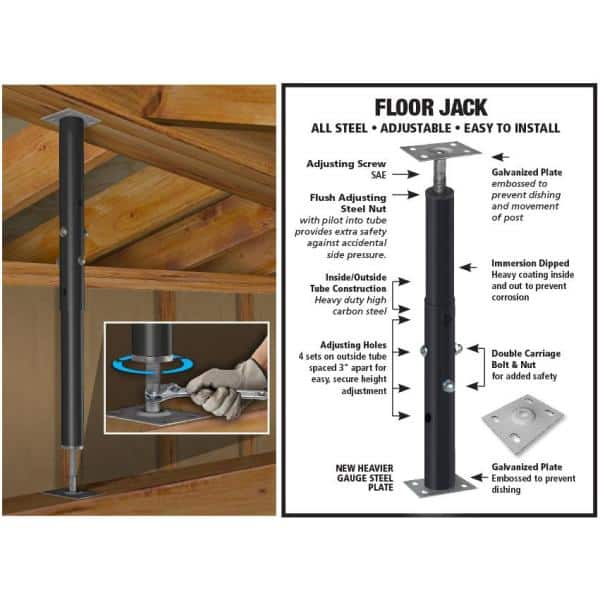
Credit: www.homedepot.com
Choosing Rust-resistant Floor Jacks
Choosing a floor jack that resists rust can save time and money. Rust damages the metal and weakens the jack. Some floor jacks are made from materials that naturally resist rust. Others use coatings to protect the metal from moisture and air.
Picking the right floor jack helps it last longer and work better. Learn about materials and finishes that keep rust away.
Materials That Resist Rust
Steel is common but can rust quickly. Stainless steel resists rust well. It contains chromium, which stops rust from forming. Aluminum is another good choice. It does not rust and is lightweight. Cast iron can rust if not coated. Look for jacks made with stainless steel or aluminum for better rust resistance.
Coatings And Finishes
Some floor jacks have special coatings. Powder coating covers the metal with a thick, protective layer. It keeps water from touching the metal. Zinc plating adds a thin layer of zinc. Zinc stops rust by blocking moisture. Paint also helps but may chip over time. Choose jacks with strong coatings or finishes to fight rust.
Regular Cleaning Techniques
Keeping a floor jack rust-free requires regular cleaning. Dirt and moisture cause rust over time. Cleaning removes harmful substances and protects the metal. Consistent care helps your floor jack last longer and work safely.
Removing Dirt And Grime
Start by wiping the floor jack with a dry cloth. Remove loose dirt and dust first. Use a soft brush to clean hard-to-reach parts. Avoid using water at this stage to prevent rust. Dirt can hide under moving parts, so clean carefully. Make sure no debris stays on the surface.
Using Appropriate Cleaning Agents
Choose mild cleaning agents for best results. Soap and water work well for general cleaning. Use a damp cloth with soap, then dry immediately. Avoid harsh chemicals that can damage metal. For stubborn grime, use a degreaser safe for metal. Always rinse and dry the floor jack fully after cleaning. This stops moisture from causing rust.

Credit: forums.tdiclub.com
Proper Lubrication Methods
Proper lubrication is key to stopping rust on your floor jack. It keeps the moving parts smooth and blocks moisture. Without it, metal parts wear out faster and rust forms. Regular care with the right oils or greases extends the jack’s life and performance.
Types Of Lubricants To Use
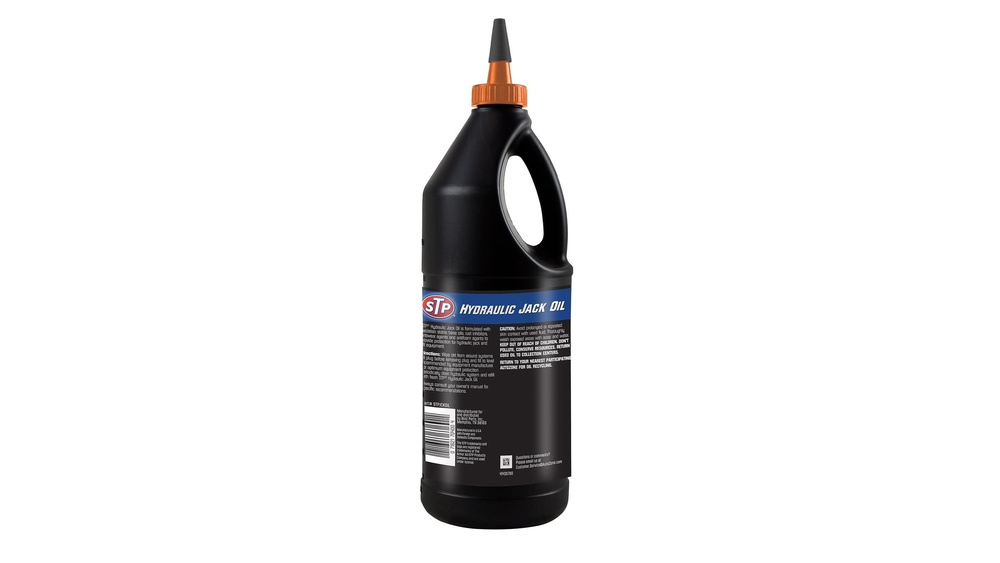
Choose lubricants made for metal tools. Light machine oil works well for small joints and hinges. Grease suits larger parts that need thick protection. Avoid thick oils that can trap dirt and cause damage. Silicone spray is good for parts that need water resistance. Always check the manufacturer’s guide for the best type.
Frequency Of Application
Lubricate your floor jack every few months. If you use it often, apply oil or grease monthly. Check joints and moving parts before each use. Wipe off old lubricant and dirt first. Too much oil can attract dust, so use just enough. Regular checks help catch rust early and keep the jack working well.
Effective Storage Solutions
Proper storage plays a big role in stopping floor jacks from rusting. Storing your floor jack in the right place keeps moisture away. It also helps avoid dust and dirt buildup. Choosing the right storage method protects the metal parts and keeps the jack working well for a long time.
Indoor Vs. Outdoor Storage
Indoor storage is the best choice for your floor jack. It offers protection from rain, snow, and humidity. These elements cause rust quickly. A dry garage or basement is ideal. Avoid storing the jack on the ground. Keep it on a shelf or a pallet to stop moisture contact.
Outdoor storage exposes the jack to the weather. Even under a carport, damp air can cause rust. If you must store outside, pick a spot that stays dry and shaded. Make sure the jack is off the ground and covered well.
Using Protective Covers
Using a cover adds extra protection against moisture and dirt. Choose a cover made from waterproof material. It should fit tightly to keep water out. Avoid plastic bags that trap moisture inside. Breathable covers work best to prevent condensation.
Check the cover regularly. Replace it if it gets damaged or worn. This keeps your floor jack safe and rust-free. A good cover extends the life of your tool and keeps it ready for use.
Routine Maintenance Checks
Routine maintenance checks help keep your floor jack in good shape. These checks catch early signs of rust and stop damage from spreading. Regular care extends the life of your jack and keeps it safe to use.
Inspecting For Early Signs Of Rust
Look closely at all metal parts. Small rust spots often appear first on joints and bolts. Check under the jack too. Use a bright light to find tiny rust patches. Early detection saves time and money.
Addressing Rust Spots Promptly
Clean rust spots with a wire brush or sandpaper. Wipe the area with a dry cloth afterward. Apply rust inhibitor or paint to protect the metal. Acting quickly stops rust from spreading further.
Diy Rust Prevention Hacks
Rust can damage your floor jack and reduce its life. Simple DIY hacks can protect it from moisture and dirt. These methods use easy materials you might already have at home. Regular care keeps your floor jack working well and looking new.
Homemade Protective Sprays
Make a spray using equal parts of vegetable oil and vinegar. Shake well before each use. Spray it on the metal parts of your floor jack. The oil creates a thin barrier that stops water from touching the metal. Vinegar helps clean off any small rust spots early. Wipe off extra spray with a cloth. Repeat this every few weeks for best results.
Using Desiccants To Control Moisture
Place silica gel packets or dry rice near your floor jack. These materials soak up moisture from the air. Store your floor jack in a dry place with these moisture absorbers. Replace or dry the desiccants regularly to keep them effective. This reduces the chance of rust forming on your floor jack parts.
Credit: www.hagerty.com
Frequently Asked Questions
How Can I Prevent My Floor Jack From Rust?
Keep the floor jack clean and dry after use. Apply a light oil or rust inhibitor regularly to metal parts. Store it in a dry, well-ventilated place away from moisture. Regular maintenance prevents rust formation effectively.
What Is The Best Lubricant For Floor Jacks?
Use a high-quality machine oil or silicone spray lubricant. These lubricants protect metal surfaces from moisture and reduce friction. Avoid thick grease, as it can attract dirt and cause damage. Regular lubrication extends the floor jack’s lifespan.
How Often Should I Clean My Floor Jack?
Clean your floor jack after every use or at least monthly. Wipe off dirt, grease, and moisture to prevent corrosion. Pay special attention to moving parts. Consistent cleaning helps maintain performance and prevents rust buildup.
Can Moisture Cause Floor Jack Rusting?
Yes, moisture is a primary cause of rust on floor jacks. Water and humidity accelerate oxidation of metal parts. Always dry the jack thoroughly after exposure to water. Use protective sprays to create a moisture barrier.
Conclusion
Keeping your floor jack free from rust takes just a few simple steps. Clean it regularly to remove dirt and moisture. Store it in a dry place, away from rain or snow. Use oil or grease on metal parts to stop rust from forming.
Check your jack often for any signs of wear. Small efforts now save big problems later. Protect your tool, and it will last longer. Rust won’t stand a chance.