Is your old floor jack not working like it used to? You don’t have to rush out to buy a new one just yet.
Repairing your floor jack can save you time and money, and it’s easier than you might think. In this guide, you’ll discover simple steps to bring your floor jack back to life. Whether it’s leaking oil, stuck parts, or weak lifting power, you’ll learn how to fix it quickly and safely.
Keep reading, and you’ll be ready to tackle the repair yourself—no special skills required. Your floor jack deserves a second chance, and you’re just a few easy fixes away from making it work like new.

Credit: www.reddit.com
Common Floor Jack Problems
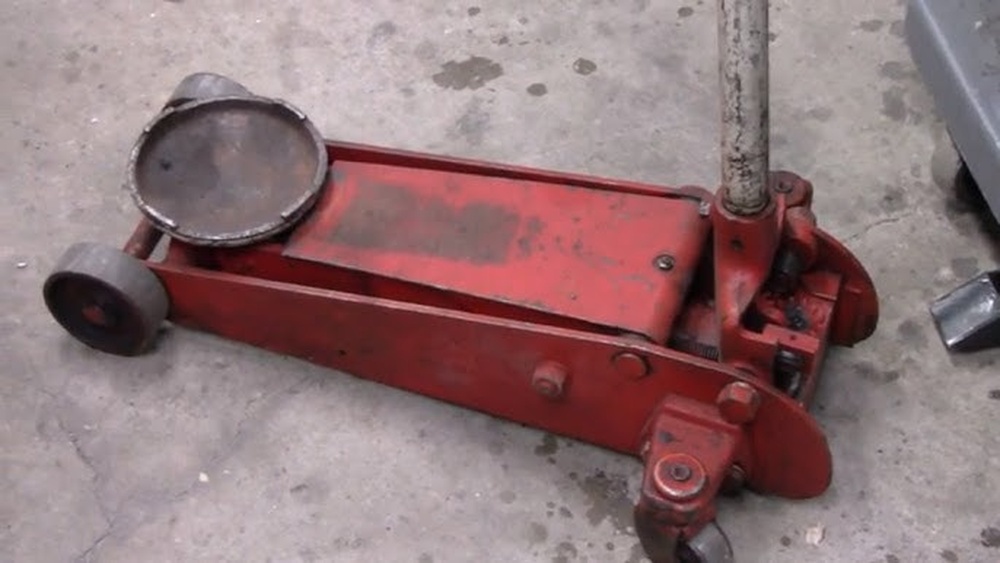
Old floor jacks often face problems that stop them from working well. Knowing common issues helps fix them faster. This saves money and extends the jack’s life. Here are frequent problems and what causes them.
Leaks And Hydraulic Issues
Hydraulic fluid leaks are common in old floor jacks. Leaks cause low pressure and poor lifting power. Check seals and hoses for cracks or damage. Replace worn seals to stop leaks. Dirty or low fluid also causes hydraulic trouble. Always use the right fluid type and keep it clean.
Broken Or Worn Parts
Parts like handles, wheels, and lifting arms wear out over time. Rust and dirt speed up wear. Broken parts make the jack unsafe or unusable. Inspect all parts regularly. Replace any bent or cracked pieces. Clean the jack to prevent dirt buildup.
Pump Not Working
The pump moves fluid to lift the jack. If it fails, the jack won’t lift. Air trapped inside the pump can cause this problem. Bleed the pump to remove air. Check the pump seals for damage. Fix or replace the pump if needed.
Slow Lifting Or Lowering
Slow movement means fluid flow is blocked or leaking. Check valves and release mechanisms. Dirt or rust can cause sticking parts. Clean and lubricate moving parts for smooth action. Make sure the fluid level is correct. Replace damaged valves for proper flow.

Credit: www.youtube.com
Tools And Materials Needed
Repairing an old floor jack requires specific tools and materials. Having the right items ensures the job goes smoothly. It saves time and avoids frustration. Below are the key tools and materials needed.
Basic Hand Tools
You need several basic hand tools to start repairs. A set of wrenches helps loosen and tighten bolts. Screwdrivers are essential for removing screws. Pliers assist in gripping and holding parts. A hammer may be needed to tap parts into place. These tools form the foundation of most repairs.
Hydraulic Fluid
Hydraulic fluid is vital for jack operation. Old fluid can become dirty or lose effectiveness. Replacing it restores smooth lifting action. Use the type recommended by the jack’s manufacturer. Clean fluid helps prevent damage to internal parts.
Replacement Parts
Some parts wear out and need replacement. Common parts include seals, valves, and pistons. Inspect the jack carefully to identify damaged components. Purchase exact replacements for a proper fit. Using correct parts ensures safety and performance.
Cleaning Supplies
Cleaning is crucial before and during repairs. Use rags to wipe dirt and grease. A brush can remove stubborn grime. Solvents or degreasers help clean metal surfaces. Clean parts fit better and work smoothly.
Preparing The Floor Jack
Preparing an old floor jack for repair is an important first step. Proper preparation helps you work safely and effectively. It also makes the repair process smoother. This section covers safety rules, cleaning tips, and how to check for damage before starting the fix.
Safety Precautions
Safety must come first. Wear gloves and eye protection. Work in a well-lit area with enough space. Make sure the jack is on a flat, stable surface. Never use the jack under a vehicle without support stands. Keep your hands clear of moving parts. Follow these rules to avoid injuries.
Cleaning The Jack
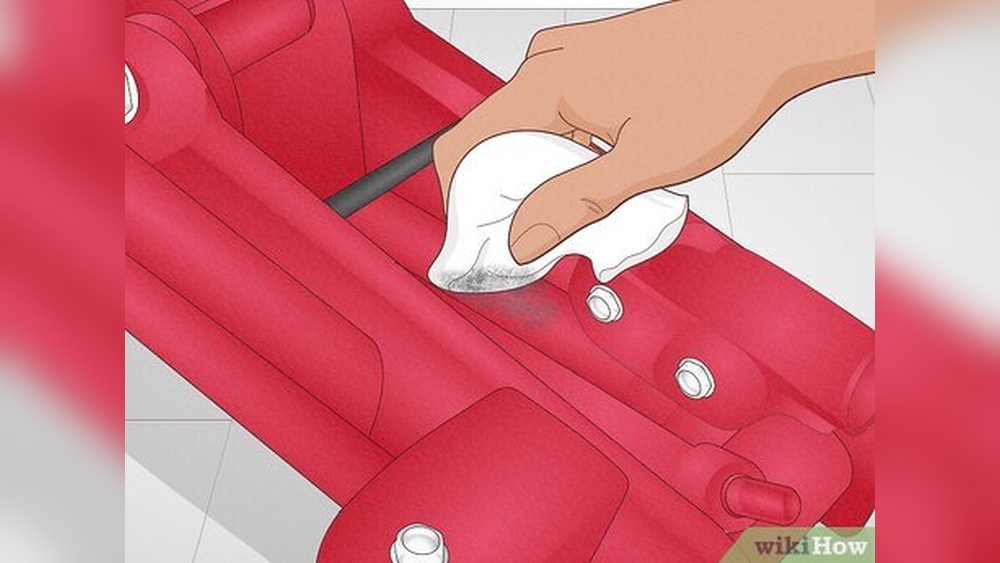
Remove dirt and grease from the jack. Use a brush or rag to clean all parts. Apply a mild cleaner to tough spots. Avoid soaking the jack in water. Dry it completely to prevent rust. Clean tools and parts work better and last longer.
Inspecting For Damage
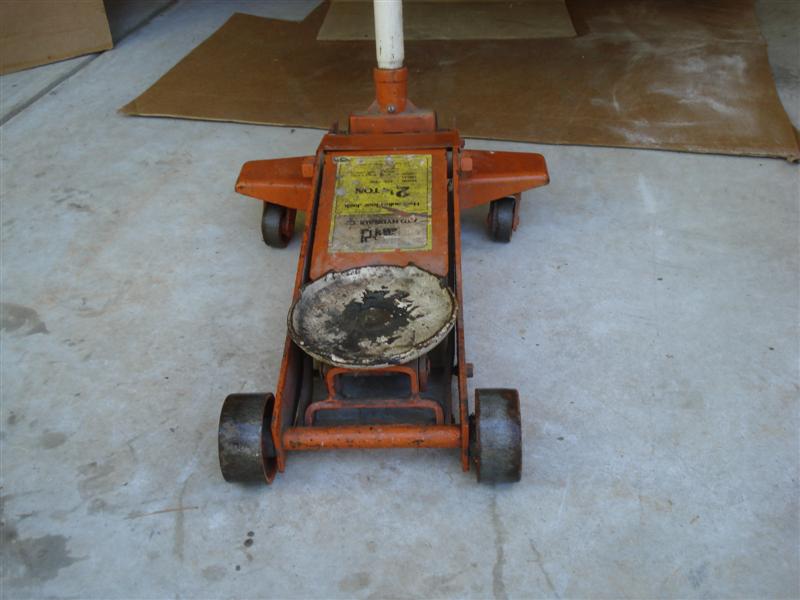
Look closely at the jack for cracks, bends, or worn parts. Check the hydraulic system for leaks or fluid loss. Test the wheels and handles for smooth movement. Replace any broken or damaged parts before repair. A thorough inspection helps find problems early.
Credit: www.restore-an-old-car.com
Fixing Hydraulic Leaks
Fixing hydraulic leaks is key to restoring your old floor jack. Hydraulic leaks cause loss of pressure and fluid, making the jack unsafe and useless. Repairing these leaks can save money and extend the jack’s life.
Start by finding where the fluid escapes. Then replace worn seals or O-rings that allow leaks. Finally, refill the hydraulic fluid to the correct level to ensure smooth operation.
Locating The Leak
Clean the floor jack thoroughly to spot wet areas. Check around the hydraulic cylinder and pump closely. Look for oil drips or wet spots on seals and fittings. Use a flashlight for better visibility. Pressurize the jack slightly to see where fluid appears. Mark the leak spots for repair.
Replacing Seals And O-rings
Drain all hydraulic fluid before removing parts. Remove the cylinder cover carefully to access seals. Old seals and O-rings often crack or shrink over time. Replace them with new parts matching your jack model. Lubricate new seals lightly with hydraulic oil. Reassemble parts tightly to avoid new leaks.
Refilling Hydraulic Fluid
Use the right hydraulic oil recommended for your jack. Pour fluid slowly into the reservoir to avoid air bubbles. Fill up to the level indicated in the manual. Pump the jack a few times to spread fluid evenly. Check again for leaks and proper lifting action. Clean any spilled oil to keep the work area safe.
Repairing Mechanical Components
Repairing mechanical components is key to making an old floor jack work well again. These parts move and hold heavy weight, so they need care and attention. Fixing or replacing worn parts can bring back smooth operation and safety. The following steps guide you through the main mechanical parts that often need repair.
Replacing Worn Wheels
Worn wheels cause the jack to move unevenly or get stuck. First, lift the jack off the ground safely. Remove the old wheels by taking out the pins or bolts. Choose new wheels that fit your jack model. Attach them firmly with the pins or bolts. Test the jack by rolling it to check smooth movement.
Fixing The Pump Mechanism
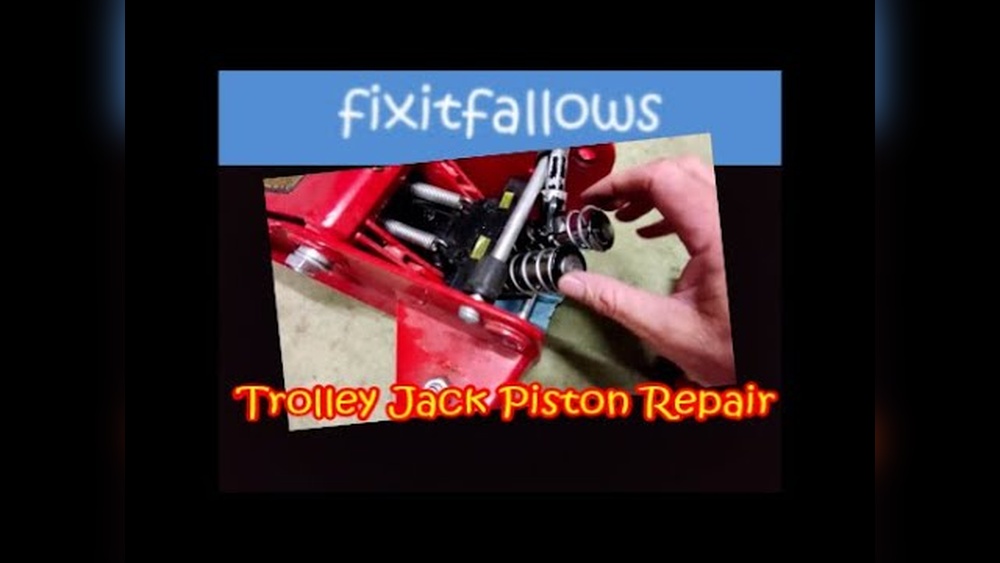
The pump helps lift the jack. Dirt or air inside can stop it from working well. Open the pump housing carefully. Clean all parts with a cloth and some oil. Check for damaged seals or springs and replace them. Reassemble the pump and try lifting the jack slowly. It should rise smoothly without slipping.
Adjusting The Release Valve
The release valve controls how the jack lowers. If it leaks, the jack may drop suddenly. Find the valve near the handle or base. Turn it gently to tighten or loosen. Test the jack by lowering it slowly. Adjust until the jack descends steadily and safely. Avoid over-tightening to prevent damage.
Testing The Floor Jack
Testing the floor jack is a key step after repairs. It ensures the jack works correctly and safely. This step helps avoid accidents and further damage. Testing covers lifting ability, smooth movement, and safety features. Each part must work well before use. Follow these checks carefully for best results.
Checking For Proper Lift
Start by placing the floor jack under a sturdy object. Pump the handle slowly to raise the jack. Watch if it lifts steadily without slipping or jerking. The jack should reach its full height smoothly. If it fails to lift or struggles, it needs more repair. A proper lift means the jack can hold weight safely.
Ensuring Smooth Operation
Move the jack handle up and down several times. It should feel easy and smooth without resistance. Listen for unusual noises like grinding or squeaking. Check the wheels and joints for smooth rolling and turning. Smooth operation means the jack parts work well together. Fix any stiffness or rough spots before using the jack.
Verifying Safety Features
Look at the safety valve and release mechanisms. Make sure they open and close properly without sticking. Test the locking system to keep the jack in place when raised. Check for any leaks around the hydraulic parts. Safety features protect you during use. Always confirm these parts function well before lifting heavy loads.
Maintenance Tips For Longevity
Maintaining your old floor jack helps it last longer and work better. Small care steps keep it safe and strong. Follow simple maintenance tips to protect your investment. These tips save money and prevent damage.
Regular Cleaning
Keep the floor jack clean after each use. Wipe off dirt, oil, and dust with a cloth. Avoid water that can cause rust. Use a brush to remove stuck debris. Clean parts work smoothly and last longer.
Proper Storage
Store the jack in a dry, cool place. Avoid damp or wet areas that cause rust. Keep it off the ground to prevent moisture damage. Cover the jack to stop dust and dirt buildup. Proper storage protects the jack from wear.
Routine Inspections
Check the floor jack regularly for problems. Look for cracks, leaks, or worn parts. Test the hydraulic system for smooth lifting. Tighten loose bolts and screws. Early fixes stop bigger issues and keep the jack safe.
Frequently Asked Questions
How Do I Identify Problems In An Old Floor Jack?
Check for leaks, unusual noises, and slow lifting. Inspect the hydraulic fluid level and seals. Look for rust or worn parts to spot common issues early.
What Tools Are Needed To Repair A Floor Jack?
Basic tools include wrenches, screwdrivers, pliers, and a hydraulic fluid refill kit. A seal replacement kit may also be necessary for hydraulic repairs.
Can I Replace Hydraulic Fluid In An Old Floor Jack?
Yes, draining old fluid and refilling with fresh hydraulic oil restores smooth operation. Ensure you use the recommended fluid type for your jack model.
How Do I Fix Leaks In A Floor Jack?
Locate the leak source, usually seals or hoses. Replace damaged seals or tighten fittings to stop hydraulic fluid leakage effectively.
Conclusion
Repairing an old floor jack can save money and extend its life. Follow each step carefully to ensure safety and proper function. Keep tools and parts organized during the process. Regular checks help spot issues early and keep the jack working well.
A little patience goes a long way with repairs. This guide helps you bring your floor jack back to good use. Try these tips and keep your tools ready for any job.