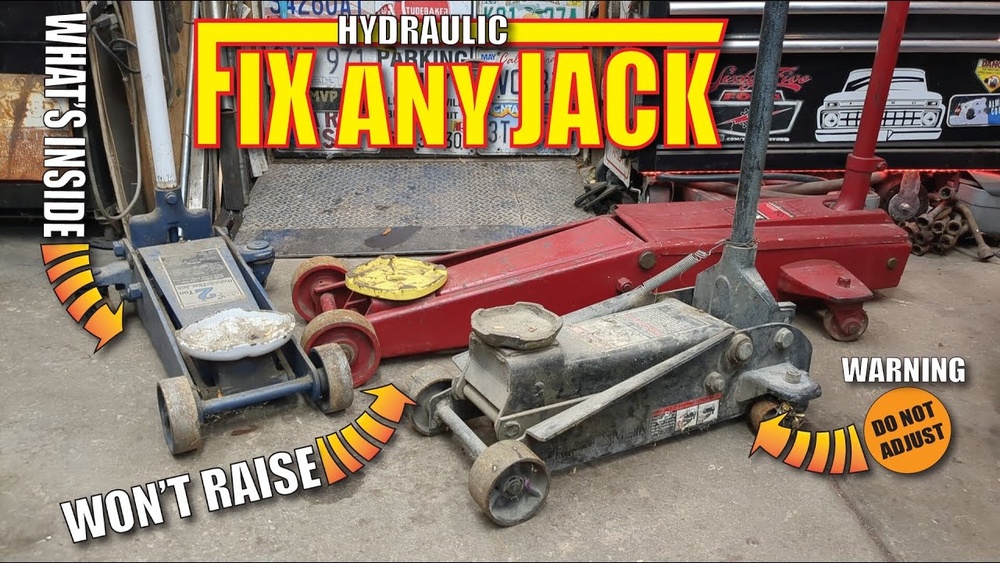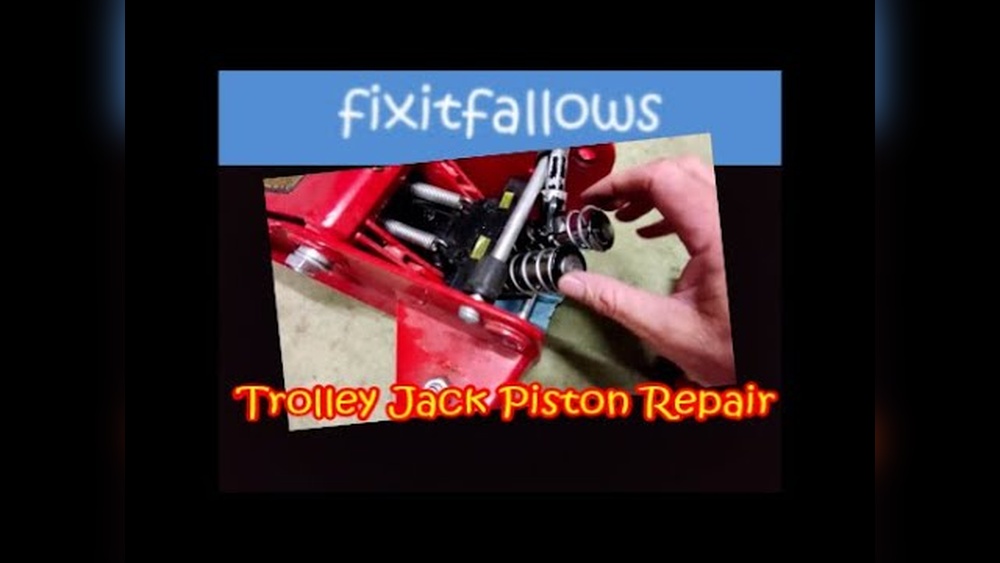
Is your floor jack piston not working like it used to? You rely on your floor jack to lift heavy loads safely, and when it fails, it can stop your entire project.
But don’t worry—you don’t have to buy a new one just yet. Learning how to repair your floor jack piston can save you time and money. In this guide, you’ll discover simple steps to fix common piston problems and get your jack working smoothly again.
Keep reading, and you’ll be back to lifting with confidence in no time.
Credit: jacksonblakeman.co.nz
Tools And Materials Needed
Repairing a floor jack piston needs the right tools and materials. These help make the process smooth and safe. Having everything ready saves time and avoids frustration.
This section lists the essential tools and materials. Each item plays a key role in piston repair. Prepare well to get the best results.
Basic Hand Tools
Wrenches and sockets are necessary to open the jack casing. A screwdriver set helps remove small screws. Pliers assist in pulling out seals and small parts.
Replacement Parts
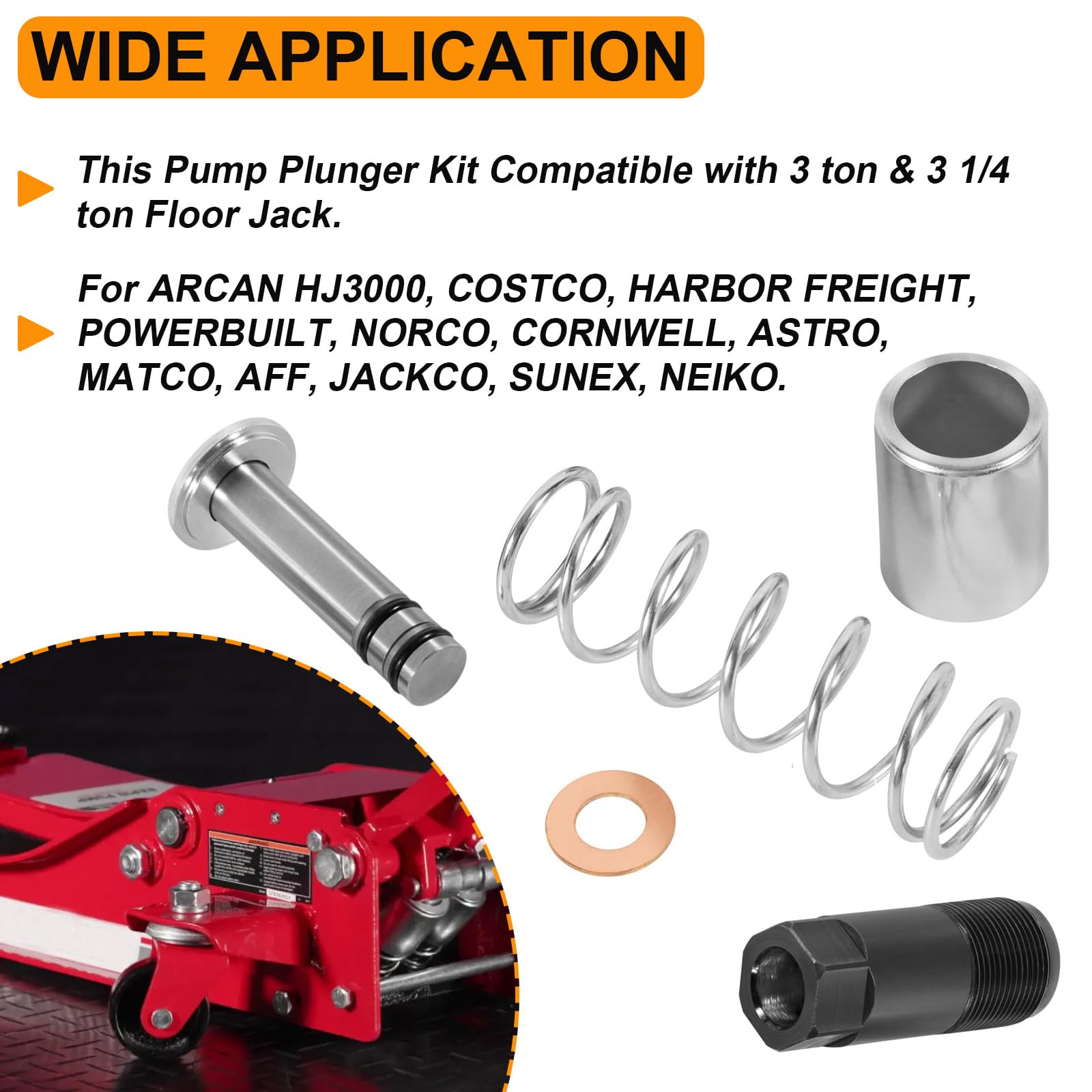
New piston seals or O-rings replace worn ones. A piston repair kit often includes all needed parts. Using fresh parts ensures the jack works properly.
Cleaning Supplies
Rags and paper towels clean dirt and grease. Brake cleaner or a similar solvent removes old oil and grime. Clean parts help the jack run smoothly.
Hydraulic Fluid
Use the correct hydraulic oil for your jack model. Fresh fluid restores smooth piston movement. Avoid mixing different fluids to prevent damage.
Safety Gear
Wear gloves to protect your hands from oil and dirt. Safety glasses shield your eyes from splashes. Safety keeps the repair process worry-free.
Identifying Common Piston Issues
Identifying problems with a floor jack piston is the first step in fixing it. The piston is a key part that pushes the jack up and holds the weight. Spotting issues early saves time and money. Knowing common piston problems helps you decide if repair is possible or if replacement is better.
Some piston issues are easy to see. Others need close inspection. Watch for signs like leaks, slow lifting, or strange noises. These clues point to specific piston problems. Understanding these helps you fix the jack safely and correctly.
Leaking Hydraulic Fluid
One common piston issue is leaking hydraulic fluid. This fluid moves the piston up and down. Leaks lower pressure and make the jack weak. Look for fluid spots under the jack or wet areas on the piston. Leaks usually come from worn seals or damaged pistons.
Slow Or Weak Lifting
If the jack lifts slowly or feels weak, the piston may be damaged. Air trapped inside the hydraulic system can cause this. Dirt or rust inside the piston can also block smooth movement. These problems reduce the jack’s power and speed.
Sticking Or Jammed Piston
A sticking piston does not move smoothly. It may get stuck halfway or feel rough. Dirt, rust, or dried hydraulic fluid can cause the piston to jam. This problem can make the jack unsafe to use and harder to operate.
Visible Damage Or Wear
Check the piston for visible damage. Scratches, dents, or rust spots often cause leaks or sticking. Worn parts lose their tight fit, leading to poor performance. Regular inspection helps catch damage before it worsens.
Preparing The Floor Jack For Repair
Preparing the floor jack for repair is the first step toward fixing the piston. This stage ensures safety and helps avoid damage to the jack or injury. Careful preparation makes the repair process smoother and faster.
Start by clearing a clean workspace. This area should be flat and well-lit. A clean space prevents dirt from entering the jack during repair. It also helps keep small parts from getting lost.
Gathering Necessary Tools And Materials
Collect all tools before starting. Common tools include wrenches, screwdrivers, pliers, and a cleaning cloth. You will also need replacement parts like seals or O-rings. Having everything ready saves time and avoids interruptions.
Draining Hydraulic Fluid
Remove the hydraulic fluid safely. Place a container under the jack’s fluid reservoir. Open the drain valve or remove the filler plug. Let the fluid flow out completely. Dispose of the fluid according to local laws.
Cleaning The Floor Jack Surface
Wipe the jack’s exterior with a clean cloth. Remove dirt, grease, and debris. Clean surfaces prevent contamination during repair. Use a mild cleaner if needed, but avoid harsh chemicals.
Securing The Floor Jack
Set the jack on a stable surface. Lock the jack in its lowest position. This prevents accidental movement while working. Use blocks or clamps to keep it steady if needed.

Credit: myfuse.education
Removing The Piston Assembly
Removing the piston assembly is a key step in fixing a floor jack. This part controls the lifting action, so careful removal is important. You need to prepare the jack and gather some tools before starting. Follow these simple steps to take out the piston safely and easily.
Prepare The Floor Jack For Disassembly
First, lower the jack completely to release pressure. Make sure the jack is on a flat surface. Wear gloves to protect your hands from oil and dirt. Clean the jack’s exterior to avoid debris falling inside during the process.
Release Hydraulic Pressure
Open the release valve slowly to let out any hydraulic pressure. This step prevents sudden movements or spills. Use a wrench to turn the valve counterclockwise. Wait until no pressure remains before moving forward.
Remove The Pump Cover And Handle
Unscrew the bolts holding the pump cover in place. Carefully lift the cover off the jack body. Detach the handle by removing its pin or bolt. Keep all parts organized for reassembly later.
Extract The Piston Assembly From The Cylinder
Grip the piston firmly and pull it straight up. If stuck, tap gently with a rubber mallet. Avoid using metal tools that can damage the piston. Check for any seals or rings that may come loose and set them aside.
Inspecting The Piston And Seals
Inspecting the piston and seals is a key step in fixing a floor jack. These parts control the lifting power and keep the jack working safely. Checking them helps find leaks or damage early. This stops bigger problems later.
Start by cleaning the piston and seals. Dirt can hide cracks or wear. Use a clean cloth and mild cleaner. Make sure the parts dry completely before the next step.
Checking The Piston For Damage
Look closely at the piston surface. It should be smooth and free of scratches. Small dents or deep scratches can cause leaks. If the piston looks rough, it may need replacing or polishing.
Examining The Seals For Wear
Seals keep the hydraulic fluid inside the jack. Check seals for cracks, tears, or hard spots. Old seals can dry out and lose flexibility. Replace any seals that look worn or damaged to ensure a tight fit.
Testing Seal Flexibility
Gently press the seals to test their softness. Seals should feel flexible, not brittle. Hard seals cannot seal properly and cause fluid leaks. Soft, pliable seals work best to keep the jack lifting smoothly.
Replacing Worn Or Damaged Seals
Replacing worn or damaged seals is a key step in fixing a floor jack piston. Seals keep the hydraulic fluid inside and prevent air from entering. Over time, seals wear out or break. This causes the jack to lose pressure and stop lifting properly. Changing the seals can restore the jack’s strength and safety.
Seals come in different sizes and shapes. Using the right type is important for a good repair. The process involves removing the old seals carefully and installing new ones without damage. Clean parts help the seals fit better and last longer.
Gathering Necessary Tools And Materials
Prepare tools like wrenches, pliers, and screwdrivers. Have new seals ready, matching the old ones exactly. Use clean rags and hydraulic fluid for cleaning and lubrication. A seal pick tool helps remove old seals gently.
Removing The Old Seals
Release all pressure from the jack first. Then drain the hydraulic fluid into a container. Open the piston housing carefully. Use the seal pick to lift out the old seals. Avoid scratching the metal parts while removing seals.
Cleaning The Piston And Seal Area
Wipe the piston and seal grooves with a clean rag. Remove dirt, debris, and old fluid residue. Check the piston for scratches or dents. Smooth surfaces help new seals fit tight and work well.
Installing New Seals Properly
Apply a small amount of hydraulic fluid on new seals. This helps seals slide into place smoothly. Press seals into the grooves gently but firmly. Make sure seals sit flat and even without twisting.
Reassembling And Testing The Floor Jack
Put the piston housing back together carefully. Refill the jack with fresh hydraulic fluid. Pump the handle several times to check for leaks. Test the jack under load to ensure it lifts correctly.
Cleaning And Lubricating Components
Cleaning and lubricating the floor jack piston is a key step in fixing it. Dirt and old grease can block smooth piston movement. This causes the jack to fail or work slowly. Proper cleaning removes these blockages. Lubrication helps the parts move easily and last longer.
This process also stops rust from forming. Rust can damage the piston and other parts. Keeping the piston clean and well-lubricated improves the jack’s safety. It also saves money by avoiding costly repairs or replacements.
Preparing The Piston For Cleaning
Start by removing the piston from the jack. Use gloves to keep your hands clean. Wipe off loose dirt with a dry cloth. Avoid using water directly on the piston. It can cause rust or damage seals.
Next, soak a cloth in a mild solvent or brake cleaner. Gently wipe the piston surface to remove grease and grime. Use a soft brush for hard-to-reach areas. Take care not to scratch the piston.
Choosing The Right Lubricant
Select a lubricant designed for hydraulic parts. Silicone or lithium grease works well. Avoid oil-based lubricants that can damage seals. Use only a small amount to prevent excess buildup. Too much grease can attract dirt and cause problems.
Applying Lubricant Correctly
Apply the lubricant evenly on the piston shaft. Use a clean cloth or your finger. Move the piston back and forth to spread the lubricant. Make sure all moving parts get coated. This reduces friction and wear during use.
Final Inspection And Reassembly
Inspect the piston for any signs of damage or wear. Check seals and replace if needed. Reassemble the piston carefully into the jack body. Test the jack to ensure smooth operation. Repeat cleaning and lubrication if the jack still feels stiff.
Reassembling The Piston Assembly
Reassembling the piston assembly is a key step in fixing a floor jack. It restores the jack’s lifting power. Careful assembly ensures safety and smooth operation. Follow each step with attention to detail.
Keep parts clean and free from dirt. Use light oil to lubricate seals and moving parts. This helps the piston slide easily inside the cylinder. Avoid over-lubrication as it can attract dust.
Preparing The Piston Components
Inspect each part before assembly. Check seals for cracks or tears. Replace worn seals to prevent leaks. Clean the piston rod and cylinder thoroughly. Dry all parts to avoid moisture buildup.
Installing The Seals On The Piston
Place the seals carefully on the piston. Press them evenly to avoid damage. Use a small amount of oil to ease the fit. Ensure seals sit flat without twisting. Proper seal placement is crucial for pressure.
Inserting The Piston Into The Cylinder
Slowly insert the piston into the cylinder. Keep the seals aligned to prevent tearing. Push gently but firmly until fully seated. Rotate slightly if needed to help the piston slide in. Avoid forcing the piston.
Securing The Assembly
Attach any retaining rings or clips to hold the piston. Check that all parts are locked in place. Test the piston movement by hand. It should move smoothly without resistance. Tighten all fasteners to the correct torque.
Testing The Floor Jack For Proper Function
Testing the floor jack after repairing the piston is important. It helps confirm if the jack works safely and correctly. This step saves time and prevents accidents during use. Follow simple checks to ensure the jack lifts and holds weight properly.
Check For Smooth Pumping Action
Start by pumping the handle slowly. The jack should rise smoothly without jerks. Feel for any stiffness or unusual resistance. Smooth pumping shows the piston is working well.
Test Lifting Capacity
Place the jack under a safe, stable object. Pump the handle to lift the weight. The jack should lift steadily and hold the load without dropping. Stop if you hear air or fluid leaks.
Inspect For Hydraulic Leaks
Look around the piston area for oil leaks. Clean surfaces before testing to spot leaks easily. No leaks mean the seals and piston are tight and intact.
Release The Pressure Slowly
Turn the release valve carefully to lower the jack. The descent should be smooth and controlled. Fast or uneven lowering shows problems with the piston or valve.

Credit: hydraulicpump-suppliers.com
Maintenance Tips To Prevent Future Issues
Proper maintenance helps keep your floor jack piston working well. Small steps can stop big problems. Regular care extends the life of the jack and keeps it safe to use.
Follow these tips often. They save time and money by avoiding repairs later. Clean and check the jack after each use. Keep it ready for the next job.
Cleaning The Piston And Surrounding Area
Wipe off dirt and dust from the piston area. Use a clean cloth to remove grime. Dirt can cause the piston to stick or wear out fast. Clean surfaces help the piston move smoothly.
Lubricating Moving Parts Regularly
Apply a light oil or grease to the piston and joints. Lubrication reduces friction and stops rust. Use the right lubricant for your jack model. Avoid over-lubricating to prevent dirt buildup.
Checking For Fluid Leaks
Inspect the jack for oil leaks around the piston. Leaks lower hydraulic pressure and damage the jack. Tighten seals or replace parts if you find leaks. Keep the fluid at the correct level for best performance.
Storing The Jack Properly
Store your jack in a dry place to avoid rust. Keep it off the ground on a shelf or stand. Cover the jack to protect it from dust and moisture. Proper storage keeps the piston and parts safe.
Frequently Asked Questions
What Tools Are Needed To Repair A Floor Jack Piston?
You need wrenches, pliers, a flathead screwdriver, hydraulic fluid, and replacement seals. These tools help you open, clean, and reseal the piston properly.
How Do You Identify A Faulty Floor Jack Piston?
Look for slow lifting, leaking fluid, or the jack not holding pressure. These signs indicate piston seal wear or damage needing repair.
Can I Replace Floor Jack Piston Seals Myself?
Yes, with basic mechanical skills, you can replace seals. Follow safety steps and use correct parts for effective repair.
How Long Does It Take To Repair A Floor Jack Piston?
Typically, it takes 30 to 60 minutes. Time varies based on experience and jack condition.
Conclusion
Repairing a floor jack piston can save you time and money. Follow each step carefully for best results. Keep your tools clean and organized during the process. Test the jack after repair to ensure it works well. Regular maintenance helps avoid future piston problems.
Stay patient and work safely to avoid mistakes. Small repairs keep your floor jack strong and reliable. Don’t rush; taking your time leads to success. You can handle this repair with basic tools and focus.