Is your Blackhawk floor jack not working the way it used to? You rely on it to lift heavy loads safely, and when it breaks down, it can bring your work to a halt.
But before you think about buying a new one, there’s good news: many common problems with Blackhawk floor jacks are fixable with a little know-how. In this guide, you’ll discover simple, step-by-step tips to get your jack back in top shape quickly.
Keep reading, and you’ll save time, money, and frustration by handling the repair yourself.
Credit: www.blackhawkparts.com
Identifying Common Issues
Before fixing a Blackhawk floor jack, know the usual problems first. Recognizing these issues saves time and effort. It helps you decide what parts or tools you need. This section explains the most common faults to check.
Leaks And Hydraulic Problems
Leaks are a sign of hydraulic trouble. Look for oil spots under the jack. Low oil means poor lifting power. Air in the system can cause the jack to fail to lift. Check seals and hoses for damage or cracks. Replace worn parts to stop leaks and restore pressure.
Handle And Pump Malfunctions
The handle controls the lifting and lowering. If the handle feels loose or hard to pump, it may be broken. The pump piston can wear out or get stuck. Dirt and rust can block smooth movement. Clean moving parts and oil them. Replace damaged handles or pistons to fix these issues.
Wheel And Caster Troubles
Wheels and casters help move the jack easily. If they wobble or do not roll smoothly, problems exist. Dirt or rust might jam the wheels. Bearings can wear out and cause noise or resistance. Check wheels regularly and clean them. Replace worn wheels or bearings for better mobility.
Tools And Materials Needed
Repairing a Blackhawk floor jack requires specific tools and materials. Having the right items ensures a smooth and safe repair process. This section covers all essentials for your repair task.
Essential Repair Tools
Start with a basic socket set. It helps remove bolts and nuts. A wrench set is useful for tight spots. Use a screwdriver to open covers and panels. A hydraulic fluid pump is needed to refill oil. Pliers assist in handling small parts. A rubber mallet can gently tap stuck components.
Replacement Parts Guide
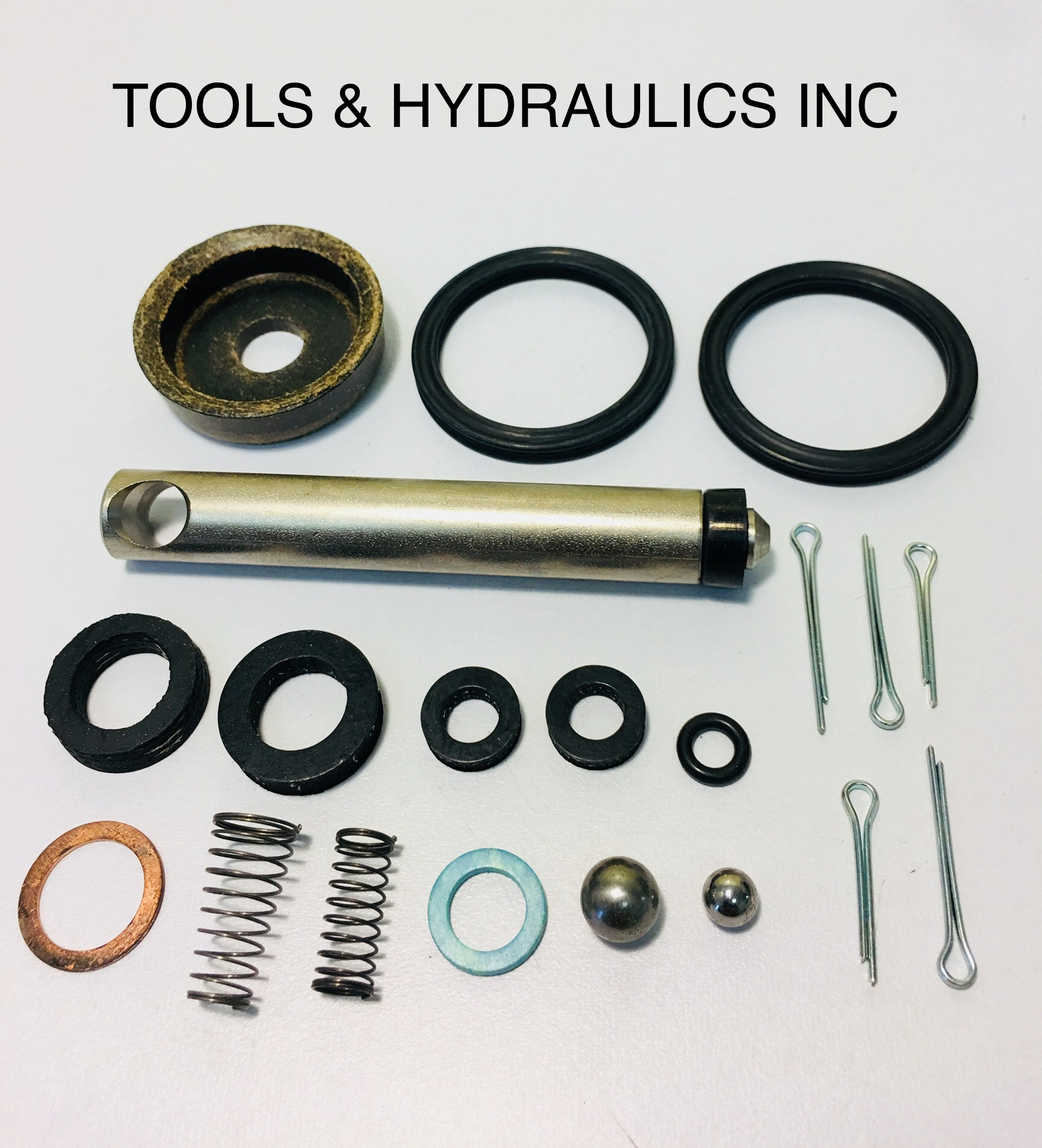
Common parts to replace include seals and O-rings. These prevent leaks and maintain pressure. The hydraulic fluid must be fresh and clean. Check the jack’s handle for wear or bending. Replace any damaged springs for proper lift. Look for a new release valve if the jack won’t hold pressure.
Safety Gear
Wear safety goggles to protect your eyes. Gloves keep your hands safe from grease and sharp edges. Use work clothes that cover your arms and legs. A sturdy work mat helps keep parts organized. Ensure good lighting in your repair area for better visibility.
Preparing The Floor Jack
Preparing the Blackhawk floor jack is the first step in a successful repair. Taking time to get it ready can save effort later. This stage ensures the jack is clean, well positioned, and safe to work on. Proper preparation makes the repair smooth and effective.
Cleaning And Inspection
Start by wiping off dirt and grease from the floor jack. Use a clean cloth and some mild cleaner. Remove dust and grime from all moving parts. Check for visible damage like cracks or rust. Look at the wheels, handle, and lifting arm closely. Note any parts that seem worn out or broken.
Positioning For Repair
Place the floor jack on a flat and stable surface. This helps prevent it from moving during repair. Keep the area well-lit to see every detail. Make sure there is enough space to work comfortably around the jack. Avoid soft or uneven ground that can cause instability.
Safety Precautions
Wear safety gloves to protect your hands from sharp edges. Use safety glasses to guard your eyes from debris. Keep the jack lowered fully before starting work. Avoid placing any body part under the raised jack. Double-check that the jack is secure and won’t slip during repair.
Credit: www.youtube.com
Fixing Hydraulic Leaks
Fixing hydraulic leaks is key to keeping your Blackhawk floor jack working well. Leaks can cause loss of pressure and poor lifting power. Finding and fixing these leaks stops fluid waste and keeps your jack safe to use.
Hydraulic leaks often come from worn seals or old fluid. Fixing this means draining the old fluid, changing seals and O-rings, then refilling with fresh hydraulic fluid. Each step is simple but important for a full repair.
Draining Old Fluid
Start by lowering the jack fully. Place a container under the drain plug. Remove the plug carefully and let the old fluid flow out. This removes dirt and old oil that cause leaks. Clean the drain plug before putting it back.
Replacing Seals And O-rings
Check the seals and O-rings around the hydraulic cylinder. Remove the worn parts gently. Use new seals that fit your jack model. Push them in place without stretching or damaging them. Proper seals stop fluid from leaking out.
Refilling Hydraulic Fluid
Open the fill plug on the jack. Pour new hydraulic fluid slowly into the reservoir. Fill to the recommended level, usually marked inside. Close the fill plug tightly to avoid leaks. Test the jack to make sure it lifts smoothly and holds pressure.
Repairing The Pump And Handle
Repairing the pump and handle is key to fixing a Blackhawk floor jack. These parts help lift and lower heavy objects safely. Fixing them can make your jack work like new again. Simple steps can solve common issues. Follow easy tips to keep the pump and handle in good shape.
Adjusting The Release Valve
The release valve controls the jack’s lowering speed. If the jack won’t lift or lower properly, the valve may need adjustment. Find the valve near the handle base. Turn it slightly with a wrench. Clockwise tightens the valve, slowing the release. Counterclockwise loosens it, allowing faster lowering. Adjust slowly and test the jack after each turn. Proper adjustment ensures smooth operation and safety.
Replacing The Handle
A bent or broken handle makes lifting hard. Remove the old handle by pulling it out or unscrewing it. Buy a new handle that fits your Blackhawk jack model. Insert the new handle into the same spot. Secure it firmly with bolts or pins. Check that the handle moves freely without wobbling. A good handle improves control and makes lifting easier.
Lubricating Moving Parts
Lubrication reduces friction and wear on the pump and handle parts. Use a light machine oil or grease. Apply it to the pump piston, handle joints, and release valve. Move the handle up and down to spread the lubricant. Wipe off any excess oil. Regular lubrication keeps the jack working smoothly and extends its life.

Credit: www.amazon.com
Wheel And Caster Maintenance
Maintaining the wheels and casters of your Blackhawk floor jack keeps it running smoothly. Proper care prevents damage and improves safety. This section covers simple steps to check and fix wheels and casters.
Tightening Or Replacing Wheels
Start by inspecting the wheels for wear or damage. Loose wheels cause instability and make the jack hard to move. Use a wrench to tighten any loose nuts or bolts. If a wheel is cracked or badly worn, replace it with a new one. Always match the replacement wheel to the original size and type.
Lubricating Casters
Casters need regular lubrication to spin freely. Apply a few drops of light machine oil to the caster bearings. Avoid over-oiling to prevent dirt buildup. Move the casters back and forth to spread the oil evenly. Lubricated casters reduce friction and extend the jack’s life.
Testing Mobility
After maintenance, test the jack’s mobility on a flat surface. Push and pull it to check for smooth movement. Wheels and casters should roll without noise or sticking. If movement feels rough, recheck for tightness and proper lubrication. Smooth mobility ensures safe and easy floor jack use.
Testing The Repair
Testing the repair of your Blackhawk floor jack is vital. It ensures the jack works safely and correctly. This step checks if all parts function well after fixing. Take time to test every feature carefully. A proper test avoids future problems and keeps you safe.
Checking Lift Capacity
Start by checking the lift capacity. Place a weight close to the jack’s maximum limit. Slowly pump the handle and watch the jack lift the load. The jack must hold the weight steadily without dropping. If it lowers or struggles, the repair needs review. A strong lift shows the jack is reliable again.
Ensuring Smooth Operation
Next, ensure smooth operation of the jack. Pump the handle several times to feel the motion. It should move easily without stiffness or strange noises. Lower the jack smoothly as well. Any jerks or rough movement means more fixing is required. Smooth action means your repair succeeded.
Troubleshooting Remaining Issues
If problems remain, troubleshoot carefully. Check for leaks in hydraulic fluid or air in the system. Tighten loose parts or replace damaged seals. Repeat testing after each fix. Keep testing until the jack lifts and lowers without issues. Patience here prevents accidents later.
Maintenance Tips For Longevity
Maintaining your Blackhawk floor jack ensures it works safely and lasts longer. Regular care keeps parts moving smoothly. Small checks prevent big problems. Simple steps help avoid costly repairs.
Regular Inspection Schedule
Check the jack before each use. Look for leaks, cracks, or rust. Test the lifting and lowering actions. Tighten loose bolts and nuts. Replace worn or damaged parts quickly. Keep a log of inspections for reference.
Proper Storage Practices
Store the jack in a dry place. Avoid damp or dusty areas. Lower the jack fully before storage. Cover it to protect from dirt. Keep it away from heavy objects. Proper storage stops rust and damage.
Fluid Replacement Intervals
Change the hydraulic fluid every year. Old fluid can cause poor performance. Use the fluid recommended by the manufacturer. Check fluid levels regularly. Add fluid if levels drop. Clean fluid keeps the jack lifting smoothly.
Frequently Asked Questions
How Do I Fix A Leaking Blackhawk Floor Jack?
To fix leaks, first identify the source, often the hydraulic seal. Replace damaged seals or O-rings. Refill with proper hydraulic oil. Test for leaks and smooth operation after repair.
Why Is My Blackhawk Floor Jack Not Lifting Properly?
Check the hydraulic fluid level and refill if low. Inspect for air trapped in the system and bleed it out. Ensure all moving parts are lubricated and seals are intact.
How Can I Bleed Air From A Blackhawk Floor Jack?
Open the release valve and pump the handle several times. Close the valve and test lifting again. Repeat if necessary to remove trapped air causing lifting issues.
What Maintenance Keeps A Blackhawk Floor Jack Working Longer?
Regularly check hydraulic fluid levels and top up as needed. Inspect seals and replace if worn. Lubricate moving parts and clean dirt off the jack after each use.
Conclusion
Repairing your Blackhawk floor jack saves money and extends its life. Follow each step carefully for safe and effective results. Check parts regularly to keep your jack working well. Small fixes prevent bigger problems later. Stay patient and take your time during repairs.
Your jack will be ready to lift again soon. Maintenance matters. Keep your tools in good shape for years ahead.