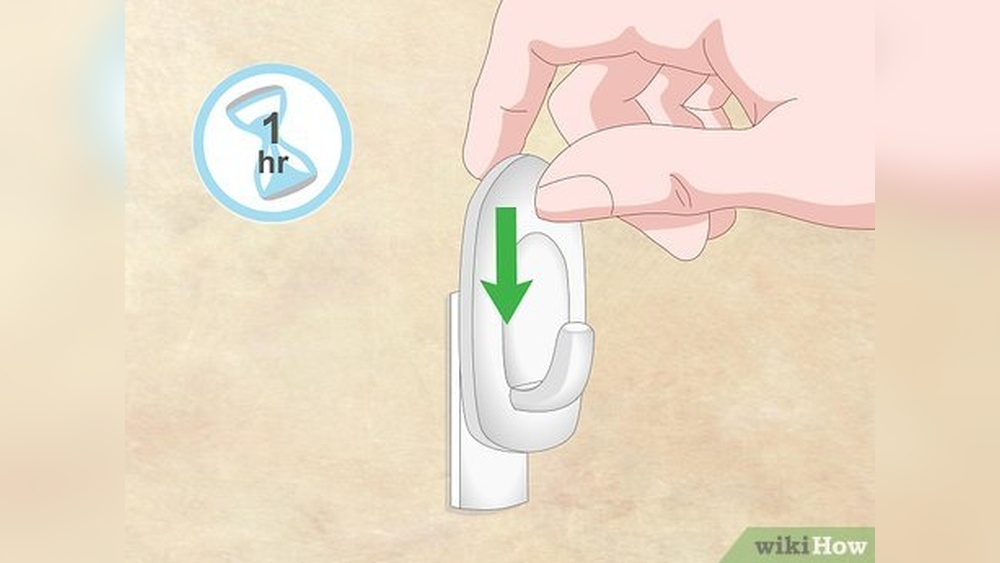
Have you ever tried to remove a nail hook from your wall, only to worry about damaging the paint or leaving ugly holes behind? You’re not alone.
Removing nail hooks can be tricky, but it doesn’t have to be a frustrating experience. You’ll discover simple and effective ways to take out those nail hooks cleanly, keeping your walls looking great. Keep reading, and you’ll learn easy steps that save you time, effort, and the headache of repairs.
Your walls will thank you!

Credit: www.youtube.com
Tools Needed
Removing nail hooks from a wall needs the right tools. The right tools help protect your wall and make the job easier. Some tools you may already have at home. Others are special and help with tough hooks.
Common Household Items
A small flathead screwdriver can gently pry the hook from the wall. Pliers are helpful to grip and pull the nail straight out. A butter knife can also lift the hook carefully. A putty knife works well to push behind the hook and loosen it. These items are easy to find in most homes. They work best for hooks that are not too deep or stuck.
Specialized Tools For Stubborn Hooks
For hooks that are hard to remove, a nail puller tool is useful. It has a curved claw designed to pull nails without damaging the wall. A stud finder helps locate studs behind the wall, avoiding damage. A small hammer can tap tools gently to ease the hook out. These tools make tough jobs simpler and reduce wall damage. You can find them at hardware stores or online.
Preparing The Area
Preparing the area is the first step to safely remove nail hooks from your wall. It helps avoid damage and keeps your space clean. Taking time to prepare makes the whole process easier and safer.
Clearing Surrounding Space
Remove furniture and objects near the wall with the nail hook. Clear the space around the hook to have room to work. This prevents accidents and keeps your items safe from falling dust or debris.
Keep pets and children away from the area. This ensures no one gets hurt during removal. A clear space also helps you focus on the task without distractions.
Protecting Walls And Floors
Cover the floor under the nail hook with a drop cloth or old sheet. This stops scratches and catches falling debris. Use painter’s tape to protect wall paint near the hook.
Place a small piece of cardboard or plastic behind the hook. This protects the wall from damage while you work. These simple steps keep your walls and floors safe and clean.
Removing The Nail Hook
Removing a nail hook from the wall can be simple with the right tools and care. This step is important to avoid wall damage. Let’s explore easy methods to pull the nail hook out safely.
Using Pliers For Straight Pull
Grab a pair of pliers with a firm grip. Hold the nail hook close to the wall. Pull straight out gently. Avoid twisting or bending the nail to stop wall damage. Pliers give control and reduce effort.
Leveraging A Flathead Screwdriver
Slide a flathead screwdriver under the nail hook’s base. Use the screwdriver as a lever. Push down slowly on the handle. This lifts the nail hook up. Work carefully to protect the wall surface.
Tapping With A Hammer Gently
Place the hammer’s claw under the nail hook’s edge. Tap lightly to loosen the nail hook. Small taps prevent wall cracks. Once loose, pull the nail hook out by hand or with pliers.
Credit: www.reddit.com
Dealing With Stuck Or Broken Nails
Removing nail hooks from walls can be tricky when nails get stuck or break. These situations need careful handling to avoid wall damage. The right tools and methods help pull out nails smoothly. Understanding simple tricks makes the job easier and safer.
Applying Lubricants
Lubricants reduce friction around the nail. A small amount of oil or soap can help. Apply it gently near the nail head. Let it sit for a few minutes. This softens the wall and loosens the nail. It becomes easier to pull the nail out after lubrication.
Using Nail Pullers
Nail pullers provide extra grip on stuck nails. Place the tool under the nail’s head carefully. Pull slowly and steadily to avoid wall damage. Use a hammer to tap the puller if needed. This method works well for nails that won’t budge by hand.
Cutting Off The Hook
Sometimes the nail hook breaks and stays in the wall. Cutting off the visible part may be necessary. Use wire cutters or a small saw for this. After cutting, remove the remaining nail piece carefully. Fill the hole with putty to repair the wall surface.
Fixing Wall Damage
Removing nail hooks from walls often leaves small holes or minor damage. Fixing this damage helps restore your wall’s smooth, clean look. A few simple steps can make your wall look like new again. Follow these easy tips to repair and refresh your wall.
Filling Small Holes
Use a lightweight spackling paste to fill small nail holes. Apply a small amount over the hole with a putty knife. Press gently to fill the hole completely. Let the paste dry for about 15 to 30 minutes. Drying time depends on the product and hole size.
Sanding And Smoothing
After the filler dries, sand the area lightly with fine-grit sandpaper. Sand until the surface is smooth and even with the wall. Wipe away dust with a soft, dry cloth. Smooth walls help paint stick better and look neat.
Touching Up Paint
Match your wall paint color for the best finish. Use a small brush to apply paint over the repaired spot. Apply thin coats, letting each dry before the next. This method blends the patch with the rest of the wall. Your wall looks fresh without visible damage.

Credit: www.youtube.com
Preventing Future Wall Damage
Preventing damage to your walls starts with smart choices. Small actions can save you from costly repairs. Protect your walls by picking the right hooks and using better methods. A careful installation keeps your walls safe and looking good.
Choosing The Right Hooks
Select hooks designed for your wall type. Lightweight hooks suit drywall, while stronger ones fit plaster or brick. Hooks with wide bases spread weight and reduce wall marks. Avoid sharp or thin hooks that dig into paint or drywall.
Using Adhesive Alternatives
Try adhesive hooks instead of nails or screws. These hooks stick firmly without holes. They work well for light items like keys or small frames. Choose brands that promise easy removal without residue. Avoid heavy loads that can pull adhesive off.
Proper Installation Techniques
Mark the spot before placing a hook. Use a level to keep hooks straight. Insert hooks gently to avoid cracking the wall. For heavy items, use anchors or wall plugs. Always follow the hook’s instructions for best results.
Frequently Asked Questions
How Do I Safely Remove Nail Hooks From Walls?
Gently tap the hook to loosen it, then pull it straight out. Use pliers if needed. Avoid damaging the wall by pulling slowly and steadily.
What Tools Help Remove Nail Hooks Without Wall Damage?
Use needle-nose pliers or a flathead screwdriver. These tools provide control and minimize wall damage when removing hooks carefully.
How To Fix Wall Holes After Removing Nail Hooks?
Fill holes with spackle or wall filler. Smooth with a putty knife, let dry, then sand and paint for a seamless finish.
Can I Reuse Nail Hooks After Removal?
Yes, if hooks remain undamaged. Clean them before reuse. Otherwise, consider replacing for secure and safe wall hanging.
Conclusion
Removing nail hooks from walls can be quick and simple. Use the right tools to avoid damage. Gently pull or pry the hook straight out. Fill any holes with spackle or putty. Sand and paint for a smooth finish. Take your time to keep walls looking good.
These easy steps help maintain your home’s beauty. Try them next time you need to remove hooks. No stress, no mess—just clean, neat walls.