If you use a floor car jack, keeping it well-maintained is key to making sure it works smoothly and safely. One important step is knowing how to put hydraulic oil in your floor car jack.
You might think it’s complicated, but it’s actually easier than you expect. By learning this simple process, you can save money, avoid costly repairs, and keep your jack in top shape whenever you need it. Stick with me, and I’ll guide you through every step so you feel confident doing it yourself.
Tools And Materials Needed
Before adding hydraulic oil to a floor car jack, gather all necessary tools and materials. This preparation saves time and prevents mistakes. Using the right items ensures the job is smooth and safe.
Choosing The Right Hydraulic Oil
Use oil designed for hydraulic systems. Check your jack’s manual for the recommended type. Most jacks need ISO 32 or 46 hydraulic oil. Avoid using motor oil or other fluids. These can damage the jack’s seals and mechanisms.
Choose clean, new oil only. Old or dirty oil can clog parts. This reduces the jack’s performance and lifespan.
Essential Tools For The Job
Prepare a clean funnel for pouring the oil. This prevents spills and keeps dirt out. Have a rag or paper towels ready to wipe any drips. A wrench or screwdriver may be needed to open the oil fill plug.
Keep a pair of gloves handy. Hydraulic oil can irritate skin. Work in a well-lit area to see clearly. A small container helps catch any excess oil that might spill. These tools make refilling easy and safe.
Preparing The Floor Jack
Preparing your floor jack properly is key before adding hydraulic oil. This step ensures safe and smooth oil replacement. It helps avoid damage and keeps the jack working well.
Start by cleaning the jack and positioning it correctly. These actions make the process easier and cleaner. Follow each step carefully for the best result.
Cleaning The Jack
Remove dirt and grease from the jack’s surface. Use a clean cloth and mild cleaner. Wipe around the oil fill plug and release valve. This prevents dirt from entering the hydraulic system. Clean parts reduce the risk of contamination and damage.
Positioning For Oil Replacement
Place the jack on a flat and stable surface. Keep it in a low position to drain old oil easily. Make sure the release valve is closed. This stops oil from leaking out. Proper positioning helps you pour new oil without spills.
Draining Old Hydraulic Oil
Draining old hydraulic oil is a key step before adding new oil to your floor car jack. Old oil can contain dirt and metal particles. These can damage the jack’s system. Changing the oil keeps the jack working smoothly and safely.
Locating The Drain Valve
Find the drain valve on the bottom or side of the jack. It is usually a small bolt or screw. Use a wrench to loosen the valve slowly. Let the old oil flow into a container. Make sure the container is clean and large enough. Avoid spilling oil on the floor or other surfaces.
Proper Disposal Methods
Used hydraulic oil is hazardous waste. Do not pour it down drains or on soil. Take the oil to a recycling center or auto shop. They handle oil disposal safely. Use sealed containers to transport the oil. This protects the environment and follows local laws.

Credit: www.youtube.com
Refilling With New Hydraulic Oil
Refilling your floor car jack with new hydraulic oil is important. It keeps the jack working smoothly and safely. Using fresh oil helps the jack lift heavy loads easily. It also stops leaks and damage. Follow these simple steps to add new oil correctly.
Opening The Fill Port
Find the fill port on your floor jack. It is usually on the side or top. Clean the area around the port first. This stops dirt from entering the jack. Use a wrench or your hand to open the port. Turn slowly to avoid damage. Keep the port open for pouring oil.
Pouring Oil Safely
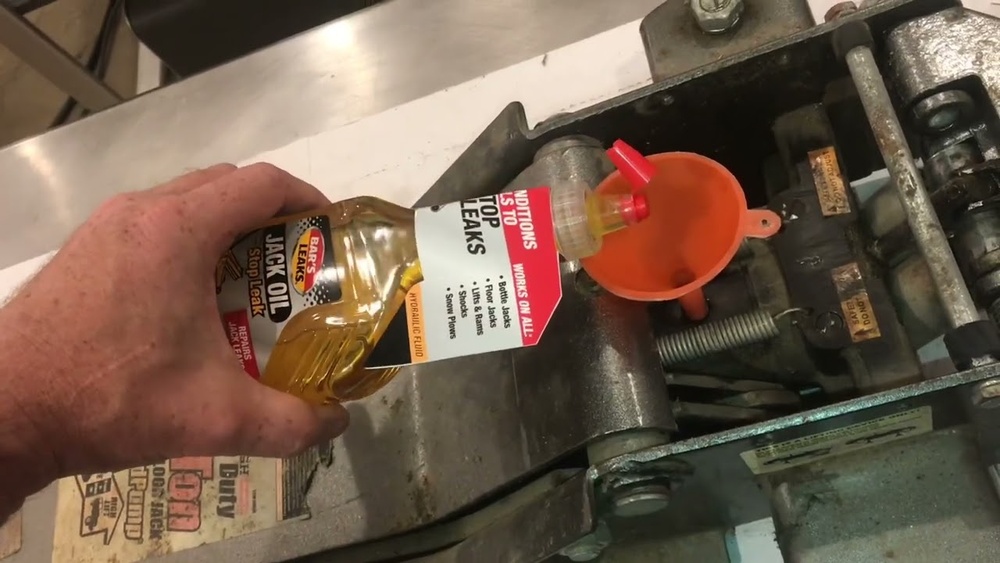
Use the right hydraulic oil for your jack. Check the manual if unsure. Pour the oil slowly into the fill port. Use a funnel to avoid spills. Fill until the oil reaches the correct level. Do not overfill. Close the fill port tightly to stop leaks. Wipe away any spilled oil.
Bleeding Air From The Jack
Bleeding air from a floor car jack is a vital step after adding hydraulic oil. Air trapped inside the jack can reduce its lifting power. This makes the jack less safe and less effective. Removing the air ensures smooth operation and reliable lifting.
Why Air Bleeding Is Important
Air inside the jack causes spongy or weak lifting. It can make the jack feel unstable. The hydraulic system works best with only oil, no air bubbles. Air reduces pressure and causes uneven lifting. Removing air improves safety and jack performance.
Step-by-step Bleeding Process
Start by lowering the jack completely. Locate the release valve and open it slowly. Pump the jack handle several times to push air out. Keep the release valve open during pumping. Close the valve when oil flows smoothly without bubbles. Repeat if necessary until no air escapes.
Testing The Floor Jack
Testing the floor jack is a key step after adding hydraulic oil. It ensures the jack works safely and correctly. This step helps spot problems early. It also confirms the oil is in the right place and at the right level.
Testing involves checking for leaks and making sure the jack lifts and lowers smoothly. These checks keep you safe during use. Follow these simple tests before using the jack for any heavy lifting.
Checking For Leaks
Look closely around the jack for any signs of oil leaks. Pay attention to seals and joints where oil may escape. A small leak can cause the jack to fail under pressure. Wipe the area clean and watch for fresh oil spots. If you see oil dripping, stop using the jack. Fix the leak before continuing.
Ensuring Proper Operation
Test the jack by pumping the handle to lift a small load. The jack should rise smoothly without jerks or delays. Lower the jack slowly and check for steady movement. Listen for unusual sounds like hissing or grinding. These may mean air or dirt is inside. Repeat the lifting and lowering a few times. The jack must operate smoothly and hold weight firmly.
Maintenance Tips For Longevity
Maintaining your floor car jack properly helps it last longer and work better. Regular care keeps the hydraulic system smooth and safe. Simple steps can prevent damage and costly repairs. Follow these tips to keep your jack in top shape.
Regular Oil Checks
Check the hydraulic oil level often. Low oil can cause the jack to fail. Use the right type of oil made for hydraulic jacks. Look for leaks around the oil cap and seals. Clean the area before opening the oil cap to avoid dirt entry. Top off the oil if it is low, but do not overfill. Replace the oil after heavy use or once a year to keep it fresh.
Storage Recommendations
Store the jack in a dry, cool place. Moisture can cause rust and damage the oil. Keep the jack lowered when not in use to reduce pressure on seals. Avoid placing heavy objects on the jack during storage. Cover the jack with a cloth or plastic to keep dust away. Regular storage care protects the hydraulic system and metal parts.

Credit: www.wikihow.com

Credit: www.wikihow.com
Frequently Asked Questions
How Do I Check Hydraulic Oil Level In Floor Car Jack?
To check the hydraulic oil, locate the oil reservoir. Remove the fill plug and inspect the oil level. It should be near the top. Add oil if it’s low to ensure smooth jack operation.
What Type Of Hydraulic Oil Is Best For Floor Jacks?
Use high-quality, manufacturer-recommended hydraulic oil. Typically, SAE 10 or 20 hydraulic oil works well. Avoid using motor oil or other fluids to prevent damage and maintain jack efficiency.
How Often Should I Change Hydraulic Oil In Floor Car Jack?
Change the hydraulic oil every 12 months or after heavy use. Regular oil changes keep the jack working smoothly and prevent internal damage caused by dirt or moisture buildup.
Can I Overfill Hydraulic Oil In A Floor Jack?
No, overfilling can cause leaks and pressure problems. Fill the oil reservoir just below the fill hole for optimal performance and safety.
Conclusion
Adding hydraulic oil to your floor car jack keeps it working well. Check the oil level regularly to avoid damage. Use the right oil type for best results. Keep the jack clean and store it properly. This simple care helps your jack last longer and work safely.
Now, you can handle oil refills with confidence. Your jack will lift smoothly every time.