Are you struggling to fit a new deadbolt into your metal door because the hole is too small? You’re not alone, and fixing this is easier than you might think.
Enlarging a deadbolt hole in a metal door doesn’t have to be a daunting task or require expensive tools. With the right steps, you can do it yourself quickly and safely. Keep reading, and you’ll discover simple, clear instructions that will help you secure your home without hassle.
Your door’s security is too important to leave to chance—let’s get it done right.

Credit: www.youtube.com
Tools And Materials Needed
Before enlarging a deadbolt hole in a metal door, gather the right tools and materials. This makes the job easier and safer. Having everything ready saves time and avoids frustration.
Essential Tools
You need a power drill with metal drill bits for accurate holes. A hole saw bit sized for the deadbolt is important. A metal file helps smooth rough edges after drilling. A measuring tape ensures precise markings. A center punch marks the drilling spot firmly. Clamps keep the door steady while working.
Safety Gear
Wear safety goggles to protect your eyes from metal shards. Use heavy-duty gloves to shield your hands. Ear protection reduces noise from the drill. A dust mask prevents inhaling metal dust. Proper clothing covers your body and avoids injury.
Material Checklist
Have a deadbolt lock that fits the enlarged hole. Use masking tape to mark the drilling area clearly. Keep a pencil or marker for measurements. Keep a clean cloth nearby to wipe metal dust. Have a container to catch metal shavings and scraps.

Credit: www.youtube.com
Preparing The Door
Preparing the door is the first step to enlarge a deadbolt hole in a metal door. This stage ensures safety and accuracy during the process. Proper preparation prevents damage and makes the job easier.
Marking The New Hole
Start by measuring the size of the new deadbolt. Use a pencil or marker to outline the new hole on the door. Double-check the measurements to avoid mistakes. Clear, accurate marks guide the drilling and cutting process.
Securing The Door
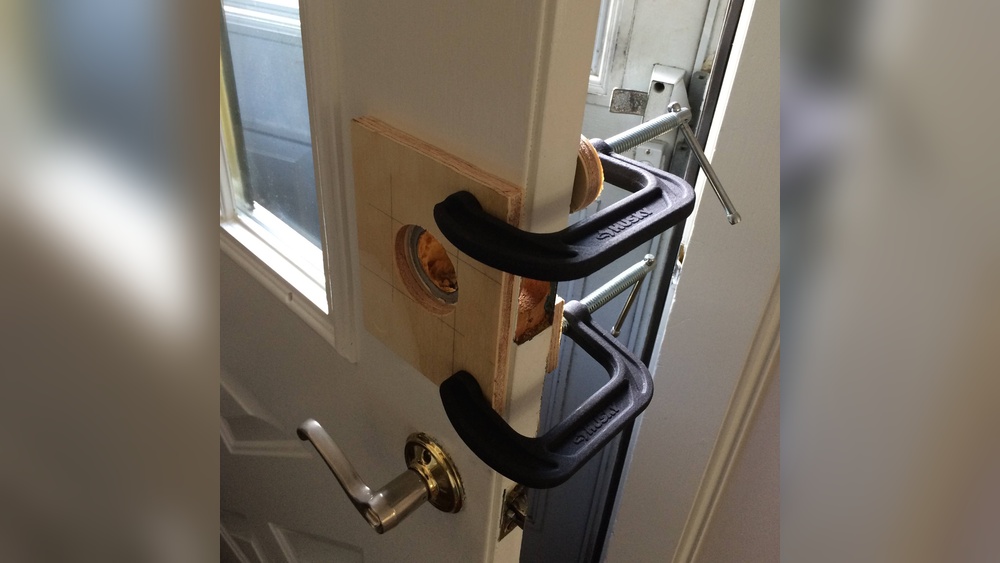
Keep the door steady to prevent movement during work. Use clamps or have someone hold the door firmly. A stable door helps maintain precision and safety. Avoid working on a door that can shift or wobble.
Removing Existing Hardware
Take off the old deadbolt and any surrounding hardware. Use a screwdriver to remove screws gently. Clearing the area gives you space to work easily. Removing hardware also protects it from damage during drilling.
Drilling Techniques
Drilling a larger hole in a metal door for a deadbolt requires care and the right technique. The process needs proper tools and steady hands. Using the correct drill bit and following clear steps helps avoid damage to the door. Safety and precision are key. Below are important tips to guide you through drilling.
Choosing The Right Drill Bit
Select a drill bit made for metal, such as cobalt or titanium bits. These bits stay sharp and cut through metal smoothly. The bit size must match the new hole diameter needed for your deadbolt. Avoid cheap bits that wear out fast. Using a sharp, sturdy bit makes drilling easier and cleaner.
Step-by-step Drilling Process
Start by marking the hole’s center on the door. Secure the door or work area to prevent movement. Use a smaller pilot hole first to guide the larger bit. Drill slowly and apply steady pressure. Keep the drill perpendicular to the door surface. Cool the bit by pausing or using cutting oil to avoid overheating. Clean metal shavings away before enlarging the hole.
Avoiding Common Mistakes
Do not rush the drilling or force the bit too hard. This can cause the bit to break or damage the door. Avoid using dull bits that can slip and scratch the door. Wear safety goggles to protect eyes from metal shards. Always measure twice before drilling to prevent wrong hole placement. Taking your time ensures a smooth, accurate hole.
Smoothing And Finishing
Smoothing and finishing the enlarged deadbolt hole is a key step. It ensures safety and a clean look. Rough edges can cause injury or damage the lock. Proper finishing helps the deadbolt fit perfectly. It also protects the door from rust and wear.
Deburring The Hole
Use a metal file or deburring tool to smooth sharp edges. Move the tool around the hole’s edge evenly. Remove all metal shards and rough spots. This process prevents cuts and keeps the lock from sticking. Take your time and check the hole after filing.
Protecting Metal Edges
Apply a rust-resistant primer or paint around the hole’s edge. This step stops moisture from causing rust. Use a small brush for precise application. Let the coating dry fully before installing the deadbolt. Protecting edges extends the door’s life and maintains its look.
Testing The Fit
Insert the deadbolt into the hole carefully. Check if it slides in smoothly without force. Make sure the lock aligns with the door frame. Adjust the hole slightly if needed. Testing the fit avoids future problems with locking and unlocking.
Installing The Deadbolt
Installing the deadbolt is the next key step after enlarging the hole in your metal door. This process ensures your lock fits securely and works smoothly. Take your time to position the lock properly. A well-installed deadbolt adds safety and peace of mind to your home.
Aligning The Lock
Place the deadbolt into the enlarged hole carefully. Check that the bolt lines up with the strike plate on the door frame. The lock should sit flat against the door surface. Misalignment can cause the lock to jam or not latch properly. Adjust the lock until it fits snugly and straight.
Securing Screws
Use the screws provided with your deadbolt to fasten it in place. Tighten them evenly to avoid bending the lock or door. Make sure screws are firmly in place but avoid over-tightening. Over-tightening can strip screw holes or warp the door. A secure fit prevents wobbling or loose locks.
Final Adjustments
Test the deadbolt by turning the key or thumb turn several times. The bolt should move smoothly without sticking. If it feels tight, loosen screws slightly and realign the lock. Check the bolt extends fully into the strike plate hole. Make small changes until the deadbolt operates with ease and security.

Credit: diy.stackexchange.com
Tips For Success
Enlarging a deadbolt hole in a metal door requires care and precision. Following simple tips can help you avoid problems and get the job done right. These tips focus on protecting your door, keeping you safe, and knowing when to ask for help.
Preventing Door Damage
Use the right tools for the job. A drill with a metal-cutting bit works best. Measure the hole carefully before you start. Work slowly to avoid bending or cracking the door. Keep the drill steady to make a clean, smooth hole. Cover the door area with tape to stop scratches.
Maintaining Safety
Wear safety glasses to protect your eyes from metal shavings. Use gloves to avoid cuts and scrapes. Clear the work area of any clutter. Keep fingers away from the drill bit. Work in a well-lit space to see clearly. Take breaks to avoid mistakes from tiredness.
When To Call A Professional
Call a locksmith or door expert if the metal is very thick. Seek help if the door has special coatings or finishes. Ask a professional if you feel unsure about using power tools. Getting expert help can save time and prevent damage. Professionals have the right tools and skills for tough jobs.
Frequently Asked Questions
How Do I Safely Enlarge A Deadbolt Hole?
Use a step drill bit or hole saw designed for metal. Wear safety goggles and gloves. Drill slowly to avoid damaging the door or creating rough edges.
What Tools Are Best For Enlarging Metal Door Holes?
A step drill bit, hole saw, and power drill work best. Use metal files to smooth edges. These tools ensure precision and minimize door damage.
Can I Enlarge A Deadbolt Hole Without Door Damage?
Yes, by using proper tools and drilling slowly. Support the door to prevent vibrations. Take breaks to check progress and avoid overheating the drill bit.
How Much Larger Should I Make The Deadbolt Hole?
Enlarge the hole just enough to fit the new deadbolt comfortably. Typically, increase diameter by 1/8 to 1/4 inch for a snug fit.
Conclusion
Enlarging a deadbolt hole in a metal door takes care and the right tools. Follow the steps slowly and check your progress often. Take safety measures to protect yourself while working. A properly sized hole helps the deadbolt fit and work well.
Small adjustments can make a big difference. With patience, you can finish the job without trouble. Keep your door secure by doing this correctly. Simple skills can save time and money on repairs. Try it yourself and see how easy it can be.