Have you ever found yourself standing in front of a door locked with a deadbolt, feeling stuck and unsure what to do next? Whether you’re locked out of your home, office, or a room inside, knowing how to open a deadbolt locked door can save you time, stress, and even money.
You’ll discover simple, practical steps to regain access quickly and safely. Keep reading—you’ll learn tips that anyone can use, even without special tools or experience. Don’t let a locked door slow you down; take control and get back inside with confidence.
Tools Needed
Opening a deadbolt locked door requires specific tools. Choosing the right tools makes the task easier and safer. Some tools are common household items. Others are specialized for lock picking.
Basic Household Items
Simple tools can sometimes help open a deadbolt. A credit card or plastic card can work on spring bolts. A flathead screwdriver might fit between the door and frame. Rubber gloves improve grip and prevent scratches. These items are easy to find at home. They do not damage the lock if used carefully.
Specialized Lock Picking Tools
Special tools are designed for deadbolt locks. Tension wrenches apply pressure inside the lock cylinder. Pick tools lift the lock pins to the correct height. A rake pick moves pins quickly to unlock. These tools require some skill to use. They are small and fit easily in a toolkit. Using the right tool improves success and reduces damage.
Assessing The Lock Type
Understanding the type of deadbolt lock is the first step in opening a locked door. Different locks need different methods. Knowing the type saves time and prevents damage to the door or lock. This guide helps identify common deadbolt types.
Single Cylinder Deadbolts
Single cylinder deadbolts have a keyhole on the outside. Inside, they use a thumb turn to lock or unlock. This type is common in many homes. It is easier to open from the inside. Tools like bump keys or lock picks may work on these locks. Simple methods often work best here.
Double Cylinder Deadbolts
Double cylinder deadbolts have keyholes on both sides. No thumb turn is present inside. This type adds security but can be tricky to open. You need a key for both sides. Opening without a key is difficult. Knowing this helps choose the right approach to open the door.
Methods To Open Without Damage
Opening a deadbolt locked door without causing damage is possible with some simple tools and techniques. These methods save you from costly repairs or replacing the lock. They require patience and care to avoid harming the door or lock.
Using A Credit Card
This method works best on spring bolt locks, but some deadbolts can be slightly moved too. Use a flexible, strong card like an old credit card. Slide the card between the door and frame near the lock. Push and wiggle the card while applying pressure on the door. This may push the bolt back enough to open the door. Avoid forcing the card too hard to prevent damage.
Lock Picking Techniques
Lock picking is a skill that uses simple tools to move the pins inside the lock. A tension wrench and a pick are needed. Insert the tension wrench and apply slight pressure in the lock’s turning direction. Use the pick to lift each pin one by one. When all pins are set, the lock turns open. This method needs practice and patience but causes no damage.
Using A Bump Key
A bump key is a special key cut to fit many locks of the same type. Insert the bump key fully into the lock. Use a small hammer or similar tool to tap the key while turning it gently. The tapping moves the pins and may release the lock. This technique works on pin-tumbler locks and does not harm the lock if done carefully.
Opening With A Key
Opening a deadbolt locked door with a key is the most common and direct method. It requires the right key and a bit of care. Knowing how to use your key properly can save time and prevent damage.
Finding The Right Key
Start by identifying the key that matches the deadbolt. Check your keyring for keys labeled or marked for that door. Sometimes keys look similar but only one fits the lock.
Try the key gently in the lock. Do not force it. Forcing the wrong key can damage the lock or the key itself.
Using Spare Keys
Spare keys come in handy when you cannot find the original key. Keep spare keys in safe places outside your home. Trusted neighbors or family members can also hold a spare key.
Use the spare key just like the original. Insert it smoothly and turn slowly. This method works best when you plan ahead.
Handling Jammed Or Frozen Locks
Jammed or frozen deadbolt locks create real frustration. They stop the key from turning and block entry. Handling these locks needs care to avoid damage. Simple methods can help free the lock smoothly.
These methods save time and prevent costly repairs. Try gentle ways first to ease the lock’s movement. Small efforts often clear the jam or freeze without force.
Lubrication Tips
Use graphite powder or silicone spray as a lubricant. Avoid oil-based lubricants; they attract dirt and cause more jams. Apply a small amount directly into the keyhole.
Insert the key and turn it slowly several times. This spreads the lubricant inside the lock mechanism. Repeat if the lock still feels stiff. Lubrication reduces friction and eases the lock parts.
Gentle Tapping Techniques
Sometimes, small particles or ice block the lock. Light tapping can loosen these obstructions. Use a small hammer or the handle of a screwdriver.
Tap gently around the lock body and keyhole area. Avoid strong hits to prevent damage. After tapping, try turning the key slowly again. This method often frees stuck parts inside the lock.

Credit: www.youtube.com
When To Call A Locksmith
Knowing when to call a locksmith can save time and prevent damage. Some deadbolt problems need expert help. Trying to fix a locked door alone might make things worse. A professional locksmith has the right tools and skills. They open doors safely without breaking the lock or door. Below are signs to watch for and tips on choosing a locksmith.
Signs You Need Professional Help
The deadbolt does not turn at all. The key gets stuck or breaks inside the lock. You lost your key and have no spare. The lock is damaged or old and hard to open. The door frame is cracked or bent near the lock. You hear strange noises when trying to open the door. These signs show a problem that needs a skilled locksmith.
Choosing The Right Locksmith
Pick a locksmith with good reviews and local service. Check if they are licensed and insured. Ask about their experience with deadbolt locks. Compare prices but avoid very cheap or very high costs. Find out if they offer emergency services. A good locksmith explains the process clearly. Trust those who respond quickly and professionally.
Preventing Future Lockouts
Getting locked out of your home can cause stress and waste time. Taking steps to avoid future lockouts helps save you from these troubles. Simple plans and tools can make sure you always have access to your door.
Spare Key Strategies
Keeping spare keys is a smart way to avoid lockouts. Give a trusted friend or family member a copy. Hide a key in a secure, discreet spot outside your home. Use a combination lockbox to store a spare key safely. Change the hiding spot occasionally for extra security. Always know where your spare keys are to get in quickly.
Smart Lock Options
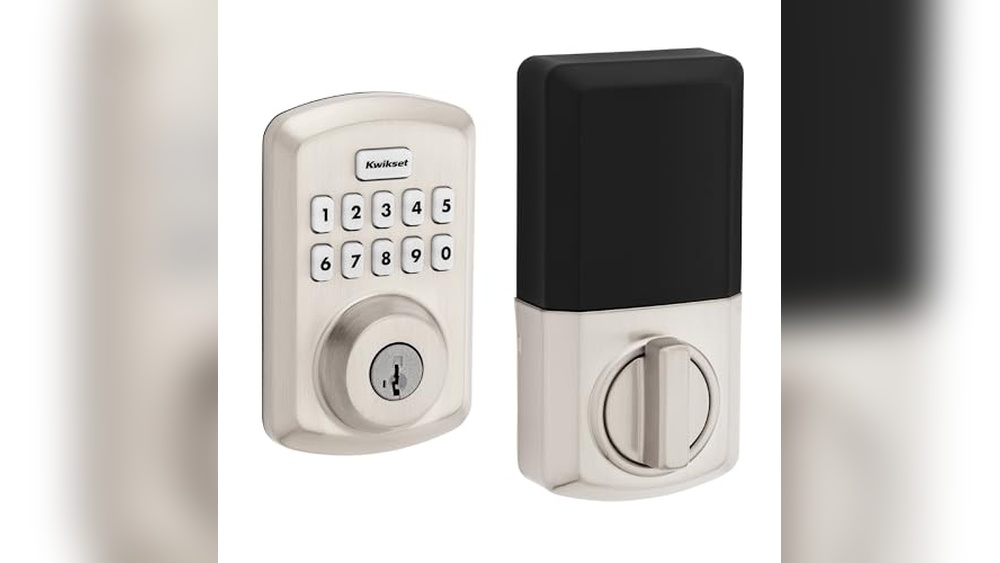
Smart locks provide easy access without keys. They use codes, fingerprints, or phone apps to open doors. You can share temporary codes with guests or workers. Many smart locks send alerts when the door is locked or unlocked. Choose a smart lock with strong security features. This tech reduces worries about losing keys or lockouts.

Credit: www.youtube.com

Credit: www.wikihow.com
Frequently Asked Questions
How Can I Open A Deadbolt Locked Door Without A Key?
You can use a bump key, a lock pick set, or a credit card method. Always try non-destructive methods first to avoid damage. If unsure, consult a locksmith to avoid legal issues.
What Tools Are Needed To Unlock A Deadbolt Door?
Common tools include a tension wrench, lock pick, bump key, or a screwdriver. These tools help manipulate the lock mechanism safely and effectively. Always use tools legally and responsibly.
Is It Legal To Open A Deadbolt Locked Door Without Permission?
No, unlocking a deadbolt without permission is illegal and considered breaking and entering. Always ensure you have the right to access the property. Contact a professional locksmith or property owner if locked out.
Can I Open A Deadbolt Door If The Lock Is Damaged?
If the lock is damaged, you may need to drill it out or replace it. Forcing the lock can cause more damage. It’s best to call a professional locksmith for safe removal.
Conclusion
Opening a deadbolt locked door takes patience and the right tools. Always stay calm and work carefully step by step. Practice helps you get better and faster. Remember, some locks may need a professional’s help. Keep safety and legality in mind at all times.
With these tips, you can handle a locked door more confidently. Try these methods next time you face a stuck deadbolt. Stay prepared and avoid frustration. Simple steps can save your day.