Are your floors feeling uneven or sagging? If so, a floor joist jack might be the simple tool you need to fix the problem yourself.
Using a floor joist jack can help you lift and support your floor joists safely and effectively. But if you’ve never used one before, it can seem confusing. Don’t worry—this guide will walk you through every step, making the process clear and easy.
By the end, you’ll have the confidence to strengthen your floors and protect your home. Ready to learn how to use a floor joist jack like a pro? Let’s dive in.

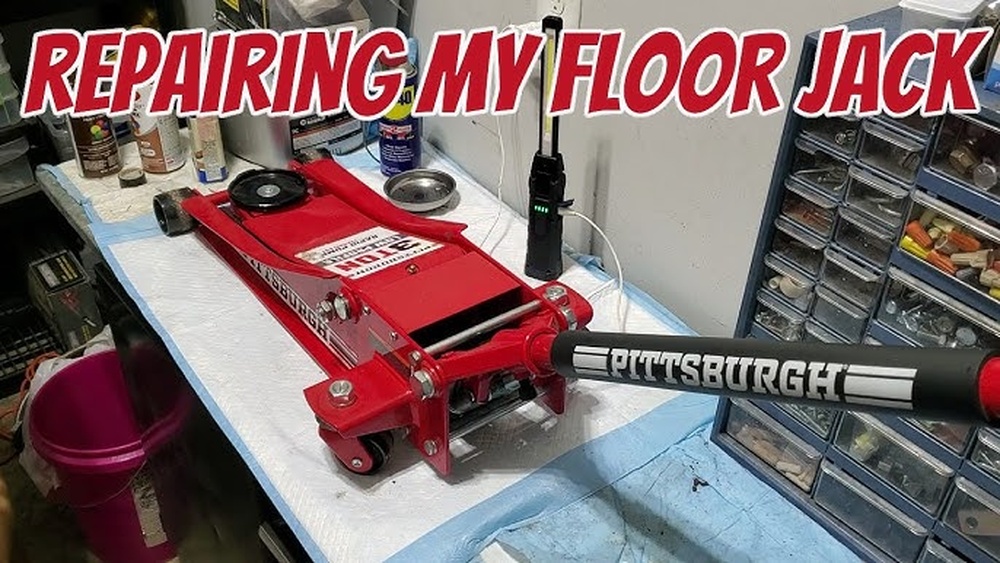
Credit: www.youtube.com
Choosing The Right Floor Joist Jack
Choosing the right floor joist jack is important for safety and effectiveness. The right jack supports the floor properly and prevents damage. Several factors matter when picking a floor joist jack. These include the type, material, size, and how much weight it can hold. Understanding these will help you select the best tool for your project.
Types Of Joist Jacks
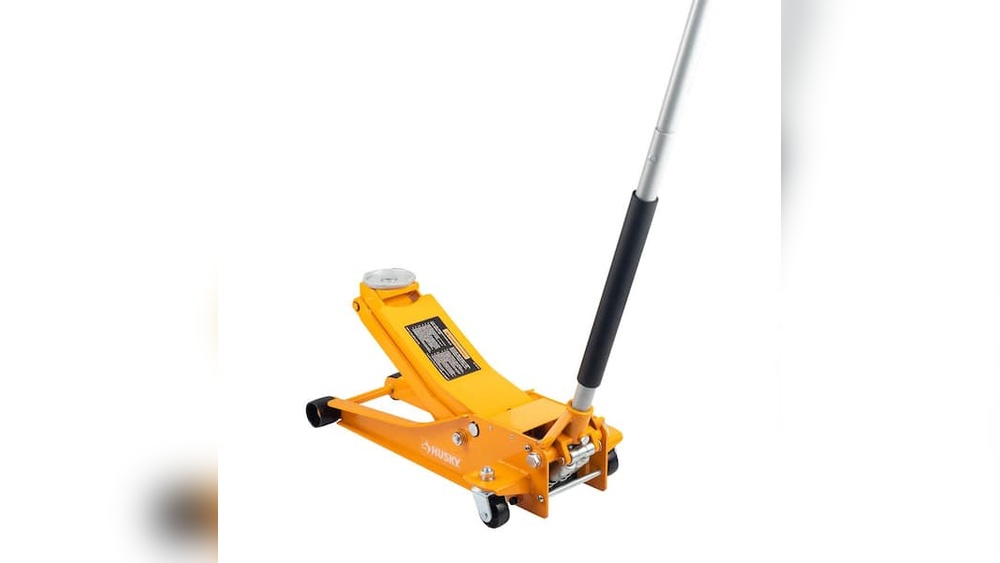
There are different types of floor joist jacks. Some are fixed, while others adjust to fit different heights. Screw jacks use a threaded rod to change height precisely. Hydraulic jacks use fluid pressure and offer smooth lifting. Choose a type based on your project needs and budget.
Material And Load Capacity
Joist jacks come in steel or aluminum. Steel jacks are strong and heavy. Aluminum jacks are lighter but still sturdy. Check the load capacity before buying. The jack must support the weight of the joist and the floor load. Always pick a jack with a higher load rating than your expected weight.
Size And Adjustability
Size matters for fitting under joists. The jack should fit easily in tight spaces. Adjustable jacks allow you to set the exact height. This helps in lifting or supporting floors evenly. Choose a jack that covers the height range needed for your job.

Credit: ellismanufacturing.com
Preparing The Work Area
Preparing the work area is the first step to using a floor joist jack safely and effectively. A clean, clear space helps you move freely and reduces risks. It also makes it easier to spot problems and fix them quickly. Taking time to prepare saves effort later and improves results.
Clearing The Space
Remove all furniture and objects from the work area. Keep tools and materials organized nearby but out of the way. Sweep the floor to avoid slipping or tripping. Good lighting helps you see details clearly. Make sure the area is dry and free of debris before starting.
Identifying Weak Joists
Look for joists that sag or have visible cracks. Check for signs of water damage or rot. Tap the joists lightly and listen for hollow sounds. Mark weak spots with chalk or tape. Knowing which joists need support helps you place the jack correctly.
Safety Precautions
Wear gloves and safety glasses during the work. Use knee pads to protect your knees on hard floors. Keep a sturdy ladder nearby if you need to access high areas. Never work alone; have someone nearby in case of emergency. Follow all instructions for the floor joist jack carefully.
Setting Up The Joist Jack
Setting up the joist jack correctly is key for safe and effective use. It helps support floor joists during repairs or adjustments. Follow simple steps to position and adjust the jack properly. This ensures strong support and prevents accidents.
Positioning The Jack
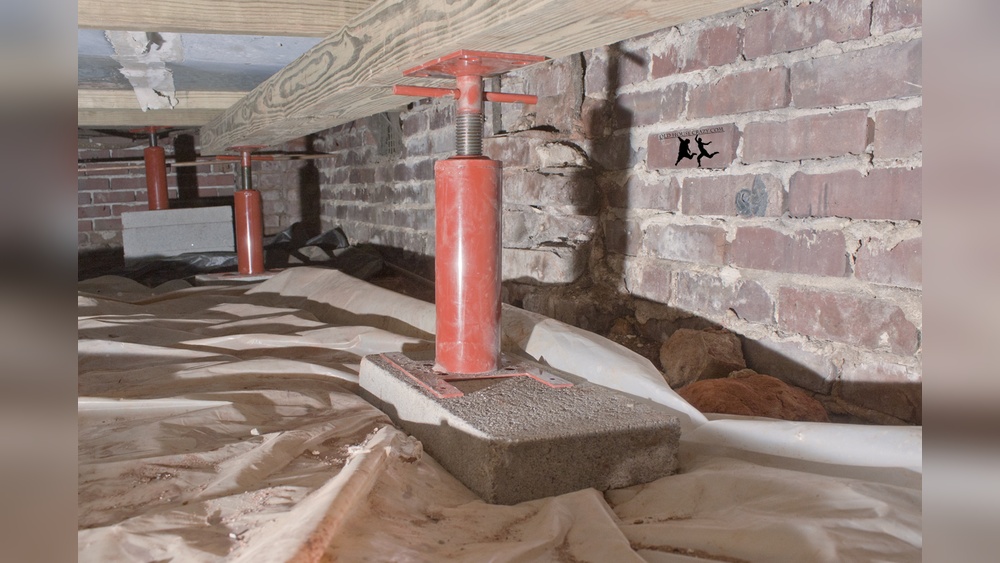
Place the floor joist jack directly under the damaged or sagging joist. Make sure the base sits on a solid, level surface. Avoid soft ground or uneven spots that can cause instability. Center the jack under the joist for even support.
Adjusting Height Correctly
Turn the handle or screw to raise the jack’s top plate. Raise it slowly until it just touches the joist. Do not force or lift too high at first. Adjust height carefully to avoid putting too much pressure too soon. The joist should sit firmly but not be bent.
Ensuring Stability
Check that the jack stands straight and steady on the ground. The base and top plate must be flat and fully in contact. Use a level if available to confirm vertical position. Tighten any locking mechanisms to keep the jack secure. Stability reduces risk and improves safety during work.
Lifting And Supporting The Joist
Lifting and supporting a floor joist is key to fixing sagging floors or making structural repairs. Proper support keeps the joist stable and safe during work. Using a floor joist jack correctly helps you lift the joist without damage. Follow careful steps to raise and hold the joist firmly in place.
Gradual Lifting Techniques
Start by placing the jack under the joist near the problem spot. Turn the handle slowly to raise the joist. Lift in small steps, about a quarter turn at a time. Pausing often lets the wood adjust and reduces stress. Stop lifting if you feel resistance or hear cracking sounds. Take breaks to avoid sudden shifts or damage.
Checking For Level
Use a spirit level across the joist to check its position. Make sure the joist is horizontal and even. Adjust the jack slightly to correct any tilt. Recheck after each adjustment to keep the joist balanced. Keeping it level is important for a strong, safe floor.
Securing The Support
Once the joist is lifted and level, place solid blocking under the joist near the jack. The blocking carries the load and prevents the joist from dropping. Tighten the jack carefully against the blocking to lock the joist in place. Double-check the stability before you remove the jack. Secure support avoids accidents and keeps repairs steady.
Common Mistakes To Avoid
Using a floor joist jack might seem simple, but mistakes can cause problems. Avoiding common errors helps keep your work safe and effective. Pay close attention to these typical mistakes to get the best results.
Overloading The Jack
Never put too much weight on the floor joist jack. Each jack has a limit. Exceeding this limit can cause the jack to fail. This may damage your floor or hurt someone nearby. Always check the weight capacity before starting.
Incorrect Placement
Placing the jack in the wrong spot reduces its strength. The jack must sit directly under the joist. Avoid tilting or uneven surfaces. Incorrect placement can lead to slipping or bending. Take time to position the jack properly for steady support.
Ignoring Safety Measures
Skipping safety steps puts you at risk. Wear gloves and eye protection. Make sure the area is clear of obstacles. Use the jack slowly and carefully. Follow all instructions from the manufacturer. Safety keeps the job smooth and accident-free.
Maintenance And Storage Tips
Proper maintenance and storage keep your floor joist jack working well for a long time. Small efforts after each use can prevent big problems later. Cleaning and checking your tool helps spot issues early. Storing it correctly protects it from damage and rust.
Cleaning After Use
Remove dirt and dust from the jack right after use. Use a dry cloth to wipe all parts clean. Avoid water, as it can cause rust. For stubborn dirt, use a soft brush. Keep all moving parts free of debris. This helps the jack work smoothly next time.
Inspecting For Damage
Check the jack carefully after every job. Look for cracks, bends, or worn parts. Test if the jack lifts and lowers without trouble. Replace any damaged parts immediately. Using a damaged jack can be unsafe. Regular inspections keep the tool reliable and safe.
Proper Storage Practices
Store the jack in a dry, clean place. Avoid damp areas to stop rust and corrosion. Keep it off the ground on a shelf or in a toolbox. Cover it with a cloth or plastic to keep dust away. Store it in a stable position to prevent falls. Good storage extends the life of your floor joist jack.

Credit: oldhousecrazy.com
Frequently Asked Questions
What Is A Floor Joist Jack Used For?
A floor joist jack supports and lifts floor joists during repairs. It helps level uneven floors and prevents sagging. Using it ensures structural stability and safety in flooring projects.
How Do You Properly Install A Floor Joist Jack?
Place the jack under the joist near the sag. Adjust the jack to lift the joist slowly and evenly. Secure it once the desired height is reached to support the floor properly.
Can A Floor Joist Jack Fix Sagging Floors?
Yes, a floor joist jack can lift and stabilize sagging floors. It provides temporary or permanent support to restore floor levelness and prevent further damage.
What Safety Precautions Are Needed When Using A Floor Joist Jack?
Always wear safety gear like gloves and goggles. Ensure the jack is on a stable surface. Lift slowly to avoid sudden shifts or damage. Never exceed the jack’s weight capacity.
Conclusion
Using a floor joist jack helps fix sagging floors safely. Place the jack under the joist carefully. Turn the handle slowly to lift the joist. Watch the floor level as you work. Stop if you feel resistance or see cracks.
Always wear safety gear during the job. This tool saves time and effort on repairs. Practice patience and take small steps. You can keep your floor strong and stable. Simple tools and care make a big difference. Give your floor the support it needs today.