Are you tired of those stubborn sticky wall hooks that leave marks or damage your walls? Removing them can be tricky, but it doesn’t have to be frustrating.
You want a clean wall without any sticky residue or paint peeling off, right? In this guide, you’ll discover simple, effective ways to get rid of sticky hooks quickly and safely. Keep reading, and you’ll learn how to protect your walls and save time — no stress, no mess.
Types Of Sticky Wall Hooks
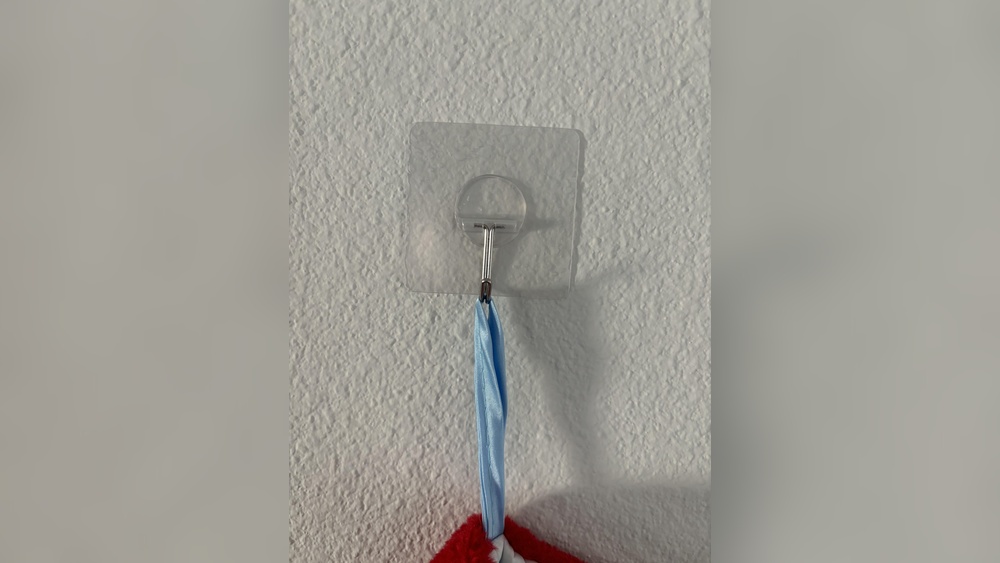
Sticky wall hooks come in different types. Each type uses a unique method to hold items on walls. Knowing the type helps in removing them safely. Here are the most common types of sticky wall hooks found in homes and offices.
Adhesive Strips
Adhesive strip hooks use sticky tape to attach to the wall. The tape is strong but designed to peel off cleanly. These strips often have a tab for easy removal. They hold light to medium weight items well. Removing them requires pulling the tab slowly downward.
Glue-based Hooks
Glue-based hooks use a sticky glue to stick firmly. This glue can be very strong and harder to remove. It sticks well on various surfaces like wood, metal, and plastic. Removing these hooks might need heat or special solvents. They are best for heavier objects but can leave residue.
Suction Hooks
Suction hooks attach by creating a vacuum seal on smooth surfaces. They do not use glue or adhesive tape. These hooks work best on glass, tiles, or mirrors. Removing suction hooks is simple—just pull the tab or edge to break the seal. They do not usually leave marks or damage.
Credit: www.youtube.com
Tools You’ll Need
Removing sticky wall hooks is easier with the right tools. These items help protect your walls and make the process smooth. Gather them before you start to save time and avoid frustration.
Hair Dryer
A hair dryer softens the glue behind the hook. Warmth loosens the adhesive, making removal less damaging. Use medium heat and move the dryer evenly over the hook area.
Dental Floss
Dental floss works like a tiny saw to cut through adhesive. Slide it gently behind the hook and move it back and forth. This action helps separate the hook from the wall cleanly.
Rubbing Alcohol
Rubbing alcohol removes sticky residue left on the wall. Dab some on a cloth and rub the area gently. It dissolves glue without harming paint or wallpaper.
Plastic Scraper
A plastic scraper lifts off leftover glue or hook pieces. Use it carefully to avoid scratching the wall surface. Its flexible edge helps clean without causing damage.
Removing Adhesive Strip Hooks
Removing adhesive strip hooks can be simple with the right steps. These hooks stick firmly but come off without damage. Follow a gentle method to avoid marks on your walls. This section shows how to remove these hooks easily and cleanly.
Heating The Adhesive
Warm the adhesive with a hairdryer. Hold the dryer close, but not too hot. Heat softens the glue under the strip. This makes it easier to pull the hook off.
Peeling Slowly
Pull the tab slowly downwards, not outwards. Stretch the strip gently along the wall. Slow peeling stops paint from peeling off. Keep steady pressure until the hook releases.
Cleaning Residue
Remove leftover sticky bits with rubbing alcohol. Dab a cloth with alcohol and rub the spot. The residue will come off without damage. Wipe the area dry after cleaning.

Credit: www.reddit.com
Removing Glue-based Hooks
Removing glue-based hooks from walls needs care to avoid damage. These hooks stick strongly using adhesive glue. The glue can leave marks or tear paint if pulled harshly. Use gentle methods to remove them safely.
Start by softening the glue to make it easier to pull off. Use tools carefully to scrape without scratching walls. Sometimes, solvents help to dissolve sticky glue. Always handle solvents with caution to protect your wall and health.
Softening The Glue
Warm the glue with a hairdryer on low heat. Hold it a few inches from the hook for one to two minutes. Heat makes the glue softer and less sticky. This step reduces the force needed to remove the hook.
Using Scraper Gently
Use a plastic scraper or old credit card. Slide it slowly under the hook’s edge. Move it back and forth to lift the hook gently. Avoid metal tools that might scratch or damage walls. Work patiently to protect the paint.
Applying Solvents Safely
Use rubbing alcohol or adhesive remover on a cloth. Dab the glue area carefully, not the wall paint. Let the solvent sit for a few minutes. The glue will start to loosen and peel away. Always test solvents on a small spot first. Ventilate the room well during this process.
Removing Suction Cup Hooks
Suction cup hooks stick to walls without nails or screws. They use air pressure to hold tight. Removing them needs care to avoid wall damage. Follow easy steps to take off suction cup hooks smoothly.
Releasing The Seal
Start by finding the small tab on the suction cup. Gently pull the tab to break the air seal. Do this slowly to avoid wall marks. If no tab is visible, use your fingernail to lift the edge. Keep pulling until the suction cup pops off.
Cleaning The Surface
After removing the hook, clean the wall area. Use a soft cloth with warm soapy water. Wipe gently to remove leftover dirt or sticky residue. Dry the surface with a clean towel. This prevents spots and keeps walls neat.
Tips To Avoid Wall Damage
Removing sticky wall hooks can be tricky without harming the wall surface. Taking care during removal keeps walls clean and smooth. Follow simple tips to protect your paint and drywall.
Test Small Areas First
Try removal methods on a small hidden spot. This shows if the wall paint or texture will stay safe. Testing avoids big mistakes later. Use gentle pressure and watch for any damage.
Avoid Harsh Chemicals
Strong chemicals can strip paint or leave stains. Choose mild solutions like warm soapy water or rubbing alcohol. These clean adhesive without hurting the wall. Harsh cleaners cause more work and repair needs.
Use Gentle Techniques
Peel the hook slowly, pulling it at an angle. Heat the adhesive with a hairdryer to soften it before removal. Use your fingers or a plastic card to lift edges carefully. Avoid scraping hard to stop scratches or dents.
Cleaning After Hook Removal
Removing sticky wall hooks leaves behind residue and marks. Cleaning the wall properly helps restore its smooth look. This step is important before repainting or decorating again. Follow these simple tips to clean the wall after removing hooks.
Removing Sticky Residue
Sticky residue can be stubborn and hard to remove. Use warm, soapy water and a soft cloth first. Rub gently in a circular motion to lift the glue. For stronger residue, try rubbing alcohol or vinegar. Apply a small amount on a cloth and rub carefully. Avoid harsh scrubbing to protect the wall paint.
Washing The Wall
After removing the residue, wash the wall with clean water. Use a sponge or soft cloth to wipe the area. This removes any leftover cleaning solution or dirt. Let the wall dry completely before the next step. Dry walls help paint or repairs stick better.
Preparing For Repainting
Check the wall for any damage like cracks or holes. Fill small holes with spackle or wall filler using a putty knife. Sand the repaired spots gently to make them smooth. Wipe away dust with a dry cloth. The wall is now ready for repainting or new decoration.

Credit: www.youtube.com
Preventing Future Damage
Preventing damage to walls from sticky hooks saves time and money. Small steps can protect your paint and drywall. Choosing the right hooks and using them well makes a big difference. Regular care keeps walls looking fresh and clean.
Choosing The Right Hooks
Select hooks made for your wall type. Some hooks suit painted walls, others work best on tiles or wood. Avoid heavy hooks for light walls. Use hooks with gentle adhesive that peel off easily. Check product labels for wall compatibility.
Proper Application Methods
Clean the wall before applying hooks. Dirt or dust can weaken the adhesive. Press the hook firmly but gently. Follow instructions on how long to hold it. Avoid placing hooks in direct sunlight or damp areas. Let the adhesive set before hanging anything.
Regular Maintenance
Check hooks often for loosening or damage. Replace hooks if they lose stickiness. Remove hooks carefully using recommended methods. Clean the wall after removal to avoid residue. Keep walls dry and avoid overloading hooks.
Frequently Asked Questions
How Do I Safely Remove Sticky Wall Hooks?
To safely remove sticky wall hooks, gently peel from one corner. Use heat from a hairdryer to soften the adhesive. Pull slowly to avoid damaging the wall. Clean any residue with rubbing alcohol or warm soapy water afterward.
What Tools Help Remove Sticky Wall Hooks Easily?
A hairdryer, dental floss, and rubbing alcohol help remove sticky wall hooks. Heat softens the adhesive. Dental floss slides between the hook and wall to break the bond. Rubbing alcohol cleans leftover residue for a smooth finish.
Can Sticky Hooks Damage My Wall Paint?
Sticky hooks can damage paint if pulled off too quickly. Applying heat softens the glue, reducing risk. Peel slowly and carefully to protect paint. Clean any sticky residue gently with rubbing alcohol or warm water to avoid paint peeling.
How To Remove Sticky Hooks Without Leaving Residue?
Use a hairdryer to warm the adhesive and soften it. Slowly peel off the hook from the wall. If residue remains, apply rubbing alcohol or soapy water to clean it. Avoid scraping, which can damage the wall surface.
Conclusion
Removing sticky wall hooks does not have to be hard or messy. Use gentle heat or oil to loosen the adhesive. Pull slowly and carefully to avoid wall damage. Clean any leftover residue with soap and water. These simple steps help keep your walls smooth and clean.
Now, you can hang or remove hooks without worry. Easy, quick, and safe—just what you need.