Is your floor feeling uneven or sinking in certain spots? Sunken floor joists can cause more damage if left unchecked, affecting your home’s safety and comfort.
You might be wondering how to fix this problem without spending a fortune on repairs. The good news is, you can learn how to lift or jack up those sunken floor joists yourself with the right guidance. You’ll discover simple, step-by-step methods to restore your floor’s strength and stability.
Keep reading to find out how to take control and bring your floors back to life!
Signs Of Sunken Floor Joists
Sunken floor joists cause serious issues in any home. Early signs help catch the problem fast. Spotting these signs can save you time and money. Knowing what to watch for is key to fixing floors properly.
Visible Floor Sagging
One clear sign is visible sagging in the floor. The floor looks like it dips or curves downward. You may notice soft spots when you walk over these areas. Sagging means the joists are losing strength and need support.
Uneven Flooring
Uneven floors are another clue. Parts of the floor feel higher or lower than others. This creates an unlevel surface that can be hard to walk on. It shows the joists have shifted or dropped over time.
Door And Window Misalignment
Doors and windows that don’t close well often signal joist problems. They may stick, rub, or leave gaps. Frames can appear tilted or crooked. This misalignment happens because the floor structure is no longer stable.
Tools And Materials Needed
Fixing sunken floor joists requires the right tools and materials. Using proper equipment makes the task safer and easier. Prepare all items before starting the project. This saves time and avoids mistakes. Below are key tools and materials needed for lifting or jacking up sunken joists.
Hydraulic Jack Options
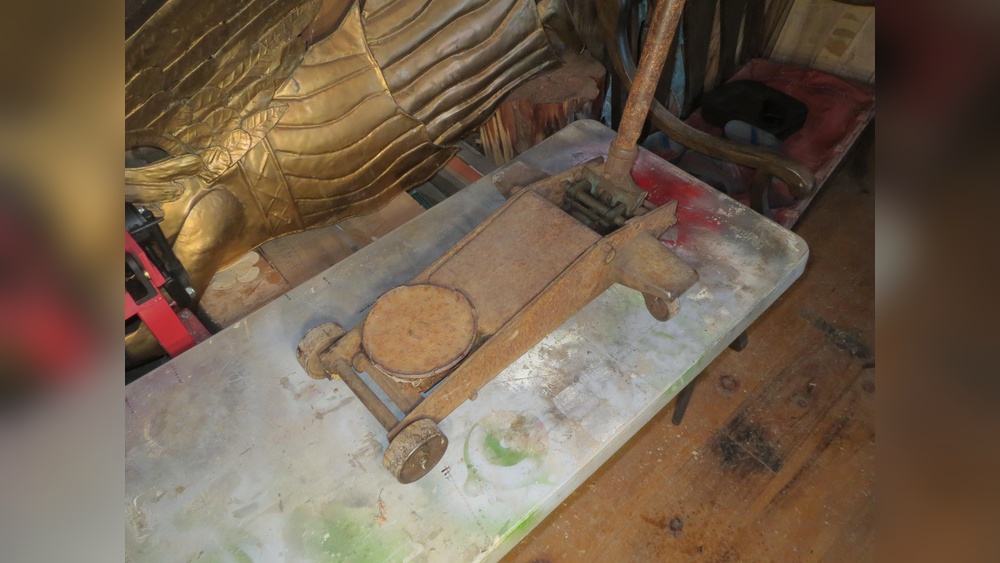
A hydraulic jack is essential for lifting joists smoothly. Choose a bottle jack or floor jack based on space. Bottle jacks fit tight spaces but need a stable base. Floor jacks provide more control and a larger lifting surface. Check the jack’s weight capacity to match the joists’ load. Using a jack with too low capacity can be dangerous.
Support Beams And Posts
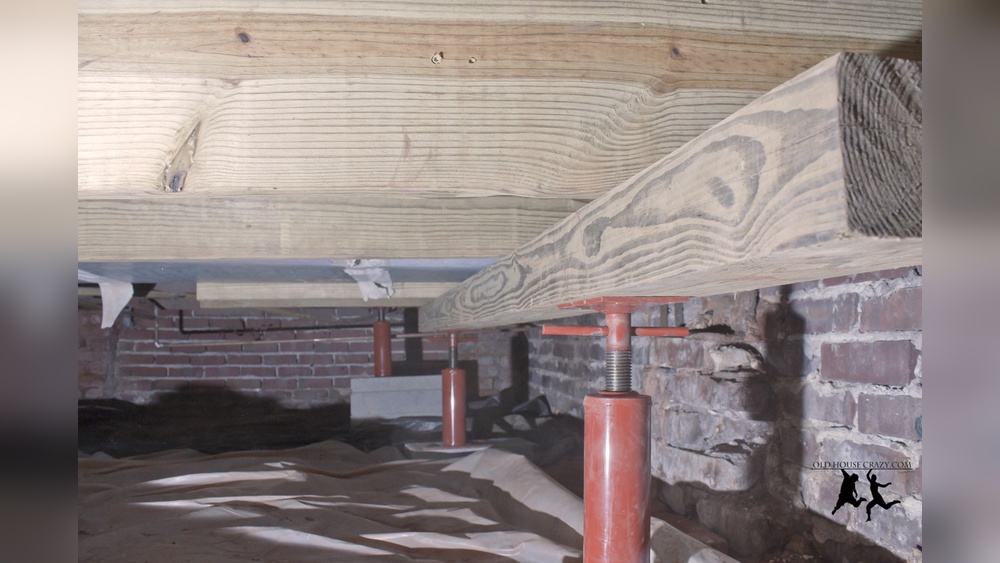
Support beams and posts hold the joist after lifting. Use solid wood beams or metal posts for strong support. Place posts under the joist near the lifted area. Adjust posts carefully to keep the floor level. Avoid using damaged or weak materials. Proper support prevents further sinking or damage.
Safety Equipment
Safety gear protects you during the lifting process. Wear gloves to avoid splinters and cuts. Use safety goggles to protect eyes from dust and debris. Hard hats protect your head in case of falling objects. Steel-toed boots offer foot protection. Have a first aid kit nearby for emergencies.
Preparing The Area
Preparing the area is the first step to safely lift or jack up sunken floor joists. Proper preparation helps you work efficiently and avoid accidents. Clear the space, find the damaged joists, and check the structure. This stage sets the foundation for a successful repair.
Clearing The Floor Space
Remove all furniture and items from the affected room. This gives you enough room to move and work freely. Sweep the floor to clear dust and debris. A clean area helps you spot problems and keeps tools from slipping.
Locating Joists And Damage
Use a stud finder or tap the floor to find joists. Joists run parallel and support the floor above. Look for cracks, sagging, or soft spots along the joists. Mark the damaged areas clearly to focus your repair work.
Assessing Structural Integrity
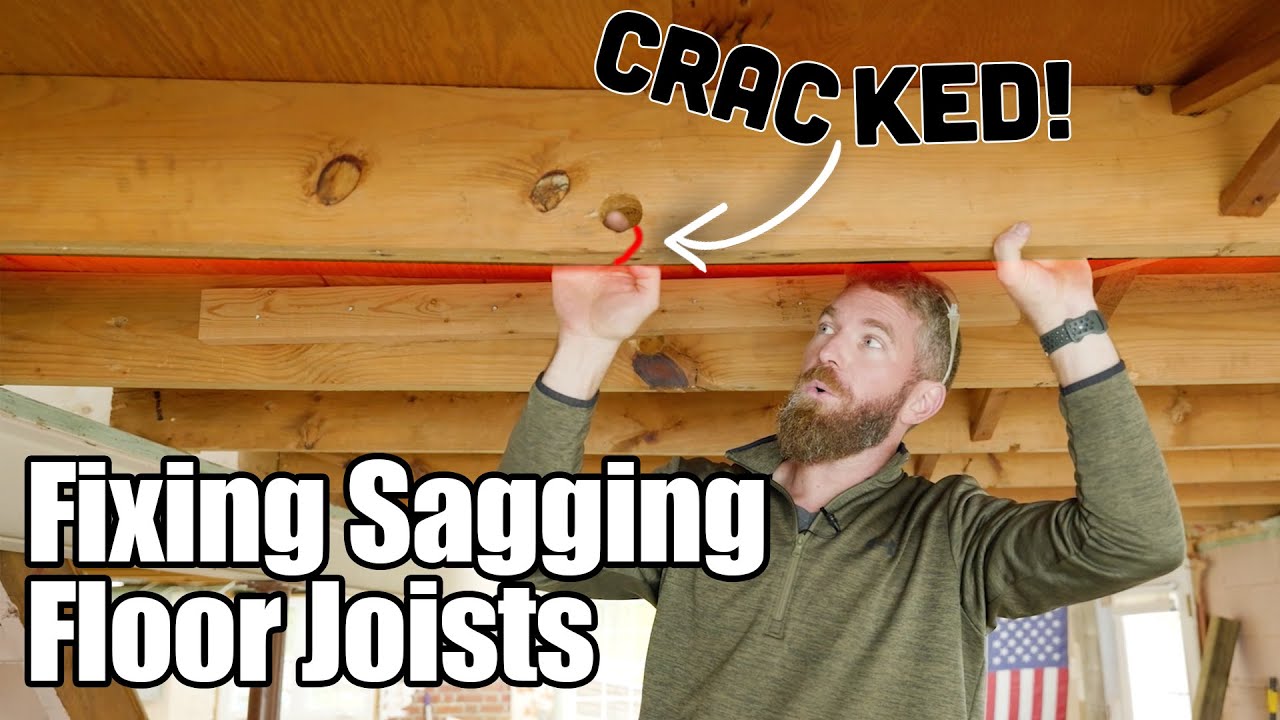
Check if the joists have deep cracks or rot. Test the joists by pressing or tapping them gently. Weak joists may need replacement, not just lifting. Look under the floor if possible to inspect beams and supports. Make sure the structure can hold the floor after lifting.
Lifting Sunken Joists Step-by-step
Lifting sunken floor joists can fix uneven floors and prevent further damage. This process requires care and clear steps to avoid harm. Follow this step-by-step guide to raise your joists safely and effectively.
Positioning The Jack
Place the jack directly under the sunken joist. Use a sturdy block or wood piece between the jack and the joist. This protects the wood from damage. Make sure the jack sits on a solid base to avoid slipping.
Applying Controlled Pressure
Slowly turn the jack handle to lift the joist. Increase pressure in small steps. Stop often to check the joist’s response. Avoid forcing the joist up quickly. This reduces the risk of cracking or breaking the wood.
Monitoring Joist Movement
Watch the joist as it rises. Look for cracks or splits in the wood. Use a level to check the joist’s height. Keep lifting until the joist is even with the floor. If the joist does not move, reassess the jack’s position and base.
Reinforcing And Securing Joists
Reinforcing and securing joists is a key step in fixing sunken floor joists. Strong joists keep floors safe and steady. Adding support prevents future sinking and damage. Use simple methods to strengthen your joists and protect your floor.
These techniques help share the weight evenly. They make your floor last longer without sagging. Follow these steps carefully to secure your joists.
Installing Sister Joists
Sister joists are new joists attached next to old ones. They add strength and fix weak spots. Cut the new joist the same length as the old one. Nail or screw them tightly together. This shares the load and stops sagging.
Adding Support Posts
Support posts hold up joists from underneath. Place posts under the lowest point of the joist. Use solid materials like wood or metal. Make sure posts stand on a stable base. Tighten posts until the joist lifts to the right level.
Using Metal Brackets
Metal brackets connect joists to beams or posts. They keep joists in place and stop movement. Choose brackets that fit your joist size. Secure brackets with screws or nails. This adds extra hold and prevents shifting or dropping.
Credit: www.youtube.com
Common Mistakes To Avoid
Fixing sunken floor joists can be tricky. Many make mistakes that slow down the process or cause more damage. Knowing what to avoid helps you work smarter and safer.
Overlifting Joists
Raising joists too high can crack walls or damage floors. Lift slowly and stop once the floor is level. Small, steady adjustments work best. Avoid rushing or forcing the joists up too fast.
Ignoring Underlying Issues
Sunken joists often mean bigger problems like rotten wood or poor soil. Fixing only the joists won’t solve the root cause. Check for moisture, pests, or weak supports first. Treat these issues to prevent future sinking.
Skipping Safety Measures
Working under heavy floors is risky. Always use proper jacks and supports. Wear safety gear like gloves and goggles. Never work alone, and keep the area clear. Safety prevents accidents and costly injuries.
Maintenance Tips For Floor Joists
Maintaining floor joists is key to keeping floors strong and level. Proper care helps avoid costly repairs and keeps your home safe. Follow simple steps to protect joists from damage and sinking.
Regular Inspections
Check floor joists at least twice a year. Look for cracks, bends, or signs of rot. Use a flashlight to see dark spots or water stains. Early spotting helps fix small problems fast. This stops damage from growing worse.
Moisture Control
Keep the area under floors dry. Use a dehumidifier in damp basements or crawl spaces. Fix leaks in pipes or roofs quickly. Proper ventilation helps air flow and lowers moisture. Dry joists last longer and stay strong.
Pest Prevention
Protect joists from insects like termites and carpenter ants. Remove wood debris near your home. Seal cracks and holes where pests enter. Use pest control treatments if needed. Healthy joists resist damage from bugs and stay solid.

Credit: oldhousecrazy.com

Credit: www.youtube.com
Frequently Asked Questions
How Do You Identify Sunken Floor Joists?
Sunken floor joists cause uneven or sagging floors. Check for visible dips or creaks when walking. Use a level to spot unevenness. Inspect joists in the crawl space or basement for damage or rot.
What Tools Are Needed To Jack Up Floor Joists?
You need a hydraulic jack, wooden blocks, a level, and safety gear. A floor jack lifts the joists gently. Wooden blocks support the joists during lifting. A level ensures proper alignment after lifting.
How Much Can Floor Joists Be Safely Lifted?
Floor joists can usually be lifted 1-3 inches safely. Over-lifting can cause damage to framing or drywall. Lift gradually and check for structural resistance. Consult a professional if unsure about lifting limits.
When Should You Repair Versus Replace Sunken Joists?
Repair is suitable for minor sagging or rot. Replace joists if they are severely damaged or cracked. Structural integrity and safety must guide your decision. A professional inspection helps determine the best approach.
Conclusion
Sunken floor joists can cause serious problems in your home. Lifting or jacking them up helps restore stability and safety. Use the right tools and follow safe steps carefully. Check joists for damage before starting any work. Take your time and work patiently for best results.
Fixing joists early saves money on bigger repairs later. Keep your floors level and strong for many years. Simple actions make your home safer and more comfortable.