Are you tired of those stubborn self-adhesive hooks ruining your walls when you try to remove them? You’re not alone.
Removing these hooks without damaging your paint or wallpaper can feel tricky. But don’t worry—there are simple, effective ways you can get rid of them cleanly and quickly. In this guide, you’ll discover easy steps to save your walls and keep your space looking fresh.
Keep reading, and you’ll never struggle with sticky hooks again!
Types Of Self Adhesive Hooks
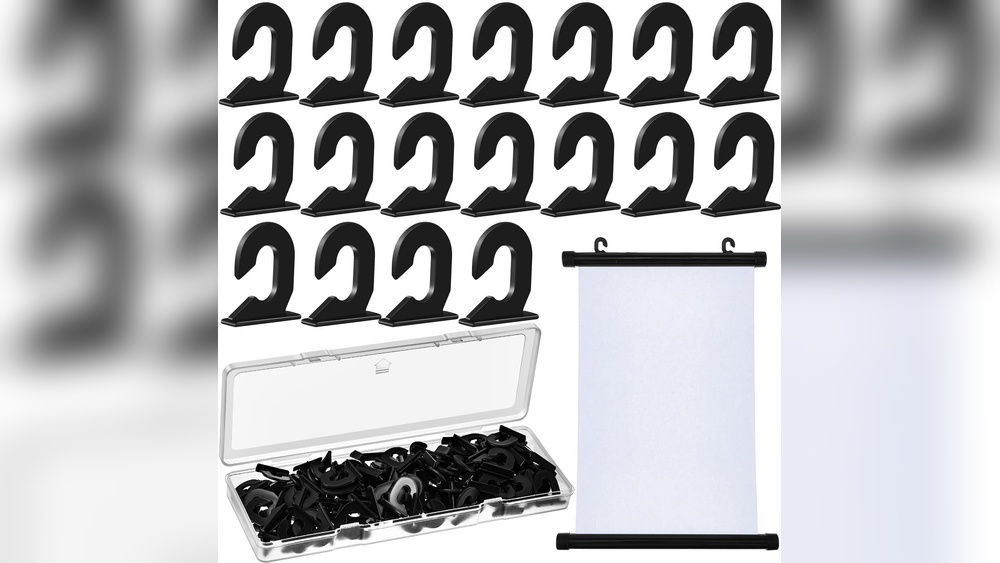
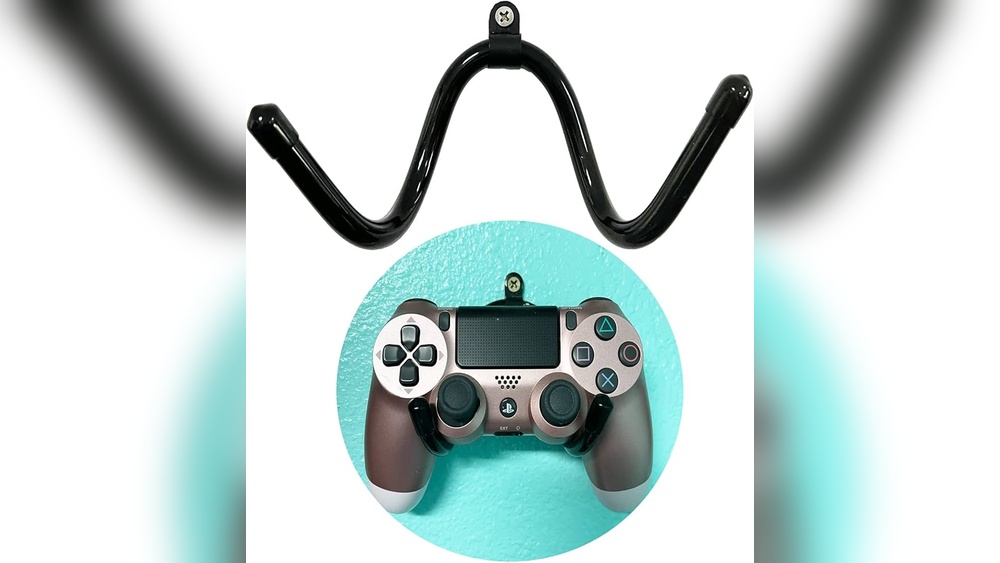
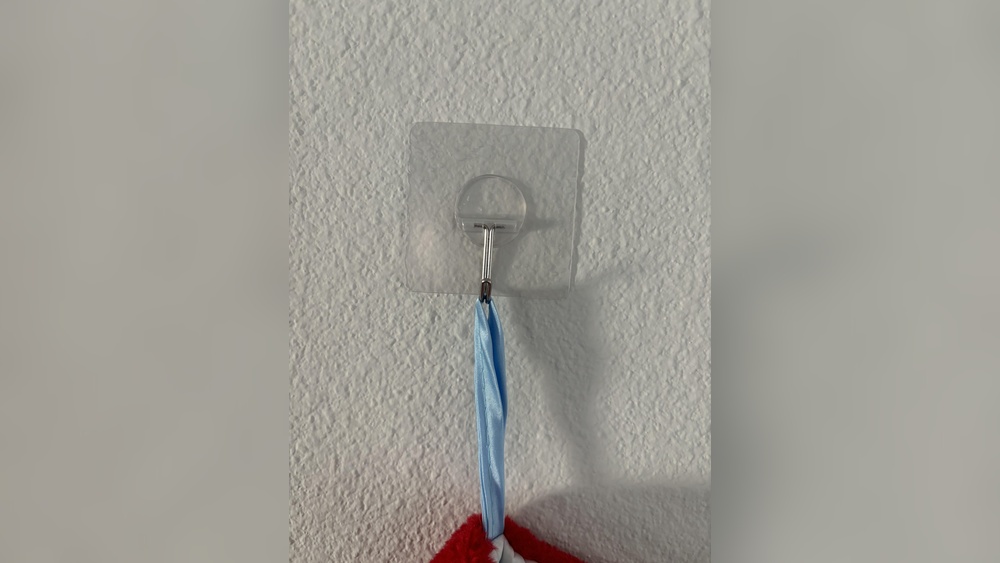
Self adhesive hooks come in many types. Each type suits different surfaces and weights. Knowing these types helps in removing them safely. It also prevents damage to your walls.
These hooks vary by the material they are made of and the kind of adhesive used. Both factors affect how strong the hook is and how easy it is to remove.
Common Materials
Self adhesive hooks often use plastic or metal. Plastic hooks are light and good for small items. They are less likely to damage walls. Metal hooks are stronger and hold heavier things. They may leave marks if removed carelessly.
Some hooks have a rubber or silicone base. This helps them stick better and reduces wall damage. The material affects the hook’s durability and how it can be cleaned.
Adhesive Varieties
The adhesive on hooks varies in strength and type. Some use gel-based adhesives that are easy to peel off. Others use stronger glue for heavy loads. Strong adhesives may leave residue on walls.
Removable adhesives allow hooks to come off cleanly. Permanent adhesives stick tightly and are harder to remove. Knowing the adhesive type guides you in choosing the right removal method.
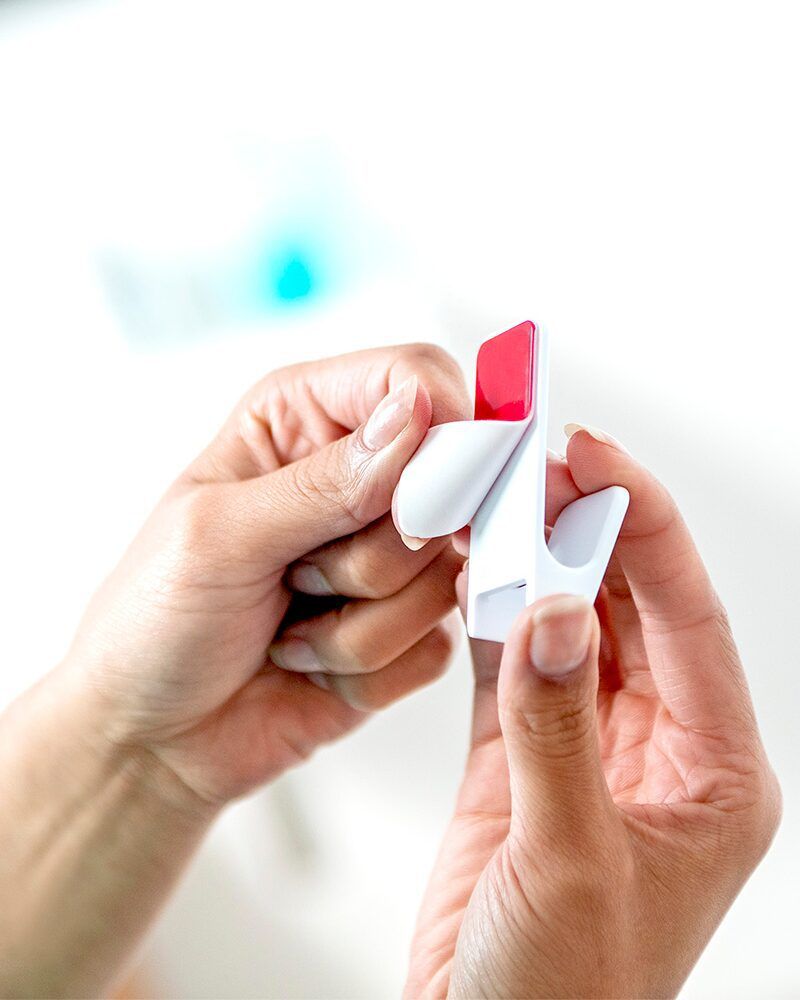
Credit: www.velcro.com
Preparing For Removal
Preparing for the removal of self-adhesive hooks helps protect your wall and makes the process easier. Taking a few simple steps before you start can prevent damage and save time. Getting ready is important to keep your wall smooth and clean.
Gathering Tools
Collect basic tools before starting. You will need dental floss or fishing line to slide behind the hook. A hairdryer helps soften the adhesive for easier removal. Have a soft cloth or sponge ready to clean the wall after removing the hook. Keep some rubbing alcohol or adhesive remover nearby for any sticky residue. Preparing all tools beforehand ensures a smooth removal process.
Protecting The Wall
Protect the wall by working gently. Avoid pulling the hook too hard to stop paint from peeling. Use the hairdryer on low heat to warm the adhesive. This softens the glue without hurting the wall. Slide the floss slowly behind the hook to separate it from the surface. After removal, clean the area with a damp cloth to remove any dirt or marks. Taking these steps keeps your wall safe and looking good.
Step-by-step Removal Methods
Removing self-adhesive hooks from walls can be tricky. Using the right method helps avoid damage to your paint or wallpaper. Follow these step-by-step methods to take the hooks off safely and cleanly.
Peeling Off Slowly
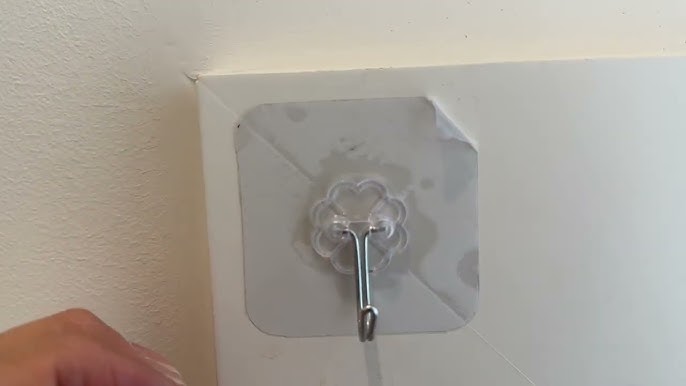
Start by holding the hook base firmly. Pull the hook gently away from the wall. Stretch the adhesive strip downwards, not outwards. Pull slowly and steadily to avoid tearing. This method works best for newer hooks. If the hook resists, stop and try another way.
Using Heat For Softening Adhesive
Heat softens the glue, making removal easier. Use a hairdryer on low heat. Aim the warm air at the adhesive for about 30 seconds. Test the hook by pulling it gently. The adhesive will stretch and release more easily. Avoid overheating to protect your wall surface.
Applying Dental Floss Technique
Take a piece of dental floss or thin string. Slide it behind the hook base gently. Use a sawing motion to cut through the adhesive. Keep flossing slowly until the hook frees from the wall. This method prevents damage and is good for delicate surfaces.

Credit: www.youtube.com
Removing Residue Safely
Removing adhesive residue from walls can be tricky. The goal is to clean the wall without damaging the paint or surface. Using gentle methods keeps walls safe and looking good. This section covers easy ways to remove sticky leftovers after taking off self-adhesive hooks.
Using Mild Solvents
Mild solvents break down sticky glue safely. Rubbing alcohol or vinegar works well. Dampen a soft cloth with a little solvent. Gently rub the residue until it loosens. Avoid soaking the wall to prevent damage. Test the solvent on a small area first. This checks for any color change or damage.
Cleaning With Soap And Water
Soap and water is a simple, safe option. Mix warm water with a few drops of mild dish soap. Use a soft sponge or cloth to clean the sticky spot. Rub gently in circular motions. Rinse with clean water afterward. Dry the area with a soft towel. This method removes residue without harsh chemicals.
Preventing Wall Damage
Removing self-adhesive hooks from walls needs care. The goal is to keep your wall smooth and clean. Scratches, paint peeling, or holes can happen if you are not careful. Taking small steps helps protect your wall’s surface.
Avoiding Scraping Tools
Scraping tools can damage your wall easily. They may leave marks or remove paint. Use gentle methods like peeling the hook slowly. Soft cloths or your fingers work better. This approach reduces the risk of damage.
Testing Adhesive On Small Areas
Test the adhesive on a small hidden spot first. This shows how the wall reacts. Some adhesives might peel off paint. If the test area stays clean, proceed with removal. If not, use a gentler method or special remover.
Credit: www.youtube.com
Tips For Reusing Hooks
Reusing self-adhesive hooks saves money and reduces waste. Proper care helps hooks stick well again. Follow simple steps to keep hooks effective after removal. Careful cleaning and fresh adhesive make a big difference.
Cleaning Hooks Properly
Remove any dirt or sticky residue from the hook. Use warm water and mild soap to clean it. Gently scrub with a soft cloth or sponge. Rinse thoroughly and let the hook dry completely. Avoid harsh chemicals that can damage the surface. Clean hooks hold new adhesive better and last longer.
Reapplying New Adhesive
Replace the old adhesive with a fresh sticky pad or tape. Cut the adhesive to fit the hook size exactly. Peel off the protective backing carefully to avoid losing stickiness. Press the adhesive firmly onto the hook surface. Wait a few minutes before attaching the hook to the wall. This helps the adhesive bond strongly to the hook and wall.
Frequently Asked Questions
How Do I Safely Remove Self Adhesive Hooks?
To remove self adhesive hooks, gently pull the tab slowly along the wall. Avoid yanking to prevent damage. Use heat from a hairdryer to soften the adhesive for easier removal if needed.
Can I Reuse Self Adhesive Hooks After Removal?
Most self adhesive hooks lose their stickiness once removed. It’s best to replace the adhesive strip or use new hooks for a secure hold.
What If The Hook Damages My Wall Paint?
If paint peels off, gently clean the area with warm soapy water. Use touch-up paint or wall repair kits to fix minor damage.
How To Remove Sticky Residue Left By Hooks?
Use rubbing alcohol or adhesive remover on a cloth. Rub the residue gently until it dissolves. Avoid harsh chemicals that damage wall surfaces.
Conclusion
Removing self-adhesive hooks from walls does not have to be hard. Use gentle heat or slow pulling to protect your paint. Take your time and avoid rushing the process. Clean the wall afterward to remove any sticky residue. This keeps your walls looking fresh and neat.
Following these simple steps helps you remove hooks safely. Now, your walls stay damage-free and ready for new decor.