If you have a crawl space in your home, you probably know how important floor jacks are for keeping everything secure and stable. But do you know the best way to keep your floor jacks in good shape down there?
You might be surprised how simple steps can save you time, money, and frustration. You’ll learn practical tips to maintain your floor jacks, avoid common problems, and make sure your crawl space stays safe and strong. Keep reading—your home’s foundation depends on it!
Credit: www.baycrawlspace.com
Choosing The Right Floor Jacks
Choosing the right floor jacks is key to safely supporting your crawl space. The right jack keeps the structure stable and prevents damage. It also makes the job easier and faster. Picking the wrong one can cause accidents or structural problems. This section explains how to select the best floor jacks for your crawl space needs.
Types Suitable For Crawl Spaces
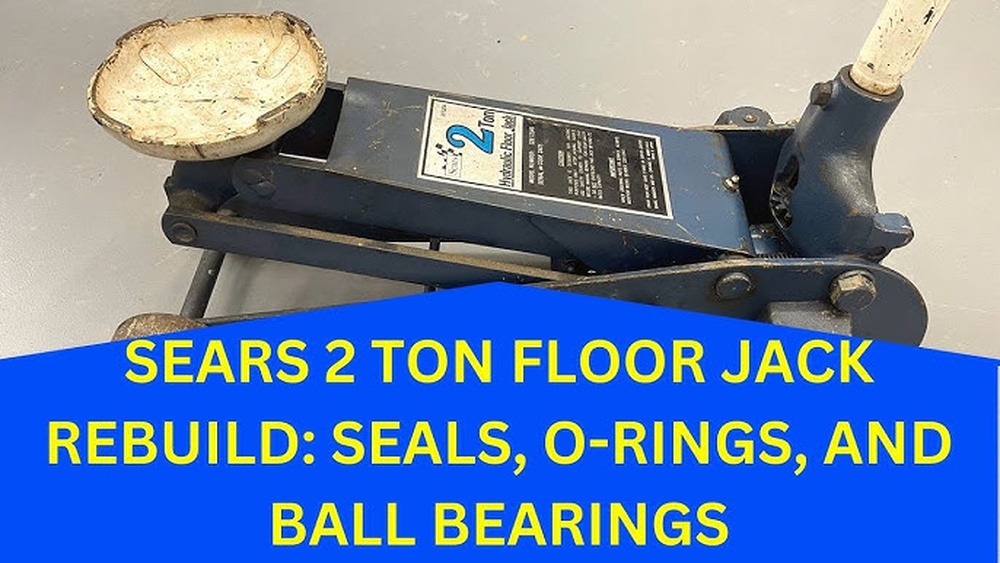
Steel screw jacks are common for crawl spaces. They offer good support and are easy to adjust. Hydraulic jacks work well but need more space and care. Bottle jacks fit tight areas but may not hold weight long-term. Choose jacks that fit the crawl space size and shape. Stability matters most to avoid slips or shifts.
Material Considerations
Steel jacks are strong and resist bending. They last longer in damp crawl spaces. Aluminum jacks are lighter but may not hold heavy loads. Avoid jacks that rust or corrode easily. A rust-resistant finish helps in wet environments. Pick materials that stand up to crawl space conditions.
Weight Capacity Selection
Check the floor jack’s weight limit before buying. The jack must support the load without strain. Calculate the load from the floor or beams above. Choose a jack with a higher capacity than the load. This adds a safety margin. Overloading can cause jack failure and damage.

Credit: www.gothrasher.com
Preparing The Crawl Space Environment
Preparing the crawl space environment is essential to keep floor jacks safe and functional. This area can be damp, cold, and poorly ventilated. These conditions can cause rust and damage to your tools. Creating a clean, dry, and stable space will extend the life of your floor jacks and make maintenance easier.
Focus on moisture control, temperature management, and proper ventilation. These factors help protect your equipment and improve the overall condition of the crawl space.
Moisture Control Techniques
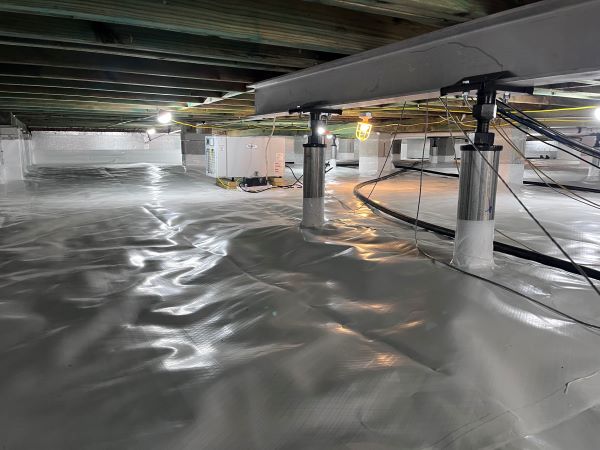
Moisture is the biggest enemy of floor jacks stored in crawl spaces. Use a vapor barrier on the ground to stop water from rising. Seal any cracks or leaks in the foundation walls to keep water out. Consider a dehumidifier to lower humidity levels. Keep the crawl space dry to prevent rust and corrosion on metal parts.
Temperature Management
Extreme temperatures can affect floor jacks and their components. Insulate the crawl space walls and pipes to keep the temperature steady. Avoid freezing temperatures as they can cause metal to crack or weaken. Use a space heater safely if needed to maintain a warmer environment during cold months.
Ventilation Importance
Good airflow helps reduce moisture and temperature extremes. Install vents to allow fresh air to circulate. Make sure vents are not blocked by debris or insulation. Use fans if natural ventilation is not enough. Proper ventilation prevents mold growth and keeps the air fresh around your floor jacks.
Proper Storage Practices
Proper storage practices help keep floor jacks safe and ready for use. Crawl spaces can be damp and dirty. This environment can cause rust and damage to your tools. Storing floor jacks correctly extends their life and keeps them working well.
Elevating Floor Jacks From Ground
Keep floor jacks off the ground to avoid moisture damage. Use wooden pallets or shelves to lift them. Elevation stops rust and prevents dirt buildup. It also makes cleaning easier and keeps jacks dry.
Using Protective Covers
Cover floor jacks to protect them from dust and moisture. Use plastic or cloth covers that fit well. Covers shield jacks from rust and dirt. They also prevent grease and oil from attracting dust.
Organizing For Easy Access
Arrange floor jacks neatly for quick access. Store them by size or type on shelves or hooks. Label each spot to save time. Organization reduces clutter and prevents damage from stacking.
Maintenance Tips For Longevity
Proper care extends the life of floor jacks in your crawl space. Good maintenance keeps them working safely and smoothly. Small tasks done regularly stop major problems later. Follow these tips for long-lasting floor jacks.
Regular Cleaning Routines
Remove dirt and dust often. Use a dry cloth or soft brush. Avoid water to prevent rust. Clean after every use or at least once a month. Clear debris around moving parts to keep them free.
Lubrication And Rust Prevention
Apply light machine oil to joints and screws. This reduces friction and stops parts from sticking. Use a rust-resistant spray on metal surfaces. Keep jacks dry to prevent rust buildup. Wipe off moisture immediately if found.
Inspection For Wear And Damage
Check for cracks, bends, or worn parts regularly. Look at the hydraulic fluid level if applicable. Replace damaged parts quickly to avoid accidents. Test the jack’s lifting power before each use. Catching problems early keeps the jack reliable and safe.
Safety Measures While Using Floor Jacks
Using floor jacks in a crawl space can be risky without proper safety measures. These tools help lift heavy objects but can cause accidents if not handled right. Following safety steps keeps you safe and protects your property.
Stable Placement Guidelines
Place the floor jack on a flat, solid surface. Avoid soft or uneven ground. Use wooden blocks if the ground is rough. Make sure the jack does not wobble before lifting. Check for any cracks or damage on the jack. Keep the jack handle clear to avoid slips.
Load Distribution Tips
Position the load evenly on the jack’s saddle. Balance the weight to prevent tipping. Do not overload beyond the jack’s capacity. Lift slowly and watch the load’s movement. Use additional supports like jack stands for safety. Never rely on the jack alone to hold the weight.
Emergency Preparedness
Have a phone nearby for quick help. Keep a flashlight handy for dark crawl spaces. Know the location of the nearest exit. Wear gloves and safety glasses to protect yourself. Be ready to lower the jack quickly if needed. Stay calm and focused during lifting tasks.

Credit: www.carolinabasementsystems.com
Frequently Asked Questions
How Do I Store Floor Jacks In A Crawl Space?
Store floor jacks on a dry, flat surface in your crawl space. Use a waterproof container or cover them with plastic to prevent rust. Regularly check for moisture and clean the jacks before storage to maintain their condition.
What Maintenance Is Needed For Floor Jacks In Crawl Spaces?
Clean floor jacks after each use to remove dirt and debris. Lubricate moving parts regularly to prevent rust and ensure smooth operation. Inspect for damage or wear and store them in a dry, well-ventilated crawl space.
Can Moisture Damage Floor Jacks In Crawl Spaces?
Yes, moisture can cause rust and corrosion on floor jacks. Keep jacks elevated off the ground and use moisture barriers or dehumidifiers in the crawl space. Regularly inspect and maintain jacks to avoid damage.
How Often Should I Inspect Floor Jacks In Crawl Spaces?
Inspect floor jacks monthly or after heavy use. Check for rust, leaks, and structural damage. Proper inspection ensures safety and prolongs the lifespan of your equipment in crawl spaces.
Conclusion
Keeping floor jacks in your crawl space clean and dry helps them last longer. Store them on a raised platform to avoid moisture damage. Regularly check for rust and oil leaks to keep them working well. Simple care saves time and money on repairs.
A little effort keeps your floor jacks safe and ready to use. Easy steps protect your tools and make your work easier. Don’t forget—good storage means strong, reliable floor jacks every time.