Looking to boost your home’s security with a Baldwin deadbolt? You’ve made a smart choice.
But now, the big question: how do you install it correctly? Don’t worry—this guide will walk you through every step, making the process simple and stress-free. By the end, you’ll have a strong, reliable lock protecting your door, giving you peace of mind.
Keep reading, because your home’s safety is worth getting right the first time.

Credit: www.youtube.com
Choosing The Right Baldwin Deadbolt
Choosing the right Baldwin deadbolt is key for home security. It protects your door and adds peace of mind. Baldwin offers many styles and features. Understanding your options helps you pick the best one for your needs. This guide breaks down the types, features, and tools for easy installation.
Types Of Baldwin Deadbolts
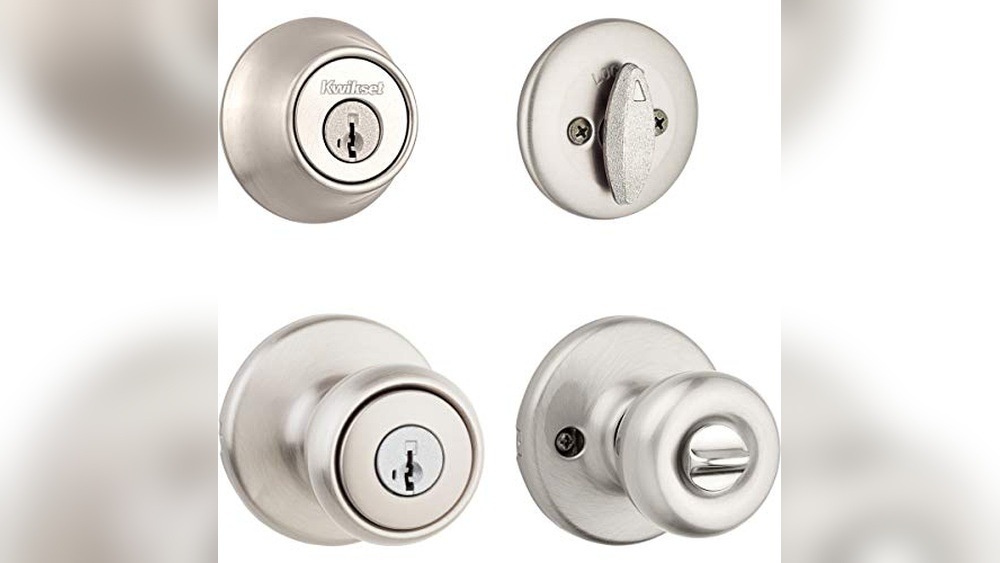
Baldwin deadbolts come in single-cylinder and double-cylinder designs. Single-cylinder deadbolts use a key outside and a thumb turn inside. Double-cylinder deadbolts need a key on both sides. Choose based on your door type and safety needs. Some models have electronic keypads for keyless entry. Others focus on traditional lock-and-key mechanisms. Consider the door material and location when picking a type.
Features To Consider
Look for solid construction and durable materials like brass or steel. Pick a deadbolt with a long throw bolt for better security. Check if the lock fits your door’s thickness. Some Baldwin deadbolts have smart technology for remote access. Others offer easy rekeying options. Choose finishes that match your door hardware for a neat look.
Tools Needed For Installation
You need a screwdriver, drill, and tape measure for installation. A chisel helps adjust the door frame if needed. Have screws and a pencil ready for marking. A level ensures the lock goes in straight. Most Baldwin deadbolts come with installation instructions and templates. Use these tools to make the process smooth and precise.

Credit: www.baldwinhardware.com
Preparing Your Door For Installation
Preparing your door for Baldwin deadbolt installation sets the stage for smooth work. This step ensures the lock fits well and works safely. Take your time to prepare carefully. It helps avoid mistakes and saves effort later.
Measuring Door Thickness
Measure your door’s thickness using a tape measure. Baldwin deadbolts fit doors from 1 3/8 to 2 inches thick. Check if your door matches this range. Accurate measurement prevents buying wrong parts. Note the thickness before starting any drilling.
Marking Drill Points
Mark where to drill holes on the door. Use the Baldwin template for exact spots. Place the template at the right height on the door edge. Use a pencil to mark the center of each hole. Correct markings make drilling easier and precise.
Removing Old Hardware
Remove any old locks or deadbolts from the door. Use a screwdriver to take out screws carefully. Clean the surface to remove dirt and paint. A clean door edge and face help the new lock fit tightly. Check for any damage and repair if needed.
Installing The Deadbolt Lock
Installing the Baldwin deadbolt lock is a straightforward task. It improves your door’s security and gives you peace of mind. This guide breaks down the installation into clear steps. Follow them carefully for best results.
Drilling Holes
Start by marking the spots for drilling on your door. Use the template that comes with the lock. Ensure the hole for the deadbolt is at the right height. Drill a hole through the door face. Use a drill bit that matches the lock size. Next, drill a hole on the door edge for the bolt. Clean any wood chips or dust from the holes.
Fitting The Deadbolt Mechanism
Insert the deadbolt into the hole on the door edge. Make sure the bolt slides smoothly. Align the bolt faceplate with the door edge. Secure the faceplate with screws included in the package. Test the bolt by turning the thumb turn or key. It should move without sticking or jamming.
Securing The Exterior And Interior Plates
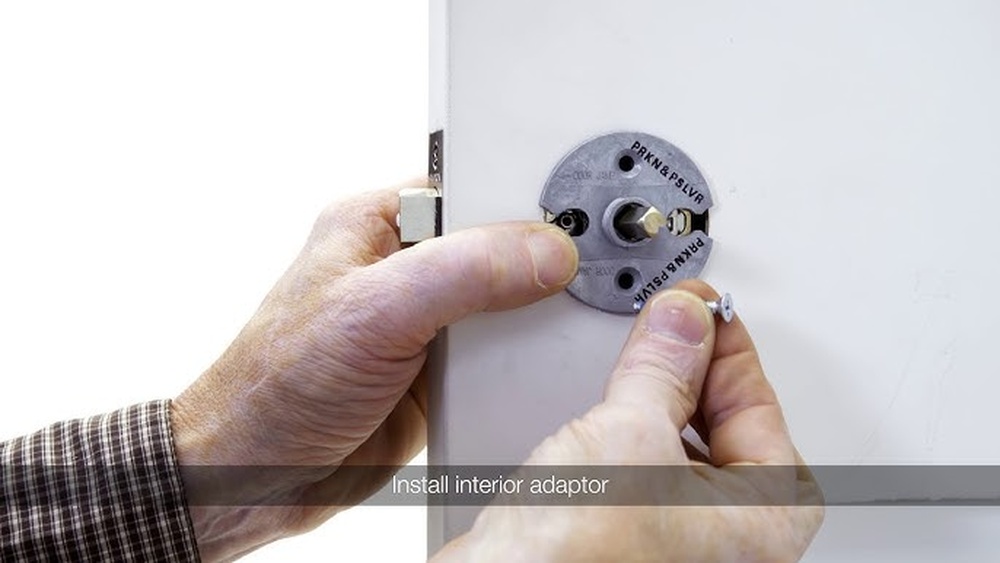
Place the exterior plate with the keyhole on the outside of the door. Feed the tailpiece through the deadbolt mechanism. Attach the interior plate with the thumb turn on the inside. Align both plates so screw holes match perfectly. Insert screws and tighten them evenly. Check that the lock operates smoothly from both sides.
Testing And Adjusting The Deadbolt
Testing and adjusting the Baldwin deadbolt is key to ensure it works well. A properly installed deadbolt protects your home and offers smooth locking and unlocking. This step confirms the lock fits perfectly and operates without issues.
Checking Lock Alignment
Start by closing the door slowly. Watch how the deadbolt aligns with the strike plate. The bolt should slide easily into the hole without force. Misalignment can cause the lock to stick or not secure fully.
Check both door and frame edges. They should line up evenly. If not, the deadbolt may not reach the strike plate correctly. Small shifts can cause big problems in lock function.
Adjusting Strike Plate
Loosen the screws on the strike plate slightly. Move it up, down, left, or right to improve alignment. Test the bolt movement after each adjustment. Tighten screws once the bolt fits cleanly into the plate.
Sometimes, you may need to enlarge the hole in the strike plate. Use a metal file or drill carefully. This helps the deadbolt slide in without resistance.
Ensuring Smooth Operation
Turn the key or thumb turn several times. The deadbolt should move smoothly without sticking. Lubricate the bolt and keyhole with graphite or silicone spray if it feels stiff.
Check the door’s movement too. It should open and close easily with the deadbolt retracted. Adjust hinges if the door binds or sags. Smooth operation means better security and longer lock life.
Maintaining Your Baldwin Deadbolt
Maintaining your Baldwin deadbolt keeps it working smoothly and lasts longer. Simple care steps prevent problems and ensure security. Regular checks and cleaning save time and money.
Lubrication Tips
Use graphite or silicone spray to lubricate your deadbolt. Avoid oil-based lubricants; they attract dust and dirt. Apply a small amount inside the keyhole and on moving parts. Turn the key several times to spread lubricant evenly. Do this twice a year for best results.
Regular Inspection
Check your deadbolt for wear or damage often. Look for loose screws or parts that move oddly. Test the lock by turning the key and knob. Make sure the bolt slides smoothly into the strike plate. Tighten any loose screws to keep the lock stable.
Troubleshooting Common Issues
If the key sticks, clean the keyhole and lubricate it. If the bolt won’t slide, check the strike plate alignment. Adjust the strike plate if the bolt hits the frame. Replace worn or broken parts immediately to avoid lock failure. Call a locksmith if problems continue after basic fixes.

Credit: level.co
Frequently Asked Questions
How Do I Install A Baldwin Deadbolt Lock?
To install a Baldwin deadbolt, first remove the old lock. Align the new deadbolt with door holes. Secure it with screws. Test the lock for smooth operation. Follow the included instructions for specific model details.
What Tools Are Needed For Baldwin Deadbolt Installation?
You need a screwdriver, drill, tape measure, pencil, and chisel. These tools help align and secure the deadbolt properly. Having them ready ensures a smooth installation process.
Can I Install A Baldwin Deadbolt Myself?
Yes, Baldwin deadbolts are designed for DIY installation. Follow the step-by-step guide carefully. Ensure accurate measurements and secure screws tightly. If unsure, consult a locksmith for assistance.
How Long Does Baldwin Deadbolt Installation Take?
Installation typically takes 30 to 60 minutes. Time depends on your experience and door type. Preparing tools and reading instructions beforehand speeds up the process.
Conclusion
Installing a Baldwin deadbolt is simple and quick. Follow each step carefully to ensure proper fit. A secure lock helps keep your home safe. Take your time and double-check your work. Tools are basic and easy to use. You can do this yourself without extra help.
Enjoy the peace of mind that comes with security. Stay safe and protect what matters most.