Securing your home starts with a strong front door lock. If you want to feel safer and protect your loved ones, installing a deadbolt lock is one of the best steps you can take.
You might think it’s complicated or expensive, but you can do it yourself with just a few tools and easy instructions. In this guide, you’ll learn exactly how to install a deadbolt lock on your front door quickly and confidently.
Keep reading to take control of your home’s security today.
Choosing The Right Deadbolt
Choosing the right deadbolt is important for your front door’s security. It keeps your home safe and gives peace of mind. Picking the best deadbolt means knowing the types and what fits your needs.
Types Of Deadbolt Locks
Single-cylinder deadbolts use a key outside and a thumb turn inside. They are easy to use and common in homes.
Double-cylinder deadbolts need a key on both sides. They add extra security but can be tricky in emergencies.
Keyless deadbolts use a code or fingerprint. No keys to lose. Good for people who want convenience and safety.
Factors To Consider
Think about your door material. Metal and wood doors need strong locks.
Check the lock’s grade. Grade 1 is the strongest, Grade 3 the least.
Consider your family’s needs. Kids or elderly may find some locks hard to use.
Look at the lock’s finish. It should match your door and resist weather.

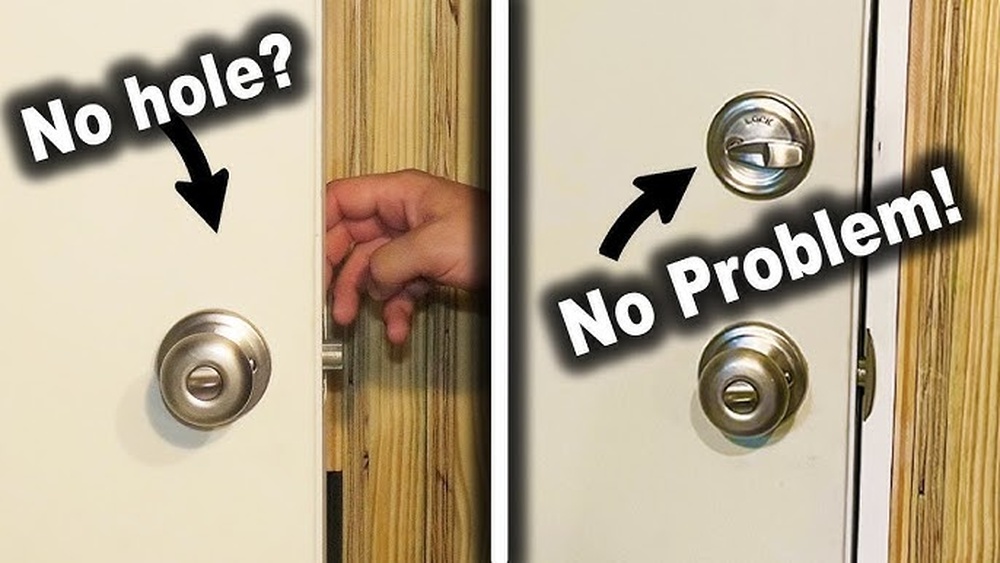
Credit: www.youtube.com
Tools And Materials Needed
Installing a deadbolt lock on your front door requires a few basic tools and materials. Having everything ready makes the process smooth and fast. Prepare these items before you start.
Deadbolt Lock Kit
The lock kit includes the deadbolt, strike plate, screws, and keys. Choose a quality deadbolt for better security. Check the package to ensure all parts are included.
Drill And Drill Bits
A power drill helps make precise holes in the door. Use drill bits that match the lock size. A hole saw bit is often needed for the main hole.
Screwdriver
A screwdriver is necessary to fasten screws securely. Use a flathead or Phillips screwdriver depending on the screws in your kit. A good grip reduces the chance of stripping screws.
Measuring Tape And Pencil
Measure and mark the exact spot for the lock installation. Accurate measurements ensure the lock fits perfectly. A pencil helps mark drilling points clearly.
Chisel
A chisel shapes the door and frame for the lock and strike plate. It helps create clean, flush surfaces. Use it carefully to avoid damaging the door.
Safety Gear
Wear safety glasses to protect your eyes from dust and debris. Gloves can protect your hands while handling tools. Safety first during any installation work.
Preparing The Door
Preparing the door is the first step in installing a deadbolt lock. It ensures the lock fits perfectly and works smoothly. Taking time to prepare helps avoid mistakes during installation. You need the right tools and a clear plan. Follow each step carefully for the best results.
Measuring And Marking
Start by measuring the height for the deadbolt on the door. Usually, it is about 6 to 12 inches above the doorknob. Use a tape measure to find the exact spot. Mark the center point clearly with a pencil. Check the door’s thickness to ensure the lock fits well.
Drilling The Holes
Use a drill to make holes for the lock and latch. Drill the main hole through the door at the marked center. Then, drill a smaller hole on the door edge for the latch. Keep the drill steady and straight for a clean hole. Remove any wood chips or dust before moving to the next step.
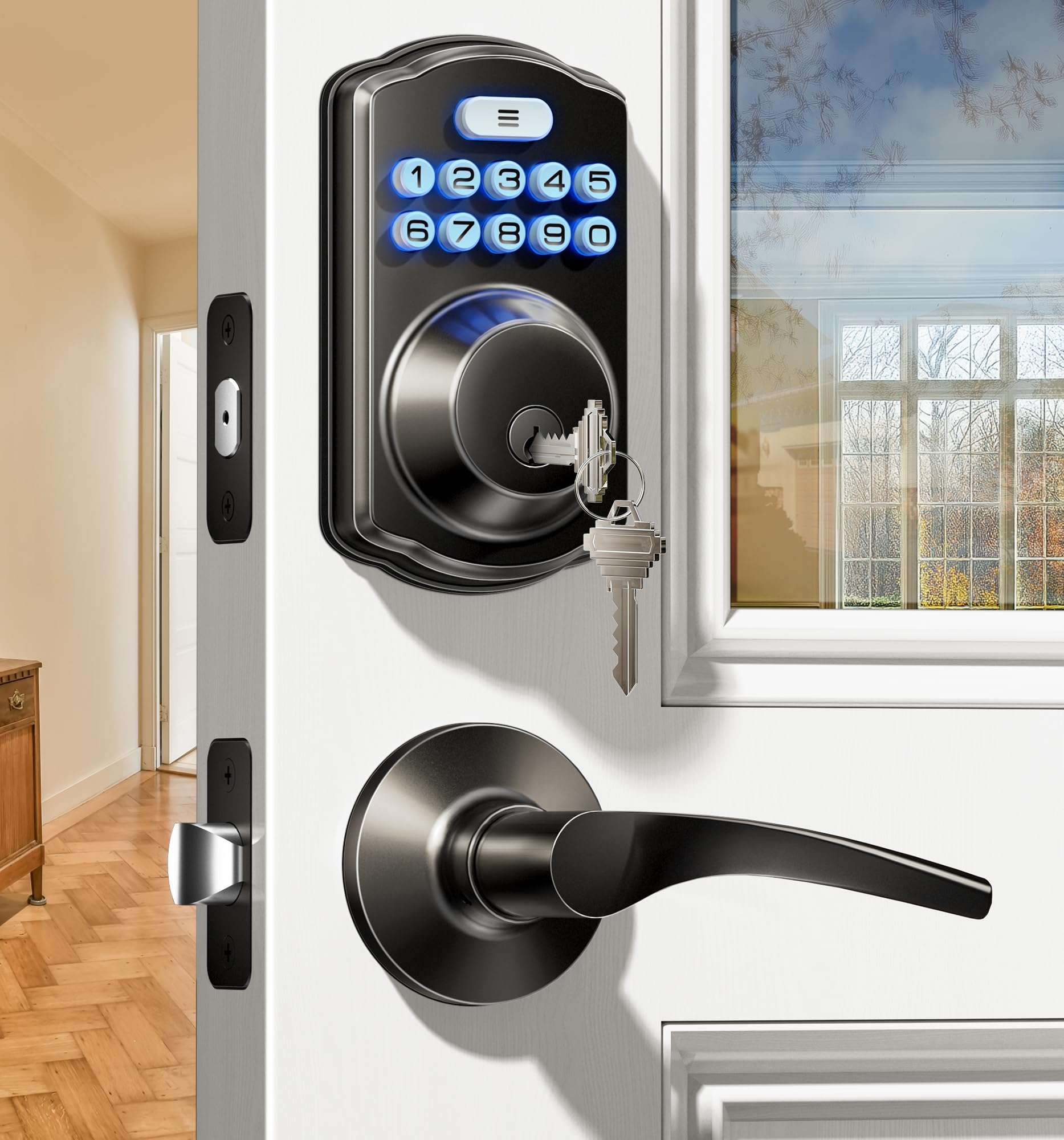
Credit: iveise.com
Installing The Deadbolt Mechanism
Installing the deadbolt mechanism is a key step in securing your front door. It involves placing the lock cylinder and securing the deadbolt properly. This ensures the lock works smoothly and offers strong protection.
Follow each step carefully. A well-installed deadbolt adds extra safety to your home.
Fitting The Lock Cylinder
Start by inserting the lock cylinder through the hole in the door. Align it so the keyhole faces outside. Make sure it fits snugly and does not wobble.
Connect the cylinder to the internal parts inside the door. Check that the tailpiece goes through the latch mechanism properly. This part moves the bolt when you turn the key.
Use screws to fix the cylinder to the door. Tighten them just enough to hold the lock firmly. Avoid over-tightening as this can damage the lock or door.
Securing The Deadbolt
Slide the deadbolt into the door edge, fitting it into the latch hole. The bolt must move smoothly without sticking. Test it by turning the key or thumb turn inside.
Attach the faceplate over the deadbolt on the door edge. Use screws to hold it in place. The faceplate keeps the bolt steady when locked.
Double-check all parts are tight and aligned. Open and close the door, locking and unlocking several times. Ensure the deadbolt slides fully and locks securely.
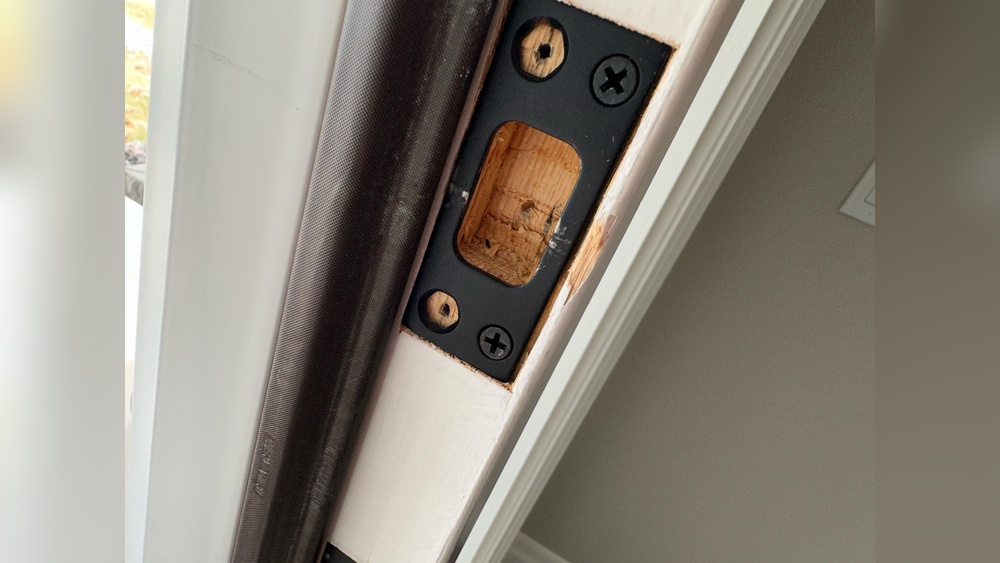
Attaching The Strike Plate
Attaching the strike plate is a key step in installing a deadbolt lock. The strike plate holds the bolt securely in the door frame. A correctly placed and fastened strike plate ensures your door locks tightly and stays safe. Take your time with this step for the best results.
Positioning The Plate
First, align the strike plate with the hole in the door frame. The bolt should fit perfectly into the plate’s hole. Mark the screw holes with a pencil. Check the plate sits flat against the frame. Adjust the plate if the bolt does not slide in smoothly.
Fastening With Screws
Use screws that came with the lock or strong wood screws. Drive the screws into the marked holes carefully. Tighten the screws until the plate is secure but not bent. Avoid over-tightening to prevent damage. The plate must stay flush with the frame for proper function.
Testing The Lock
Testing the lock after installation is key to ensure your deadbolt works correctly. This step helps avoid future problems with security and convenience. Spend time making sure the lock turns smoothly and fits the door snugly. A well-tested lock keeps your home safe and gives you peace of mind.
Checking Lock Functionality
Turn the key or thumb turn several times. The lock should move easily without sticking. Check if the bolt extends fully into the door frame. Try locking and unlocking from both sides of the door. Listen for any unusual sounds or resistance. Make sure the door closes and locks firmly every time.
Adjusting If Necessary
If the lock feels tight or hard to turn, adjustments are needed. Loosen screws slightly and realign the lock or strike plate. Test the lock again after each small adjustment. Sometimes sanding the door edge or strike plate area helps. Keep adjusting until the lock moves smoothly and locks securely.
Maintenance Tips
Keeping a deadbolt lock in good shape helps protect your home. Regular care makes the lock work smoothly and last longer. Simple steps can prevent problems and keep your door secure.
Lubrication
Use a graphite or silicone spray to lubricate the lock. Avoid oil-based products; they attract dust and dirt. Spray inside the keyhole and on the bolt. Move the key in and out to spread the lubricant. Do this twice a year to keep parts moving well.
Regular Inspection
Check your deadbolt often for signs of wear or damage. Look for loose screws or misaligned parts. Make sure the bolt slides smoothly into the door frame. Tighten any loose screws to keep the lock stable. Replace worn parts before they fail.

Credit: www.amazon.com
Frequently Asked Questions
How Do I Choose The Right Deadbolt Lock For My Door?
Choose a deadbolt lock compatible with your door’s thickness and material. Consider security grade, key type, and ease of installation. High-security locks offer better protection. Check for features like anti-pick and drill resistance. Selecting the right lock improves home safety significantly.
What Tools Are Needed To Install A Deadbolt Lock?
You need a drill, drill bits, screwdriver, tape measure, pencil, and chisel. These tools help create precise holes and secure the lock properly. Having the right tools ensures a smooth installation and a strong, functional deadbolt lock.
How Do I Align The Deadbolt With The Door Frame?
Measure and mark the correct height on both door and frame. Drill holes carefully, ensuring alignment for the bolt and strike plate. Test the bolt’s movement before finalizing screws. Proper alignment ensures smooth locking and enhances security.
Can I Install A Deadbolt Lock Without Professional Help?
Yes, with basic DIY skills and the right tools, you can install it yourself. Follow the manufacturer’s instructions closely for accurate installation. Taking time and care during the process leads to a secure and functional deadbolt lock.
Conclusion
Installing a deadbolt lock on your front door adds strong security. Follow the steps carefully to ensure a proper fit. Use the right tools and measure twice before drilling. Take your time and check the lock works smoothly. This simple upgrade helps protect your home and family.
A secure door gives peace of mind every day. Now you can feel safer with your new deadbolt lock.