Are you ready to take your workouts to the next level? Installing a battle rope wall anchor in your home gym can unlock powerful training options that boost your strength and endurance.
But if you’re unsure how to get started, don’t worry—you’re in the right place. This guide will walk you through every step to safely and securely mount your battle rope anchor. By the end, you’ll have the confidence and know-how to set it up quickly and start crushing your fitness goals.
Keep reading to transform your space and your workout routine!
Choosing The Right Wall Anchor
Choosing the right wall anchor is key for a secure battle rope setup. The anchor must hold strong against heavy pulls. It ensures safety and protects your walls. Picking the correct type and location makes installation easier. It also extends the life of your equipment.
Types Of Wall Anchors
There are several wall anchors for battle ropes. Sleeve anchors fit well in concrete or brick walls. Toggle bolts are good for hollow walls like drywall. Lag bolts attach directly to wooden studs. Each type offers different strength and ease of installation. Choose one that matches your wall type for best results.
Materials And Weight Capacity
Anchors come in steel, zinc, and other metals. Steel anchors offer the highest durability and strength. Zinc anchors resist rust but are less strong. Always check the weight capacity before buying. Your anchor should hold at least twice your rope’s weight. This ensures it can handle heavy workouts safely.
Finding The Ideal Location
Pick a spot with solid wall support. Avoid weak drywall without studs. Anchors must fix into studs or concrete. Place the anchor at a height comfortable for your exercises. Ensure enough space around to move freely. Clear the area from furniture or obstacles. This keeps workouts safe and effective.

Credit: www.youtube.com
Gathering Required Tools
Gathering the right tools is the first step to install a battle rope wall anchor. Proper tools make the job easier and safer. Getting everything ready saves time and avoids frustration. Below are the key tools and safety gear you need.
Basic Tools Checklist
Start with a drill to make holes in the wall. Use a drill bit that matches the anchor size. A wrench or socket set helps tighten bolts securely. Have a tape measure for accurate placement. A pencil marks the drilling spots clearly. A stud finder locates the best wall support. Finally, keep a level handy to ensure the anchor is straight.
Safety Gear Essentials
Wear safety glasses to protect your eyes from dust and debris. Use gloves to avoid hand injuries and improve grip. Hearing protection helps reduce noise from drilling. Wear a dust mask to avoid breathing in particles. Proper shoes prevent slips or foot injuries. Keep a first aid kit nearby for minor cuts or scrapes.
Preparing The Wall Surface
Preparing the wall surface is a key step before installing your battle rope wall anchor. A strong and clean wall ensures the anchor holds well and stays safe during workouts. Take time to check and prepare the wall carefully to avoid damage and ensure durability.
Inspecting Wall Material
Start by checking the type of wall. Concrete, brick, or wood walls work best for battle rope anchors. Drywall alone cannot hold heavy anchors securely. Look for cracks or weak spots on the wall surface. Avoid areas with moisture or peeling paint. Solid and stable walls prevent accidents and damage.
Marking Drill Points
Next, decide where to place the anchor. Use a pencil to mark the drill holes clearly. Measure carefully to keep the anchor level and centered. Double-check measurements before drilling. Clear marks help make straight, accurate holes for strong installation. Use a level tool if possible.
Drilling And Installation
Drilling and installing a battle rope wall anchor requires care and the right tools. Proper drilling ensures the anchor holds firmly. It also keeps your wall safe from damage. Follow these steps for a strong and secure installation.
Selecting Drill Bits
Choose a drill bit that matches the wall type. Use a masonry bit for concrete or brick walls. For wooden walls, pick a wood drill bit. The bit size should fit the anchor bolts exactly. This helps create a tight hold.
Drilling Correctly
Mark the spot where you want to install the anchor. Use a level to keep the mark straight. Start drilling slowly to avoid slipping. Drill straight into the wall, not at an angle. Drill deep enough for the entire anchor length.
Securing The Anchor
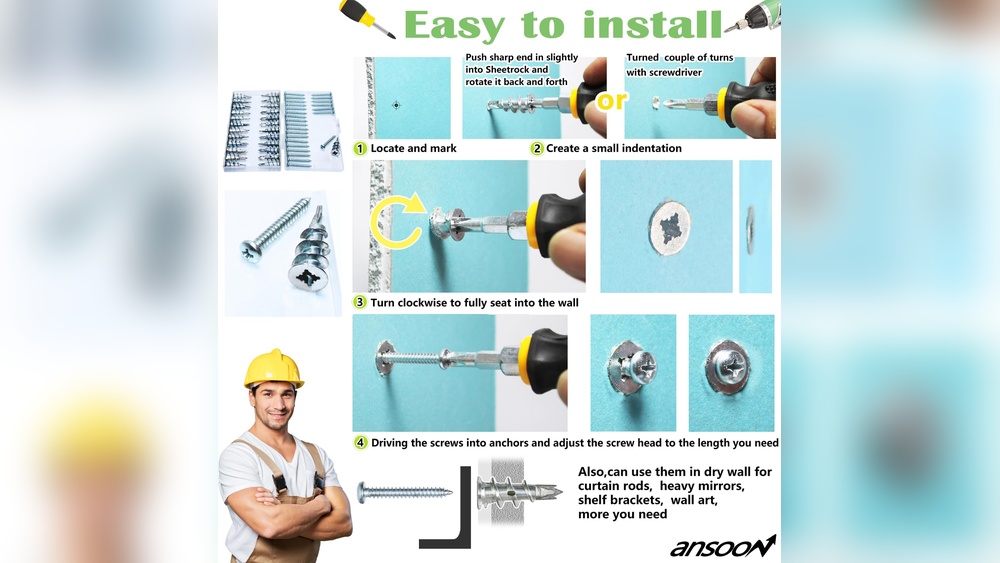
Insert the wall anchor into the drilled hole. Tap it gently with a hammer if needed. Tighten the bolts firmly using a wrench. Check the anchor’s stability by pulling lightly. Make sure it does not move or loosen.
Attaching The Battle Rope
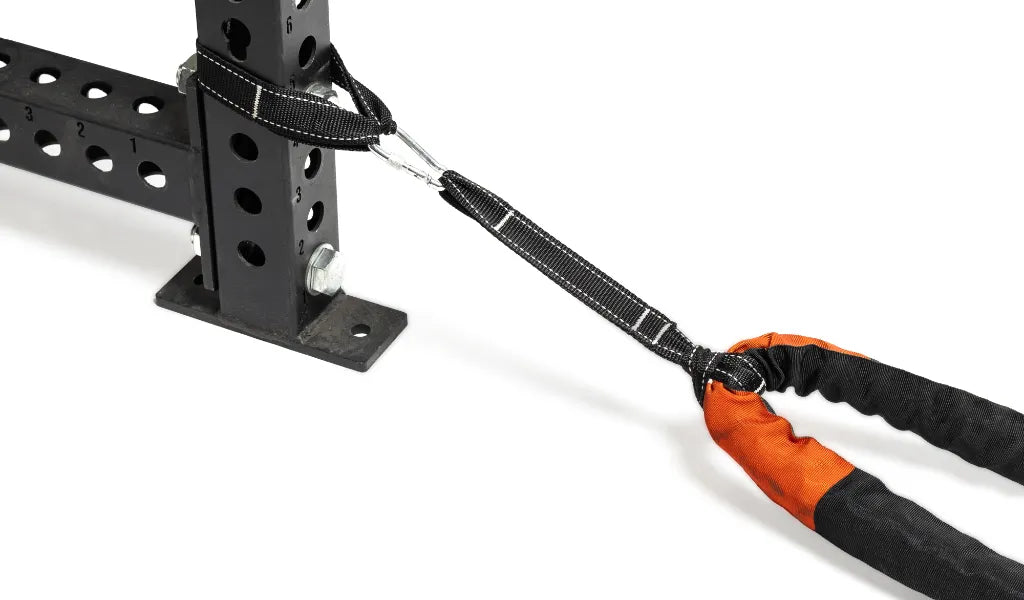
Attaching the battle rope to the wall anchor is a key step for safe and effective workouts. A secure connection keeps the rope stable during intense exercises. This section guides you through the right choices and checks to make your setup strong and reliable.
Choosing The Right Fasteners
Select fasteners that match your wall type and anchor design. Heavy-duty bolts or lag screws work best for wood studs. For concrete or brick walls, use expansion anchors or sleeve anchors. Avoid nails or light screws; they may fail under pressure. Always pick fasteners with enough length to reach deep into the wall structure.
Checking For Stability
After attaching the rope, test its hold by pulling firmly. The anchor should not move or wiggle. If the rope feels loose, tighten the fasteners or choose stronger ones. Check the wall around the anchor for cracks or damage. A stable anchor ensures safety and improves workout performance.
Credit: bellsofsteel.us
Safety Checks And Maintenance
Safety checks and maintenance keep your battle rope wall anchor strong and safe. Regular care stops problems before they start. This saves money and avoids injuries. Follow simple steps to protect your equipment and yourself.
Regular Inspection Tips
Look at the anchor every week. Check for cracks or rust on metal parts. See if bolts and screws are tight. Notice any loose or worn ropes. Test the anchor by pulling gently. If it moves or feels weak, fix it right away.
Use a flashlight to see hidden spots. Clean dirt and dust from the anchor. Keep the area around it clear. This helps spot issues fast and prevents accidents.
Preventing Wear And Tear
Use the anchor only as it should be used. Avoid swinging or hitting it hard. Store ropes away from sunlight and water. Sun and moisture make ropes weak and brittle.
Lubricate metal parts with oil to stop rust. Replace worn ropes or parts quickly. This keeps your anchor ready for safe workouts every time.

Credit: www.youtube.com
Frequently Asked Questions
What Tools Are Needed To Install A Battle Rope Wall Anchor?
You need a drill, screwdriver, measuring tape, pencil, and appropriate wall anchors. These tools ensure a secure and safe installation.
Where Is The Best Location To Install A Battle Rope Wall Anchor?
Choose a solid wall like concrete or wood studs. Ensure ample space around for rope movement and workouts.
How Do I Securely Mount A Battle Rope Wall Anchor?
Locate wall studs, drill pilot holes, and use heavy-duty bolts. Tighten securely to prevent any movement during exercises.
Can I Install A Battle Rope Anchor On Drywall?
No, drywall alone is not strong enough. Always mount anchors into studs or solid surfaces for safety.
Conclusion
Installing a battle rope wall anchor is simple and safe with clear steps. Secure the anchor tightly to avoid accidents during workouts. Choose a strong wall that can hold your weight and effort. Check all bolts and screws before each use to stay safe.
This setup helps you enjoy intense and effective training sessions. Start your battle rope exercises with confidence and focus on your fitness goals. A well-installed anchor makes your workouts smooth and stable every time.