If you own a Pittsburgh floor jack, you know how important it is to keep it in top shape. One key way to do that is by putting oil in your jack regularly.
But how exactly do you do it without making a mess or damaging your tool? You’re about to find out. This simple guide will walk you through each step clearly and easily, so you can keep your floor jack working smoothly and safely every time you use it.
Keep reading to learn the exact process and avoid common mistakes that could cost you time and money.
Tools And Materials Needed
Adding oil to a Pittsburgh floor jack keeps it working smoothly. Before starting, gather all tools and materials. This helps avoid interruptions during the process. Having the right oil and tools makes the task easier and safer.
Types Of Oil For Floor Jacks
Use hydraulic jack oil for your floor jack. It is designed to handle pressure and resist wear. Avoid using motor oil or other lubricants. These can damage the jack’s seals and parts. Check your jack’s manual for the recommended oil type. Most Pittsburgh floor jacks need ISO 46 hydraulic oil or similar.
Essential Tools Checklist
Prepare these tools before adding oil:
- Clean rag or cloth to wipe spills
- Small funnel to pour oil without mess
- Wrench or socket set to open the oil fill plug
- Protective gloves to keep hands clean
- Drain pan to catch old oil if needed
Having these ready makes the job quick and clean. It helps maintain your floor jack’s performance.
Safety Precautions
Safety is the top priority when adding oil to your Pittsburgh floor jack. Taking the right precautions protects you and your equipment. Careless handling can cause injuries or damage. Follow these safety steps carefully.
Preparing The Work Area
Choose a flat, stable surface to work on. Clear the area of clutter and obstacles. Good lighting helps you see what you are doing. Keep children and pets away from the workspace. Have a container ready to catch any oil spills. Keep rags or paper towels nearby for quick cleanups.
Personal Safety Tips
Wear gloves to protect your hands from oil and dirt. Use safety glasses to shield your eyes from splashes. Avoid loose clothing that can get caught in parts. Wash your hands thoroughly after handling oil. Do not smoke or use open flames near the oil. Keep a fire extinguisher close, just in case.
Locating The Oil Reservoir
Locating the oil reservoir in a Pittsburgh floor jack is the first step to proper maintenance. The reservoir holds the hydraulic oil. This oil helps the jack lift heavy loads smoothly and safely. Knowing where to find it makes adding oil easy and quick.
Identifying The Fill Plug
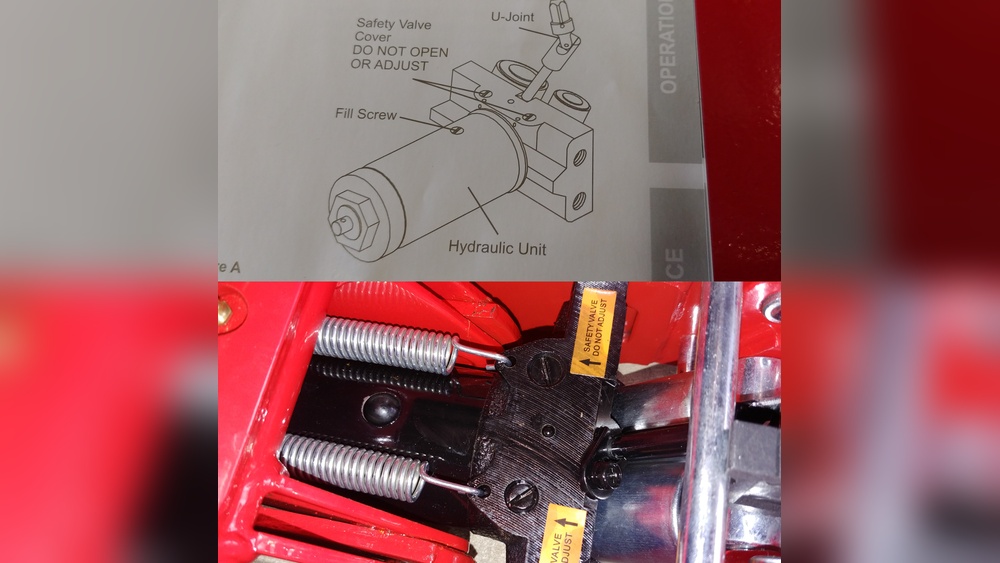
The fill plug covers the oil reservoir. It is usually a small, round cap on the jack body. Look for a plug that can be unscrewed by hand or with a wrench. The plug might have a slot or a hex shape on top. It often sits near the base or side of the jack.
Check the owner’s manual if the plug is hard to spot. The manual shows the exact location and shape. Avoid guessing to prevent damage or spills.
Accessing The Reservoir
To access the reservoir, place the jack on a flat surface. Lower the lifting arm fully. Unscrew the fill plug carefully. Keep a cloth nearby to catch any drips. Avoid letting dirt enter the reservoir. Clean the area around the plug first.
Once open, you see the reservoir inside. This is where you add hydraulic oil. Fill slowly to avoid overflow. After filling, tighten the plug securely. This prevents leaks and keeps dirt out.

Credit: www.reddit.com
Draining Old Oil
Draining old oil from your Pittsburgh floor jack is a key step. It keeps the jack working well and safe. Removing old oil helps stop dirt and metal bits from damaging the jack. It also makes sure new oil works better and lasts longer.
Follow clear steps to drain the oil safely and cleanly. Use the right tools and be careful. Proper disposal of used oil protects the environment. Let’s explore how to do both tasks correctly.
Removing Old Oil Safely
First, place the jack on a flat surface. Find the oil fill plug, usually on the side. Use a wrench to remove the plug carefully. Let old oil drain into a container. Avoid spills by using a drip pan or tray. Drain the oil fully for best results. Wear gloves to keep your hands clean. Clean the plug and jack area after draining.
Disposing Of Used Oil Properly
Used oil can harm the environment if not handled well. Pour the oil into a sealed container. Never mix oil with other liquids. Take the container to a recycling center or auto shop. Many places accept used oil for free. Do not throw oil in trash or down drains. Recycling used oil helps protect water and soil. Always follow local rules for oil disposal.
Filling With New Oil
Filling your Pittsburgh floor jack with new oil is important for smooth operation. Clean, fresh oil helps the jack lift safely and last longer. This step is simple but needs care. Follow the right steps to avoid damage. Let’s learn how to fill the oil properly.
Choosing The Right Oil Quantity
Check the owner’s manual for the oil amount. Most Pittsburgh floor jacks need about 0.2 to 0.3 liters of hydraulic oil. Using too much or too little oil can cause problems. Use clean hydraulic jack oil only. Avoid motor oil or other types. The right oil keeps the jack working well.
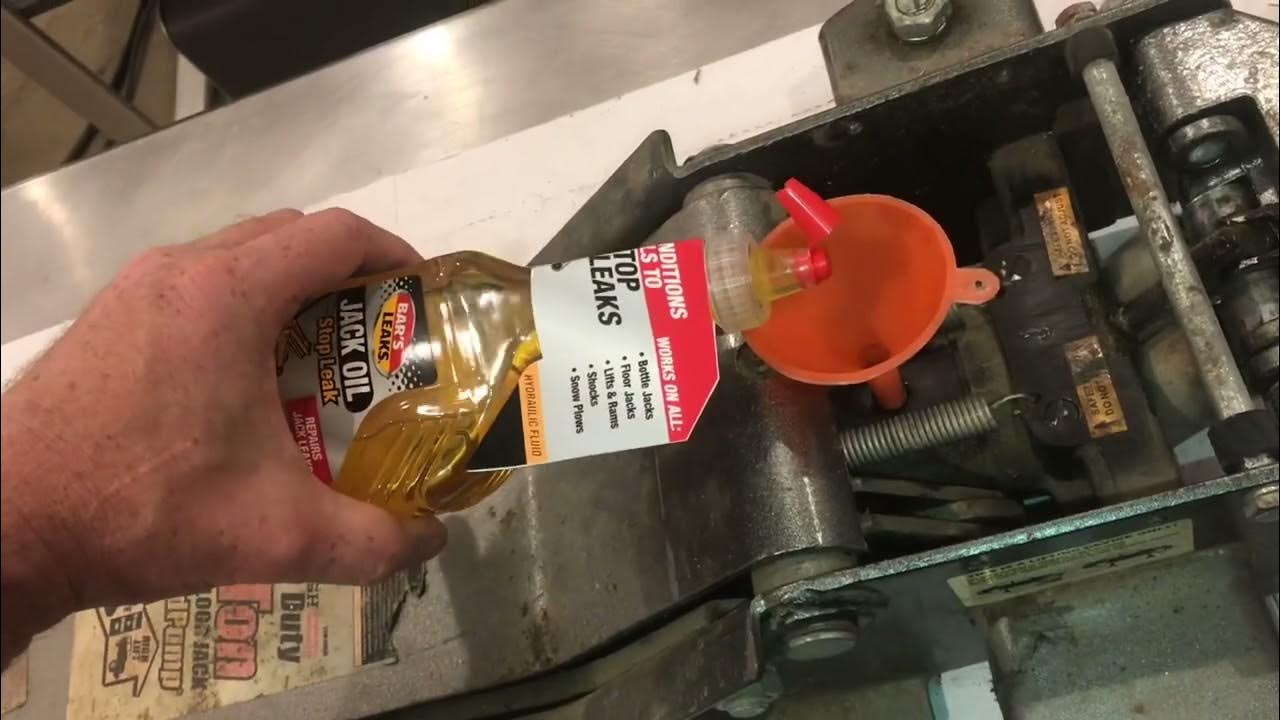
Pouring Oil Into The Reservoir
Place the jack on a flat surface. Open the oil reservoir cap carefully. Use a funnel to avoid spills. Pour the oil slowly into the reservoir. Fill until the oil reaches the fill line or is just below the top. Do not overfill. Close the cap tightly. Wipe away any spilled oil to keep the jack clean.
Credit: www.youtube.com
Checking For Leaks And Air Bubbles
Checking for leaks and air bubbles in your Pittsburgh floor jack is very important. Leaks can make the jack lose pressure. Air bubbles can stop the jack from working smoothly. Both problems reduce the jack’s lifting power. Catching these issues early keeps your jack safe and reliable.
After adding oil, watch the jack closely. Look for any wet spots or drips around the seals and valves. Listen for strange noises that might mean air is trapped inside. These small signs help find problems fast. Fixing leaks and air bubbles saves time and effort later.
Bleeding The Jack
Bleeding the jack removes trapped air inside the hydraulic system. Start by opening the release valve. Pump the handle slowly several times. This pushes air out through the valve. Close the valve tightly after the air stops escaping. Repeat if you see bubbles in the oil. Clear oil flow means the air is gone.
Ensuring Proper Seal
Check all seals and gaskets for damage or wear. A good seal keeps oil inside and air outside. Replace any seal that looks cracked or dry. Clean the seal areas to remove dirt or grime. Tighten bolts and screws around the seals. Proper sealing stops leaks and keeps pressure steady.
Testing The Floor Jack
Testing the floor jack is an important step after adding oil. It ensures the jack works safely and smoothly. This process checks the lifting power and the oil level accuracy. Proper testing helps avoid damage and keeps the jack reliable.
Lifting And Lowering Test
Place the floor jack under a solid object. Pump the handle slowly to lift the object. Watch for smooth and steady movement. The jack should lift without any strange noises or jerks. Lower the jack gently and observe the speed. It should come down smoothly without dropping suddenly. This test confirms the jack’s hydraulic system works well.
Adjusting Oil Level If Needed
If lifting or lowering feels weak, check the oil level again. Open the oil fill plug carefully. Add small amounts of oil to reach the correct level. Avoid overfilling, as it may cause damage. After adding oil, repeat the lifting and lowering test. Adjust oil until the jack moves smoothly and holds weight securely.

Credit: www.youtube.com
Maintenance Tips For Longevity
Keeping your Pittsburgh floor jack in good shape helps it last longer. Regular care prevents problems and keeps the jack working well. Small steps in maintenance save time and money later.
Check and change the oil regularly. Clean storage also protects the jack from damage and rust. Follow these simple tips to keep your floor jack ready for use.
Regular Oil Checks
Check the oil level often. Low oil can cause the jack to fail. Use the right type of hydraulic oil recommended by the manufacturer. Clean the area around the oil cap before opening it. This stops dirt from entering the jack. Replace the oil if it looks dark or dirty. Proper oil keeps the jack lifting smoothly.
Storage Recommendations
Store the floor jack in a dry place. Moisture can cause rust and damage parts. Keep the jack lowered when not in use. This reduces pressure on seals and parts. Cover the jack to protect it from dust and dirt. Avoid leaving it outside or in damp areas. Good storage helps the jack stay strong and ready.
Frequently Asked Questions
How Often Should I Put Oil In A Pittsburgh Floor Jack?
You should lubricate your Pittsburgh floor jack every 6 months or after 50 hours of use. Regular oiling ensures smooth operation and prevents rust.
What Type Of Oil Is Best For Pittsburgh Floor Jacks?
Use high-quality hydraulic jack oil or SAE 10W-30 motor oil. Avoid using automotive transmission fluid or other low-viscosity oils.
Can I Put Oil In A Pittsburgh Floor Jack Myself?
Yes, you can add oil yourself. Follow the manufacturer’s instructions, use a clean funnel, and fill to the recommended level carefully.
Where Is The Oil Fill Plug On A Pittsburgh Floor Jack?
The oil fill plug is usually located on the side or top of the jack’s hydraulic cylinder. Refer to your user manual for exact location.
Conclusion
Keeping your Pittsburgh floor jack well-oiled helps it work smoothly. Regular oil changes stop rust and wear. Follow the steps carefully to avoid mistakes. Check oil levels often for safe lifting. A well-maintained jack lasts longer and stays reliable. Small care steps save you time and money.
Taking a few minutes now pays off later. Your tools deserve simple, steady attention. Keep the oil clean and at the right level. Safe lifting starts with good jack care.