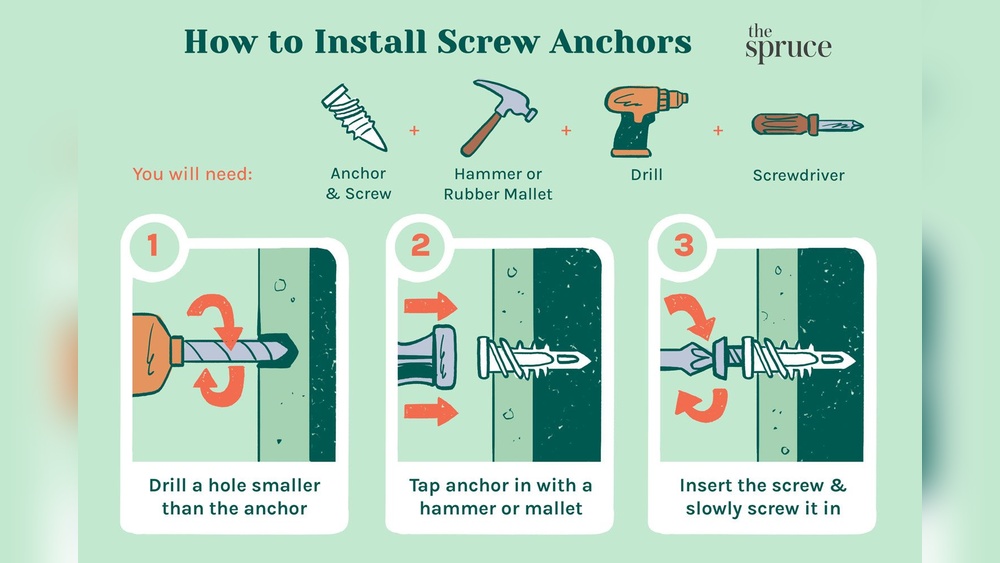
Are you struggling to hang something heavy on your wall but worried it won’t hold? Getting a screw anchor in the wall might seem tricky, but with the right steps, you can do it quickly and securely.
Imagine your shelves, pictures, or mirrors staying perfectly in place without any damage or falling down. In this guide, you’ll learn exactly how to choose, prepare, and install a screw anchor so your walls stay safe and strong. Keep reading, and you’ll gain the confidence to tackle this simple home fix like a pro.

Credit: www.tjlituo.com
Choosing The Right Screw Anchor
Choosing the right screw anchor is important for a strong hold in your wall. The right anchor keeps your items secure and prevents damage. Different anchors work best with different walls and weights. Understanding types, wall materials, and weight limits helps you pick the best anchor for your project.
Types Of Anchors
Screw anchors come in many types. Plastic expansion anchors expand inside the wall for a tight grip. Toggle bolts have wings that open behind the wall for extra support. Metal anchors offer strong hold in heavy-duty projects. Each type suits different needs and wall types.
Matching Anchors To Wall Material
Walls vary: drywall, plaster, brick, or concrete. Plastic anchors work well in drywall. Toggle bolts are better for hollow walls. Masonry anchors fit brick or concrete walls. Using the right anchor for your wall type ensures a secure fit and stops damage.
Weight Capacity Considerations
Every anchor has a weight limit. Check the label for maximum weight support. Choose an anchor that holds more than your item’s weight. Overloading anchors can cause them to fail. Safety and durability depend on matching weight to anchor strength.
Gathering Necessary Tools
Before starting to install a screw anchor in the wall, gather all the necessary tools. Having the right tools makes the job easier and safer. It also helps to do the job correctly the first time. Below are the key tools you will need for this task.
Drill And Drill Bits
A drill is essential to make holes in the wall for the anchors. Choose a drill with variable speed for better control. Use drill bits that match the size of the screw anchor. For example, if the anchor is 6mm wide, use a 6mm drill bit. Use masonry drill bits for brick or concrete walls. For drywall, regular bits work well. Make sure the drill bit is sharp and clean.
Screwdriver And Screws
A screwdriver is needed to drive screws into the anchors. Use a screwdriver that fits the screw head perfectly. This avoids stripping the screw. Manual screwdrivers work well for small jobs. For larger projects, a power screwdriver or drill with a screwdriver bit saves time. Choose screws that match the size and type of the anchors. Use rust-resistant screws for damp areas.
Measuring And Marking Tools
Measuring tools help to mark the exact spot for the anchor. Use a tape measure or ruler to get precise measurements. A pencil or marker is used to mark the wall. Mark lightly so you can erase or adjust if needed. A level helps to keep your marks straight, especially for multiple anchors. Correct measurements prevent mistakes and keep your project tidy.
Preparing The Wall
Preparing the wall is the first step to secure a screw anchor properly. A well-prepared wall makes the installation easier and safer. It helps the anchor hold firmly and prevents damage to the wall or objects hung on it.
Locating The Fixing Spot
Choose the right spot on the wall where you want to place the anchor. Look for a solid area, away from cracks or weak spots. This ensures the anchor will hold strong and support weight well.
Marking The Drill Point
Use a pencil to mark the exact point for drilling. Marking helps you drill in the right place without mistakes. Check the mark from different angles to confirm its position before drilling.
Checking For Hidden Wires And Pipes
Scan the wall to find any hidden wires or pipes. Use a stud finder or wire detector for this. Avoid drilling where wires or pipes run to prevent accidents and damage.
:max_bytes(150000):strip_icc()/how-to-use-and-discard-anchor-screws-1822671-002-04-4963da18c2674e6bbf07e5fc07d5b4f0.jpg)
Credit: www.thespruce.com
Drilling The Hole
Drilling the hole is a crucial step in installing a screw anchor. A properly drilled hole ensures the anchor fits tightly and holds securely. Taking time to drill carefully helps avoid wall damage and ensures strong support.
Selecting The Correct Drill Bit Size
Choose a drill bit that matches the anchor size. Check the anchor packaging for recommended bit size. A bit too small makes the hole tight and risks cracking the wall. Too large, and the anchor will be loose.
Drilling At The Right Depth
Drill the hole to the anchor’s full length. Mark the drill bit with tape to guide your depth. Drilling too shallow causes the anchor to slip out. Too deep may weaken the wall or cause poor grip.
Cleaning Out The Hole
Remove dust and debris from the hole before inserting the anchor. Use a small brush or blow air into the hole. Clean holes let anchors grip the wall better. Dust can reduce the anchor’s holding strength.
Inserting The Screw Anchor
Inserting a screw anchor into the wall is a simple yet important step. It helps hold screws firmly and supports the weight of items hung on the wall. Follow clear steps to place the anchor correctly. This will make your project stronger and safer.
Positioning The Anchor
Start by placing the anchor at the hole you drilled. Make sure the hole is the right size. The anchor should fit snugly but not too tight. Hold the anchor straight to avoid bending or damage. A straight anchor ensures better grip in the wall.
Tapping The Anchor In
Use a hammer to gently tap the anchor into the hole. Tap lightly to push the anchor without cracking the wall. Stop tapping when the anchor is mostly inside the hole. Avoid hitting too hard, which can break the anchor or wall.
Ensuring A Flush Fit
The anchor must sit flush with the wall surface. Check that the anchor’s edge is even with the wall. If it sticks out, tap it in more carefully. A flush anchor allows the screw to go in smoothly and hold tight.
Fixing The Screw
Fixing the screw into a wall anchor is a key step to ensure a strong hold. The screw must fit well and hold the object safely. This section covers how to pick the right screw, insert it properly, and check the fit.
Choosing The Right Screw Length
Pick a screw that fits the anchor size. The screw should be long enough to go through the object and into the anchor. Avoid screws that are too short or too long. Too short screws will not hold well. Too long screws can damage the wall.
Driving The Screw Into The Anchor
Insert the screw gently into the anchor hole. Use a screwdriver or drill with low speed. Turn the screw slowly to avoid stripping the anchor. Stop when the screw head is flush with the object’s surface. Do not overtighten, or the anchor may break.
Checking The Secure Fit
After fixing the screw, test its strength. Give a gentle pull or wiggle the object. The screw should feel tight and stable. If it moves, remove and try a larger anchor or screw. A secure fit means your object is safely mounted.
Troubleshooting Common Issues
Troubleshooting common issues with screw anchors helps keep your projects strong. Small problems can stop anchors from holding well. Fixing these issues saves time and effort.
Check your wall and tools before starting. This avoids most troubles. Read on for easy tips on fixing three common problems.
Loose Anchors
Loose anchors happen when holes are too big. The anchor slips out or spins in the wall. Use a smaller drill bit to make a tighter hole. Or try a larger anchor for a better fit.
Push the anchor firmly into the hole. Tap it gently with a hammer if needed. Make sure it feels tight before screwing in the screw.
Cracked Walls
Cracks near anchors weaken the hold. The wall may break more when you add weight. Avoid heavy items on cracked walls.
Fill small cracks with wall filler. Let it dry fully before drilling. For large cracks, use a different spot or a wall stud for better support.
Stripped Screws
Stripped screws have damaged heads. They slip when you try to turn them. Use a screwdriver that fits the screw head well. Apply steady pressure while turning.
If stripped, try rubber bands for grip. Replace old screws with new ones to avoid repeats. Use screws designed for anchors for best results.
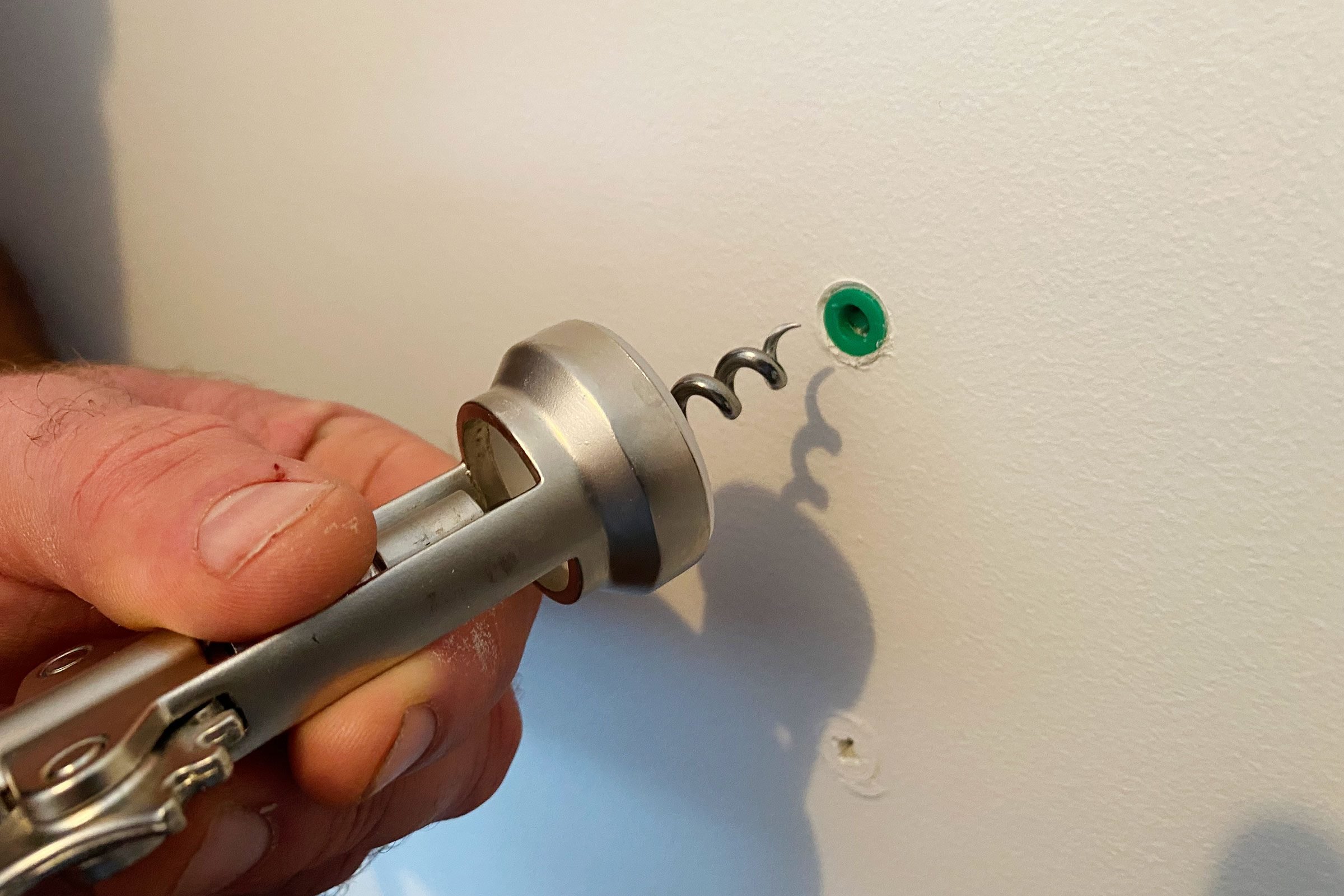
Credit: www.familyhandyman.com
Frequently Asked Questions
What Tools Do I Need For Installing A Screw Anchor?
You need a drill, appropriate drill bit, screwdriver, screw anchor, and screws. These tools ensure proper wall anchor installation.
How Do I Choose The Right Screw Anchor Size?
Match the anchor size to your screw and wall type. Check weight capacity and wall material before selecting.
Can I Install A Screw Anchor In Drywall?
Yes, screw anchors work well in drywall. Use plastic anchors for light loads and metal ones for heavier items.
How Deep Should I Drill For A Screw Anchor?
Drill a hole slightly deeper than the anchor length. This allows easy insertion and secure fitting of the anchor.
Conclusion
Getting a screw anchor in the wall is simple with the right steps. Choose the right anchor for your wall type. Drill a hole carefully, then insert the anchor firmly. Screw in slowly to avoid damage. This process holds items securely and prevents wall cracks.
Practice makes perfect. Soon, you will feel confident doing it yourself. No need to call for help every time. Try it on small projects first. You will save time and money. Keep your walls safe and strong with proper anchors.