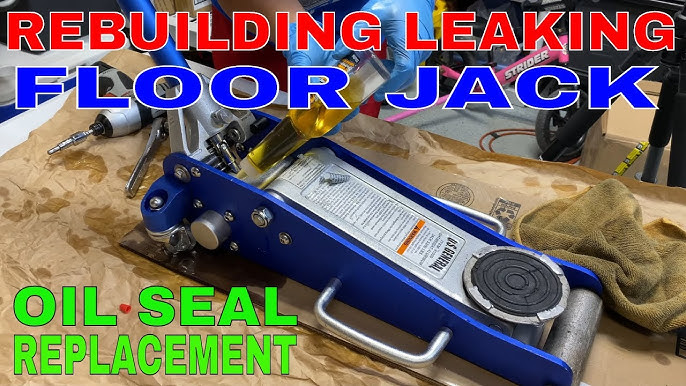
If your floor jack isn’t working like it used to, you don’t have to rush out and buy a new one. You can save money and get it back in perfect shape by rebuilding it yourself.
This guide will show you how to rebuild a floor jack step by step, just like the experts do on YouTube. Whether your jack is leaking, not lifting properly, or stuck, you’ll learn simple fixes that anyone can do. Keep reading, and by the end, you’ll feel confident tackling the job and keeping your tools in top condition.
Tools And Materials Needed
Rebuilding a floor jack requires the right tools and materials. Having everything ready saves time and keeps the process smooth. This section lists what you need to start your repair project. Simple tools and basic materials can make a big difference.
Basic Hand Tools
You will need wrenches, screwdrivers, and pliers. These help remove and tighten bolts and screws. A hammer can be useful for loosening stuck parts. Use a socket set for bolts that are hard to reach.
Replacement Parts
Common parts include seals, o-rings, and hydraulic fluid. Check your floor jack model for specific parts. New parts ensure smooth lifting and safe use. Old or damaged parts can cause leaks and failures.
Cleaning Supplies
Clean parts before reassembling for better performance. Use rags, brushes, and degreasers to remove dirt and rust. Clean surfaces help seals fit tightly. Avoid harsh chemicals that can damage metal.
Lubricants And Fluids
Hydraulic fluid is essential for floor jack operation. Also, use grease to lubricate moving parts. Proper lubrication reduces wear and extends jack life. Choose fluids recommended by the manufacturer.
Safety Gear
Wear gloves and safety glasses during the rebuild. Protect your hands from sharp edges and chemicals. Safety gear helps prevent accidents and injuries. Always work in a well-ventilated area.
Safety Precautions
Safety is the top priority when rebuilding a floor jack. This tool holds heavy loads and can cause injury if handled wrong. Taking the right precautions protects you and others around you.
Always work in a clean, well-lit area. This helps you see small parts and avoid accidents. Never rush the job. Careful steps ensure the jack works properly after repair.
Wear Protective Gear
Use safety glasses to protect your eyes from debris. Gloves keep your hands safe from sharp edges and grease. Wear closed-toe shoes to shield your feet from falling parts.
Secure The Jack Properly
Place the jack on a flat, solid surface before starting. This stops it from tipping over. Never work on a jack that is under pressure or lifting weight.
Handle Hydraulic Fluid With Care
Hydraulic fluid can irritate skin and eyes. Avoid direct contact by using gloves. Clean any spills immediately to prevent slips and falls.
Use The Right Tools
Using wrong tools can damage the jack or cause injury. Choose tools made for mechanical work. Keep tools organized and within reach to avoid distractions.
Test The Jack Safely
After rebuilding, test the jack without load first. Check for leaks and smooth operation. Only test with weight when you are sure it is safe.
Disassembling The Floor Jack
Disassembling a floor jack is the first step in rebuilding it properly. This process allows you to inspect each part for wear and damage. Careful disassembly helps in understanding how the jack works. It also makes cleaning and replacing parts easier. Follow the steps below to take apart your floor jack safely and efficiently.
Removing The Outer Casing
Start by placing the floor jack on a flat surface. Use a wrench to remove all bolts holding the outer casing. Keep the bolts in a safe place for reassembly. Gently lift the casing off to reveal the inner parts. Avoid using force to prevent damage to the casing or components.
Taking Out The Hydraulic Components
Locate the hydraulic system inside the jack. Carefully disconnect the hydraulic cylinder from the frame. Use a small container to catch any hydraulic fluid that may leak. Remove the pump assembly and release valve next. Handle these parts with care to avoid bending or scratching them.

Credit: www.instructables.com
Inspecting Parts For Damage
Inspecting parts for damage is a key step in rebuilding a floor jack. It helps find broken or worn pieces early. Fixing these parts keeps the jack safe and working well. This step saves time and money later. Careful checks make sure each component does its job.
Checking The Hydraulic Cylinder
The hydraulic cylinder moves the jack up and down. Look for cracks or dents on its surface. Check if it leaks oil around the seals. Test if the piston moves smoothly without sticking. Any damage here can stop the jack from lifting.
Examining The Pump Assembly
The pump assembly pushes the hydraulic fluid inside. Look for rust, dirt, or broken parts. Make sure the pump handle moves easily. Listen for strange sounds when pumping. A damaged pump can cause poor lifting power.
Assessing Seals And O-rings
Seals and O-rings stop oil from leaking out. Check if they are hard, cracked, or misshaped. Replace any that look worn or damaged. Good seals keep the jack working smoothly and safely. Bad seals cause oil leaks and reduce pressure.
Cleaning And Preparing Components
Cleaning and preparing the parts is the first step to rebuild a floor jack. Dirt, rust, and old oil can stop the jack from working well. Taking time to clean each piece helps the jack last longer. It also makes sure the jack works smoothly and safely.
Cleaning Metal Surfaces
Use a wire brush to remove rust from metal parts. Wipe the surfaces with a clean cloth to clear dust and grease. Soak parts in a mild cleaner if dirt is tough. Dry all pieces completely to stop rust from forming again. Smooth surfaces help the jack move without sticking.
Removing Old Hydraulic Fluid
Drain old fluid from the jack carefully into a container. Use a clean rag to wipe inside the fluid reservoir. Flush the system with fresh hydraulic fluid to remove leftovers. Old fluid can cause the jack to work poorly or leak. Clean fluid keeps the hydraulic parts in good condition.
Replacing Seals And O-rings
Replacing seals and O-rings is a key step in rebuilding a floor jack. These parts keep the hydraulic fluid inside and prevent leaks. Over time, seals and O-rings wear out or crack. This causes the jack to lose pressure and stop working properly.
Changing these small parts can bring the jack back to life. It helps the jack lift heavy loads safely again. This section explains how to remove old seals and O-rings and fit new ones correctly.
Identifying Worn Seals And O-rings
Look for cracks, tears, or hard spots on seals and O-rings. Check for oil leaks near the hydraulic cylinder. If the jack does not hold pressure, seals may be the cause.
Removing Old Seals And O-rings
Use a small flat tool or pick to gently pry out seals. Avoid scratching metal parts. Remove all old rubber pieces carefully. Clean the area before installing new parts.
Choosing The Right Replacement Parts
Match new seals and O-rings to the jack model. Use parts made from durable rubber or synthetic material. Check size and thickness to ensure a proper fit.
Installing New Seals And O-rings
Lightly oil new seals to help them slide into place. Press them evenly into grooves without twisting. Make sure each seal sits flat and snug.
Testing The Floor Jack After Replacement
Pump the jack handle slowly to build pressure. Watch for leaks around new seals. The jack should lift smoothly and hold weight firmly.
Refilling Hydraulic Fluid
Refilling the hydraulic fluid is a key step in rebuilding a floor jack. This fluid helps the jack lift heavy loads smoothly. Without the right amount and type of fluid, the jack may not work properly. Careful refilling ensures the jack stays strong and safe to use.
Choosing The Right Fluid
Use only hydraulic fluid made for floor jacks. Avoid using motor oil or other liquids. The wrong fluid can damage seals and parts inside the jack. Check the owner’s manual or product label for the right type. Most floor jacks need a clear, lightweight hydraulic oil.
Buy fluid from a trusted store. Cheap or old fluid may contain dirt or water. This harms the hydraulic system and lowers performance. Fresh, clean fluid keeps the jack working well for a long time.
Filling And Bleeding The System
Start by opening the fill plug on the jack. Slowly pour the hydraulic fluid into the reservoir. Fill until the fluid level reaches the recommended mark. Avoid overfilling, which can cause leaks or pressure problems.
After filling, bleed the system to remove trapped air. Pump the jack handle several times with the release valve open. This pushes air out and lets fluid flow freely. Close the release valve and test the jack’s lift. Repeat bleeding if the jack feels weak or jerky.

Credit: www.instructables.com
Reassembling The Floor Jack
Reassembling the floor jack is a key step after cleaning and inspecting its parts. This process puts all the components back in place. It ensures the jack works safely and smoothly. Careful reassembly prevents leaks and mechanical failures. Take your time to fit each part correctly.
Follow the correct order to avoid mistakes. Use the right tools and keep parts organized. This section guides you through reinstalling hydraulic parts and securing the outer casing. Both are important for a fully functional floor jack.
Reinstalling Hydraulic Parts
Start by placing the hydraulic cylinder back into its housing. Align it carefully to avoid damage. Insert the piston and pump assembly next. Check the seals for wear and replace if needed. Tighten all bolts firmly but do not over-tighten. Attach the release valve and test its movement. Make sure the hydraulic fluid fills all chambers without air bubbles. Pump the handle slowly to check for smooth operation.
Securing The Outer Casing
Once the hydraulic parts are in place, fit the outer casing over the jack. Align the casing holes with the frame bolts. Use screws or bolts to fasten the casing securely. Avoid gaps that could let dirt inside. Tighten all fasteners evenly for proper fit. Check the handle and wheels for smooth movement. A tight, secure casing protects the jack from damage and keeps parts clean.
Testing The Rebuilt Jack
Testing the rebuilt floor jack is a crucial step. It ensures your work is safe and effective. This process helps catch any problems before using the jack on a vehicle. Proper testing gives you confidence in the jack’s strength and reliability.
Checking For Leaks
Start by inspecting the jack for any oil leaks. Look closely around seals and joints. Small drops or wet spots mean the seals might not be tight. Pump the handle several times and watch for fluid leaks. Fix any leaks before moving on.
Verifying Lifting Performance
Place the jack under a solid surface to test lifting. Pump the handle slowly and watch the jack rise smoothly. It should lift steadily without strange noises or jerks. Check if the jack holds the weight without sinking. Test lowering the jack carefully and smoothly. Confirm the jack operates safely and as expected.
Credit: www.youtube.com
Maintenance Tips For Longevity
Keeping your floor jack in good shape helps it last much longer. Regular care avoids problems and keeps it working safely. Small actions can prevent big repairs later.
Follow these simple tips to maintain your floor jack. They keep it smooth and reliable for every use.
Check And Change Hydraulic Oil
Hydraulic oil is key for smooth lifting. Check the oil level often. Low oil causes poor performance. Change the oil at least once a year. Use the type suggested by the maker.
Clean The Floor Jack Regularly
Dirt and dust can block parts. Wipe down the jack after use. Remove debris from wheels and joints. Clean tools last longer and work better.
Inspect For Leaks And Damage
Look for oil leaks around seals. Leaks mean the jack may fail soon. Check for cracks or bent parts. Fix or replace damaged pieces quickly.
Lubricate Moving Parts
Oil or grease all moving joints. Lubrication stops rust and reduces wear. Do this every few months or after heavy use.
Store In A Dry Place
Keep your floor jack away from moisture. Rust damages metal parts fast. Store it on a shelf or inside a toolbox. Dry storage helps maintain performance.
Frequently Asked Questions
How Do I Rebuild A Floor Jack Safely?
To rebuild a floor jack safely, first gather proper tools and parts. Follow a step-by-step guide carefully. Wear protective gear and work in a clean, well-lit area. Test the jack after rebuilding to ensure it functions correctly and safely.
What Tools Are Needed To Rebuild A Floor Jack?
You need basic hand tools like wrenches, screwdrivers, pliers, and a hammer. A seal kit for the hydraulic system is essential. Also, have cleaning supplies and hydraulic oil ready. These tools help disassemble, clean, and reassemble the jack efficiently.
How Often Should I Rebuild My Floor Jack?
Rebuild your floor jack every 2 to 3 years or when it leaks or loses pressure. Regular maintenance extends its life and ensures safety. Inspect it frequently for damage or wear to decide when rebuilding is necessary.
Can I Rebuild A Floor Jack Without Professional Help?
Yes, you can rebuild a floor jack yourself with proper instructions and tools. Many detailed video tutorials, including YouTube guides, are available. However, if unsure, consult a professional to avoid safety risks.
Conclusion
Rebuilding a floor jack can save money and extend its life. Follow each step carefully to ensure safety and success. Take your time and check parts for wear or damage. Keep tools and workspace clean for better results. Regular maintenance helps your floor jack work smoothly for years.
Now, you have the know-how to fix your jack at home. Try it out and see the difference yourself. Simple repairs make big changes in tool performance.