Have you ever found yourself locked out with a stubborn deadbolt standing between you and your goal? It can be frustrating and stressful, especially when time is ticking.
But what if you could learn simple, effective ways to get past that deadbolt quickly and safely? You’ll discover practical tips and tricks that anyone can use to unlock deadbolts without hassle. Keep reading, because mastering these techniques could save you from a tough situation sooner than you think.

Credit: www.reddit.com
Types Of Deadbolts
Deadbolts are a key part of home security. They come in different types. Each type works in a unique way to secure doors. Knowing these types helps you understand how to get past deadbolts if needed. This section explains the main types of deadbolts.
Single Cylinder
The single cylinder deadbolt is the most common. It uses a key outside and a thumb turn inside. This type is easy to use and install. It works well on doors with glass far from the lock. It offers good security but can be opened from inside quickly in emergencies.
Double Cylinder
The double cylinder deadbolt needs a key on both sides. It adds extra security to doors with windows close to the lock. This type stops intruders from breaking glass to open the door. It can slow down exit during emergencies since a key is needed inside too.
Keyless Deadbolts
Keyless deadbolts work with codes or electronic keys. They remove the need for physical keys. You enter a code or use a card to unlock the door. This type is convenient and hard to pick. Batteries power these locks, so check them often to avoid lockouts.
Common Challenges With Deadbolts
Deadbolts are strong and reliable locks, but they can face problems over time. These issues make it hard to open or close the door smoothly. Understanding common deadbolt challenges helps you fix them faster.
Many people struggle with deadbolts that do not work well. Some problems come from parts inside the lock. Others happen because the lock and door are not lined up properly. Knowing these common challenges can save time and stress.
Jammed Locks
A jammed lock often means the key will not turn. Dust, dirt, or rust can block the lock’s mechanism. Using too much force can make the problem worse. Regular cleaning and oiling help keep the lock moving freely.
Misaligned Strike Plates
The strike plate is where the bolt fits into the door frame. If it is not in the right place, the bolt cannot slide in properly. This causes the deadbolt to stick or not lock at all. Adjusting the strike plate can solve this issue quickly.
Worn Out Components
Parts inside the deadbolt wear out after many uses. Springs, pins, or cylinders may break or become loose. Worn parts stop the lock from working correctly. Replacing these parts restores smooth function and security.
Tools Needed For Quick Unlocking
Knowing the right tools can help you open a deadbolt faster. Each tool has a specific job. Using them correctly saves time and effort. Here are the main tools for quick unlocking.
Lock Picks
Lock picks are thin, metal tools made to move pins inside a lock. They come in many shapes for different locks. Using lock picks needs some practice. They help to lift the pins to the right height. This allows the lock to turn and open.
Tension Wrenches
Tension wrenches work with lock picks. They apply small pressure to the lock cylinder. This pressure holds the pins in place after picking. Without a tension wrench, the pins will drop back. It is a simple tool but very important for opening deadbolts.
Bump Keys
Bump keys look like regular keys but have a special design. You insert a bump key into the lock. Then, you tap or “bump” it to move the pins. This action can open some deadbolts quickly. Using bump keys requires care to avoid damage.
Drill And Other Emergency Tools
Drills and other emergency tools are last options. Drilling destroys the lock but opens it fast. Emergency tools like bolt cutters can help in extreme cases. Use these tools only if other methods fail. They are for urgent situations only.
Step-by-step Methods To Unlock Deadbolts
Deadbolts provide strong security but can be tricky to open without a key. Understanding simple methods helps in emergencies. This guide shows clear, step-by-step ways to get past deadbolts safely. Each method uses common tools or techniques. Follow these instructions carefully to avoid damage.
Picking The Lock
Lock picking needs patience and the right tools. Use a tension wrench and a small pick. Insert the wrench into the bottom of the keyhole. Apply light pressure in the direction the key would turn. Insert the pick and feel for pins inside. Push each pin up until it clicks into place. Keep turning the wrench gently while lifting pins. Once all pins are set, the lock will open. Practice is key to improve skill and speed.
Using A Bump Key
A bump key fits many locks of the same type. Insert the bump key fully into the lock. Hold the key firmly and apply slight turning pressure. Use a small hammer or tool to tap the key’s end sharply. The tapping moves the lock pins briefly. This may allow the lock to turn open. Timing and force must be just right. This method works best on standard pin tumbler locks.
Bypassing With A Credit Card
This method works only on spring bolt locks, not deadbolts. Slide a flexible plastic card between the door frame and latch. Push the card firmly against the latch bolt. Wiggle and slide the card while pushing the door. The latch may retract, allowing the door to open. This method needs a thin, bendable card. Avoid damaging your credit cards by using an old one.
Drilling As A Last Resort
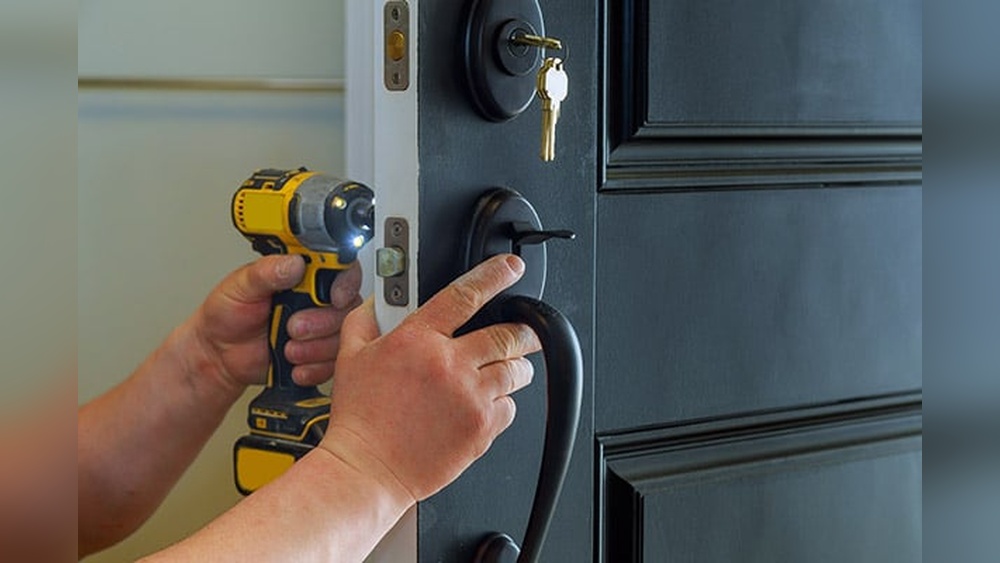
Drilling destroys the lock but opens the door quickly. Use a power drill with a metal drill bit. Aim at the lock cylinder’s center. Drill steadily until the pins inside break. This allows the lock to turn or be removed. Wear safety glasses and be cautious. Drilling damages the lock, so plan to replace it soon. Use this method only if other options fail.
Safety Tips When Handling Deadbolts
Handling deadbolts requires care and attention to ensure safety. Mishandling can cause damage to the door or lock. This section shares important safety tips to follow while dealing with deadbolts. These tips help protect your property and avoid legal problems.
Avoiding Damage To Doors
Use the right tools for deadbolt work. Avoid using force or sharp objects. Gentle pressure helps prevent scratches or dents on the door. Work slowly and carefully to keep the door intact. Damaged doors may weaken security and cost more to fix.
Legal Considerations
Always have permission to work on a deadbolt. Tampering with locks without consent is illegal. Know local laws about lock handling and entry. Respect privacy and property rights. Illegal actions can lead to fines or arrest.
When To Call A Professional
Call a locksmith if you are unsure or stuck. Professionals use special tools and skills safely. Trying to fix complex deadbolts can cause more harm. Experts save time and protect your door. They ensure the lock works properly after repair.

Credit: www.youtube.com
Preventive Measures To Avoid Lockouts
Lockouts from deadbolts can cause stress and waste time. Taking steps to prevent them saves effort and frustration. Simple habits and tools help avoid being locked out of your home or office.
Preventive measures focus on planning ahead. They ensure you always have access without trouble. Below are key ways to reduce lockout risks.
Spare Keys
Keep spare keys in safe places. Give copies to trusted friends or family nearby. Avoid hiding keys in obvious spots like under mats. Choose spots only you and trusted people know. Spare keys offer quick access during emergencies.
Smart Locks
Smart locks use codes or phones to open doors. No need to carry physical keys all the time. They allow you to change access codes anytime. Some models send alerts if someone tries to enter. Smart locks provide convenience and better control.
Regular Maintenance
Check your deadbolt often for wear and tear. Lubricate the lock yearly to keep it smooth. Replace old or damaged parts quickly. A well-maintained lock reduces chances of jamming. Regular care keeps your lock reliable over time.

Credit: www.reddit.com
Frequently Asked Questions
How Can I Unlock A Deadbolt Without A Key?
You can unlock a deadbolt by using lock picking tools or a bump key. Another option is to remove the lock cylinder with a screwdriver. Always ensure you have legal permission before attempting these methods.
What Tools Are Needed To Bypass A Deadbolt Lock?
Common tools include a tension wrench, lock pick, bump key, and screwdriver. These tools help manipulate the lock mechanism. Proper knowledge and practice are essential for effective use.
Is It Legal To Bypass A Deadbolt Lock?
Bypassing a deadbolt is only legal if you own the property or have permission. Unauthorized entry is illegal and punishable by law. Always check local laws before attempting to bypass locks.
Can A Deadbolt Be Bypassed Quickly In Emergencies?
Yes, professionals can bypass deadbolts quickly using specialized tools. Emergency locksmiths use techniques like lock picking or drilling. Quick bypass depends on the lock type and skill level.
Conclusion
Getting past a deadbolt takes patience and the right tools. Always follow legal rules and respect property. Practice safe methods and avoid damage to locks. Understanding lock types helps choose the best approach. Learning these tips can save time and effort.
Stay calm and focused during the process. Keep improving your skills with practice and study. Safety and respect should guide every step you take.