Is your floor sagging right in the middle? It’s a common problem that can cause creaks, cracks, and even damage to your home.
But don’t worry—you don’t have to live with a sinking floor. In this guide, you’ll learn exactly how to jack up the center of your floor foundation safely and effectively. Imagine restoring your floor’s strength and stability, making it feel solid under your feet again.
Keep reading, and you’ll discover simple steps you can take to fix the problem before it gets worse. Your home deserves a strong foundation, and you’re just a few moves away from making that happen.
Signs Of A Sagging Floor
Knowing the signs of a sagging floor helps catch problems early. It can stop bigger damage and save money. Watch closely for changes in your floor’s shape, doors, windows, and sounds. These signs show your floor foundation may need jacking up.
Visible Floor Bowing
Look at your floor from different angles. Bowing means the floor curves down in the middle. It looks like a dip or a wave. This happens when the floor joists weaken or the foundation sinks. Bowing floors feel uneven underfoot.
Uneven Door And Window Frames
Doors and windows that don’t close well can mean floor problems. Frames may look crooked or stick when opening. Gaps appear between the door or window and the frame. Uneven frames often happen because the floor below has shifted.
Floor Squeaks And Creaks
Listen for squeaks and creaks when walking on the floor. These noises happen as boards rub or move. Loose floorboards or weak joists cause these sounds. More noise than usual could signal a sagging floor that needs support.

Credit: www.isaacinstruments.com
Tools And Materials Needed
Jacking up the center of your floor foundation requires the right tools and materials. Using proper equipment ensures the job is safe and effective. Prepare everything before starting. This makes the process smoother and reduces risks.
Hydraulic Floor Jack
A hydraulic floor jack lifts heavy parts of the foundation. It provides steady, controlled lifting power. Choose one with enough capacity for your floor’s weight. Using a quality jack reduces strain and improves safety.
Support Posts And Beams
Support posts hold the lifted floor in place. Strong beams spread the weight evenly. Use sturdy wood or steel beams designed for construction. These supports prevent accidents and keep the floor stable during repairs.
Measuring Tools And Safety Gear
Accurate measurements keep the lifting even and balanced. Use tape measures and levels to check height changes. Safety gear like gloves, goggles, and boots protect you from injury. Never skip safety equipment during foundation work.
Preparing The Work Area
Preparing the work area is a key step before jacking up the center of your floor foundation. This ensures safety and efficiency during the process. A clean, organized space helps you work smoothly and avoid accidents. Start by clearing the area and understanding the structure beneath your floor.
Clearing Furniture And Obstacles
Remove all furniture from the work zone. Move rugs, boxes, and any loose items out of the way. This creates enough room to set up tools and equipment. A clear space also prevents damage to your belongings. It makes your movements easier and safer.
Locating The Floor Joists
Find the floor joists under your flooring. Joists are wooden beams that support the floor. Use a stud finder or tap the floor to hear solid spots. Mark the joists with chalk or tape. Knowing joist locations helps place jacks correctly and avoid damage.
Assessing Foundation Access Points
Check where you can reach the foundation from below. Crawl spaces or basements offer access to the floor’s underside. Clear any debris blocking these areas. Good access points let you set jacks and tools in place easily. Make sure the space is safe to enter and work in.

Credit: www.theglobeandmail.com
Step-by-step Jacking Process
Raising the center of your floor foundation takes careful steps. Each step must be done with care to avoid damage. Follow this guide for a safe and effective jacking process. The goal is to lift the floor slowly and support it well.
Positioning The Floor Jack
Place the floor jack directly under the center of the floor. Look for a solid beam or joist to support the jack. Make sure the jack is stable and level on the ground. Positioning the jack correctly is key to lifting safely.
Lifting The Floor Slowly
Turn the jack handle slowly to raise the floor. Lift just a little at a time to prevent sudden shifts. Stop often to check the floor’s movement and balance. Slow lifting protects the structure and keeps control.
Installing Temporary Supports
Once the floor reaches the desired height, add temporary supports. Use strong wooden blocks or steel posts for support. Place them tightly under the raised floor beams. These supports hold the floor firmly while you work.
Reinforcing The Foundation
Reinforcing the foundation is key to safely jacking up the center of your floor foundation. It strengthens weak spots and prevents future damage. Solid support helps spread weight evenly and keeps your home stable.
Proper reinforcement stops sagging and cracks. It makes the whole structure safer and longer-lasting. Follow the steps below to reinforce your foundation properly.
Installing New Support Beams
New support beams add strength under the floor. Use sturdy wood or steel beams for best results. Place them where the floor sags or dips the most. Secure beams tightly to the existing frame. This gives the floor a firm base to rest on.
Using Adjustable Steel Posts
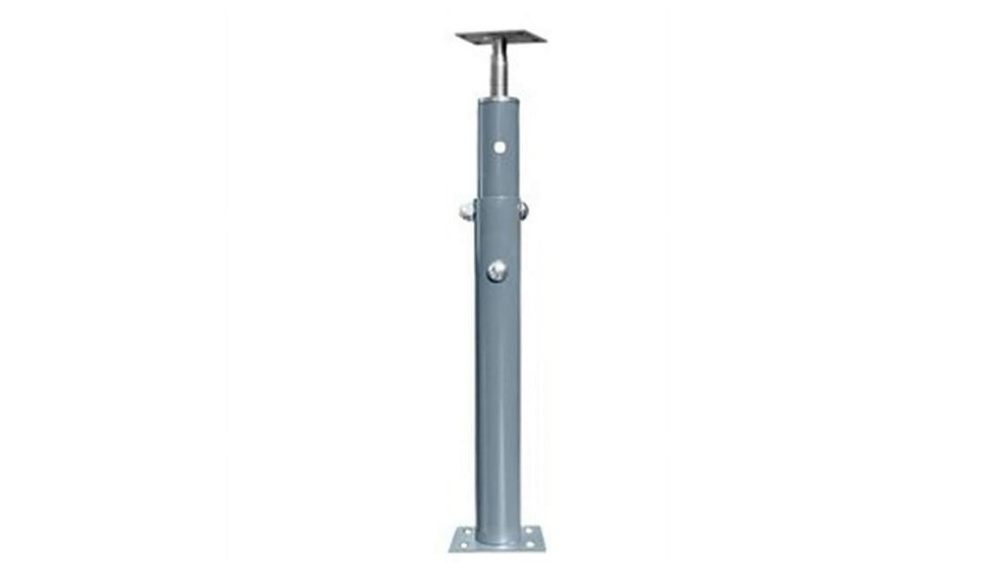
Adjustable steel posts provide extra support and flexibility. Place posts under beams that need lifting. Adjust the height slowly to raise the floor evenly. Steel posts resist rust and hold heavy loads well. They also allow small changes over time.
Ensuring Proper Load Distribution
Spread the floor’s weight evenly across all supports. Avoid putting too much pressure on one spot. Use cross beams or joists to share the load. Check that each beam and post carries weight correctly. Balanced load keeps the foundation stable and safe.

Credit: www.theglobeandmail.com
Common Challenges And Solutions
Jacking up the center of your floor foundation comes with certain challenges. These problems can make the task harder and delay repairs. Understanding common issues helps you prepare better. Also, knowing solutions saves time and money.
Dealing With Uneven Settling
Uneven settling happens when parts of the foundation sink more than others. This causes the floor to tilt or crack. To fix this, lift the lowest areas slowly and carefully. Use hydraulic jacks to raise sections in small steps. Check the floor level often during the process. This avoids over-correcting and creating new problems.
Handling Limited Crawlspace Access
Small crawlspaces make it tough to move tools and equipment. Tight spaces limit your movement and slow work. Use compact jacks designed for narrow areas. Light up the crawlspace with portable lamps. Clear out debris before starting. This gives you more room to work safely and efficiently.
Preventing Further Damage
Jacking can cause extra cracks or weaken the foundation if done wrong. Lift the floor slowly to reduce stress on materials. Support the floor with temporary braces during the repair. Inspect the foundation for hidden damage before jacking. Fix minor cracks early to stop them from growing larger.
Safety Tips During Floor Jacking
Jacking up the center of your floor foundation is a careful task. Safety must be your top priority. Small mistakes can cause serious accidents. Follow safety tips to protect yourself and your home.
Wearing Protective Equipment
Always wear gloves to protect your hands from sharp edges. Use safety glasses to shield your eyes from dust and debris. Wear sturdy boots to keep your feet safe. Protective gear helps reduce injury risks during floor jacking.
Avoiding Overlifting
Lift the floor in small steps. Avoid raising it too high at once. Overlifting puts extra stress on the jack and the floor. Move slowly to prevent sudden shifts or damage.
Regularly Checking Equipment Stability
Check the jack’s position often while lifting. Make sure it stays steady on a solid surface. Inspect the jack for any signs of wear or damage. Unstable equipment can cause accidents and harm the floor.
When To Call A Professional
Knowing when to call a professional can save you time and money. Jacking up the center of your floor foundation is not always a simple task. Some problems need expert skills to fix safely and correctly. Understanding the signs that require a professional can help avoid further damage.
Complex Structural Issues
Some foundation problems affect the entire structure. Cracks in walls, uneven floors, or doors that stick might mean serious issues. Complex problems can hide under the surface. A professional has the tools and knowledge to assess these issues. They know how to handle tricky repairs without causing more harm.
Extensive Foundation Damage
Minor shifts are often manageable alone. Large cracks or sinking floors need expert help. Extensive damage can weaken your home’s safety. Professionals can judge the damage and plan the right fix. They use strong jacks and supports to lift floors safely. Trying this yourself with big damage risks collapse or injury.
Permits And Inspections
Some repairs require legal permits. Cities and counties want to ensure work is safe. Professionals understand the permit process and local rules. They arrange inspections and make sure all work meets standards. Handling permits alone can cause delays or fines. Experts keep everything legal and smooth.
Frequently Asked Questions
How Do You Jack Up The Center Of A Floor Foundation?
To jack up the center of a floor foundation, first locate the sagging area. Place a strong support beam under the center. Use a hydraulic jack to slowly lift the beam. Raise the floor gradually to avoid damage. Secure the lifted area with permanent supports.
What Tools Are Needed To Jack Up A Floor Foundation?
You need a hydraulic jack, strong support beams, a level, and safety gear. A pry bar and measuring tape also help. These tools ensure safe and precise lifting of the floor foundation’s center.
When Should You Jack Up A Sagging Floor Foundation?
Jack up a sagging floor foundation when you notice uneven floors or cracks. Early action prevents further damage. It is essential to address foundation issues promptly for safety and structural integrity.
Can I Jack Up My Floor Foundation Without Professional Help?
Jacking up a floor foundation is complex and risky for beginners. Improper lifting can cause more damage. Hiring a professional ensures safety and correct procedures. DIY is only recommended if you have experience and proper tools.
Conclusion
Raising the center of your floor foundation takes careful steps. Start by assessing the problem and gathering the right tools. Work slowly and check progress often. Small lifts make a big difference over time. Stay safe and follow instructions closely.
Fixing your floor foundation can protect your home’s value. Keep patience—it’s worth the effort in the end. This guide helps you handle the job with confidence. You can improve your floor’s strength and stability today.