Are you struggling to get a screw anchor into your wall without it slipping or cracking? You’re not alone.
Whether you’re hanging a heavy picture, installing shelves, or mounting a TV, knowing the right way to insert a screw anchor can save you time and frustration. In this guide, you’ll discover simple, step-by-step tips that make the process quick and foolproof.
Keep reading, and you’ll learn how to secure your items safely and confidently every time.
:max_bytes(150000):strip_icc()/how-to-use-and-discard-anchor-screws-1822671-002-04-4963da18c2674e6bbf07e5fc07d5b4f0.jpg)
Credit: www.thespruce.com
Choosing The Right Screw Anchor
Choosing the right screw anchor is key to a strong hold. It helps secure items safely on walls. The anchor must fit the wall type and the weight of what you hang. Picking the wrong anchor can cause damage or failure. Learn about different anchors and how to select the best one for your project.
Types Of Screw Anchors
Screw anchors come in many types. Plastic expansion anchors are common for light loads. They expand when the screw is inserted, gripping the wall. Metal anchors offer more strength for medium loads. Toggle bolts have wings that open behind the wall for heavy loads. Each type suits different tasks and wall materials.
Matching Anchors To Wall Materials
Different walls need different anchors. Drywall anchors work well for hollow walls. Masonry anchors fit brick, stone, or concrete walls. Wood walls often need simple screws without anchors. Using the right anchor prevents wall damage and ensures stability. Check your wall before choosing an anchor.
Weight Capacity Considerations
Consider the weight of your item before choosing an anchor. Light items need light-duty anchors. Heavy items need heavy-duty anchors with higher weight capacity. Always check the anchor’s weight rating. Choose an anchor that can hold at least the weight of your item safely.

Credit: www.youtube.com
Tools And Materials Needed
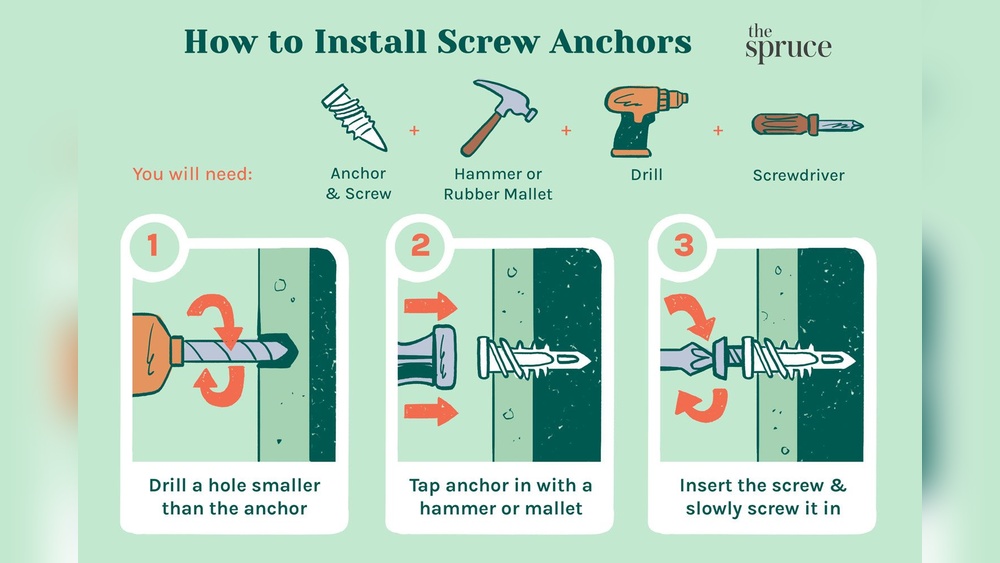
Getting a screw anchor into the wall needs the right tools and materials. These items help you work quickly and safely. Having everything ready makes the job smoother. Below are key tools to prepare before starting.
Drill And Drill Bits
A drill is essential to make holes for screw anchors. Use a drill bit that matches the anchor size. A drill with variable speed works best. It helps control the hole size and depth. Choose a bit for the wall type, like masonry or wood.
Screwdriver Options
Use a screwdriver to insert screws into anchors. A manual screwdriver works for small jobs. An electric screwdriver or drill with a screwdriver bit saves time. Pick a bit that fits the screw head. This prevents slipping and damage.
Measuring And Marking Tools
Accurate marks guide where to drill. Use a tape measure to find the spot. A pencil or marker makes clear marks on the wall. A level ensures holes are straight. These tools help place anchors correctly.
Preparing The Wall
Preparing the wall is the first step to install a screw anchor correctly. Proper preparation ensures the anchor holds strong and stays secure. It also protects your wall from damage and makes the process smoother.
Start by understanding the wall structure and marking the right spots. Safety is important throughout the process. Taking these steps carefully saves time and effort later.
Locating Studs And Avoiding Obstacles
Find the studs inside the wall before drilling. Studs provide strong support for heavy items. Use a stud finder or tap the wall to hear solid sounds. Avoid drilling near electrical wires and pipes. These can cause danger or damage if hit. Keep your drill away from these obstacles for safety.
Marking Drill Points
Mark the exact points where you want to drill. Use a pencil for clear, easy-to-see marks. Measure twice to ensure accuracy. Correct marks help place the anchor in the right spot. This prevents misalignment and weak holds.
Safety Precautions
Wear safety goggles to protect your eyes from dust and debris. Use a dust mask if needed, especially in dusty environments. Keep your hands steady and away from the drill bit. Work in a well-lit area to see clearly. Turn off power tools when not in use. These steps reduce the risk of injury and accidents.
Drilling The Hole
Drilling the hole correctly is a key step to get a screw anchor firmly in place. It ensures the anchor fits well and holds strong. Taking care at this stage saves time and avoids damage to your wall.
Selecting The Right Drill Bit Size
Choose a drill bit that matches the anchor’s diameter. The hole should be just wide enough for the anchor to fit tightly. Too large a hole makes the anchor loose and weak. Too small can split the wall or make insertion hard. Check the anchor package for the recommended drill bit size. Use a sharp, clean bit for smooth drilling.
Drilling Techniques For Different Walls
Drilling into drywall is simple; use a regular twist bit. For brick or concrete walls, use a masonry bit and a hammer drill setting. Drill slowly and steadily. Avoid pushing too hard to stop cracks or chips. For plaster walls, drill gently to prevent damage. Mark the spot before drilling. Keep the drill straight for an accurate hole.
Cleaning Out The Hole
Remove dust and debris from the hole after drilling. Use a small brush or blow air inside. Cleaning ensures the anchor sits flush and grips tightly. Dust can stop the anchor from holding well. Check the hole size again before placing the anchor. A clean hole means a stronger, safer fix.
Inserting The Screw Anchor
Inserting a screw anchor into the wall is a key step for strong support. This process requires care to avoid damage and ensure stability. Proper insertion helps the anchor hold weight safely and prevents slipping.
Aligning The Anchor Properly
Start by lining up the anchor with the hole you drilled. The anchor must sit straight and not tilt to one side. Straight alignment helps the screw enter smoothly and hold tightly. Check the hole size matches the anchor size for a snug fit.
Tapping The Anchor Into Place
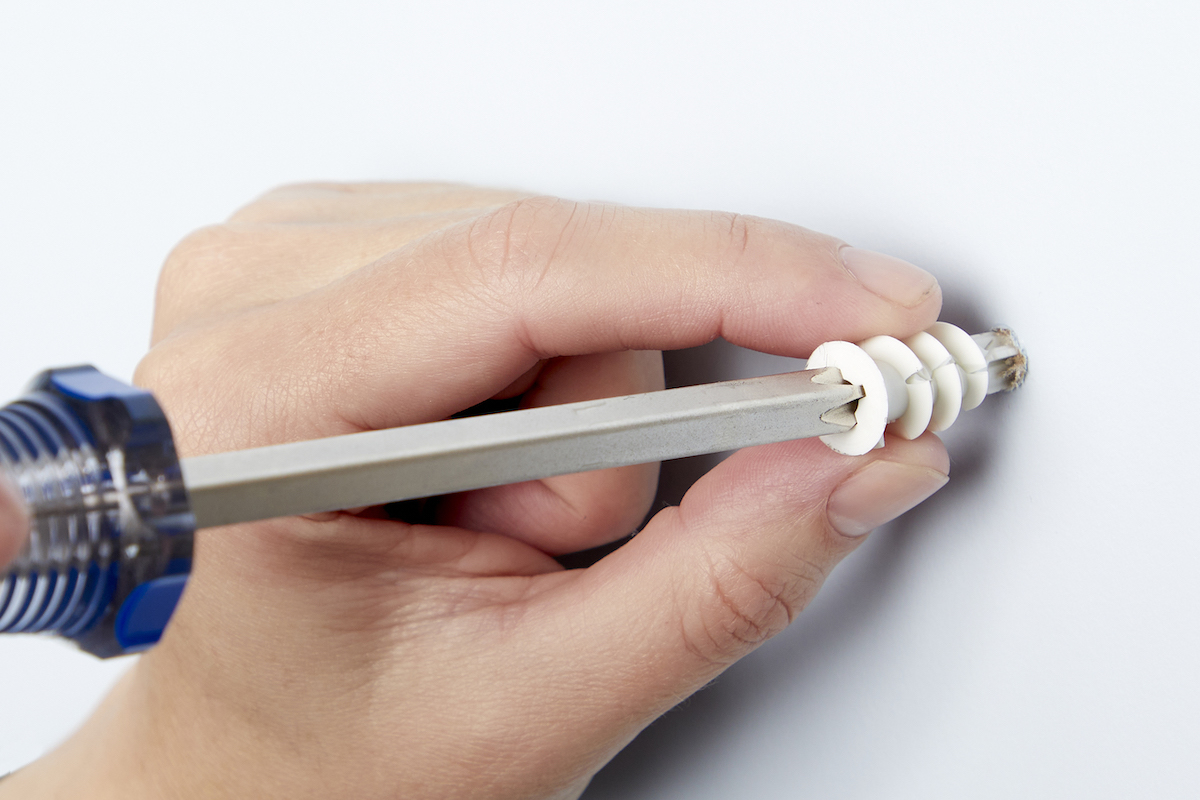
Gently tap the anchor into the hole using a hammer. Tap lightly to avoid cracking the wall or breaking the anchor. Push the anchor until it goes fully inside the wall cavity. If the anchor feels stuck, tap a little more until it slides in easily.
Ensuring A Flush Fit
Make sure the anchor sits flush against the wall surface. The top edge should not stick out or be too deep inside. A flush fit allows the screw to grip correctly and keeps the fixture stable. Use your fingers or a tool to press the anchor flat if needed.
Credit: www.bobvila.com
Securing The Screw
Securing the screw anchor properly ensures a strong hold in the wall. It keeps items safe and stable. Follow simple steps to secure the screw well.
Choosing The Correct Screw Length
Select a screw longer than the anchor by about 1 inch. This helps the screw grip firmly inside the anchor. Too short a screw will not hold well. Too long a screw may damage the wall.
Driving The Screw Without Damage
Turn the screw slowly into the anchor using a screwdriver. Avoid using too much force. Stop when you feel resistance. Over-tightening can crack the wall or break the anchor.
Checking For Firmness
After tightening, gently wiggle the screw. It should feel solid and not move. If it moves, remove and try again with a longer screw. A firm screw means your anchor is secure.
Troubleshooting Common Issues
Installing screw anchors can sometimes be tricky. Common problems include anchors feeling loose or holes getting damaged. Knowing how to fix these issues saves time and effort. This section helps solve frequent problems with screw anchors. Clear steps make the process easy for anyone to follow.
Dealing With Loose Anchors
Loose anchors often happen if the hole is too big. The anchor will not hold tight inside the wall. Try using a bigger anchor to fit the hole better. Another way is to fill the hole with a bit of wall filler or wood glue. Let it dry, then insert the anchor again. Tighten the screw slowly to avoid making it loose again.
Fixing Stripped Holes
Stripped holes occur when screws spin without gripping the wall. This happens if the hole is worn out or too large. To fix this, remove the anchor and fill the hole with a strong filler. Wait until it hardens fully. Drill a new, smaller hole nearby for a fresh anchor. This gives the screw more grip and stops it from stripping again.
When To Use Alternative Fixings
Some walls cannot hold screw anchors well. Drywall or hollow walls need special fixings. Use toggle bolts or molly bolts instead. These spread the weight and hold better in weak walls. For heavy items, consider wall plugs made for concrete or brick. Choosing the right fixing type ensures a secure hold every time.
Maintaining Strong Fixings
Maintaining strong fixings is key to keeping your screw anchors secure and safe. Proper care ensures your anchors hold weight well and last longer. Regular checks and simple habits help avoid damage and accidents.
Regular Inspection Tips
Check your screw anchors often. Look for any cracks or looseness around the anchor. Tighten screws if they feel loose. Watch for signs of rust or wear. Early fixes stop bigger problems later.
Avoiding Overloading
Do not put too much weight on the anchor. Know the weight limit of your wall and anchor type. Heavy items need stronger anchors or extra supports. Overloading can cause anchors to pull out or break.
Replacing Anchors Safely
Remove old anchors carefully to avoid wall damage. Use the right tools for pulling out anchors. Choose new anchors that fit your wall type. Install new anchors firmly to keep fixings strong.
Frequently Asked Questions
What Tools Do I Need To Install A Screw Anchor?
You need a drill, drill bit, hammer, screwdriver, and the screw anchor. These tools ensure proper hole size and secure fitting for the anchor.
How Do I Choose The Right Drill Bit Size?
Select a drill bit matching the anchor’s diameter. This ensures a snug fit and prevents the anchor from slipping or damaging the wall.
Can I Use Screw Anchors On Drywall?
Yes, screw anchors work well on drywall. They provide extra support for hanging items without damaging the wall surface.
How Deep Should I Drill For A Screw Anchor?
Drill a hole slightly deeper than the anchor length. This allows the anchor to fit fully and hold securely in the wall.
Conclusion
Getting a screw anchor into the wall is simple with the right steps. Start by choosing the right anchor size for your wall and screw. Drill a hole that fits the anchor snugly. Push the anchor in until it is flush with the wall surface.
Tighten the screw carefully to avoid damaging the anchor. This method keeps your items secure and your wall safe. Practice a few times to build confidence. Soon, you’ll handle any wall project with ease and good results.