If you own a floor jack, you know how important it is to keep it working smoothly. One key part of that is making sure your floor jack’s hydraulic oil is filled correctly.
Without the right amount and type of oil, your jack might not lift properly or could even get damaged. You’ll learn exactly how to fill your floor jack hydraulic oil step by step. By the end, you’ll be confident in maintaining your jack so it stays reliable and safe every time you use it.
Keep reading to avoid costly mistakes and get the job done right!
Choosing The Right Hydraulic Oil
Choosing the right hydraulic oil for your floor jack is very important. The oil helps the jack work smoothly and last longer. Using the wrong oil can cause damage and reduce performance. Knowing which type and viscosity to use keeps your jack safe and efficient.
Types Of Hydraulic Oil
Hydraulic oil comes in different types. Mineral-based oils are common and affordable. Synthetic oils offer better temperature stability and last longer. Some oils have additives to prevent rust and wear. Always check your jack’s manual for recommended oil types.
Viscosity And Compatibility
Viscosity means how thick the oil is. The right thickness helps the oil flow and protect parts. Too thick or too thin oil can cause problems. Compatibility means the oil must work well with your jack’s seals and materials. Use oil that matches the jack’s requirements for best results.
Where To Buy Quality Oil
Quality oil is available at auto parts stores and hardware shops. You can also buy from trusted online stores. Choose brands known for good hydraulic oils. Avoid cheap or unknown oils to prevent damage. Always check the label to ensure it fits your jack’s needs.

Credit: www.youtube.com
Preparing The Floor Jack
Preparing the floor jack is the first step to refill its hydraulic oil properly. This process helps ensure the jack works safely and efficiently. Taking time to prepare the jack prevents damage and keeps you safe. Follow these simple steps before adding the oil.
Safety Precautions
Wear gloves and eye protection before starting. Place the jack on a flat, stable surface. Make sure the jack is lowered completely. Avoid working near open flames or sparks. Keep children and pets away from the work area. Check the jack for any visible damage or leaks. Never use the jack if it looks broken or unsafe.
Tools Needed
Gather all tools before you begin. You will need a wrench or screwdriver to open the oil fill plug. Have a clean container ready for old oil drainage. Use a funnel to pour new hydraulic oil. Keep some rags nearby to wipe spills. These tools make the job easier and cleaner.
Cleaning The Jack
Remove dirt and dust from the jack’s surface. Use a clean cloth to wipe the area around the oil fill plug. Cleaning prevents dirt from entering the hydraulic system. Check the jack’s wheels and moving parts for debris. Clean any buildup to keep the jack working smoothly. Proper cleaning helps avoid future problems.
Draining Old Hydraulic Oil
Draining old hydraulic oil is an important step before adding new oil to your floor jack. Removing the used oil helps keep the jack working smoothly. It also prevents damage from dirty or thick oil. Proper draining ensures the jack lasts longer and stays safe to use.
Follow simple steps to drain the oil carefully. Use the right tools and take safety precautions. Clean oil means better performance and longer life for your jack.
Locating The Drain Plug
Start by finding the drain plug on your floor jack. This plug is usually at the bottom or side of the jack. Check the user manual if you cannot see it. Use a wrench to loosen the plug. Place a container under the plug to catch the old oil. Remove the plug carefully. Let the oil drain completely before closing the plug again.
Proper Disposal Methods
Old hydraulic oil is hazardous waste. Do not throw it in the trash or pour it on the ground. Store the used oil in a sealed container. Take it to a local recycling center or hazardous waste disposal site. Many auto shops accept used oil for recycling. Following these steps protects the environment and follows the law.
Checking For Contaminants
After draining, look at the old oil. Check if it has dirt, metal particles, or water. Contaminants show that the jack needs cleaning or repair. Dirty oil can harm the jack’s parts. If the oil looks clean, the jack is likely in good condition. Use this check to keep your floor jack safe and reliable.
Filling The Floor Jack With Oil
Filling the floor jack with hydraulic oil is an important step. Proper oil levels help the jack lift heavy loads safely and smoothly. Without enough oil, the jack may not work well or could get damaged.
Follow each step carefully to fill the oil correctly. This keeps the jack in good condition and extends its life.
Opening The Fill Port
Find the fill port on your floor jack. It is usually a small plug or screw on the jack’s body. Clean the area around the fill port to stop dirt from entering the system.
Use the right tool to open the fill port carefully. Do not force it to avoid damage.
Pouring Oil Correctly
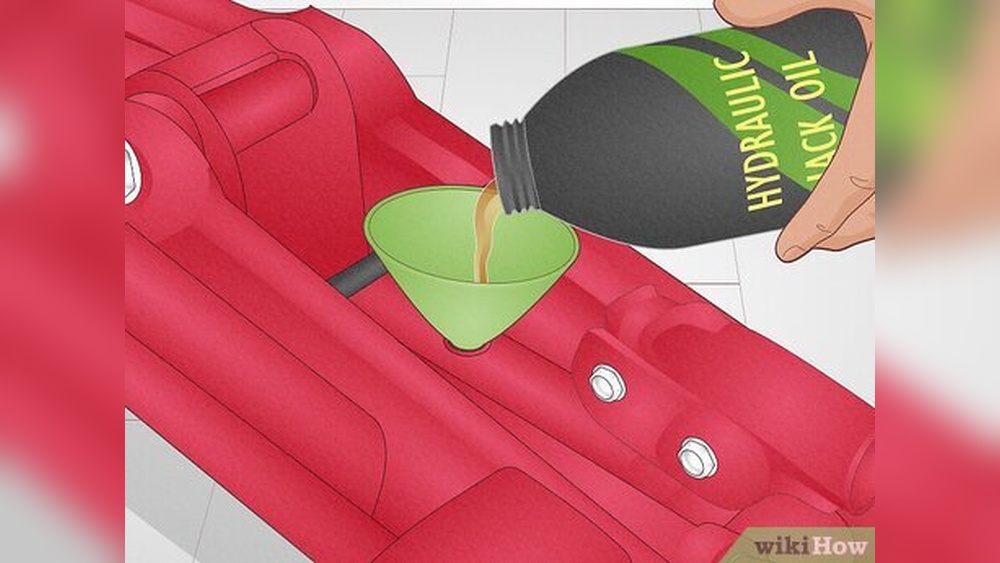
Use the recommended hydraulic oil for your floor jack. Pour the oil slowly into the fill port. This helps avoid spills and bubbles inside the system.
Keep the jack level while pouring the oil. Check the oil level often during the process.
Avoiding Overfilling
Stop pouring oil when it reaches the correct level. Overfilling can cause leaks and reduce the jack’s performance.
Use a clean cloth to wipe any spilled oil around the fill port. Tighten the fill port securely after filling.
Bleeding Air From The System
Bleeding air from the hydraulic system is a key step when filling floor jack oil. Air trapped inside the system can cause poor jack performance and reduce lifting power. Removing air ensures smooth operation and extends the jack’s life. This section explains why bleeding is important, how to do it, and how to know if it’s done right.
Why Air Bleeding Is Important
Air in the hydraulic system blocks oil flow. This leads to jerky or slow jack movement. The jack may not lift as high or hold weight steadily. Air pockets cause a spongy feel when pumping the handle. Removing air restores full hydraulic pressure for safe and reliable use.
Step-by-step Bleeding Process
First, open the release valve slightly to let air escape. Pump the jack handle slowly several times. This pushes air out through the valve. Keep the valve open until no more air bubbles appear. Close the release valve tightly. Check the oil level and add more if needed. Repeat the process if the jack still feels soft.
Signs Of Proper Bleeding
The jack moves smoothly without jerks or delays. Pumping feels firm and consistent. The jack lifts steadily and holds the load without sinking. No air noises come from the system. Proper bleeding means the jack works efficiently and safely every time.

Credit: www.youtube.com
Testing The Floor Jack
Testing the floor jack is a key step after filling the hydraulic oil. It ensures the jack works safely and efficiently. Proper testing helps spot issues early. It confirms the oil fill was done correctly. Follow these simple checks to keep your jack in top shape.
Checking For Smooth Operation
Start by pumping the jack handle slowly. The jack should lift smoothly without jerking. Listen for any strange noises or grinding sounds. The handle should move easily without sticking. Lower the jack gently to check smooth descent. Smooth operation means the oil is flowing well inside.
Detecting Leaks
Look around the jack for any oil spots. Check the hydraulic cylinder and seals closely. Oil leaks cause loss of pressure and poor performance. Clean any oil residue before testing to spot fresh leaks. Small leaks can get worse over time. Fix leaks quickly to keep the jack safe.
Adjusting If Needed
If the jack feels stiff or does not lift high, adjust it. Use the release valve to control pressure carefully. Tighten or loosen the valve slowly while testing the lift. Repeat pumping and lowering to check changes. Proper adjustments improve performance and safety. Do not force any parts during adjustment.
Maintenance Tips For Longevity
Proper maintenance helps your floor jack last longer and work better. Taking care of the hydraulic oil is key. Clean, fresh oil keeps the jack moving smoothly. Follow these simple tips to keep your floor jack in top shape.
Regular Oil Checks
Check the hydraulic oil level often. Use a clean cloth to wipe the fill plug before opening. Low oil can cause poor lifting performance. Top off oil if it looks dirty or low. Keep oil clean to avoid damage inside the jack.
Storage Recommendations
Store your floor jack in a dry place. Avoid damp or dusty areas that can contaminate the oil. Keep the jack lowered when not in use. This reduces pressure on seals and stops leaks. Cover the jack to protect it from dirt and dust.
When To Replace Hydraulic Oil
Change the hydraulic oil at least once a year. Replace it sooner if the oil is dark or thick. Old oil loses its ability to lift smoothly. Use the oil type recommended by the jack’s manufacturer. Clean oil means safer and smoother operation.

Credit: www.wikihow.com
Frequently Asked Questions
How Do I Refill Hydraulic Oil In A Floor Jack?
To refill, locate the oil fill plug on the jack. Clean around it, remove the plug, and add recommended hydraulic oil. Fill slowly to avoid overfilling. Replace the plug securely after filling.
What Type Of Hydraulic Oil Is Best For Floor Jacks?
Use high-quality, non-detergent hydraulic jack oil or SAE 10-30 motor oil. Avoid using brake fluid or engine oil to prevent damage. Always check the manufacturer’s manual for the recommended oil type.
How Often Should I Change Hydraulic Oil In My Floor Jack?
Change the hydraulic oil every 12 months or after heavy use. Regular oil changes ensure smooth operation and prevent corrosion inside the jack. Inspect the oil for dirt or discoloration before refilling.
What Are Signs Of Low Hydraulic Oil In A Floor Jack?
If the jack lifts slowly or doesn’t lift at all, the oil may be low. You might also hear unusual noises or notice fluid leaks. Check oil levels regularly for optimal performance.
Conclusion
Filling floor jack hydraulic oil keeps your tool working well. Follow steps carefully to avoid spills and damage. Use the right oil type for best results. Regular checks help spot leaks or low oil early. Clean parts before filling to prevent dirt inside.
Proper care extends your floor jack’s life. Stay safe by handling oil with care. Keep your jack ready for any job ahead. Simple maintenance saves time and money later.