Is your deadbolt not locking smoothly or getting stuck every time you try to secure your door? Misaligned deadbolts can be frustrating and even compromise your home’s safety.
But don’t worry—you don’t need to call a locksmith right away. With a few simple steps, you can fix your deadbolt alignment yourself and make your door lock perfectly again. Keep reading, and you’ll learn easy, practical tips that save you time, money, and stress.
Your peace of mind starts with a properly aligned deadbolt, and we’re here to help you get there quickly.

Credit: www.thisoldhouse.com
Signs Of Misaligned Deadbolt
Misaligned deadbolts can cause many problems with your door’s security. Recognizing the signs early helps you fix the issue before it worsens. Watch out for common symptoms that show your deadbolt is not aligned properly. These signs affect how smoothly your lock works and how secure your door feels.
Difficulty Turning The Key
If the key turns hard or gets stuck, the deadbolt might be misaligned. The lock’s internal parts no longer match up perfectly. This makes it tough to operate the lock smoothly. You might feel resistance or hear grinding noises when you try to turn the key.
Deadbolt Not Fully Extending
The deadbolt should slide fully into the door frame. If it stops halfway or does not extend, the alignment is off. This reduces the lock’s strength and security. The bolt may catch on the strike plate or the door frame edges.
Door Not Closing Properly
A misaligned deadbolt can prevent your door from closing fully. The door might stick or feel tight near the lock area. You may need to push or pull hard to close it. This can damage the door, frame, and lock over time.
Tools Needed For Alignment
Fixing deadbolt alignment needs a few simple tools. These tools help you adjust the lock smoothly. Using the right tools makes the job easier and faster.
Screwdrivers And Drill
Screwdrivers are essential for removing and tightening screws. A drill speeds up the process, especially with many screws. Choose the right size screwdriver for your screws. A cordless drill is handy for quick work. Keep both Phillips and flathead screwdrivers nearby.
Wood Shims And Tape
Wood shims help adjust the door frame slightly. They fill gaps and support the door’s position. Tape holds shims in place while you work. Use painter’s tape or masking tape for easy removal. These tools prevent the door from shifting during alignment.
Measuring Tape And Pencil
Measuring tape checks the exact distance between parts. Accurate measurement ensures the deadbolt lines up perfectly. Use a pencil to mark spots for screws and adjustments. Clear marks guide your work and avoid mistakes. Always measure twice to be sure.
Adjusting The Strike Plate
Adjusting the strike plate is a key step in fixing deadbolt alignment problems. The strike plate is the metal piece on the door frame where the deadbolt latch fits. If it is out of position, the deadbolt will not lock properly. You can fix this by changing the strike plate’s position or shape. These small fixes often solve the problem quickly.
Loosening And Repositioning
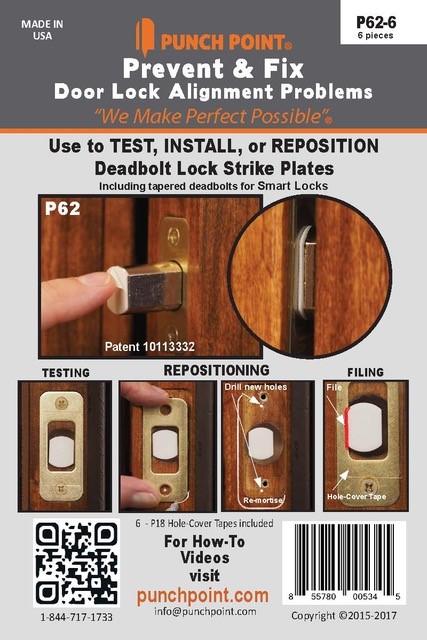
Start by loosening the screws on the strike plate. Do not remove them completely. Move the strike plate slightly up, down, left, or right. Test the deadbolt each time you adjust. Find the spot where the bolt fits best. Tighten the screws once the strike plate lines up well with the bolt.
Filing The Strike Plate
If the deadbolt still sticks, use a metal file on the strike plate. File the hole or edges where the bolt hits. Remove small amounts of metal at a time. Check the fit often. Filing makes the hole bigger. This helps the deadbolt slide in smoothly without forcing it.
Reinforcing With Longer Screws
Replace the strike plate screws with longer ones. Longer screws reach deeper into the door frame. This adds strength and keeps the strike plate steady. A steady strike plate keeps the deadbolt aligned better. Use screws that are at least 3 inches long for best results.

Credit: www.reddit.com
Realigning The Deadbolt Lock
Realigning the deadbolt lock fixes many common door issues. A misaligned deadbolt can cause difficulty locking or unlocking. Small adjustments often restore smooth operation. This section guides you through simple steps for realignment.
Checking The Deadbolt Mechanism
First, inspect the deadbolt and strike plate. Open the door and extend the deadbolt. See if it lines up with the strike plate hole. Check for any visible damage or wear. Test the lock by turning the key or knob slowly. Notice any resistance or sticking points.
Adjusting The Lock Position
If the deadbolt does not fit the strike plate, adjust the lock. Loosen the screws holding the lock on the door. Move the lock slightly up, down, or sideways. Tighten the screws and test the lock again. Repeat until the deadbolt slides smoothly into place.
Tightening Loose Components
Loose screws cause misalignment and wobbling. Check all screws on the lock and strike plate. Use a screwdriver to tighten any loose screws. Ensure the lock feels firm and stable on the door. Test the deadbolt several times to confirm proper alignment.
Fixing Door Frame Issues
Fixing door frame issues is key to solving deadbolt alignment problems. A misaligned deadbolt can stop your door from locking properly. The door frame might be warped, loose, or damaged. Fixing these problems helps your lock work smoothly and keeps your home safe.
Identifying Warped Frames
Look closely at the door frame for bends or twists. Warped frames make the deadbolt miss the strike plate. Check for gaps between the door and frame. Use a straight edge or level to spot uneven areas. Warps cause the door to close unevenly.
Using Wood Shims
Wood shims help fix small gaps and misalignments. Place shims behind the frame where it is loose or uneven. Tap them gently until the frame fits tightly. Shims keep the frame straight and support the deadbolt. Trim extra shim pieces for a clean look.
Replacing Damaged Sections
Damaged frame parts can stop the deadbolt from working. Remove rotten or broken wood carefully. Cut a new piece to match the old frame. Attach it firmly with nails or screws. Sand and paint the new section to blend well.
Preventing Future Misalignment
Deadbolt misalignment causes frustration and weakens home security. Preventing future misalignment keeps your door secure and easy to use. Small efforts can stop problems before they start. Focus on simple habits and smart choices.
Regular Maintenance Tips
Check your deadbolt every few months. Tighten loose screws on the lock and strike plate. Clean dirt and dust around the lock. Lubricate the bolt with graphite or silicone spray. Avoid oil-based lubricants that attract grime. These steps keep the deadbolt working smoothly and aligned.
Weatherproofing The Door
Weather changes can warp your door and affect alignment. Seal gaps around the door with weatherstripping. Install a door sweep to block rain and drafts. Use paint or varnish to protect the door from moisture. A stable door frame helps keep the deadbolt aligned and secure.
Choosing Quality Hardware
Buy deadbolts made of strong, durable materials. Choose locks with adjustable strike plates for easier alignment. Avoid cheap locks that wear out quickly and cause misalignment. Quality hardware lasts longer and needs less fixing. Invest in good locks to protect your home and reduce hassle.
Credit: punchpoint.com
Frequently Asked Questions
How Do I Know If My Deadbolt Is Misaligned?
Check if the deadbolt doesn’t smoothly enter the strike plate. Difficulty locking or unlocking often signals misalignment. Inspect the door frame and deadbolt strike for visible gaps or unevenness. Misalignment can cause the lock to stick or jam, indicating it needs adjustment.
What Tools Are Needed To Fix Deadbolt Alignment?
You’ll need a screwdriver, pencil, drill, wood filler, and possibly a chisel. These tools help adjust the strike plate and door frame. A level may also be useful to ensure proper alignment. Having the right tools makes the repair easier and more precise.
Can I Fix Deadbolt Alignment Myself?
Yes, most deadbolt alignment issues can be fixed DIY. Basic tools and careful adjustments are usually enough. Follow step-by-step instructions to reposition the strike plate or adjust the door frame. If problems persist, consider consulting a locksmith for help.
Why Does My Deadbolt Keep Sticking?
Sticking deadbolts often result from misalignment or swelling of the door. Weather changes can cause wood expansion, affecting the fit. Dirt and debris in the lock mechanism can also cause sticking. Regular maintenance and alignment checks prevent this issue.
Conclusion
Fixing deadbolt alignment takes patience and simple steps. Check the strike plate and adjust it carefully. Tighten screws and make small changes for smooth locking. Test the lock after each fix to see progress. Proper alignment keeps your door secure and easy to use.
Take your time and follow the steps well. A well-aligned deadbolt protects your home better. You can handle this task yourself with basic tools. Stay safe and keep your door working right.