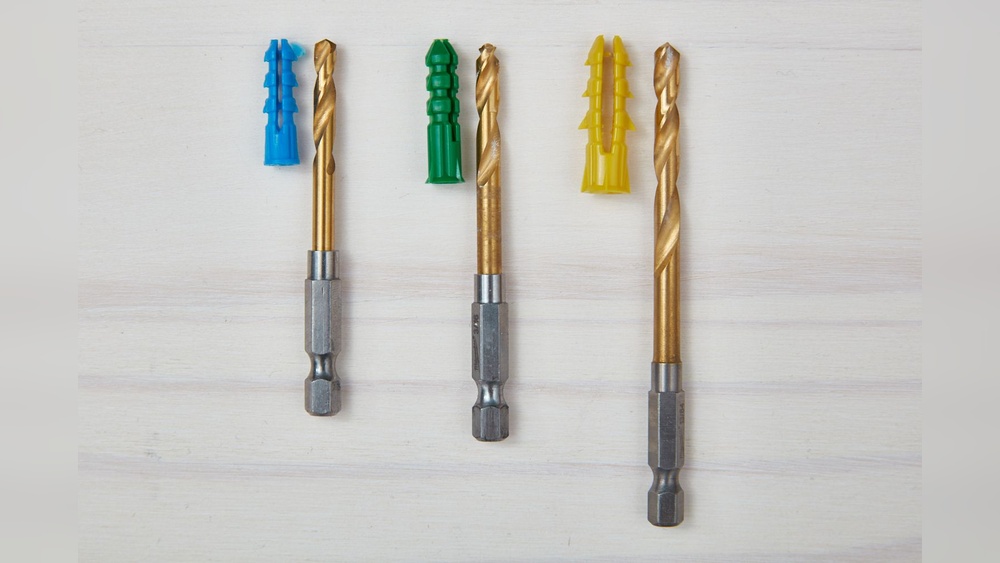
When you’re ready to hang something on your wall, getting the right drill bit size for your wall anchors is key. Using the wrong size can mean a loose fit or even damage to your wall.
But how do you know which drill bit matches your wall anchor perfectly? You’ll discover simple, clear steps to help you choose the right drill bit every time. By the end, you’ll feel confident tackling your next wall project without any guesswork or frustration.
Keep reading to make sure your anchors hold strong and your walls stay safe.
Types Of Wall Anchors
Wall anchors hold screws firmly in walls. Different types suit different wall materials and weights. Choosing the right anchor is key for a strong hold. Each anchor type needs a specific drill bit size. Understanding these types helps you pick the right drill bit.
Plastic Expansion Anchors
Plastic expansion anchors are common for light loads. They work well in drywall and plaster. Drill a hole just the size of the anchor. The anchor expands when the screw goes in. This creates a tight grip inside the wall.
Toggle Bolts
Toggle bolts hold heavy items on hollow walls. They have wings that open behind the wall. Drill a hole big enough for the folded wings. The wings spread out to hold the weight. They need larger holes than plastic anchors.
Molly Bolts
Molly bolts are metal anchors for medium to heavy loads. Insert them into a drilled hole in drywall. Tightening the screw makes the anchor legs open inside the wall. Drill a hole matching the anchor size. They provide strong, permanent support.
Self-drilling Anchors
Self-drilling anchors do not need a pre-drilled hole. They have sharp tips to cut into drywall. Twist the anchor into the wall by hand. Use a drill bit only if extra space is needed. They are quick and easy for light to medium loads.

Credit: www.confast.com
Choosing The Right Drill Bit
Choosing the right drill bit is key to a strong and safe wall anchor. The drill bit must fit the anchor size perfectly. It must also suit the wall material. This ensures a snug hold and prevents damage.
Knowing which drill bit to use helps avoid mistakes. It saves time and keeps the anchor secure. Below are important points to guide your choice.
Matching Drill Bit To Anchor Size
Select a drill bit that matches the anchor’s diameter. Too small, and the anchor won’t fit. Too big, and the anchor will be loose. Use a drill bit the same size as the anchor’s body. Check the anchor packaging for exact size details. This step ensures the anchor holds tightly in the wall.
Material Considerations
Different walls need different drill bits. Concrete, brick, drywall, and wood all behave differently. Hard materials like concrete need strong, carbide-tipped bits. Soft materials like drywall need standard bits. Choose bits that match the wall’s hardness. This prevents cracks and helps the anchor stay firm.
Drill Bit Types For Different Walls
Twist bits work well for wood and drywall. Masonry bits are best for brick and concrete. Spade bits can be used for larger holes in wood. Use the right bit type for each wall to avoid damage. Correct bits make drilling easier and faster. This keeps your wall and anchor safe.
Measuring Drill Bit Size
Measuring the right drill bit size is key for strong wall anchor installation. The drill bit must match the anchor size for a secure fit. Too large or too small creates weak support. This section explains how to measure drill bits accurately for your wall anchors.
Using A Caliper Or Gauge
A caliper or drill bit gauge helps measure drill bit width precisely. Place the drill bit between the caliper jaws. Read the measurement on the scale to get the diameter. This tool gives exact size, avoiding guesswork. It works best for metal and masonry bits.
Checking Anchor Diameter
Measure the wall anchor’s widest part with a ruler or caliper. This diameter guides the drill bit size choice. The drill hole should match this width closely. If the drill hole is smaller, the anchor won’t fit. If it’s bigger, the anchor will be loose and fail.
Test Drilling Techniques
Test drilling saves time and prevents errors. Drill a small hole in scrap wood or drywall. Insert the anchor to see if it fits tightly. Adjust drill bit size based on the test fit. Repeat until the anchor slides in snugly without force.

Credit: www.reddit.com
Step-by-step Drilling Process
Drilling the right hole for wall anchors is key to a strong hold. Follow these simple steps to drill accurately. Each step helps avoid mistakes and keeps your work safe and steady.
Marking The Spot
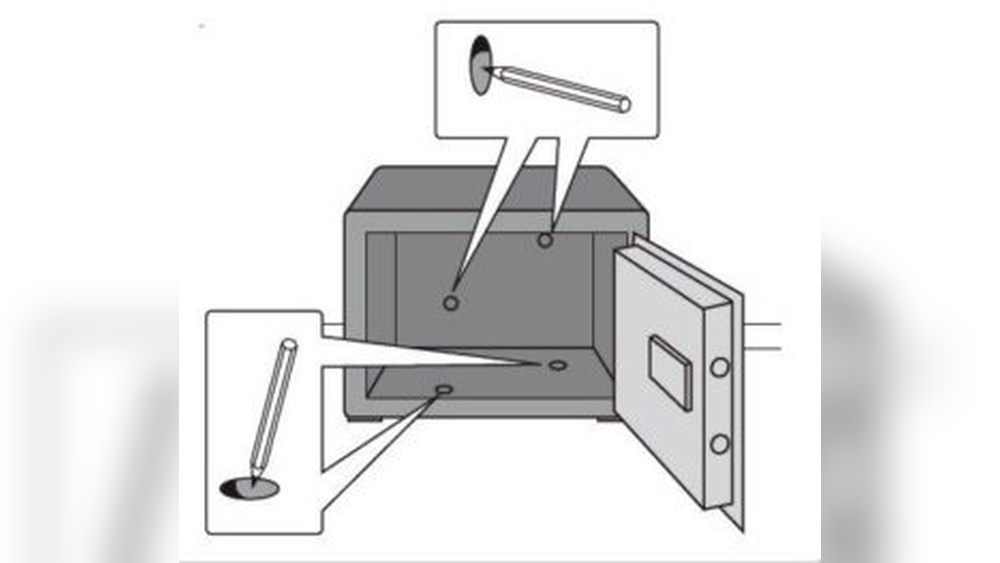
Start by finding the exact place to drill. Use a pencil to make a small dot on the wall. Check that the mark is level and in the right position. This mark guides your drill and keeps the hole in the correct spot.
Drilling At Correct Depth
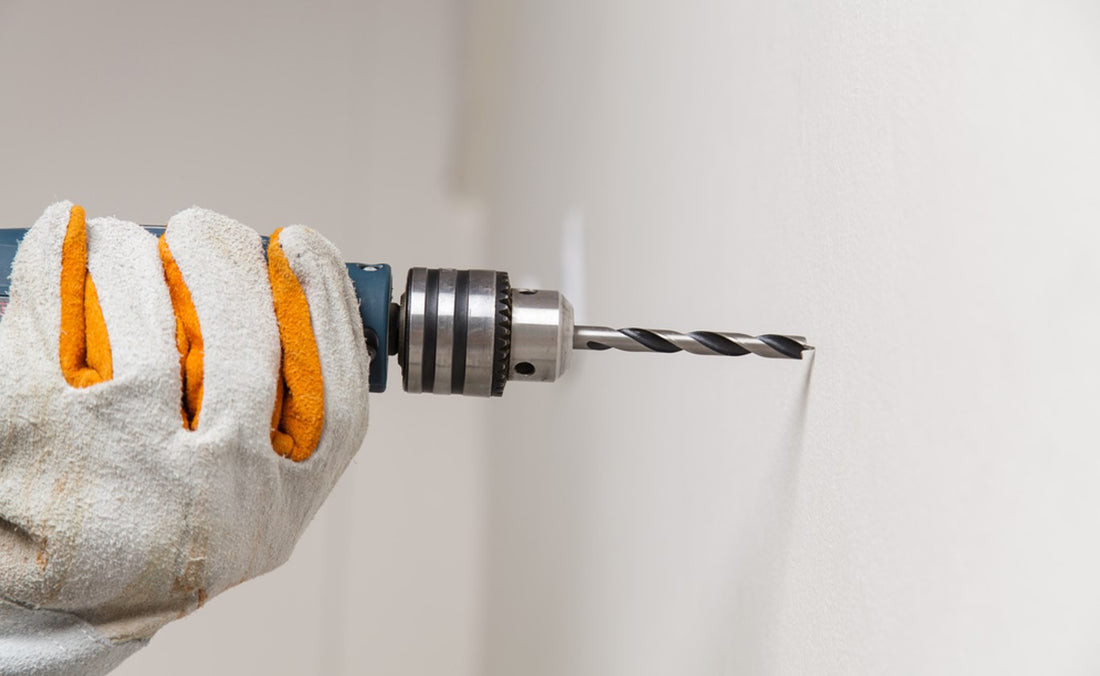
Choose a drill bit that matches the size of your wall anchor. Set a depth stop or use tape on the drill bit to limit how deep you go. Drill slowly and straight into the wall. Stop once you reach the marked depth to avoid going too far.
Cleaning The Hole
Remove dust and debris from the hole with a brush or vacuum. A clean hole helps the anchor fit tightly. It also improves the grip and strength of the anchor in the wall. Check the hole is clear before inserting the anchor.
Common Mistakes To Avoid
Sizing drill bits for wall anchors may seem easy. Mistakes can cause weak holds or damage walls. Avoiding common errors helps secure anchors properly. Learn what to watch out for to get the job done right.
Using Oversized Drill Bits
Choosing a drill bit too large makes anchor loose. The anchor won’t grip the wall firmly. This can cause the anchor to fall out. Always match the drill bit size to the anchor size. Measure carefully before drilling.
Ignoring Wall Material
Different walls need different drill bits. Brick, drywall, and concrete require special bits. Using the wrong bit damages the wall. It also weakens the anchor’s hold. Check the wall type before selecting a drill bit.
Skipping Depth Checks
Drilling too shallow means the anchor won’t fit. Drilling too deep wastes time and weakens support. Use a depth stop or tape on the drill bit. This ensures the hole matches the anchor length exactly.
Credit: simpleweld.com
Tips For Secure Anchor Installation
Secure anchor installation makes a strong hold on your wall. It stops anchors from coming loose or falling out. Follow these tips to ensure your anchors stay firm and reliable. Proper sizing and drilling methods play a big role in this process.
Pre-drilling Vs. Self-drilling Anchors
Pre-drilling means making a hole before inserting the anchor. This is common for heavy-duty anchors. The hole size must match the anchor size exactly.
Self-drilling anchors cut their own hole. They work well for drywall and light loads. No drill bit size guesswork. Choose based on anchor type and wall material.
Using Pilot Holes
Pilot holes guide the anchor and prevent wall damage. Drill a small hole first, then insert the anchor. This reduces cracking and helps keep the anchor steady.
Use a drill bit slightly smaller than the anchor diameter. It ensures a tight fit and better grip. Avoid making the hole too large or too small.
Ensuring Anchor Stability
Check the anchor fits snugly without forcing it. Loose anchors can pull out under weight. Tight anchors might crack the wall.
Tap anchors gently with a hammer for a flush fit. Test by pulling lightly to confirm it holds firm. Properly installed anchors last longer and support more weight.
Frequently Asked Questions
How To Choose The Right Drill Bit Size For Wall Anchors?
Select a drill bit that matches the wall anchor’s diameter exactly. This ensures a snug fit, preventing anchor looseness or wall damage.
What Happens If Drill Bit Size Is Too Big?
A drill bit that’s too large creates a loose hole. The anchor won’t grip properly, reducing holding strength and stability.
Can A Smaller Drill Bit Damage Wall Anchors?
Using a smaller bit makes insertion hard and may split the anchor. Always match the drill bit size to the anchor for best results.
How To Measure Drill Bit Size For Different Wall Anchors?
Check the anchor packaging or use a caliper to measure its diameter. Choose a drill bit that matches this size for accurate holes.
Conclusion
Choosing the right drill bit size is key for strong wall anchor support. Match the drill bit diameter to the anchor size for a tight fit. Too small or large can cause weak holds or damage. Always measure twice and drill carefully.
This simple step helps keep your projects safe and sturdy. Taking the time to size drill bits correctly makes a big difference. Trust the process and your anchors will hold firm every time.