
If you’ve ever needed to lift your car safely and quickly, knowing how to use a car floor jack is a skill you can’t afford to miss. Whether you’re changing a tire or doing simple repairs, the right technique can save you time and keep you safe.
In this guide, you’ll discover clear, step-by-step instructions that make using a floor jack easy—even if you’ve never tried it before. Stick with me, and you’ll gain the confidence to lift your car like a pro, avoiding common mistakes that can cause damage or injury.
Ready to take control and get the job done right? Let’s dive in.
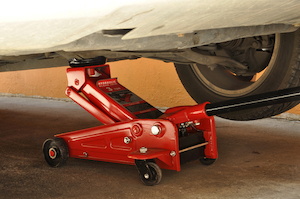
Credit: tameson.com
Choosing The Right Floor Jack
Choosing the right floor jack is important for safety and ease of use. The right jack lifts your car smoothly and holds it steady. Picking the best type and size saves time and effort. Let’s explore key points to consider before buying a floor jack.
Types Of Floor Jacks
There are several types of floor jacks. The most common is the hydraulic floor jack. It uses fluid pressure to lift heavy loads easily. Another type is the scissor jack, which is smaller and manual. Bottle jacks are compact and strong but less stable. Each type fits different tasks and cars.
Weight Capacity Considerations
Check the weight capacity before buying a jack. It must support your car’s weight safely. Most cars need a jack with at least 2 to 3 tons capacity. Trucks or SUVs might require jacks with higher capacity. Using a jack with low capacity is dangerous and can fail.
Quality And Durability Factors
Choose a jack made from strong materials like steel. Quality parts last longer and work better. Look for smooth lifting action and a solid base. Avoid jacks with plastic parts or weak welds. A durable jack gives safety and saves money over time.

Credit: www.youtube.com
Preparing Your Vehicle
Positioning the floor jack properly is crucial for safe lifting. It ensures the car stays steady and prevents damage. Knowing where and how to place the jack can save time and avoid accidents. Follow these simple steps to position the floor jack correctly before lifting your vehicle.
Locating Jack Points
Every car has specific jack points. These are strong spots made to hold the jack. Check your owner’s manual to find exact locations. Common jack points are near the wheels or under the frame. Avoid placing the jack on soft or rusty parts.
Aligning The Jack Correctly
Place the jack under the chosen jack point. Make sure the jack’s saddle is centered beneath the point. Align it straight to avoid slipping. Do not tilt the jack or place it at an angle. Proper alignment helps lift the car evenly.
Ensuring Stability
Before lifting, check that the jack sits flat on the ground. Use a firm, level surface like concrete or asphalt. Avoid soft or uneven ground that can shift. Keep the car in park or gear and use the parking brake. This keeps the car steady during lifting.
Positioning The Floor Jack
Operating a car floor jack is simple but requires care. This tool lifts your vehicle to work underneath safely. Follow clear steps to avoid accidents and damage. Learn how to use the handle, raise the car slowly, and check stability before working.
Pumping The Handle Safely
Place the jack handle firmly into the pump socket. Push the handle up and down smoothly. Avoid sudden or jerky movements. Pump steadily to lift the jack arm. Keep your hands and feet clear of moving parts.
Raising The Vehicle Gradually
Position the jack under the car’s lifting point. Begin pumping the handle slowly. Watch the vehicle rise inch by inch. Stop if you feel resistance or hear strange noises. Lift the car just enough to do the job.
Checking Vehicle Stability
Once raised, check if the vehicle stands firm. Gently rock the car to test balance. If it wobbles, lower and reposition the jack. Use jack stands for extra safety. Never rely on the jack alone to hold the car.
Operating The Floor Jack
Using jack stands is a critical step after lifting your vehicle with a floor jack. They keep the car stable and secure while you work beneath it. Never rely on the jack alone to hold the vehicle up. Jack stands provide a strong support base and prevent accidents.
Importance Of Jack Stands
Jack stands hold the vehicle safely in place. They stop the car from falling if the jack slips. Using stands reduces the risk of injury. They are made of heavy-duty metal for strong support. Safety is the top priority when working under a car.
Placing Stands Under Vehicle
Find the correct lift points under your vehicle. These points are in the owner’s manual or marked on the car. Place the jack stands under these spots. Make sure the stands are on a flat, solid surface. Adjust the height of the stands to fit the lifted car.
Lowering Vehicle Onto Stands
Slowly lower the vehicle with the floor jack. Guide the car down until it rests securely on the jack stands. Check that the stands hold the weight evenly. Give the car a gentle push to test stability. Never work under a car that feels unstable.
Using Jack Stands
Lowering the vehicle after using a car floor jack is a critical step for safety. It requires care and attention to avoid accidents. Taking your time ensures the car comes down smoothly and safely onto the ground.
Removing Jack Stands Safely
Before lowering the car, remove the jack stands carefully. Make sure the floor jack supports the vehicle alone. Check that the jack is stable. Slowly lift the car just enough to take the weight off the stands. Then, gently remove the stands from under the car. Keep your hands and feet clear of the vehicle.
Lowering Slowly
Turn the jack handle slowly to lower the vehicle. Do not rush this process. A slow descent prevents sudden drops. Watch the car as it lowers. Make sure it stays balanced on the jack. Stop if the car shifts or wobbles. Lower the car until the tires touch the ground completely.
Final Safety Checks
Once the vehicle is on the ground, remove the jack carefully. Double-check that the car is stable. Look under the car for any tools or objects left behind. Test the car’s stability by gently rocking it. Make sure it does not move or tilt. Your vehicle is now safely lowered and ready to use.

Credit: www.youtube.com
Lowering The Vehicle
Using a car floor jack requires caution to stay safe. Many accidents happen because of simple mistakes. Avoiding common safety errors protects you and your vehicle. Learn these key safety tips before starting any jack work.
Overloading The Jack
Never lift more weight than the jack’s limit. Each jack has a maximum capacity. Exceeding this can cause the jack to fail. The car might fall, causing injury or damage. Check your vehicle’s weight and jack rating first.
Ignoring Surface Stability
Always use the jack on a hard, flat surface. Soft or uneven ground can make the jack tip over. Dirt, grass, or gravel are unsafe places. A stable surface keeps the car steady while lifted. Use a board under the jack if needed.
Skipping Jack Stand Use
Do not rely on the jack alone to hold the car. A jack can lose pressure or slip. Always place jack stands under the car for support. They keep the car safely lifted for longer work. Lower the jack onto the stands before working underneath.
Frequently Asked Questions
What Is A Car Floor Jack Used For?
A car floor jack lifts vehicles safely for maintenance or repair. It provides stable support to raise one side or corner. This tool is essential for changing tires or inspecting undercarriage parts. Always use it on a flat surface to prevent accidents.
How Do I Position A Car Floor Jack Correctly?
Place the jack under the vehicle’s designated lifting point. These points are usually marked in the owner’s manual. Center the jack saddle beneath the frame or pinch weld to avoid damage. Ensure the jack is stable before lifting the car.
What Safety Tips Should I Follow Using A Floor Jack?
Always use jack stands after lifting the car for safety. Never rely solely on the jack to hold the vehicle. Work on a flat, solid surface to prevent slipping. Wear gloves and keep clear of the car’s underside while lifting.
Can I Use A Floor Jack On Any Vehicle Type?
Most floor jacks work on cars, SUVs, and light trucks. Check the jack’s weight capacity before use to avoid overloading. Heavy-duty vehicles may require specialized jacks designed for larger weights. Always consult your vehicle’s manual for lifting guidelines.
Conclusion
Using a car floor jack safely keeps you and your vehicle secure. Always place the jack on a flat, hard surface before lifting. Check the car’s manual for the right jack points. Lift the car slowly and never work under it without supports.
Lower the car carefully after your task. Practice these steps to feel confident using a floor jack. Simple care and attention make all the difference. Stay safe and take your time.


