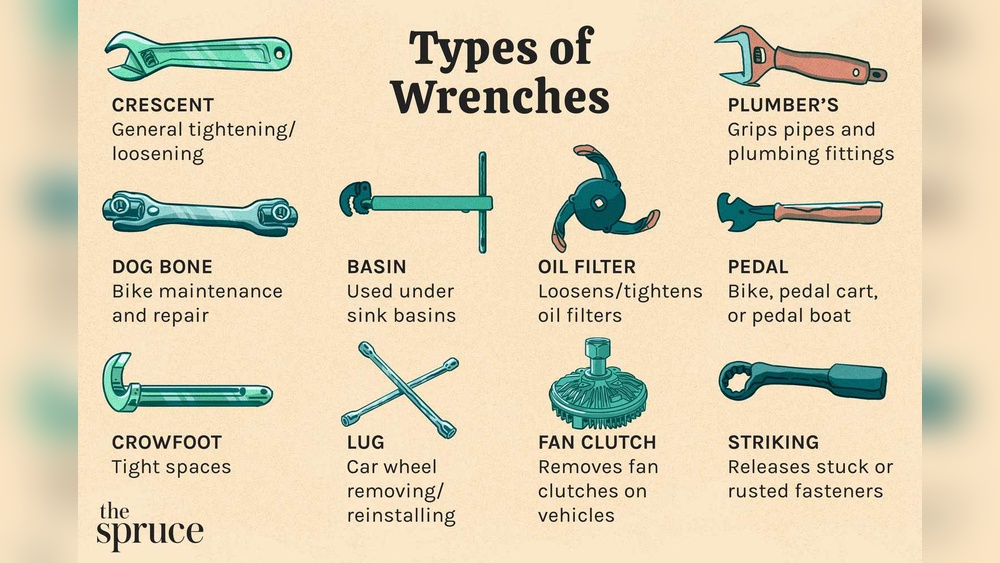
When you’re faced with a stubborn hex head fastener, the right wrench can make all the difference. Using the wrong tool not only wastes your time but can also damage the fastener and your project.
You want a solution that’s simple, effective, and gets the job done fast. You’ll discover exactly which wrench to use to loosen hex head fasteners easily, saving you frustration and effort. Keep reading to find out how to tackle those tough bolts like a pro!
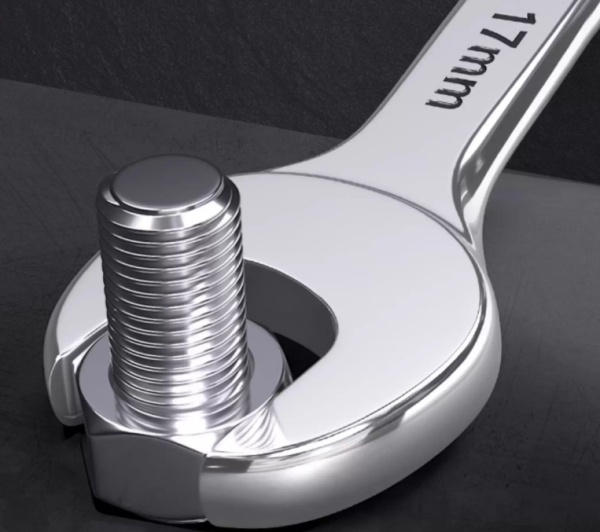
Credit: www.pandafastener.com
Types Of Wrenches For Hex Heads
Hex head fasteners need the right wrench to loosen them easily. Different wrenches fit hex heads in various ways. Each wrench type offers unique benefits for different tasks and spaces.
Choosing the right wrench helps prevent damage to the fastener. It also makes the job faster and safer. Here are the main types of wrenches used for hex head fasteners.
Open-end Wrenches
Open-end wrenches have U-shaped jaws. They fit around two sides of the hex head. These wrenches are quick to place on fasteners. They work well in tight spaces where full rotation is not possible. Their simple design makes them easy to use.
Box-end Wrenches
Box-end wrenches surround the hex head completely. They grip all six sides of the fastener. This grip reduces slipping and rounding of the fastener edges. Box-end wrenches apply more torque safely. They suit jobs requiring strong turning force.
Combination Wrenches
Combination wrenches have an open-end on one side. The other side is a box-end. This design offers versatility in one tool. Users can switch between fast positioning and strong grip easily. Combination wrenches are popular for many repair tasks.
Adjustable Wrenches
Adjustable wrenches have a movable jaw. This jaw adjusts to different hex head sizes. They reduce the need for multiple fixed-size wrenches. Adjustable wrenches are useful for varied fastener sizes. They may not grip as tightly as fixed wrenches.
Socket Wrenches
Socket wrenches use detachable sockets of different sizes. The socket fits over the hex head completely. They connect to a handle or ratchet for easy turning. Socket wrenches work well in deep or hard-to-reach places. They allow fast and secure loosening of fasteners.
Choosing The Right Size
Choosing the right size wrench is key for loosening hex head fasteners. The correct fit prevents damage to the fastener and makes the job easier. A wrench that is too big or too small can slip and cause injury or strip the fastener.
Understanding how to measure the fastener and knowing the difference between metric and imperial sizes helps you pick the right wrench. This knowledge saves time and effort during repairs or assembly.
Measuring Hex Head Fasteners
Measure across the flats of the hex head. This means measuring the distance between two opposite sides, not the corners. Use a caliper or a ruler for accuracy.
Write down the size in millimeters or inches. This size tells you what wrench to use. Always measure before selecting your tool.
Metric Vs. Imperial Sizes
Metric sizes are in millimeters and imperial sizes are in inches. Metric wrenches often come in whole numbers or half sizes like 10 mm or 10.5 mm.
Imperial sizes use fractions like 3/8 inch or 7/16 inch. Make sure your wrench matches the system of the fastener to avoid damage.
Material And Build Quality
Choosing the right wrench for loosening hex head fasteners depends a lot on its material and build quality. A strong, well-made wrench lasts longer and works better. The metal used and the surface finish affect the tool’s strength and resistance to wear. Quality wrenches handle tough jobs without bending or breaking. Let’s explore the key factors that make a wrench reliable.
Steel Grades
Most wrenches are made from steel. But not all steel is the same. High-grade steel contains more carbon, making it harder and stronger. Common types include chrome vanadium and chrome molybdenum steel. These steels resist wear and tear well. They keep the wrench from twisting under pressure. Lower-grade steel can bend or break easily. Choosing a wrench with the right steel grade ensures durability and safety.
Coatings And Finishes
Coatings protect the wrench from rust and corrosion. Chrome plating is a popular finish. It gives a smooth, shiny surface that resists rust. Some wrenches have black oxide or phosphate coatings. These finishes reduce glare and add grip. A good coating also makes cleaning easier. Wrenches without coatings may rust quickly, especially in humid environments. The right finish keeps the tool looking new and working well for years.
Using Wrenches Safely
Using wrenches safely is important when loosening hex head fasteners. A good grip and careful handling prevent slips and injuries. Proper technique also protects the fastener and tool from damage. Follow simple safety tips to work more confidently and efficiently.
Proper Grip Techniques
Hold the wrench firmly with your dominant hand. Wrap your fingers around the handle for full control. Position your thumb on the opposite side for extra grip. Pull the wrench toward you instead of pushing. This reduces the chance of slipping and hurting yourself. Keep your wrist straight to avoid strain. Use steady, even pressure while turning the fastener.
Avoiding Damage To Fasteners
Choose the correct wrench size for the fastener. A loose fit can round off the edges. Place the wrench fully on the hex head before turning. Avoid using worn or damaged wrenches. Turn the fastener slowly to prevent stripping the head. Stop if you feel resistance or hear unusual sounds. Use lubricant on stuck fasteners to ease removal. Proper care extends the life of both wrench and fastener.
Common Mistakes To Avoid
Using the right wrench to loosen hex head fasteners is important. Many people make simple mistakes that damage the fastener or tool. Avoid these common errors to save time and effort.
Using Incorrect Sizes
Choosing the wrong wrench size can cause slipping. A wrench too big or too small will not grip the fastener properly. This can round off the edges of the hex head. Always check the size before use. A snug fit ensures better control and less damage.
Over-tightening And Stripping
Applying too much force can strip the fastener’s head. This makes it hard to remove or tighten later. Use steady, moderate pressure instead of sudden force. Stop once the fastener moves freely. This protects both the fastener and wrench from damage.
Specialized Wrenches For Stubborn Fasteners
Specialized wrenches help loosen stubborn hex head fasteners. These fasteners often resist standard tools. Using the right wrench makes the job easier and safer. Certain wrenches provide extra power or access in tight spaces. They protect the fastener and tool from damage.
Impact Wrenches
Impact wrenches use strong bursts of torque. They break loose fasteners stuck by rust or tightness. Powered by air or electricity, they save time and effort. Their quick, strong hits reduce hand strain. Best for heavy-duty jobs and automotive repairs.
Torque Wrenches
Torque wrenches control the tightness of fasteners. They ensure fasteners are neither too loose nor too tight. This prevents damage and ensures safety. Often used in machinery and vehicle assembly. They provide precise, repeatable torque settings.
Crowfoot Wrenches
Crowfoot wrenches reach fasteners in tight, hard-to-reach places. They attach to ratchets or torque wrenches. Ideal for angles where regular wrenches don’t fit. Used in plumbing, automotive, and machinery work. They allow access without removing other parts.
Maintenance And Care For Wrenches
Proper maintenance and care for wrenches extend their life and improve performance. Regular attention keeps the tools ready for use and prevents damage. Simple habits protect your investment and save money over time.
Cleaning Tips
Wipe wrenches with a clean cloth after each use. Remove dirt, grease, and moisture to avoid rust. Use a mild soap solution for stubborn grime. Dry tools thoroughly before storing them. Light oil on metal parts stops corrosion and keeps moving parts smooth.
Storage Recommendations
Store wrenches in a dry place to avoid rust. Use a toolbox or wall rack to organize tools. Keep wrenches separated to prevent scratches and damage. Avoid leaving tools on the ground or in damp areas. Regular checks help spot any wear or rust early.

Credit: www.youtube.com

Credit: www.instructables.com
Frequently Asked Questions
What Wrench Loosens Hex Head Fasteners Best?
A socket wrench with the correct hex socket size loosens hex head fasteners efficiently. It grips evenly, preventing damage.
Can An Adjustable Wrench Loosen Hex Head Bolts?
Yes, an adjustable wrench can loosen hex head bolts but may slip if not tightened properly.
Is A Box-end Wrench Suitable For Hex Fasteners?
Yes, a box-end wrench fits hex fasteners snugly and offers better torque without slipping.
Why Choose A Ratchet Wrench For Hex Head Bolts?
A ratchet wrench speeds up loosening by allowing continuous motion without repositioning the tool.
Conclusion
Hex head fasteners need the right wrench for loosening. A socket wrench or an open-end wrench fits best. These tools give a strong grip on hex heads. Using the correct wrench prevents damage to the fastener. Choose the right size to avoid slipping or rounding.
Good tools make your work easier and safer. Keep your wrenches clean and in good shape. This simple choice saves time and effort in repairs. Always pick the right wrench for your project needs.


