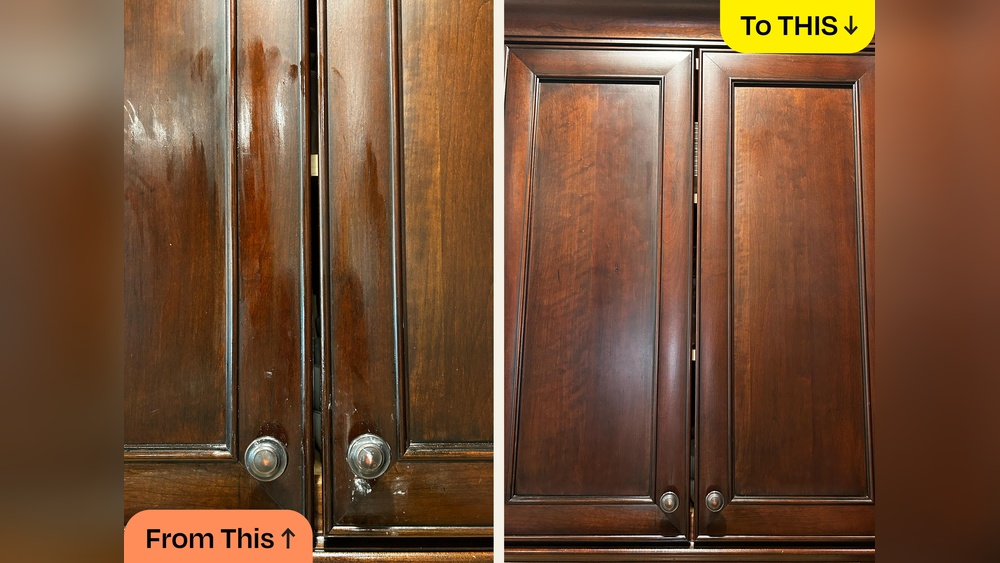
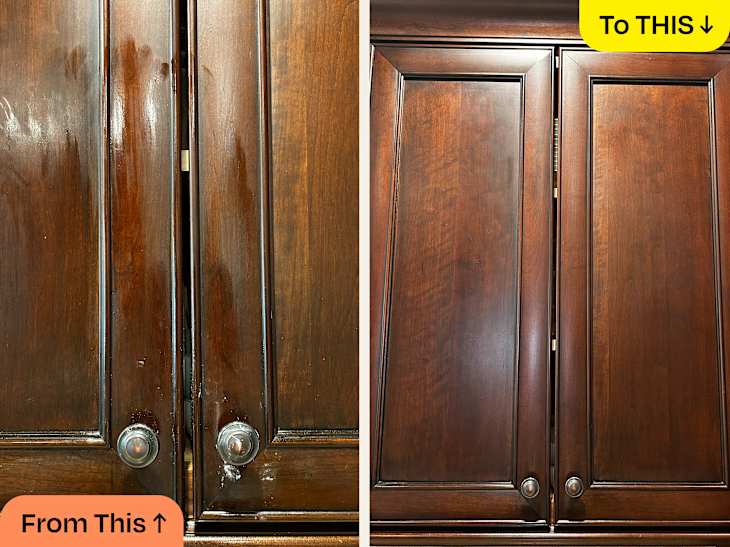
Are your cabinet handles covered in stubborn grease that just won’t come off? You’re not alone.
Greasy cabinet hardware not only looks dirty but can make your entire kitchen feel less fresh. The good news? Cleaning them doesn’t have to be a tough or time-consuming task. You’ll discover simple, effective ways to restore your cabinet hardware to its shiny, grease-free best.
Keep reading, and you’ll learn easy tricks that anyone can do—no special tools or harsh chemicals needed. Say goodbye to grime and hello to sparkling cabinets!
Causes Of Greasy Cabinet Hardware
Greasy cabinet hardware is a common problem in many kitchens. It happens when oils and food particles stick to handles and knobs. This buildup makes hardware look dirty and can be hard to clean. Understanding the causes helps to prevent and treat greasy hardware effectively.
Common Kitchen Grease Sources
Cooking oils and fats from frying or sautéing spread in the air. These tiny droplets settle on cabinet hardware. Fingerprints and hands with cooking oil also leave greasy marks. Smoke and steam carry grease particles that stick to surfaces. Over time, these sources create a thick layer of grease.
Impact On Hardware Appearance
Greasy buildup makes cabinet hardware look dull and sticky. It hides the original finish and color of the handles. Dirt mixes with grease, causing dark stains and spots. Grease attracts dust, making hardware look dirty quickly. This reduces the overall cleanliness and appeal of the kitchen.
Tools And Materials Needed
Cleaning greasy cabinet hardware requires the right tools and materials. Using proper supplies makes the job easier and more effective. This section covers the main items needed for a thorough clean.
Household Cleaning Supplies
Simple items found at home can remove grease well. Warm water helps soften the grime. Mild dish soap cuts through grease without damage. A soft cloth or sponge cleans gently. Old toothbrushes reach small crevices. Paper towels dry the hardware quickly. Baking soda acts as a gentle scrub. White vinegar breaks down tough grease spots. Gloves protect your hands during cleaning.
Specialized Cleaning Products
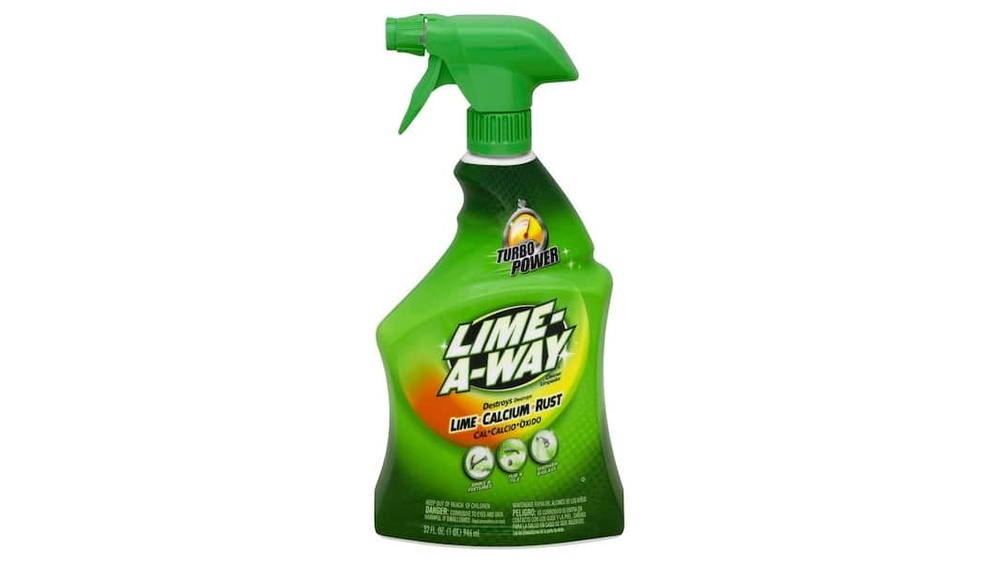
Some hardware needs stronger cleaners for deep grease. Degreasers made for kitchen use work fast. Metal polish restores shine on brass or stainless steel. Commercial hardware cleaners remove stubborn dirt safely. Spray bottles help apply liquids evenly. Microfiber cloths prevent scratching delicate surfaces. Always check product labels for safety tips. Use these products carefully for best results.
Preparation Steps
Cleaning greasy cabinet hardware starts with proper preparation. This step helps avoid damage and makes cleaning easier. Taking time to prepare ensures better results and protects your cabinets.
Follow simple steps to remove hardware safely and shield nearby areas from mess.
Removing Hardware Safely
Begin by gathering the right tools, like a screwdriver and a soft cloth. Turn off cabinet doors to prevent them from swinging. Unscrew handles or knobs gently to avoid scratching the wood. Place screws and hardware parts in a small container to keep them safe. Do not force any piece that feels stuck. Instead, try loosening it slowly to prevent damage.
Protecting Surrounding Areas
Cover cabinet surfaces near the hardware with painter’s tape or a soft cloth. This protects paint and wood from cleaning chemicals and scratches. Lay down old towels or newspapers under cabinets to catch drips and debris. Keep cleaning supplies and tools organized to avoid spills. These steps create a safe workspace and keep your cabinets looking good.
Cleaning Methods
Cleaning greasy cabinet hardware can be simple with the right methods. Different materials and grease levels need different approaches. This section covers easy ways to clean your cabinet handles and knobs effectively. Choose the best method for your needs to restore shine and cleanliness.
Using Soap And Warm Water
Soap and warm water is the easiest way to clean greasy hardware. Mix mild dish soap with warm water in a bowl. Dip a soft cloth or sponge in the solution. Gently scrub the hardware to remove grease. Rinse with clean water and dry with a towel. This method works well for light grease and everyday cleaning.
Vinegar And Baking Soda Solutions
Vinegar and baking soda create a natural cleaner for tougher grease. Sprinkle baking soda on the hardware. Spray or pour vinegar over the baking soda. Let it bubble and sit for a few minutes. Use a soft brush or cloth to scrub away grease. Rinse thoroughly and dry. This method is safe for most metals and removes stubborn grime.
Commercial Degreasers
Commercial degreasers offer strong cleaning power for heavy grease. Choose a degreaser made for metal surfaces. Spray or apply it to the greasy hardware. Follow the product instructions carefully. Usually, you let it sit for a few minutes. Wipe off with a damp cloth and dry. Wear gloves to protect your skin during use.
Ultrasonic Cleaning Option
Ultrasonic cleaners use sound waves to clean hardware deeply. Place the hardware in the ultrasonic cleaner’s tank. Add water and a small amount of cleaner. Turn on the machine to start the cleaning process. The sound waves remove grease from hard-to-reach areas. Rinse and dry the hardware after cleaning. This method works best for small, removable hardware pieces.
Drying And Polishing
Drying and polishing are key steps after cleaning greasy cabinet hardware. Proper drying stops water spots and rust. Polishing brings back the hardware’s shine and makes it look new.
Effective Drying Techniques
Use a soft, clean cloth to dry each piece carefully. Avoid rough towels that can scratch the surface. Pat the hardware gently instead of rubbing hard. Air drying can leave marks or spots. For tight spots, use a cotton swab to remove moisture. Make sure all water is gone before moving to polishing.
Polishing For Extra Shine
Choose a polish that fits your hardware type. A small amount on a soft cloth works best. Rub the polish in small circles over the surface. This removes smudges and adds a smooth shine. Buff the hardware with a dry cloth until it gleams. Polishing protects the finish and keeps hardware looking fresh longer.

Credit: www.decoranddecor.com
Preventing Future Grease Build-up
Preventing grease build-up on cabinet hardware keeps your kitchen looking clean and new. It saves time and effort on deep cleaning. Simple daily habits stop grease from sticking. Small steps make a big difference over time.
Regular Maintenance Tips
Wipe hardware with a soft cloth every day. Use warm water and mild soap for better results. Avoid harsh chemicals that can damage finishes. Dry hardware fully to stop water spots and stains. Clean spills and splashes immediately to prevent stains. Regular care slows down grease build-up greatly.
Protective Coatings And Sealants
Apply a clear protective coating to cabinet hardware. It forms a barrier against grease and dirt. Use sealants designed for metal or wood surfaces. Reapply every few months for lasting protection. Protective layers make cleaning easier and faster. Choose coatings that do not change hardware color or texture.
Handling Different Hardware Materials
Cleaning cabinet hardware requires care because different materials need different methods. Using the wrong cleaner can damage the surface. Understanding each material helps keep your hardware looking new. This section explains how to clean metal, wood, and painted hardware safely.
Cleaning Metal Hardware
Metal hardware can get greasy and dull over time. Use warm water with mild soap to clean it gently. Avoid harsh chemicals that can cause rust or discoloration. For stubborn grease, a soft toothbrush helps reach small details. Dry the hardware completely to stop water spots and rust.
Care For Wooden Handles
Wooden handles need gentle cleaning to avoid damage. Use a soft cloth dampened with water and mild soap. Avoid soaking wood, as it can swell or crack. After cleaning, dry the handles well with a clean cloth. Apply a small amount of wood polish to keep them shiny and protected.
Special Tips For Painted Surfaces
Painted hardware requires extra caution to avoid peeling or chipping. Use a soft cloth with mild soap and water. Do not scrub hard or use abrasive pads. Test the cleaner on a small area first to check for damage. Wipe gently and dry right after cleaning to protect the paint.

Credit: www.decoranddecor.com
Credit: www.thekitchn.com
Frequently Asked Questions
How Do I Remove Grease From Cabinet Hardware?
Use warm soapy water and a soft cloth to wipe hardware. For tough grease, apply a mixture of baking soda and water. Rinse and dry thoroughly to prevent damage.
What Household Items Clean Greasy Cabinet Handles?
Common items like baking soda, vinegar, and dish soap work well. They effectively break down grease without harsh chemicals, making cleaning safe and easy.
Can I Use Vinegar To Clean Greasy Cabinet Hardware?
Yes, vinegar is a natural degreaser. Mix equal parts vinegar and water, apply to hardware, then wipe clean. It removes grease and disinfects surfaces gently.
How Often Should I Clean Greasy Cabinet Hardware?
Clean cabinet hardware weekly or whenever you notice grease buildup. Frequent cleaning keeps hardware shiny and prevents stubborn grease stains from forming.
Conclusion
Cleaning greasy cabinet hardware is easier than it seems. Use gentle cleaners and soft cloths to avoid damage. Regular cleaning keeps your cabinets looking fresh and new. Take your time and be patient with tough grease. Small steps make a big difference in your kitchen’s look.
Keep your hardware shiny and clean with simple care. Your cabinets will thank you for the effort. Try these tips today for a cleaner, brighter kitchen space.