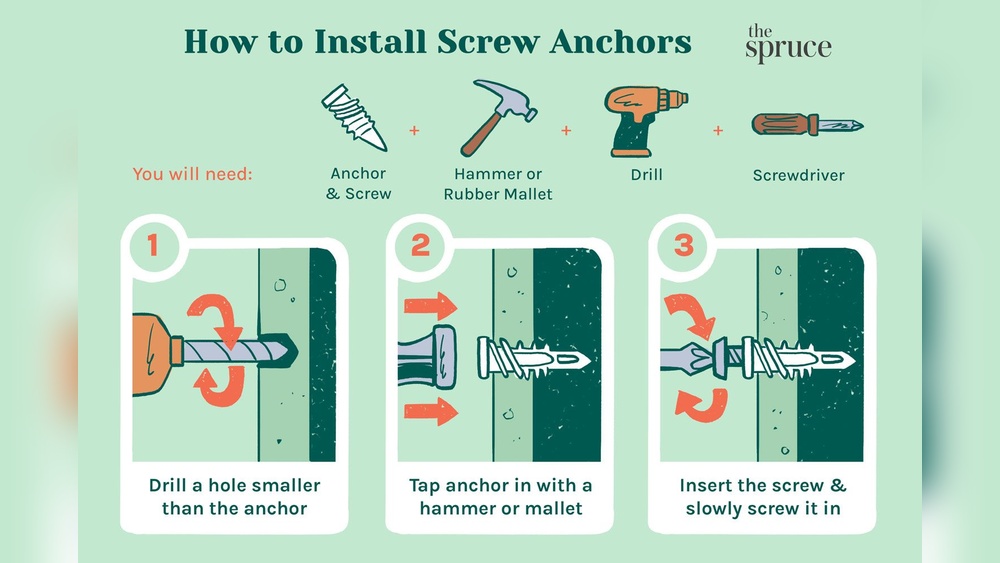
Are you tired of struggling with loose screws and wobbly wall hangings? Using a wall anchor with a screw is a simple trick that can make your projects stronger and more secure.
Whether you’re hanging a heavy mirror, a shelf, or a TV bracket, knowing how to use a wall anchor correctly will save you time and frustration. In this guide, you’ll learn easy steps that anyone can follow to get your screws firmly fixed in place.
Keep reading, and you’ll discover the secret to making your walls hold up exactly what you want—without damage or hassle.
Choosing The Right Wall Anchor
Preparing the wall is a key step before using a wall anchor with a screw. This step ensures the anchor holds tight and the screw stays secure. Proper preparation helps avoid damage and makes the whole process easier. Start by finding the exact spot to drill.
Locating The Drill Spot
Identify where you want to place the anchor. This should be a solid part of the wall. Avoid areas near corners or edges. Choose a spot that supports the weight of what you will hang. Use a stud finder for better accuracy if possible.
Marking The Drilling Point
Use a pencil to mark the exact drilling spot. Make a small, clear dot on the wall. Check the mark from different angles to be sure. This mark guides your drill and keeps the hole in the right place. Accurate marking prevents mistakes.
Checking For Obstructions
Look inside the wall for wires or pipes before drilling. Use a wire detector or stud finder that shows obstructions. Avoid drilling into electrical wires or plumbing. This step keeps you safe and protects your home. Always double-check to prevent accidents.
:max_bytes(150000):strip_icc()/how-to-use-and-discard-anchor-screws-1822671-002-04-4963da18c2674e6bbf07e5fc07d5b4f0.jpg)
Credit: www.thespruce.com
Preparing The Wall
Inserting a wall anchor is an important step for strong support. It helps the screw hold tightly in drywall or other hollow walls. Doing this part right keeps your items safe and secure. Follow these simple steps for best results.
Aligning The Anchor
First, check the hole size. The hole must fit the wall anchor snugly. Hold the anchor straight with the hole. Avoid tilting it. Proper alignment makes insertion easier and prevents damage.
Pushing Or Tapping The Anchor In
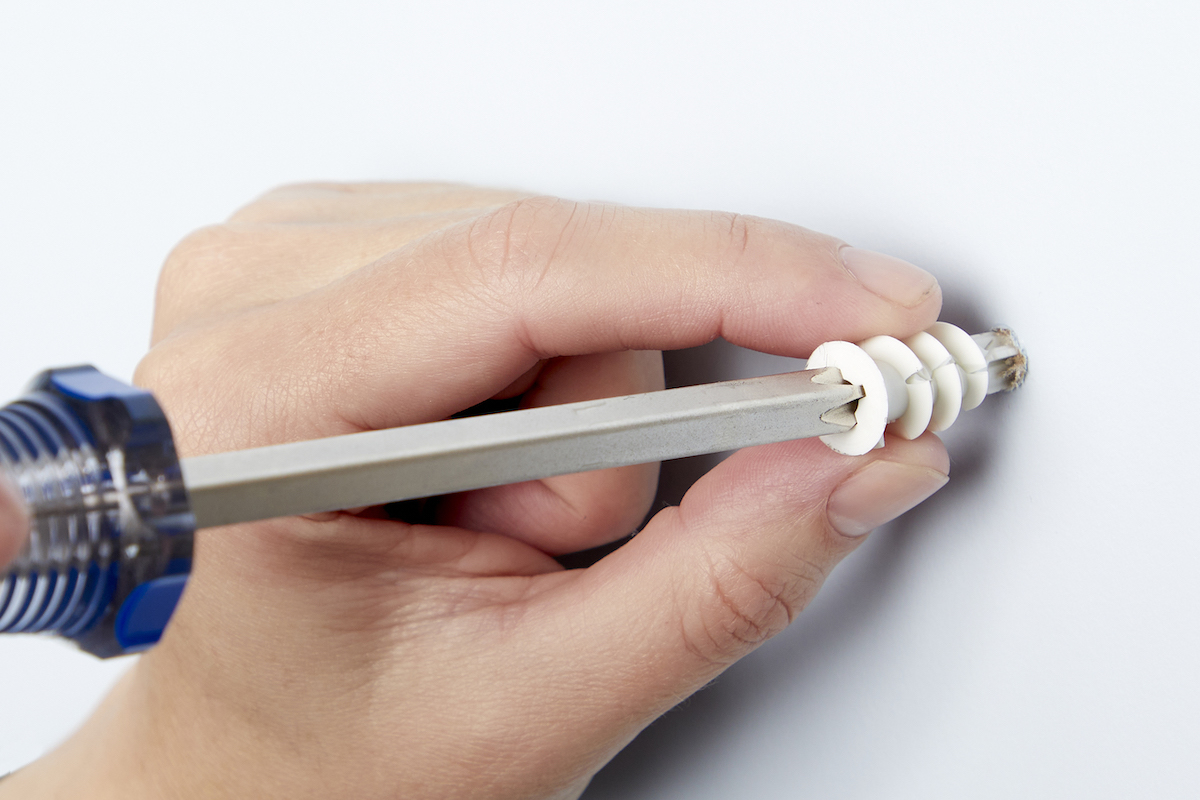
Next, gently push the anchor into the hole. If it feels tight, use a small hammer. Tap lightly until the anchor is flush with the wall. Do not force it hard. This avoids cracking the wall or anchor.
Ensuring A Secure Fit
Finally, check the anchor’s fit. It should not move or wiggle. A secure anchor holds the screw firmly. Test by gently pulling on the anchor before screwing in. This ensures your wall anchor is ready for use.
Drilling The Hole
Screwing into a wall anchor is a key step to secure your items safely. The process needs the right screw, careful driving, and attention to tightness. These details help the anchor hold strong and last longer. Follow these tips for best results.
Selecting The Right Screw
Choose a screw that fits the anchor size. The screw should be long enough to go through the anchor and into the wall. Avoid screws that are too thin or too thick. The wrong screw can cause the anchor to fail or damage the wall.
Driving The Screw Safely
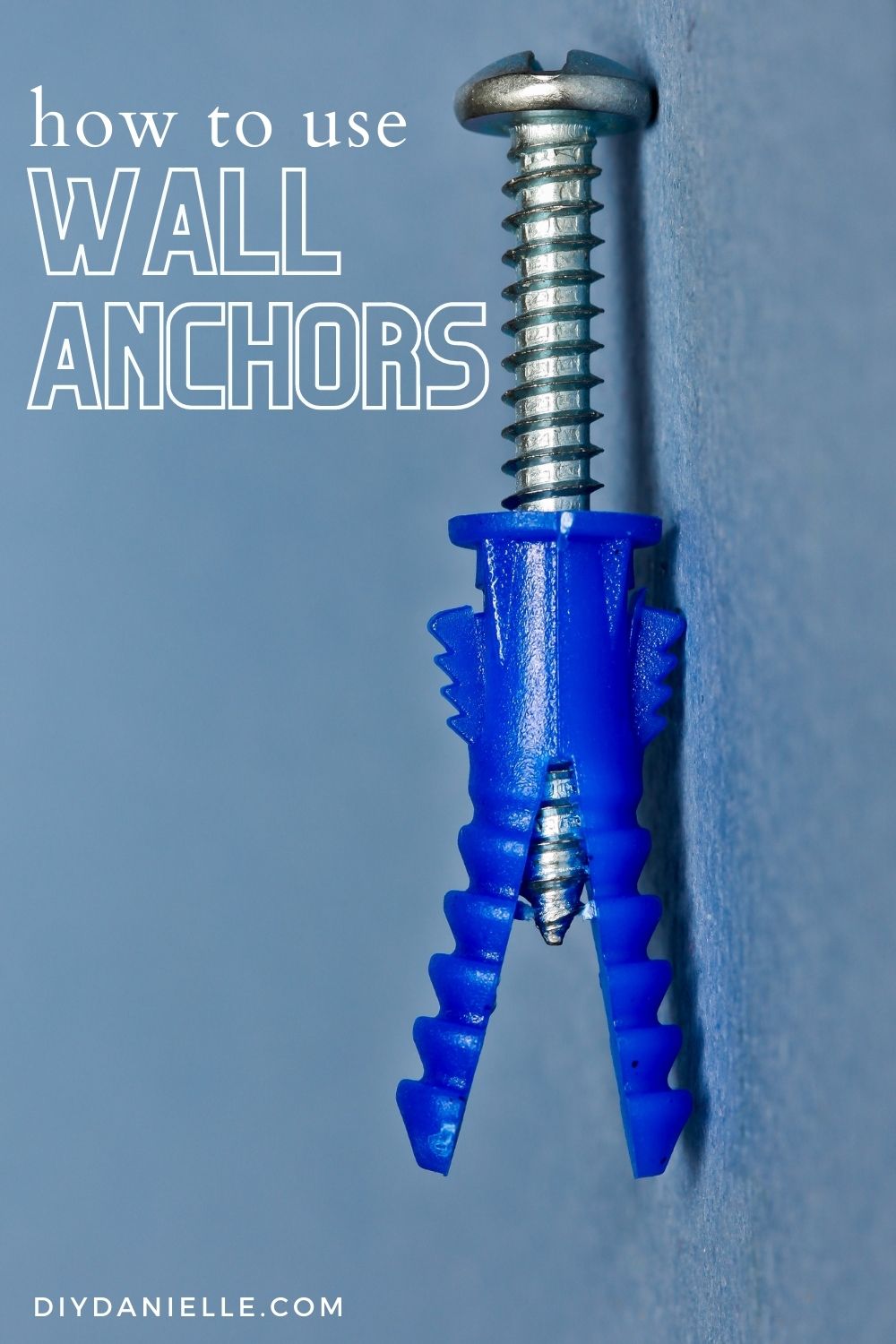
Start by placing the screw gently into the anchor. Use a screwdriver or drill at low speed. Keep the screw straight to avoid bending or breaking. Drive it slowly to feel the anchor expand inside the wall. Stop when the screw is firm and secure.
Avoiding Over-tightening
Do not tighten the screw too much. Over-tightening can crack the anchor or damage the wall. Tighten the screw until it is snug but not forced. A good rule is to stop when the item feels stable and does not wobble.
Credit: bona-store.com
Inserting The Wall Anchor
Testing the support of a wall anchor with a screw is important for safety. It ensures the anchor holds well and the screw stays secure. This step avoids damage or accidents later.
Checking Stability
First, gently pull or push the screw to test its hold. The screw should not move or wiggle. If it feels loose, the anchor may not be set properly. Check if the wall surface around the anchor is firm. A stable screw means the anchor can support weight safely.
Adjusting If Necessary
If the screw moves, remove it carefully. Take out the anchor and inspect it for damage. Use a new anchor if the old one is worn out. Reinsert the anchor tightly into the wall hole. Then, screw the screw back in slowly. Test the stability again to confirm it holds firm.
Screwing Into The Anchor
Using a wall anchor with a screw seems simple but many make avoidable mistakes. These errors can cause weak holds or damage to your wall. Knowing what to avoid helps keep your project safe and strong.
Choosing The Wrong Anchor Size
Selecting an anchor too small weakens the hold. A too-large anchor can crack the wall. Match the anchor size to the screw and the weight it must hold.
Not Drilling The Correct Hole Size
Drilling a hole too big makes the anchor loose. A hole too small may break the anchor during insertion. Use the drill bit size recommended on the anchor package.
Failing To Insert The Anchor Fully
An anchor that sticks out cannot support weight properly. Push or tap the anchor flush with the wall surface. This ensures the best grip.
Using The Wrong Screw Type
Some screws do not fit anchors well. Use screws that match the anchor’s design. This prevents stripping or loose fittings.
Overtightening The Screw
Too much force can split the anchor or wall. Tighten screws until firm, then stop. This keeps the anchor and wall intact.
Credit: www.bobvila.com
Testing The Support
Strong holds are key for wall anchors and screws. They keep your items safe and steady on the wall. Small mistakes can cause anchors to fail. Follow these tips to get the best grip.
Each step helps the anchor stay tight. This way, your screw holds firm without slipping or falling out.
Choose The Right Anchor Size
Pick an anchor that fits your screw well. Too small anchors can break or pull out. Too big anchors won’t fit in the hole properly. Check the package for size matching.
Drill The Correct Hole Size
Use a drill bit that matches the anchor size exactly. A hole too big makes the anchor loose. A hole too small can split the wall or anchor. Measure twice, drill once.
Insert The Anchor Firmly
Push the anchor all the way into the hole. Tap gently with a hammer if needed. The anchor should sit flush with the wall surface. Loose anchors reduce holding power.
Use The Right Screw Length
Choose screws long enough to go through the anchor fully. Short screws won’t grip inside the anchor well. Longer screws spread the load better for stronger holds.
Tighten Screws Carefully
Turn screws slowly and steadily. Over-tightening can crack the wall or break the anchor. Stop when the screw feels snug and secure. Proper torque keeps the anchor intact.
Frequently Asked Questions
What Is A Wall Anchor Used For?
A wall anchor secures screws in drywall or hollow walls. It prevents screws from loosening or pulling out. Anchors provide extra support for hanging heavy items safely. They distribute weight evenly to avoid wall damage.
How Do You Install A Wall Anchor With A Screw?
First, drill a hole matching the anchor size. Insert the wall anchor into the hole flush with the wall. Then, drive the screw into the anchor slowly. The anchor expands inside the wall, gripping firmly and securing the screw.
Can I Use Any Screw With A Wall Anchor?
No, use screws matching the anchor size and type. Oversized or undersized screws reduce holding strength. Check anchor packaging for recommended screw size. Using the correct screw ensures maximum support and safety.
What Types Of Wall Anchors Are Best For Heavy Loads?
Toggle bolts and molly bolts are ideal for heavy loads. They expand behind the wall for strong grip. Plastic anchors suit light to medium loads only. Choose anchors based on wall material and weight requirements.
Conclusion
Using a wall anchor with a screw makes hanging items secure. It helps hold weight on drywall or other weak surfaces. Choose the right anchor size for your screw and load. Drill a proper hole, insert the anchor, then screw in gently.
This simple method prevents damage and keeps things steady. Practice a few times to get comfortable with the steps. Soon, you will hang pictures, shelves, or mirrors with confidence. Small effort, big difference in home projects. Give it a try and see the results yourself.