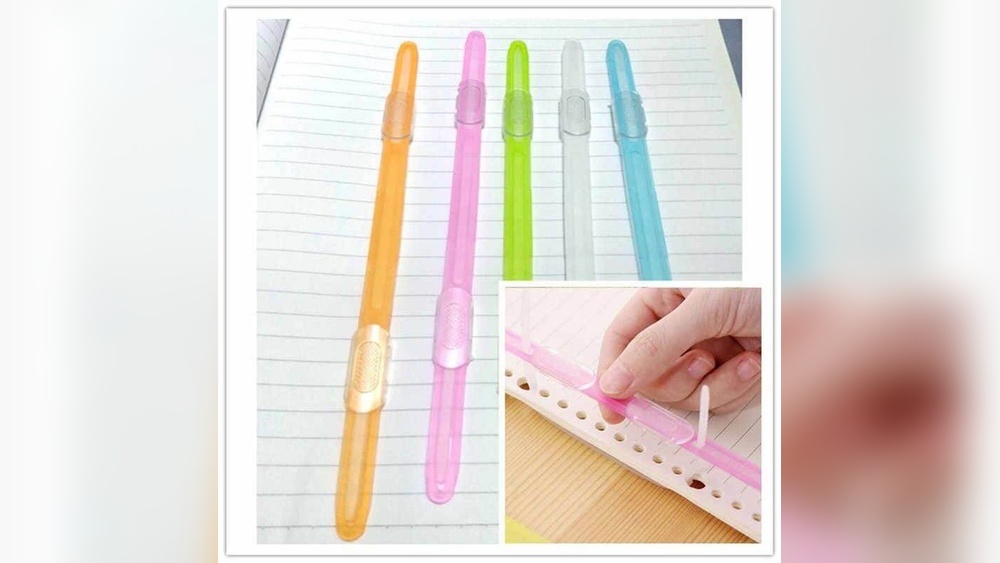
Are you looking for a simple way to secure items without the hassle of tools or complicated steps? Plastic fasteners might be exactly what you need.
They are quick, reliable, and perfect for a variety of uses—from organizing cables to attaching tags. You’ll discover how to use plastic fasteners effectively, saving you time and effort. Keep reading, and you’ll learn easy tips that make your tasks smoother and more efficient.

Credit: www.youtube.com
Types Of Plastic Fasteners
Plastic fasteners come in many shapes and sizes. Each type serves a specific purpose. Choosing the right fastener ensures your project holds together well. Below are common types of plastic fasteners used in various applications.
Push Rivets
Push rivets are simple and easy to install. They fasten materials by pushing the rivet through holes. The rivet expands inside, locking materials tightly. These fasteners are reusable and ideal for light loads.
Cable Ties
Cable ties bundle wires and cables neatly. They have a ratchet mechanism that locks tight. You can cut off excess length after securing. Cable ties come in different sizes and colors for flexibility.
Snap Rivets
Snap rivets connect two parts by snapping together. They require no tools for installation. Snap rivets hold firmly but can be removed if needed. These fasteners work well with plastic and thin metal sheets.
Panel Fasteners
Panel fasteners attach panels or covers securely. They allow quick assembly and disassembly. These fasteners provide a clean look without screws or bolts. Panel fasteners are common in automotive and electronics industries.
Choosing The Right Fastener
Choosing the right plastic fastener is key for any project. The correct fastener ensures strong, lasting connections. It also prevents damage to the materials you join. Select a fastener that fits your needs and conditions. Consider the material, load, and environment. These factors help you pick the best option.
Material Compatibility
Match the fastener with the material you join. Different plastics have different strengths and softness. Use a fastener that will not crack or deform the material. Some plastics react with certain fastener types. Check if the fastener material is safe for your project. This avoids damage and keeps connections tight.
Load Requirements
Think about the weight and stress on the fastener. Choose a fastener that can hold the load without breaking. Light loads need smaller or simpler fasteners. Heavy loads require stronger or larger fasteners. Always select a fastener that suits the strength needed.
Environmental Factors
Consider where the fastener will be used. Some fasteners resist water, heat, or chemicals better than others. Outdoor use needs fasteners that handle sun and rain. Indoor use might need less tough fasteners. Pick a fastener that lasts in your environment.
Tools Needed For Installation
Installing plastic fasteners requires the right tools. Using proper tools makes the job easier and faster. It also helps secure the fasteners correctly. Below are the essential tools needed for installation.
Basic Hand Tools
Basic hand tools include items found in most toolboxes. A screwdriver is necessary to tighten or loosen fasteners. Pliers help grip and pull fasteners into place. A utility knife may be needed to trim excess material around the fastener. Measuring tape ensures precise placement of fasteners. These tools cover most simple installation tasks.
Specialized Fastener Tools
Specialized tools are designed for plastic fasteners. A fastener remover tool helps remove old or stuck fasteners without damage. A rivet gun is useful for certain types of plastic fasteners. These tools speed up the process and improve results. They are often small and easy to handle.
Safety Equipment
Safety is important during installation. Protective gloves prevent cuts and scrapes on hands. Safety glasses shield eyes from debris and small plastic pieces. Wearing long sleeves protects arms from scratches. Always keep safety gear handy before starting work.

Credit: qcmachinery.com
Step-by-step Assembly Process
The step-by-step assembly process for using plastic fasteners is simple and effective. Follow these steps to ensure a strong and secure connection. This guide helps you avoid common mistakes and save time.
Preparing Surfaces
Clean the surfaces where the fasteners will go. Remove dust, dirt, and grease. Use a dry cloth or mild cleaner. Dry the surfaces fully before starting assembly. This helps the fastener hold better.
Aligning Components
Place the parts together carefully. Make sure the holes or slots line up. Check the fit before inserting the fastener. Proper alignment prevents damage and ensures a tight hold.
Inserting Fasteners
Push the plastic fastener into the aligned holes. Use steady pressure, but do not force it. The fastener should click or snap into place. This confirms it is secure.
Securing And Testing
Check the fastener for a firm grip. Gently pull the parts to test the connection. If loose, adjust or reinsert the fastener. A well-secured fastener keeps parts stable and safe.
Common Mistakes To Avoid
Using plastic fasteners may seem simple, but mistakes can cause problems. Avoiding common errors helps your project last longer and stay secure. Here are some frequent mistakes to watch out for.
Over-tightening
Too much force can damage plastic fasteners. Over-tightening may crack or deform the fastener. It reduces its grip and strength. Tighten just enough to hold parts firmly. Use a torque tool for better control.
Incorrect Fastener Selection
Choosing the wrong type of fastener causes failure. Each plastic fastener has a specific use and size. Using a fastener that is too small or weak leads to loosening. Match the fastener to your material and load needs carefully.
Ignoring Material Limits
Plastic fasteners have limits on temperature and pressure. Ignoring these can cause melting or breaking. Check the manufacturer’s specs before use. Avoid using plastic fasteners in extreme heat or heavy load areas.
Maintenance And Removal Tips
Plastic fasteners need care to work well and last long. Proper maintenance keeps them strong and safe. Removing them the right way stops damage and saves time. Follow these simple tips to keep your fasteners in good shape.
Regular Inspection
Check plastic fasteners often for cracks or wear. Look for signs of stress or bending. Replace any fastener that looks weak or broken. Clean fasteners to remove dirt or debris. This helps prevent damage and ensures a tight fit.
Safe Removal Techniques
Remove fasteners gently to avoid breaking them. Use the correct tool designed for plastic fasteners. Pull straight out without twisting or bending. Avoid using excessive force, which can crack the fastener. Take your time to keep parts safe and intact.
Reusing Fasteners
Some plastic fasteners can be reused if in good condition. Inspect before reusing to check for damage. Clean fasteners to remove dust or grease. Avoid reusing fasteners that are stretched or cracked. Proper reuse saves money and reduces waste.
Applications In Different Industries
Plastic fasteners are essential in many industries. They join parts quickly and hold them firmly. Their light weight and resistance to rust make them popular. Different industries use plastic fasteners for unique needs. Below are common uses in several fields.
Automotive
Plastic fasteners help assemble car interiors and exteriors. They secure panels, trims, and wiring harnesses. Their resistance to heat and chemicals suits engine compartments. They reduce overall vehicle weight, improving fuel efficiency. Using plastic fasteners also cuts manufacturing costs.
Electronics
Electronics use plastic fasteners to hold circuit boards and components. They prevent electrical shorts because they do not conduct electricity. These fasteners allow quick assembly and easy repairs. Their small size fits compact devices well. Plastic fasteners protect delicate parts from damage.
Construction
In construction, plastic fasteners join insulation, drywall, and roofing materials. They resist moisture and corrosion, lasting in harsh environments. Plastic fasteners are easy to install with simple tools. They provide strong, secure connections for lightweight materials. Builders prefer them for cost and durability.
Consumer Products
Plastic fasteners are common in toys, furniture, and appliances. They join parts without metal, making items safer and lighter. Plastic fasteners allow fast assembly and disassembly. Their variety in shapes fits many product designs. Consumers enjoy durable products with plastic fasteners inside.

Credit: m.made-in-china.com
Frequently Asked Questions
What Are Plastic Fasteners Used For?
Plastic fasteners secure materials without metal tools. They are ideal for lightweight, non-conductive, and corrosion-resistant applications. Common uses include packaging, automotive, electronics, and construction industries. They provide quick, reliable fastening and are easy to install and remove.
How Do You Install A Plastic Fastener?
To install, insert the fastener through aligned holes in materials. Push or snap the fastener until it locks securely. No special tools are usually needed. Ensure the fastener size matches the hole for a tight fit.
Can Plastic Fasteners Be Reused?
Some plastic fasteners are reusable if designed with removable features. However, many are single-use to ensure firm locking. Reusing may reduce holding strength. Always check the product specifications to confirm reusability.
What Materials Work Best With Plastic Fasteners?
Plastic fasteners work well with plastics, fabrics, paper, and light metals. They are suitable for materials that require gentle handling without damage. Avoid using them on heavy or high-stress materials needing metal fasteners.
Conclusion
Using plastic fasteners can save time and effort in many projects. They hold parts firmly and resist rust or corrosion. Choose the right type for your task to ensure strong results. Installation is simple and does not need special tools.
Plastic fasteners suit many materials and help keep things neat. Keep these tips in mind for easy, reliable fastening every time.