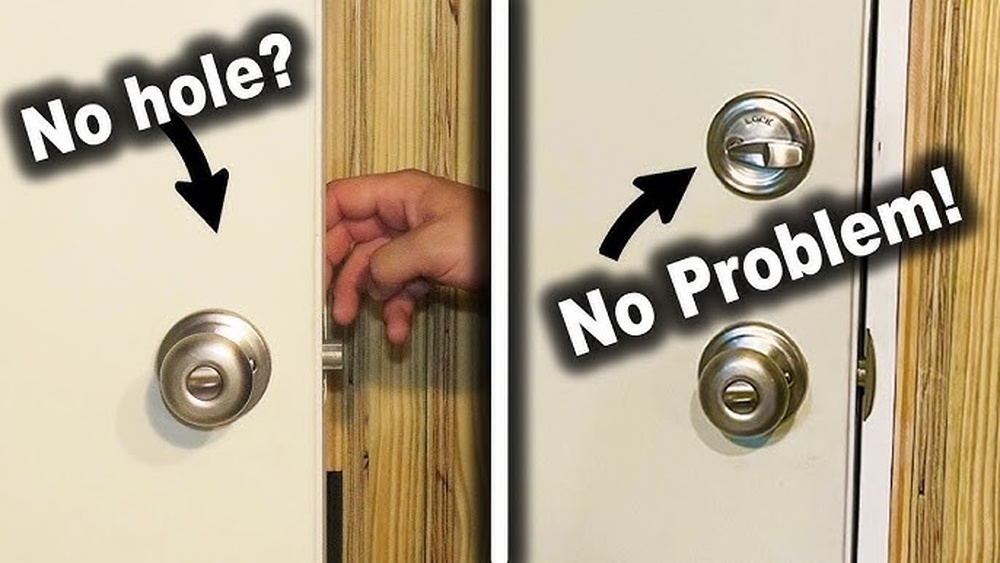
Have you ever found yourself locked out or worried about who else might have a key to your Defiant deadbolt? Changing your locks can be expensive and time-consuming, but what if you could rekey your deadbolt without needing the original key?
This guide will show you exactly how to take control of your home security quickly and easily. By the time you finish reading, you’ll have the confidence and know-how to rekey your Defiant deadbolt yourself—saving money and giving you peace of mind.
Ready to get started? Let’s dive in.
Tools Needed
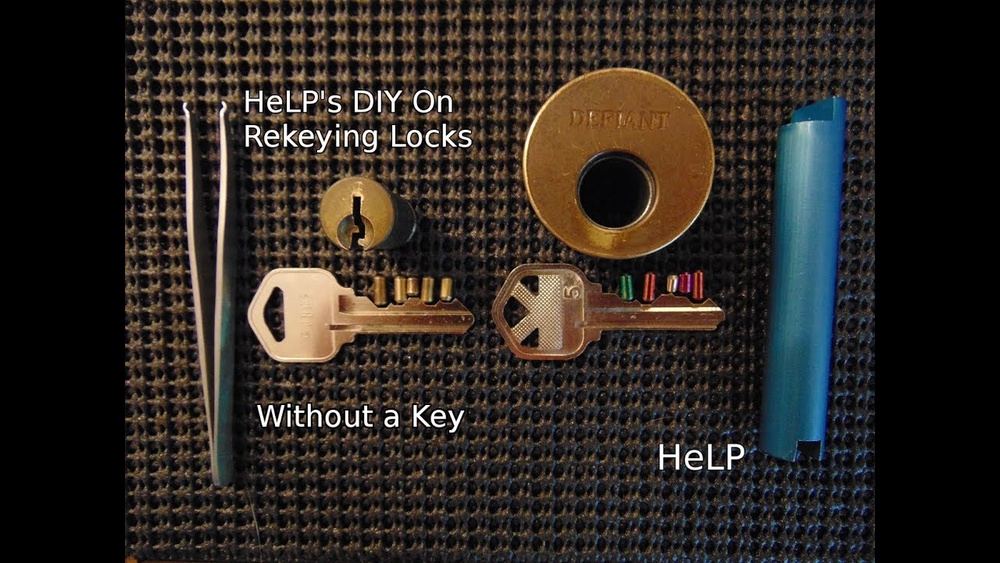
Rekeying a Defiant deadbolt without a key needs some basic tools. These tools help you open the lock and change the pins inside. Having the right tools makes the process smoother and faster. Some tools are essential, while others make the job easier.
Essential Tools List
- Screwdriver set (flathead and Phillips)
- Plug follower
- Pinning tray
- New pins for the lock
- Tweezers
- Key gauge or blank keys
Optional Tools For Ease
- Magnifying glass for small parts
- Lubricant spray for smooth operation
- Small flashlight to see inside the lock
- Needle-nose pliers for tight spaces
- Work mat to keep parts organized
Preparing The Deadbolt
Before rekeying a Defiant deadbolt without the original key, preparation is key. You must carefully remove the lock from the door. This step gives you full access to the internal parts. It also helps you spot any wear or damage.
Knowing the condition of the lock components ensures the rekeying process goes smoothly. You need to check the cylinder, pins, and springs. Clean and intact parts work better after rekeying.
Removing The Deadbolt
Start by unscrewing the screws on the interior side of the door. Keep the screws safe to avoid loss. Gently pull the interior and exterior parts of the deadbolt apart. This exposes the cylinder and the lock mechanism inside.
Take your time to avoid scratching or damaging the door. If the lock is stuck, wiggle it slightly to loosen. Once removed, place the deadbolt on a clean surface for the next steps.
Inspecting The Lock Components
Look closely at the cylinder and the pins inside. Check for dirt, rust, or broken pieces. Dirty parts can cause the lock to jam after rekeying. Use a soft brush or cloth to clean the components carefully.
Make sure all springs and pins move smoothly. Replace any broken or worn parts before starting the rekey process. Well-maintained parts help the lock work quietly and reliably.
Disassembling The Lock
Disassembling the lock is the first step to rekey a Defiant deadbolt without a key. This process lets you reach the inside parts that control the lock’s function. Taking the lock apart carefully helps avoid damage and makes rekeying easier.
Focus on the lock cylinder. This part holds the pins that match your key. Removing these pins allows you to change the lock’s code. Follow each step slowly and use the right tools.
Accessing The Cylinder
Start by removing the deadbolt from the door. Unscrew the mounting screws on the lock’s interior side. Pull the lock apart gently to expose the cylinder. The cylinder is a small, round piece inside the lock housing. Take care not to lose any small parts. Place the lock on a clean surface for the next steps.
Removing The Cylinder Pins
Use a plug follower tool or a similar object to push out the cylinder plug. The pins inside the plug will fall out as you remove it. Keep all pins and springs organized by size. These pins control which key fits the lock. Removing them lets you replace pins with new ones for a different key. Handle pins carefully to avoid losing them.
Selecting New Pins
Selecting new pins is a key step in rekeying a Defiant deadbolt without the original key. The pins control which key will work with the lock. Choosing the right pins ensures smooth operation and security.
Each pin must fit the new key’s cuts exactly. Incorrect pins will make the lock hard to turn or stop it from working. Careful selection and arrangement are essential.
Matching Pins To New Keys
Use a pinning chart or guide for your new key. The chart shows the size of each pin needed. Match the pin size to each cut on the key. This step guarantees the lock fits the new key perfectly.
Pick pins that correspond to the depth of the key cuts. Each cut depth has a specific pin size. Avoid guessing to prevent problems later.
Arranging Pins Correctly
Insert the pins in the plug chambers in the right order. Each pin slot matches a certain pin size. Follow the sequence shown on the pinning chart carefully.
Check pins sit flush with the plug surface. Pins too high or low cause the lock to jam. Confirm all pins move freely before assembling the lock.
Reassembling The Deadbolt
Reassembling the deadbolt is a key step after changing the pins. It brings all parts back together so the lock works smoothly. Take your time and follow each step carefully.
Inserting New Pins
Start by placing the new pins into the cylinder’s pin chambers. Use the key as a guide to match the pin sizes. Each pin must fit perfectly to ensure the lock turns easily. Press them down gently with a small tool or tweezers. Avoid forcing pins to prevent damage.
Reinstalling The Cylinder
After the pins are set, slide the cylinder back into the lock housing. Align it carefully with the bolt mechanism. Secure it with screws or clips removed earlier. Test the cylinder by turning the key or knob. It should move smoothly without sticking.

Credit: www.youtube.com
Testing The New Key
After rekeying your Defiant deadbolt, testing the new key is vital. This step ensures the lock works correctly and keeps your home safe. Testing helps catch any problems early. It saves time and effort later.
Checking Smooth Operation
Insert the new key into the lock gently. Turn the key slowly to unlock and lock the deadbolt. The key should move without sticking or resistance. Test the key several times. Make sure it works from both inside and outside the door. Smooth operation means the rekeying was successful.
Troubleshooting Common Issues
If the key feels hard to turn, do not force it. Check if the key is cut correctly and matches the pins inside. Dirt or debris can cause problems. Clean the lock with a spray lubricant made for locks. If issues continue, disassemble and recheck the pins. Repeat the rekeying process carefully to fix errors.
Tips For Successful Rekeying
Successful rekeying of a Defiant deadbolt without the original key requires careful steps and attention. This process can be tricky but following clear tips helps avoid damage and frustration. Focus on safety, tools, and knowing when to seek help.
Safety Precautions
Always wear safety glasses to protect your eyes from small springs or pins. Work in a well-lit area to see the tiny parts clearly. Keep all parts organized to avoid losing anything important. Use the correct tools to prevent damage to the lock. Avoid forcing any components, as this may break the lock mechanism.
When To Call A Professional
Call a locksmith if the lock is damaged or stuck. Seek help if you cannot remove the cylinder or pins safely. Professionals have tools and experience for hard cases. Avoid wasting time or causing damage by trying too long. Know your limits and protect your lock and door by asking for expert help.

Credit: www.reddit.com
Credit: www.reddit.com
Frequently Asked Questions
How Can I Rekey A Defiant Deadbolt Without The Original Key?
You can rekey a Defiant deadbolt by disassembling the lock cylinder and replacing the pins. Use a rekeying kit designed for Defiant locks. Follow step-by-step instructions carefully for accurate rekeying without the original key.
What Tools Are Needed To Rekey A Defiant Deadbolt?
You need a pinning kit, plug follower, tweezers, screwdriver, and new keys. These tools help remove the cylinder, replace pins, and reassemble the deadbolt efficiently.
Is It Possible To Rekey A Defiant Deadbolt Alone?
Yes, rekeying a Defiant deadbolt alone is possible if you have the right tools. Follow detailed guides or videos to ensure correct pin replacement and avoid lock damage.
How Long Does It Take To Rekey A Defiant Deadbolt?
Rekeying a Defiant deadbolt typically takes 20 to 40 minutes. Time varies based on your experience and tool availability. Practice ensures faster and smoother rekeying over time.
Conclusion
Rekeying a Defiant deadbolt without the original key is possible. It takes patience and the right tools. Follow each step carefully to avoid mistakes. This skill can save time and money on locksmith calls. Practice on an old lock before trying your main door.
Keep your new keys safe and test the lock several times. Stay calm and work slowly for the best results. You can protect your home with confidence after rekeying. Simple steps lead to better security.