Are you ready to hang your favorite pictures or shelves but don’t have a drill handy? Installing wall anchors without a drill might sound tricky, but it’s easier than you think.
Whether you’re in a hurry or just want to avoid the noise and hassle, this guide will show you simple, effective ways to get the job done. Keep reading, and you’ll discover easy tips that save you time and frustration—so your walls stay strong and your space looks great.

Credit: www.youtube.com
Types Of Wall Anchors
Wall anchors hold objects securely on walls, especially when screws alone cannot. Different types suit various wall materials and weights. Choosing the right anchor ensures strong support without damage. Understanding these types helps pick the best for your project.
Plastic Expansion Anchors
Plastic expansion anchors are common for light loads. Insert them into a small hole in drywall or plaster. As you screw in, the anchor expands and grips the wall. No drill needed if the hole is small or pre-existing. They work best with drywall and light fixtures.
Toggle Bolts
Toggle bolts offer strong support for heavy items. They have wings that open inside a hollow wall. Push the wings through a small hole, then tighten the screw. The wings spread the load across a larger area. These anchors do not need drilling if the hole fits the bolt size.
Self-drilling Anchors
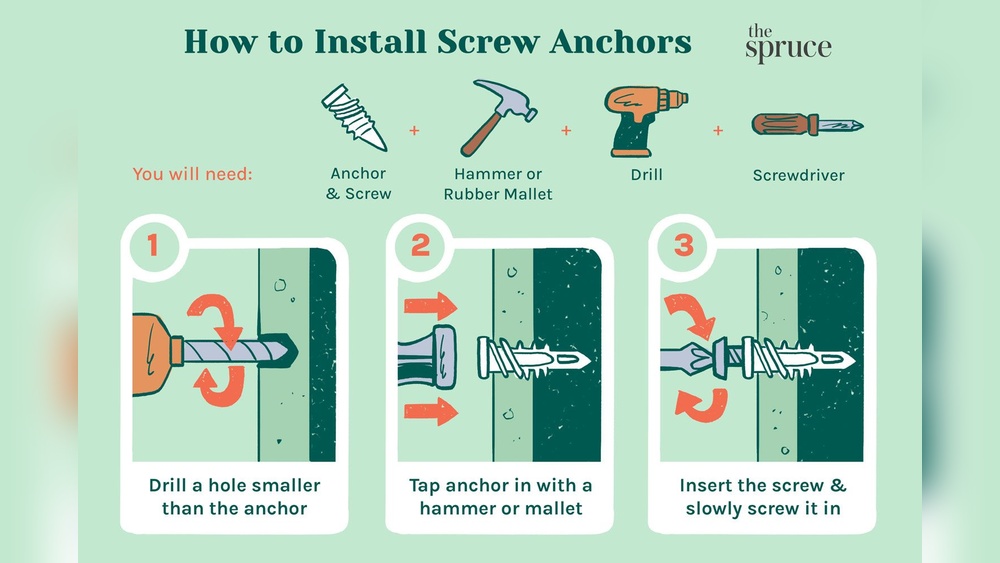
Self-drilling anchors screw directly into drywall without a drill. Their sharp tips cut through drywall easily. Use a screwdriver to install them. These anchors hold medium-weight objects firmly. They save time and effort, perfect for quick fixes.
Tools Needed Without A Drill
Installing wall anchors without a drill is simple with the right tools. You need basic items that help create holes or push anchors into the wall. These tools make the task easier and faster. No power tools are necessary.
Screwdriver Options
A screwdriver can help insert screws into anchors. Flathead or Phillips screwdrivers work well. Use the screwdriver to twist the screw slowly. This avoids damaging the wall or anchor. Choose a screwdriver with a comfortable handle for better grip.
Hammer And Nail
A hammer and nail can make small starter holes. Tap the nail gently where the anchor will go. This creates a guide hole for the anchor. Remove the nail after tapping to avoid damage. The hammer helps push anchors into soft walls too.
Utility Knife
A utility knife can score the wall surface. Lightly cut a small X on the drywall. This weakens the surface for easier anchor insertion. Be careful to avoid cutting too deep. The knife helps when walls are very hard to pierce.
Preparing The Wall Surface
Preparing the wall surface is the first step to install wall anchors without a drill. It helps make sure the anchors hold strong and stay in place. A smooth, clean wall surface improves the grip of the anchor. Also, knowing where to place the anchors avoids damage and makes the job easier.
Clear the wall of any dust, dirt, or grease. Use a damp cloth to wipe the area and let it dry fully. This cleaning step is important for good adhesion and prevents slipping.
Locating Studs And Obstacles
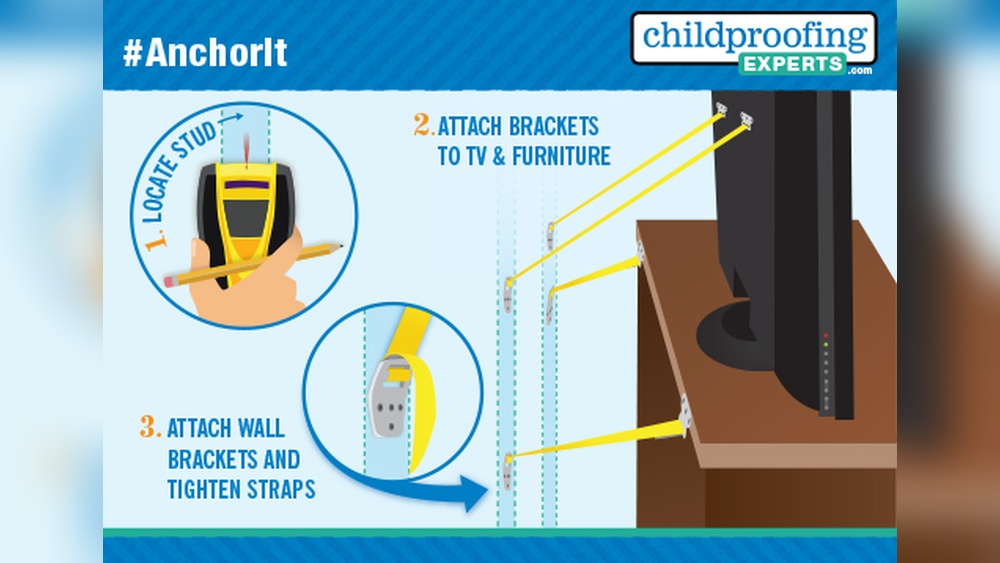
Find the wall studs before placing anchors. Studs are strong and can hold more weight. Use a stud finder or tap the wall lightly. A hollow sound means no stud; a solid sound means a stud is there.
Avoid pipes, wires, and other hidden obstacles inside the wall. These can cause injury or damage. Check for electrical outlets and switches nearby to guess where wires might run.
Marking Anchor Points
Mark the exact spots where you want to install anchors. Use a pencil to make small dots on the wall. Measure twice to ensure the marks are level and spaced correctly.
Clear markings help you work faster and avoid mistakes. They guide you in pushing or hammering the anchors straight into the wall.
Creating Pilot Holes Manually
Creating pilot holes manually is a simple way to prepare your wall for anchors without a drill. It helps guide the anchor and prevent damage to the wall. This method works well for drywall and soft wood surfaces. You only need a few basic tools to get started.
Using A Nail Or Awl
Start by choosing a nail or awl that fits the size of your wall anchor. Push the point into the wall where you want the anchor. Twist it slowly while applying light pressure. This action makes a small hole for the anchor. The hole helps the anchor go in smoothly. Be careful not to push too hard to avoid wall damage. This method works best on drywall and soft wood.
Scoring With A Utility Knife
Use a utility knife to score the wall surface gently. Draw a small X or circle where the anchor will go. Press enough to cut the paint and paper layer, but not too deep. This cut weakens the surface and helps the anchor enter easily. Scoring is perfect for drywall or plaster walls. It also keeps the wall intact by reducing cracking around the hole.
Installing Plastic Expansion Anchors
Plastic expansion anchors hold screws tightly in walls. They work well for drywall and plaster. Installing these anchors without a drill is simple. You only need a few basic tools and some patience. This method is perfect for small jobs or places without power tools.
Manual Hole Creation
Start by making a hole in the wall. Use a sharp nail or a small screwdriver. Press the tool firmly and twist to create a hole. Make the hole just big enough for the anchor. Take your time to avoid damaging the wall.
Inserting The Anchor
Push the plastic anchor into the hole you made. It should fit snugly and stay in place. Tap it gently with a hammer if needed. Do not force it too hard. The anchor must be flush with the wall surface for best support.
Securing With Screws
Place the screw into the plastic anchor. Turn the screw slowly by hand or with a screwdriver. The anchor will expand inside the wall. This expansion holds the screw firmly. Stop when the screw feels tight and secure. Avoid overtightening to prevent damage.

Credit: www.youtube.com
Using Toggle Bolts Without A Drill
Using toggle bolts without a drill is possible with simple tools. Toggle bolts provide strong support for hanging heavy items on drywall. They work by spreading the load behind the wall. This method helps when you do not have a drill or power tools.
Making A Hole With A Nail
Start by choosing a nail slightly smaller than the toggle bolt. Hold the nail against the wall where you want the anchor. Tap the nail gently with a hammer to make a small hole. Make sure the hole is deep enough for the toggle to fit. Remove the nail carefully to keep the hole clean.
Inserting The Toggle
Fold the toggle wings so they fit through the hole. Push the toggle through the hole until it opens behind the wall. You will feel resistance when the wings open. Pull back slightly to lock the toggle in place. The toggle now sits securely behind the drywall.
Tightening The Bolt
Insert the bolt through the item you want to hang. Screw the bolt into the toggle by hand. Use a screwdriver to tighten the bolt fully. Tighten until the item feels secure on the wall. Avoid overtightening to prevent damage to the drywall.
Self-drilling Anchors Techniques
Self-drilling anchors make wall mounting easier without a drill. They have sharp tips that cut into drywall or plaster. This allows you to install anchors quickly and securely. Using simple tools like a screwdriver, you can fix anchors firmly in place.
These anchors save time and effort. They work well for lightweight items such as pictures or shelves. Understanding the right technique helps you avoid damage and ensures a strong hold.
Screwdriver Application
Choose a screwdriver that fits the anchor’s slot. A flathead or Phillips screwdriver works best. Hold the anchor steady against the wall. Place the screwdriver tip into the anchor’s head. This grip helps you control the anchor during installation.
Applying Pressure And Turning
Push the anchor firmly into the wall surface. Apply steady pressure while turning the screwdriver clockwise. The anchor will start to cut into the drywall. Keep turning until the anchor is flush with the wall. Avoid forcing it too hard to prevent wall damage.

Credit: www.reddit.com
Tips For Stability And Safety
Installing wall anchors without a drill requires careful attention to stability and safety. Proper steps prevent accidents and keep your walls intact. Following simple tips helps secure items firmly and protects your wall from damage.
Weight Limits
Know the weight limit of each anchor type. Overloading anchors can cause them to fail. Check packaging for maximum weight capacity. Use multiple anchors for heavier objects. Always stay below the recommended weight to ensure safety.
Avoiding Wall Damage
Use a stud finder to avoid drilling into wiring or pipes. Tap anchors gently with a hammer to avoid cracks. Choose anchors made for your wall type, like drywall or plaster. Mark spots lightly with a pencil before inserting anchors. These steps protect your walls and keep them strong.
Alternative Methods For Hanging Items
Not everyone owns a drill or wants to damage walls with holes. Alternative methods for hanging items offer simple solutions. These methods keep walls safe and items secure. They work well for light to medium-weight objects. Explore easy ways to hang things without drilling.
Adhesive Hooks And Strips
Adhesive hooks and strips stick directly to walls. They hold pictures, keys, and small decorations. Most products come with strong, removable glue. This glue leaves no marks or damage behind. Clean the wall surface before applying for best grip. Press firmly and wait before hanging items. These hooks work on painted walls, tiles, and wood.
Tension Rods And Shelving
Tension rods fit between two walls or inside a window frame. They hold lightweight curtains, towels, or clothes. No screws or nails are needed. Shelving units with tension poles provide extra storage space. They can hold books, plants, or kitchen tools. Make sure the rods fit tightly to avoid slipping. These options are great for renters and small spaces.
Frequently Asked Questions
What Tools Do I Need To Install Wall Anchors Without A Drill?
To install wall anchors without a drill, you need a hammer, screwdriver, and wall anchors. A nail or awl helps create a pilot hole for easier insertion. These tools make the process simple and effective.
Can I Install Heavy-duty Wall Anchors Without Drilling?
Yes, you can install heavy-duty wall anchors without a drill by using self-drilling anchors. These anchors have sharp tips that penetrate drywall or plaster with a screwdriver and hammer, providing strong support for heavy items.
How Do I Create A Pilot Hole Without A Drill?
You can create a pilot hole without a drill by using a nail or awl. Gently tap it with a hammer to make a small hole. This guides the anchor and prevents wall damage during installation.
Are Wall Anchors Without Drilling Strong Enough For Shelves?
Wall anchors installed without drilling can hold light to medium shelves securely. For heavy shelves, use self-drilling anchors or toggle bolts to ensure maximum strength and stability without a drill.
Conclusion
Installing wall anchors without a drill is simple and doable. Use basic tools like a screwdriver or hammer to get started. Take your time and follow each step carefully. This method saves time and avoids extra noise. You can hang lightweight items securely with ease.
No need to buy expensive tools or call a professional. Practice on a scrap piece to build confidence. Now, you can complete small wall projects on your own. Give it a try and see how easy it can be.