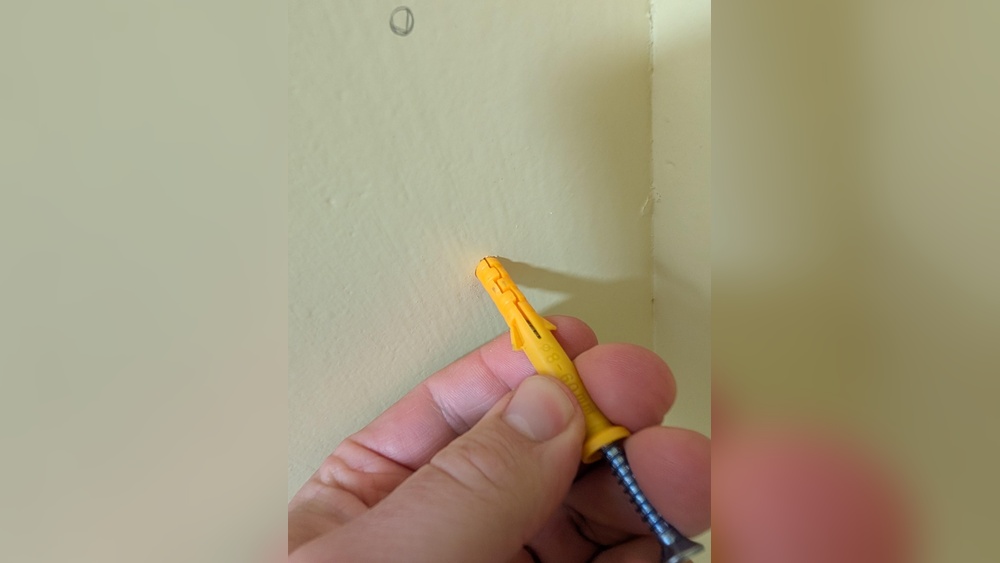
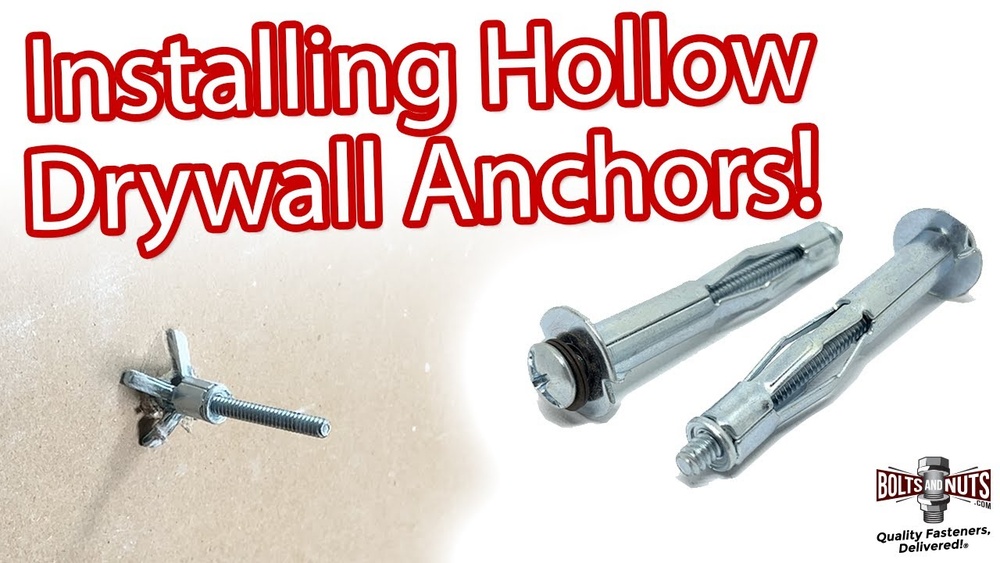
Are you struggling to hang heavy items on your concrete walls without worrying they might fall? Knowing how to use concrete wall anchors can make all the difference in keeping your shelves, mirrors, or decorations secure and safe.
In this guide, you’ll learn simple, step-by-step tips that anyone can follow—even if you’ve never done this before. By the end, you’ll feel confident tackling your next project with the right tools and techniques. Ready to get started? Let’s dive in and make your walls work for you!
Credit: www.do-it-yourself-help.com
Types Of Concrete Wall Anchors
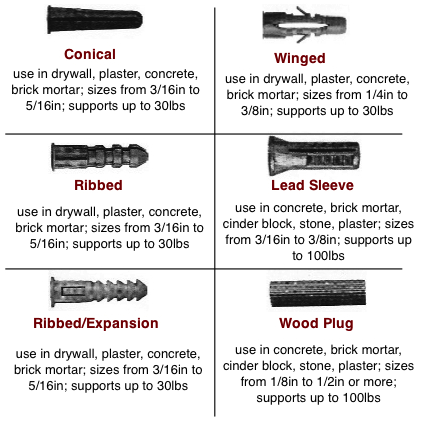
Concrete wall anchors come in several types. Each type works best for certain tasks and wall conditions. Choosing the right anchor ensures strong, secure mounting. Here are the main types of concrete wall anchors and their uses.
Expansion Anchors
Expansion anchors expand inside the hole when a bolt or screw is tightened. This creates a tight grip on the concrete. They hold well in solid concrete and are common for heavy loads. Installation is simple with a drilled hole and a wrench.
Sleeve Anchors
Sleeve anchors have a metal sleeve that expands as the bolt is tightened. They work in concrete, brick, and block walls. These anchors provide strong support and are good for medium to heavy loads. They are versatile and easy to use.
Drop-in Anchors
Drop-in anchors fit flush inside a pre-drilled hole. They expand when a setting tool pushes down the internal plug. These anchors are good for overhead fixtures and heavy objects. They require precise installation but offer strong holding power.
Hammer Drive Anchors
Hammer drive anchors are driven into a hole with a hammer. They have a pin that expands the anchor inside the wall. These anchors hold light to medium loads. Installation is quick and does not need special tools.

Credit: www.youtube.com
Choosing The Right Anchor
Choosing the right concrete wall anchor is key for a safe and strong hold. The anchor must match your project’s needs. Picking the wrong type can cause damage or failure. Focus on the load, wall thickness, and material to find the best fit.
Assessing Load Requirements
Start by knowing how much weight the anchor must support. Light loads need smaller anchors. Heavy items require stronger, larger anchors. Check the weight of the object before choosing.
Safety matters. Overloading anchors can cause accidents. Use anchors designed for the exact load or higher.
Considering Wall Thickness
Measure the wall’s thickness. Thin walls need shorter anchors. Thick walls require longer anchors for a deep grip.
Anchors too long or too short will not hold properly. Match anchor length to wall depth for best results.
Material Compatibility
Choose anchors that fit the wall material. Concrete, brick, and block walls need different anchors. Some anchors work only in solid concrete.
Use anchors made for your wall type to avoid slipping or breaking. Check packaging or labels for material info.
Tools And Materials Needed
Using concrete wall anchors requires the right tools and materials. Having these ready makes the job easier and safer. This section explains what you need before starting.
Drill And Drill Bits
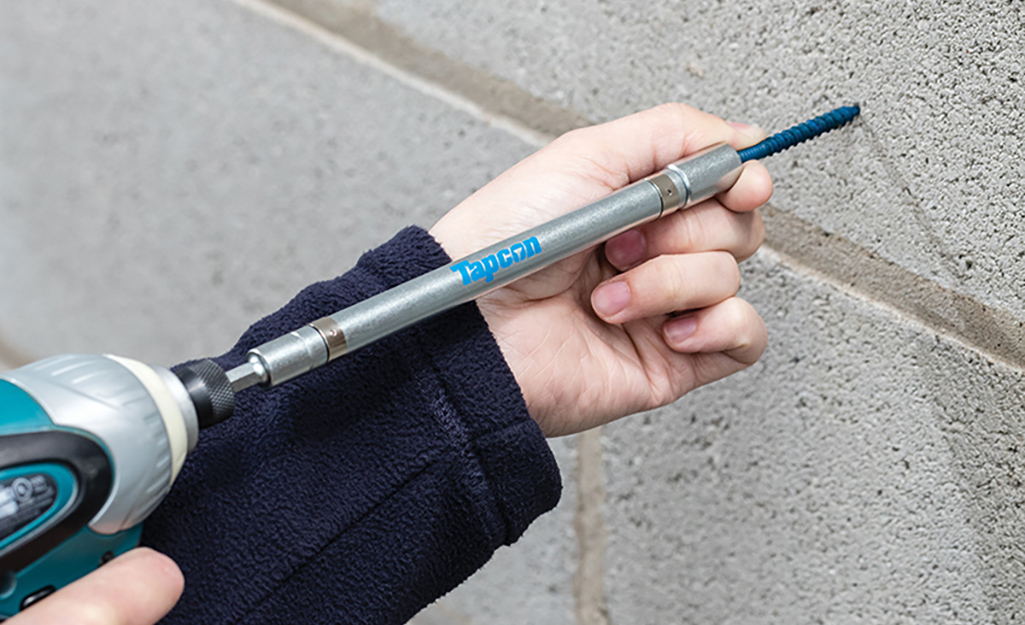
A power drill is essential for making holes in concrete. Use a hammer drill if possible for better results. Choose masonry drill bits that match the anchor size. The bit must be the right diameter for a tight fit. This helps the anchor hold firmly in the wall.
Anchor Installation Tools
Different anchors need specific tools for installation. Some require a hammer to tap them in place. Others need a screwdriver or a wrench to tighten the anchor. Having these tools ready saves time and effort. Check the anchor instructions to know which tools you need.
Safety Gear
Safety is important when working with concrete walls. Wear safety goggles to protect your eyes from dust and debris. Use gloves to protect your hands from rough surfaces and sharp edges. Consider wearing a dust mask to avoid inhaling concrete dust. Safety gear helps prevent injuries and keeps you comfortable.
Step-by-step Installation Process
Installing concrete wall anchors correctly ensures strong and lasting support. Follow these clear steps to do it right. Each step helps you prepare and secure your fixture safely on concrete walls.
Marking Anchor Locations
Start by holding your fixture against the wall. Use a pencil to mark exact spots for the anchors. Check the marks twice to avoid mistakes. Accurate marks make drilling easier and precise.
Drilling The Hole
Pick a drill bit that matches your anchor size. Use a hammer drill for best results on concrete. Drill straight into the wall at the marked points. Drill deep enough for the entire anchor length.
Cleaning The Hole
Remove dust and debris from the hole using a brush or air blower. Clean holes help anchors grip better. Avoid skipping this step to ensure strong holding power.
Inserting The Anchor
Push the anchor into the clean hole gently. Tap it lightly with a hammer if needed. The anchor should fit snugly and sit flush with the wall surface.
Securing The Fixture
Place your fixture over the anchors. Insert screws through fixture holes into the anchors. Tighten screws evenly to hold the fixture firmly. Do not overtighten to avoid damage.
Common Installation Mistakes
Installing concrete wall anchors can be tricky. Many people make simple mistakes that weaken the hold. These errors can cause the anchor to fail or damage the wall. Avoid these common installation mistakes to ensure a strong, safe fix.
Incorrect Hole Size
Drilling the wrong hole size is a frequent problem. If the hole is too small, the anchor won’t fit. Forcing it can crack the concrete or ruin the anchor. A hole that is too large leaves the anchor loose. Always check the anchor’s package for the exact hole size. Use the right drill bit for a perfect fit.
Improper Depth Drilling
Drilling too shallow or too deep can cause issues. A shallow hole won’t allow the anchor to sit fully. This reduces its grip and strength. Drilling too deep wastes effort and can weaken the wall. Measure the anchor length and mark the drill bit. Stop drilling once you reach the correct depth.
Loose Anchors
Loose anchors happen when the hole is oversized or the anchor is wrong. A loose fit means the anchor can move or pull out. This makes the attachment unsafe. Use anchors designed for your wall type. Check the fit before tightening screws. The anchor should feel snug and secure.
Maintenance And Inspection Tips
Proper maintenance and regular inspection are vital for concrete wall anchors. These steps ensure safety and extend the life of your anchors. Regular checks help spot problems early, avoiding costly repairs or accidents. Follow these tips to keep your anchors strong and secure.
Checking For Looseness
Start by gently wiggling the anchor or the attached object. If it moves or feels loose, the anchor may be failing. Loose anchors can cause heavy items to fall. Inspect anchors at least twice a year to catch any issues early. Tighten any loose bolts or screws carefully. Use a wrench or screwdriver for this task.
Replacing Damaged Anchors
Look for cracks, rust, or breaks on the anchor. Damaged anchors lose their strength and need replacement. Remove the old anchor by pulling it out or drilling it out. Choose a new anchor that fits the hole size and weight requirements. Install the new anchor according to the product instructions. Regular replacement keeps your wall safe and secure.
Advanced Tips For Stronger Holds
Concrete wall anchors must hold tight to keep objects safe and secure. Basic methods work for many jobs. For tougher tasks, stronger holds are needed. Advanced tips improve anchor strength and durability. These tips help you get the best results from your anchors.
Using Chemical Anchors
Chemical anchors use special glue to fix anchors in concrete. Drill a clean hole first. Clean dust and debris well. Insert the chemical adhesive into the hole. Then push the anchor in. The glue fills gaps and bonds firmly with concrete. This method creates a very strong hold. It works well for heavy loads and vibrations. Wait for the glue to dry before applying weight.
Reinforcing With Epoxy
Epoxy resin adds extra strength to anchors. Mix the epoxy carefully before use. Apply it inside the drilled hole. Insert the anchor while epoxy is wet. Epoxy hardens and locks the anchor in place. This method resists movement and loosening over time. It is perfect for critical fixtures or heavy equipment. Allow full curing time for maximum strength.
Credit: www.homedepot.com
Frequently Asked Questions
What Are Concrete Wall Anchors Used For?
Concrete wall anchors secure objects to concrete surfaces. They provide strong support for shelves, fixtures, and heavy items. Anchors prevent damage by distributing weight evenly. They are essential for safe, stable installations on concrete walls.
How Do I Choose The Right Anchor Size?
Select an anchor size based on the object’s weight and wall thickness. Check the manufacturer’s weight rating. Use larger anchors for heavier loads. Proper sizing ensures maximum holding power and prevents wall damage or anchor failure.
Can I Install Anchors In Drywall Over Concrete?
Drywall anchors and concrete anchors differ. For drywall over concrete, use anchors designed for drywall only. Concrete anchors won’t work properly on drywall alone. Ensure you identify the wall material before choosing the anchor type.
How Do I Install Concrete Wall Anchors Correctly?
Drill a hole matching the anchor size. Clean out dust from the hole. Insert the anchor fully into the hole. Tighten the screw or bolt securely. Follow manufacturer instructions for best results and safety.
Conclusion
Concrete wall anchors hold items firmly on tough surfaces. Choose the right anchor for your project’s weight and wall type. Drill carefully and insert anchors properly to ensure a strong hold. Tighten screws steadily without overdoing it. This simple process keeps shelves, pictures, and fixtures secure.
Practice makes the task easier and safer. With patience, your walls will support your items well. Ready to try? It’s easier than you think.