Have you ever tried to hang something heavy on your wall, only to worry it might fall? Getting the right anchors in the wall is the secret to keeping your shelves, pictures, and decorations secure.
But how do you choose the best anchors? And how do you install them properly so they hold strong? You’ll discover simple steps that make this task easy and reliable. By the end, you’ll feel confident tackling any wall project without fear of damage or failure.
Let’s dive in and make your walls work for you!
Types Of Wall Anchors
Wall anchors are essential tools to hang objects securely on walls. They provide extra support, especially in drywall or hollow walls. Different types of anchors work best for different weights and wall materials. Choosing the right anchor ensures stability and safety.
Plastic Expansion Anchors
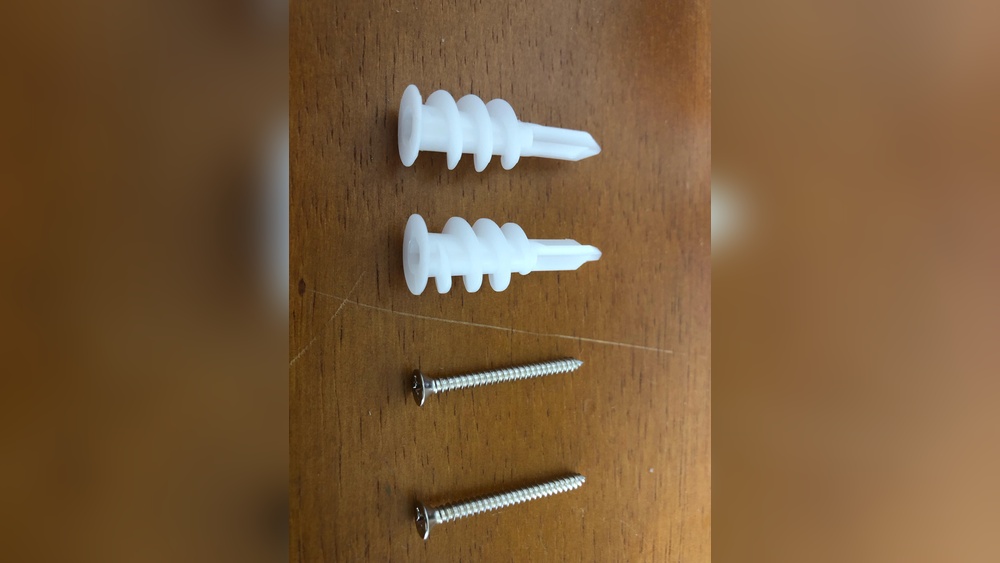
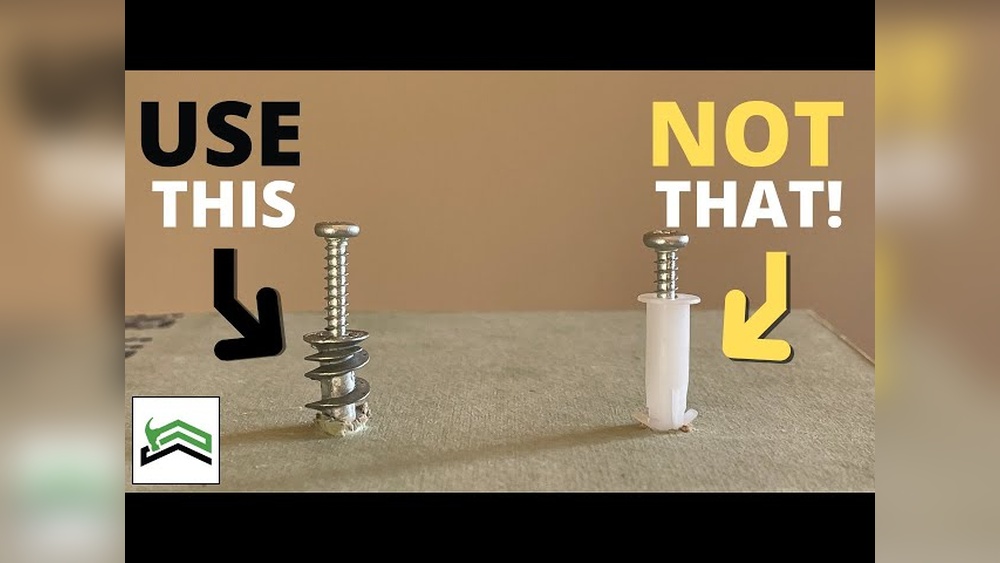
Plastic expansion anchors are common and easy to use. They expand when a screw is inserted, gripping the wall tightly. These anchors work well for light to medium loads. They fit into drilled holes and are great for drywall or plaster walls.
Metal Anchors
Metal anchors offer stronger support than plastic ones. Made of steel or zinc, they resist bending and breaking. These anchors are suitable for medium to heavy loads. Metal anchors work well in solid walls like concrete or brick.
Toggle Bolts
Toggle bolts have metal wings that open inside the wall. They spread the load over a large area. These anchors support heavy objects on hollow walls. Installing toggle bolts requires a larger hole, but they hold very well.
Molly Bolts
Molly bolts are hollow metal anchors with expandable sleeves. When tightened, the sleeve expands behind the wall. They provide strong support in drywall and plaster. Molly bolts are reusable and good for medium to heavy loads.
Self-drilling Anchors
Self-drilling anchors do not need pre-drilling. They cut their own hole as you screw them in. These anchors save time and work well in drywall. Self-drilling anchors support light to medium weights.

Credit: www.youtube.com
Tools Needed
To get anchors in the wall, you need a few basic tools. These tools help you make holes, measure space, and fix anchors firmly. Using the right tools makes the job easier and safer. Here are the essential tools you will need.
Drill And Drill Bits
A drill creates holes for wall anchors. Choose drill bits that match the anchor size. A good drill makes clean, precise holes. It saves time and effort.
Screwdriver
A screwdriver helps insert screws into anchors. Use the right type for your screws—flathead or Phillips. It keeps screws tight and secure.
Hammer
A hammer gently taps anchors into the wall. It helps set anchors flush with the surface. Use light taps to avoid damage.
Level
A level ensures your anchors go in straight. It prevents crooked shelves or pictures. Check alignment before drilling.
Measuring Tape
Measuring tape finds the correct spot for anchors. Measure twice, drill once. Accurate measurements avoid mistakes.
Choosing The Right Anchor
Choosing the right anchor is key to securing items safely on your wall. Different anchors work better for different needs. Picking the correct one keeps your items stable and prevents damage to the wall. Consider three main factors to find the best anchor for your project.
Weight Capacity
Every anchor has a weight limit. Check how much weight your item will hold. Use an anchor that can support more than your item’s weight. This prevents the anchor from failing and your item from falling.
Wall Material
Walls can be drywall, plaster, concrete, or brick. Each needs a different type of anchor. Drywall anchors are light and easy to install. Concrete and brick require stronger anchors like sleeve or wedge anchors. Match the anchor to your wall material for the best hold.
Anchor Size
Anchor size matters for strength and fit. Larger anchors hold more weight but need bigger holes. Smaller anchors fit tight spaces but hold less weight. Choose an anchor size that fits your wall and item size perfectly.

Credit: www.wikihow.com
Step-by-step Installation
Installing anchors in the wall is a simple process that anyone can do. This step-by-step guide will help you place anchors safely and correctly. Follow each step carefully to ensure a strong hold for your screws and objects.
Marking The Spot
First, find the exact spot where you want to place the anchor. Use a pencil to mark the wall lightly. Check the height and position twice to avoid mistakes. Accurate marking saves time and effort later.
Drilling The Hole
Choose a drill bit that matches the size of the anchor. Drill a hole straight into the marked spot. Drill slowly to avoid cracking or damaging the wall. Clear out any dust from the hole after drilling.
Inserting The Anchor
Push the anchor gently into the hole. Use your fingers or a small hammer to tap it in if needed. The anchor should fit snugly inside without wobbling. A tight fit helps the anchor hold better.
Securing The Screw
Place the screw into the anchor’s center. Turn the screw slowly with a screwdriver. Stop when the screw feels tight and secure. Avoid over-tightening to prevent damage to the wall or anchor.
Tips For Strong Support
Strong support is key to holding items securely on your wall. Using the right methods keeps anchors firm and prevents damage. Follow these tips to ensure your anchors hold well and last long.
Avoid Over-tightening
Do not tighten screws too much. Over-tightening can strip the anchor or damage the wall. Tighten screws just enough to hold the item firmly. Stop turning once you feel resistance.
Use Studs When Possible
Studs provide the strongest support in walls. Use a stud finder to locate them before drilling. Anchors in studs hold heavier items better than drywall anchors. Attach screws directly into studs whenever you can.
Check Anchor Stability
After installation, gently test the anchor’s hold. Wiggle the item slightly to check for movement. If it feels loose, remove and try a bigger anchor or different method. Stable anchors keep your items safe and secure.
Common Mistakes To Avoid
Getting anchors in the wall seems easy. Many still make errors that cause problems. These mistakes lead to weak holds or damage. Avoiding them saves time and effort. Here are common mistakes to watch out for.
Wrong Anchor Type
Different walls need different anchors. Drywall anchors do not work for concrete. Plastic anchors fail in heavy loads. Choose anchors made for your wall type. Use metal anchors for heavy items. Check packaging for the correct use.
Incorrect Hole Size
Too big or small holes cause trouble. A hole too large makes the anchor loose. A hole too small breaks the anchor. Always use the drill size suggested. Measure twice and drill once. This ensures a tight and secure fit.
Ignoring Weight Limits
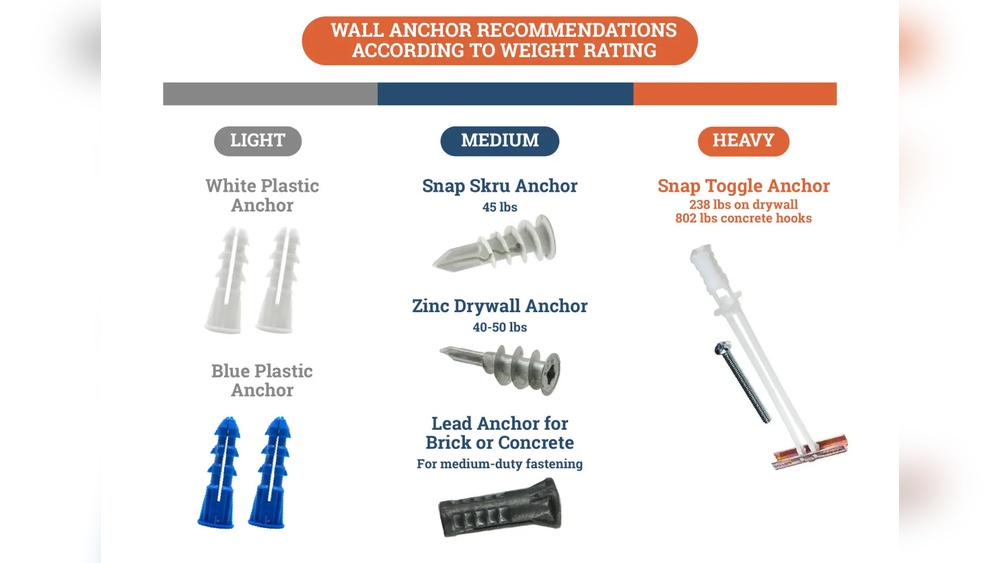
Anchors have weight limits. Exceeding limits risks anchor failure. Heavy items need stronger anchors. Check weight ratings on the package. Use multiple anchors for very heavy objects. Safety depends on respecting these limits.

Credit: www.frontierbasementsystems.com
Frequently Asked Questions
What Are Wall Anchors Used For?
Wall anchors secure heavy items on drywall or masonry. They provide extra support, preventing screws from pulling out. Anchors distribute weight evenly, ensuring stability for shelves, mirrors, or TV mounts.
How Do You Install Wall Anchors Properly?
Drill a hole matching the anchor size. Insert the anchor flush with the wall surface. Then, screw in the fastener slowly, allowing the anchor to expand and grip firmly inside the wall.
Which Type Of Wall Anchor Is Best For Drywall?
Plastic expansion anchors work well for light loads. For heavier items, use toggle bolts or molly bolts. These anchors spread load effectively, providing strong support on drywall surfaces.
Can You Reuse Wall Anchors After Removal?
Most wall anchors lose grip once removed. Reusing them can weaken the hold and cause damage. It’s best to use new anchors for each installation to ensure secure mounting.
Conclusion
Getting anchors in the wall is simple with the right steps. Choose the correct anchor type for your wall material. Drill a hole that fits the anchor snugly. Push or tap the anchor gently into place. Tighten screws carefully to avoid damage.
This process helps your shelves and pictures stay secure. Practice makes perfect, so don’t rush. With patience, you can hang items safely and confidently. Keep these tips in mind for your next project.