Are you struggling to hang heavy items on your plaster walls without worrying they’ll fall? Using the right wall anchors can make all the difference in keeping your shelves, mirrors, or artwork secure.
But how do you choose the best anchors and install them correctly in plaster? In this guide, you’ll discover simple, step-by-step tips to confidently use wall anchors that hold strong and protect your walls. Keep reading, and you’ll learn exactly what you need to do to get the job done right the first time.

Credit: abutterflyhouse.com
Choosing The Right Wall Anchors
Choosing the right wall anchors is key for hanging items on plaster walls. The right anchor holds the weight safely and avoids damage. Different anchors fit different needs and wall types. Picking the wrong one can cause your item to fall or the wall to crack. Understanding the types and factors helps make the best choice.
Types Of Wall Anchors For Plaster
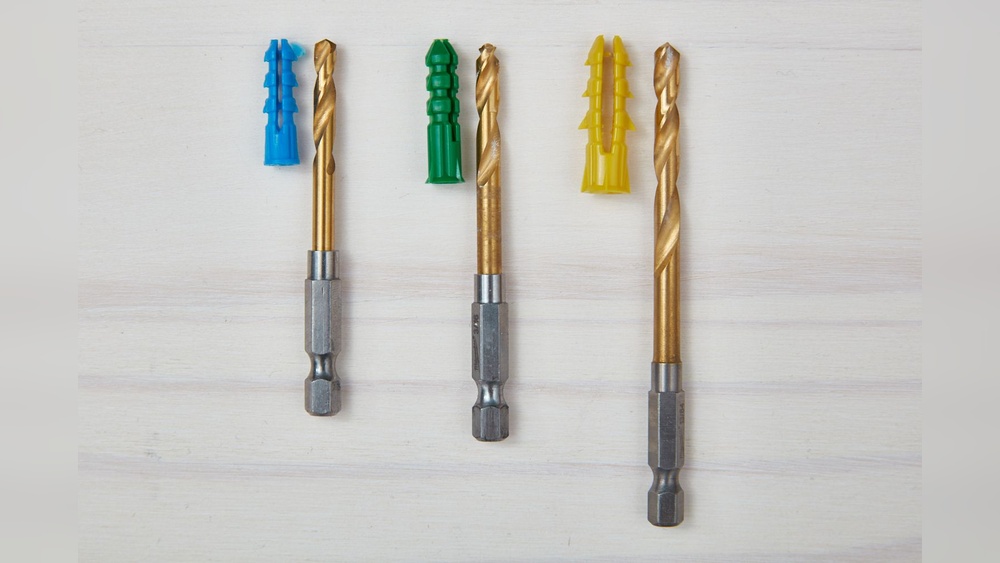
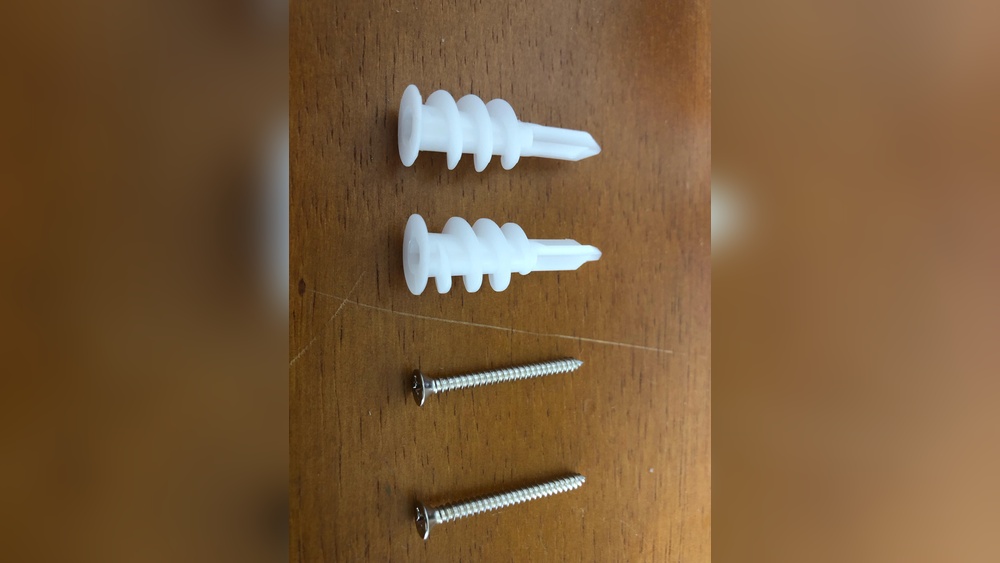
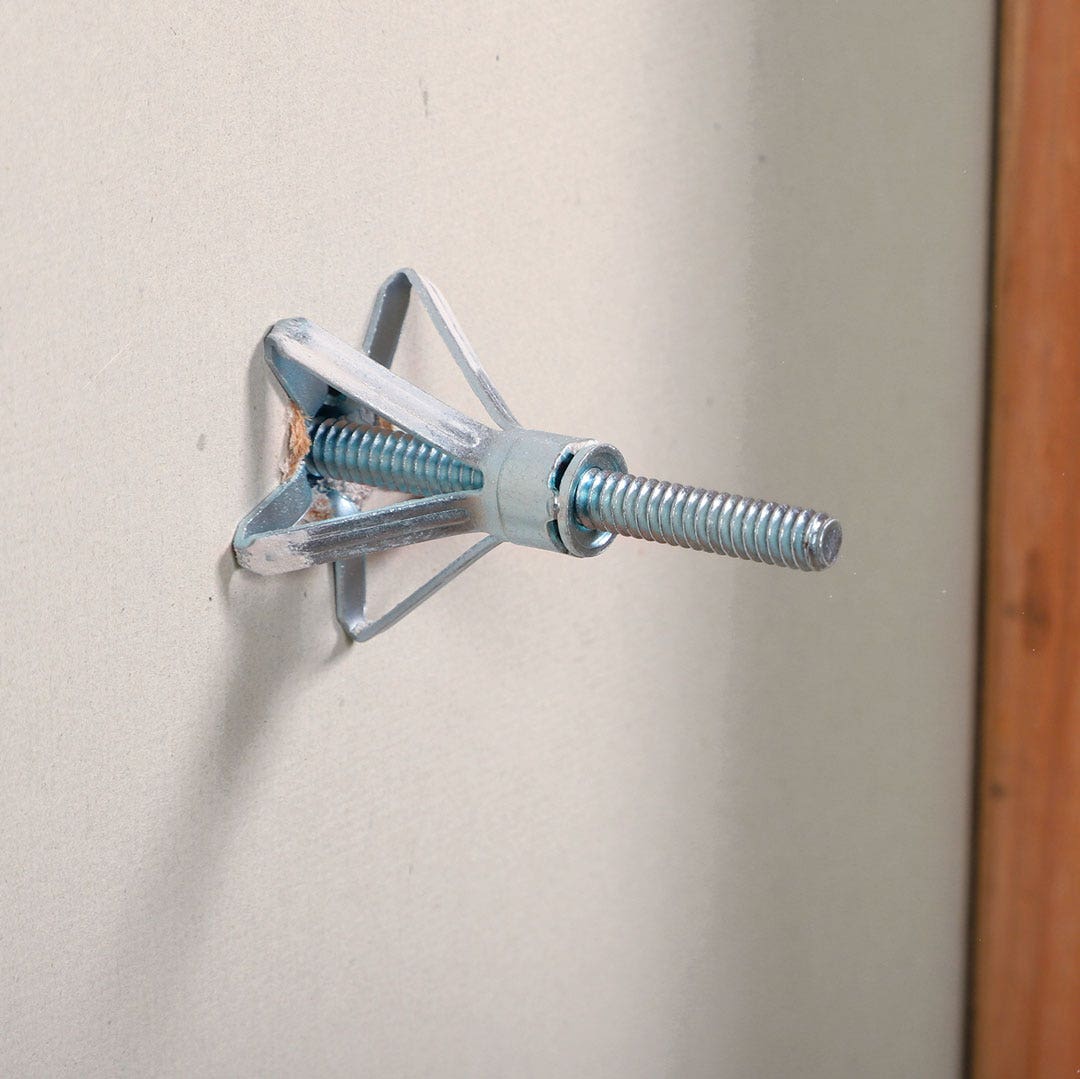
Plastic expansion anchors work well for light loads. They expand inside the hole for a firm grip. Metal anchors hold heavier items and resist rust. Toggle bolts spread the load behind the wall for strong support. Molly bolts expand inside the wall for a tight fit. Choose based on the weight of what you hang and wall thickness.
Factors To Consider
Weight capacity is the first factor to check. Know how heavy your item is before choosing an anchor. Wall thickness matters too. Thicker plaster needs longer anchors for better hold. Consider the wall condition. Old or cracked plaster may require special anchors. Size of the anchor should match the screw size. Proper fit means better hold and less damage.
Credit: www.ashanging.com
Preparing The Plaster Wall
Preparing a plaster wall before using wall anchors is key for a strong hold. A well-prepared surface reduces damage and ensures the anchor supports weight properly. Start by finding the right spots and using the right tools. Careful preparation means your anchors will stay secure for a long time.
Locating Studs And Marking Spots
First, find the studs behind the plaster. Studs provide extra support for heavy items. Use a stud finder or tap the wall to hear a solid sound. Mark the spots lightly with a pencil where you want to place the anchors. Keep the marks small to avoid visible damage.
Drilling Correctly
Choose a drill bit that matches the anchor size. Drill slowly to avoid cracking the plaster. Stop once you reach the right depth for the anchor. Clean the hole by removing dust and debris. This step helps the anchor grip the wall firmly.
Installing Wall Anchors
Installing wall anchors in plaster walls ensures a strong hold for your items. Plaster can be fragile, so the right anchor type matters. Follow these steps to secure your anchors safely and effectively.
Inserting Plastic Anchors
Start by drilling a hole slightly smaller than the plastic anchor. Push the anchor gently into the hole until it fits flush with the wall. Use a screwdriver to drive the screw into the anchor. The plastic expands inside the hole, holding tight to the plaster.
Using Toggle Bolts
Drill a hole large enough for the toggle wings to pass through. Fold the wings and push the toggle bolt into the hole. Once inside, the wings open and grip the back of the plaster. Tighten the screw to secure the bolt firmly against the wall.
Applying Molly Bolts
Drill a hole matching the molly bolt size. Insert the molly bolt into the hole until the flange touches the wall. Tighten the screw slowly to expand the anchor behind the plaster. This creates a strong hold for medium-weight objects.
Securing Fixtures To The Wall
Securing fixtures to plaster walls requires care and the right tools. Plaster can be fragile, so using the correct wall anchors and screws is key. Proper installation keeps your fixtures stable and prevents damage to the wall. Follow these steps to ensure a strong hold and a clean finish.
Choosing The Right Screws
Select screws that fit your wall anchors perfectly. Screws too long or too short may fail to hold properly. Use screws made for plaster walls or those recommended by the anchor manufacturer. The screw thickness should match the anchor size for a tight fit. This balance helps the anchor expand and grip the plaster securely.
Tightening Without Damage
Turn screws slowly and steadily to avoid cracking plaster. Tighten just enough to hold the fixture firmly. Over-tightening can break the wall or strip the anchor’s grip. Use a screwdriver with good control rather than a power drill. Stop as soon as you feel resistance for a safe, strong hold.
Troubleshooting Common Issues
Using wall anchors in plaster can sometimes cause problems. Cracks may appear, or anchors may feel loose. Holes might be too big. These issues make your project look unfinished and less safe. Fixing these problems quickly keeps your wall strong and your items secure.
Dealing With Cracks And Loose Anchors
Cracks often happen when the plaster is old or weak. Loose anchors can cause items to fall. To fix cracks, remove the anchor carefully. Fill the crack with plaster repair compound. Let it dry fully before drilling a new hole.
Choose the right anchor size for a tight fit. Push the anchor gently into the hole. If it still feels loose, use a larger anchor or add a bit of glue. Tighten screws slowly to avoid new cracks.
Fixing Over-drilled Holes
Over-drilled holes are too big for anchors. The anchor will not hold well. Fill the hole with a strong filler or wood plugs. Let the filler dry completely. Sand it smooth for a flat surface.
Drill a new hole in the center of the filled area. Use the correct drill bit size for the anchor. Insert the anchor carefully. This method strengthens the wall and prevents damage.
Tips For Long-lasting Holds
Using wall anchors in plaster needs care for strong, long-lasting holds. Poor installation can cause anchors to fail or damage plaster. Follow simple tips to keep your anchors secure and your walls safe.
Choose The Right Anchor Type
Select anchors designed for plaster walls. Plastic expansion anchors work well for light loads. For heavier items, use toggle bolts or molly bolts. The right anchor type holds better and lasts longer.
Drill Correct Hole Size
Match the drill bit size to the anchor size. Too large a hole makes the anchor loose. Too small a hole can crack the plaster. Drill carefully for a snug fit.
Insert Anchors Gently
Push anchors into the hole without force. Hammer lightly if needed. Forcing anchors can break plaster or damage the anchor. A gentle touch keeps everything intact.
Use Proper Screws
Use screws that fit the anchor well. Too long or thick screws can crack plaster. Correct screws spread weight evenly and keep anchors secure.
Distribute Weight Evenly
Hang heavy items using multiple anchors. Spread the load to avoid stress on one point. This prevents plaster from cracking or anchors from pulling out.

Credit: www.picturehangsolutions.com
Frequently Asked Questions
What Types Of Wall Anchors Work Best In Plaster?
Plastic expansion anchors and toggle bolts work best in plaster. They provide strong support without damaging the brittle surface. Choose anchors designed specifically for plaster to ensure durability and secure mounting.
How Do I Prepare Plaster Walls For Wall Anchors?
First, locate the stud or solid backing behind plaster. Drill a pilot hole slightly smaller than the anchor. Clean dust from the hole to ensure proper grip and prevent anchor slipping.
Can I Use Regular Screws Without Anchors In Plaster Walls?
No, regular screws alone often fail in plaster walls. Plaster is brittle and lacks holding strength. Use wall anchors to distribute weight and prevent damage or falling fixtures.
How Much Weight Can Plaster Wall Anchors Hold?
Weight capacity varies by anchor type and plaster condition. Generally, plastic anchors hold up to 25 pounds, while toggle bolts support heavier loads. Always check manufacturer specifications for safe weight limits.
Conclusion
Using wall anchors in plaster keeps your items secure and steady. Choose the right anchor for your wall type and weight. Drill carefully to avoid cracks or damage. Insert anchors gently and tighten screws slowly. This simple method helps hang pictures, shelves, or mirrors safely.
Practice makes perfect. Soon, you will feel confident handling wall anchors in plaster. Enjoy a sturdy and neat finish every time.