Have you ever struggled with a jammed or broken deadbolt and wondered how to fix it yourself? Replacing a deadbolt might seem tricky, but it’s something you can do quickly with the right steps.
Imagine having your door secure again without waiting for a locksmith or spending a fortune. In this guide, you’ll discover easy-to-follow instructions that save you time and money while giving you peace of mind. Keep reading, and you’ll learn exactly how to replace your deadbolt like a pro.

Credit: www.youtube.com
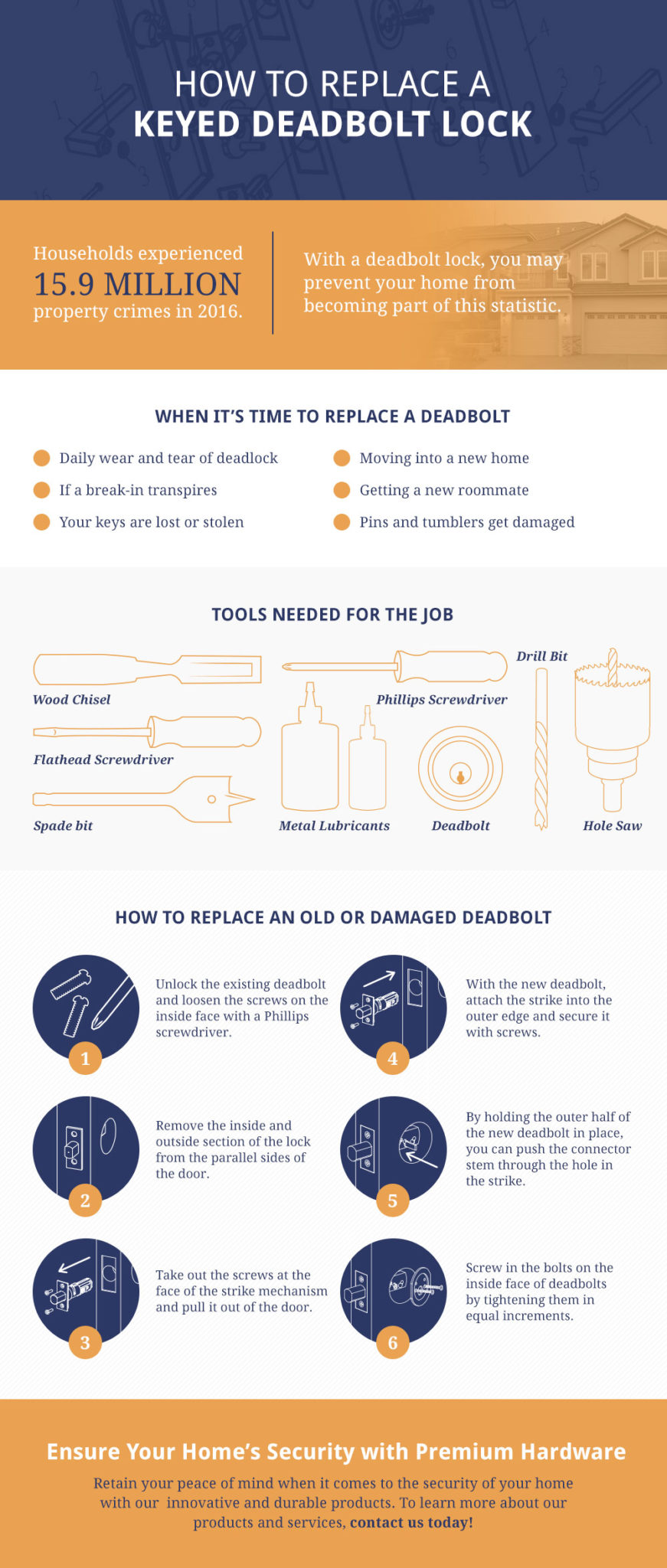
Tools Needed
Replacing a deadbolt requires the right tools. Having these tools ready makes the job easier and faster. Some tools are necessary for every deadbolt change. Others can help, but are not required.
Essential Tools List
- Screwdriver (usually Phillips head)
- New deadbolt lock set
- Measuring tape or ruler
- Drill (only if new holes are needed)
- Chisel (for adjusting the door frame)
- Pencil (for marking holes)
Optional Tools For Ease
- Power screwdriver to speed up work
- Level to ensure the lock is straight
- Utility knife to trim door edges
- Flashlight to see inside the lock mechanism
- Wood filler for fixing old screw holes
Credit: premiumhardware.net
Choosing The Right Deadbolt
Choosing the right deadbolt is key to keeping your home safe. The right lock fits your door and matches your security needs. It should be easy to use and strong against break-ins. Understanding different deadbolt types and their features helps you pick the best one.
Types Of Deadbolts
Single-cylinder deadbolts use a key outside and a thumb turn inside. They are common and simple to use. Double-cylinder deadbolts need a key on both sides. They add security but may slow down exit in emergencies. Keyless deadbolts use a keypad or fingerprint. They offer convenience without keys. Choose the type that fits your door and lifestyle.
Security Features To Consider
Look for a deadbolt with a hardened steel bolt. It resists sawing and kicking. A lock with a reinforced strike plate adds extra strength. Pick a lock with anti-pick pins to stop lock picking. Some models have drill-resistant plates to block drilling attacks. Also, check for locks with a high security rating. These features work together to protect your home better.
Removing The Old Deadbolt
Removing the old deadbolt is the first step in replacing it. This process makes sure the new lock fits well. Take your time to avoid damage to the door or frame. Follow clear steps to remove the lock safely and correctly.
Locating Screws And Components
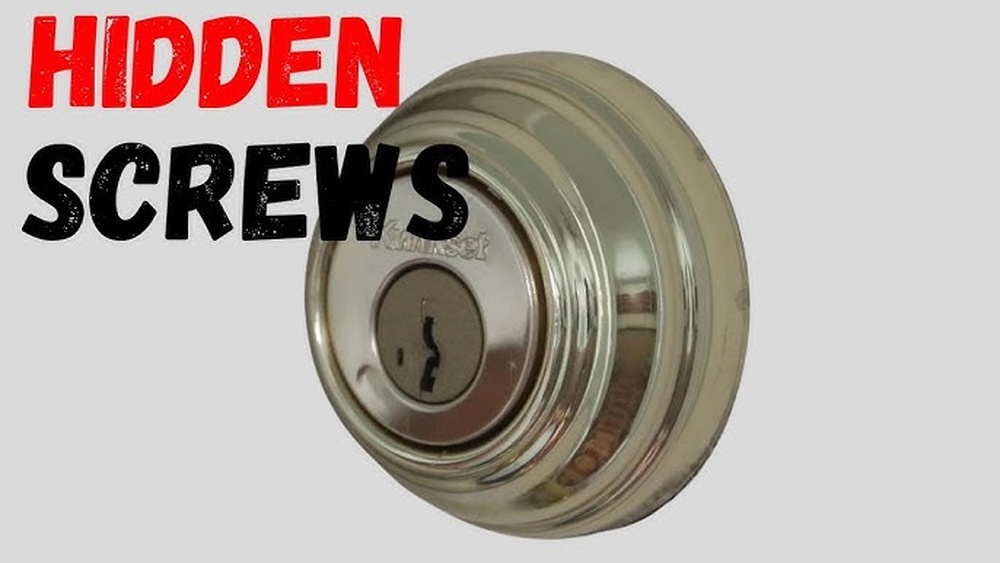
Start by finding the screws on the inside of the door. These screws hold the deadbolt together. They are usually near the lock’s round plate. Look for screws on the faceplate, too. Identify the key parts: the exterior knob, interior knob, and the latch bolt.
Detaching The Lock From The Door
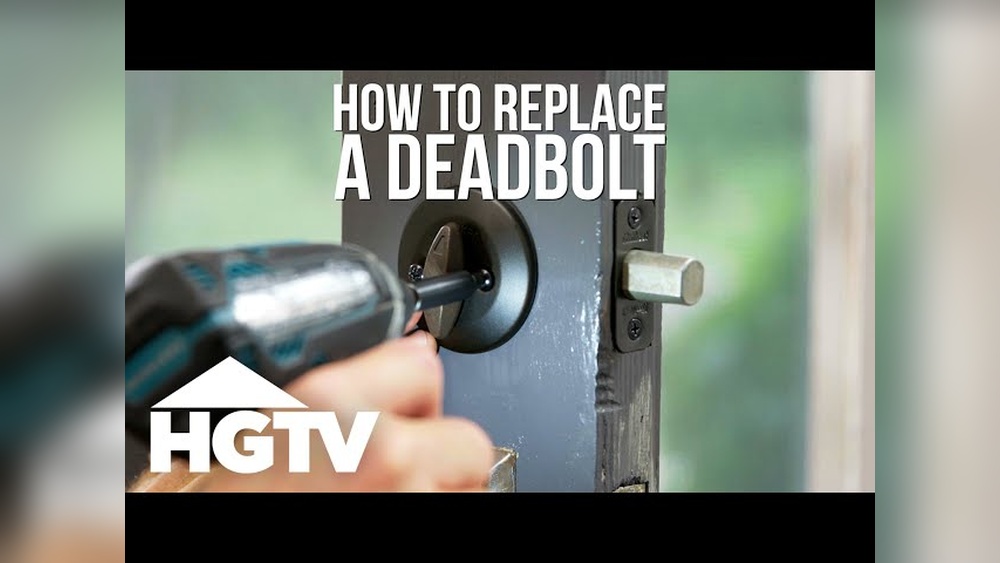
Use a screwdriver to remove all screws carefully. Keep the screws in a safe place for later use. Gently pull the interior and exterior knobs apart. Remove the latch bolt from the door edge by sliding it out. Check that all parts come off without force. This clears the way for installing the new deadbolt.
Preparing The Door
Preparing the door is a key step before replacing a deadbolt. It helps the new lock fit well and work smoothly. Careful preparation prevents problems later and makes installation easier.
Checking Door Alignment
Start by checking the door alignment. Make sure the door closes evenly and fits well in the frame. A door that is crooked or loose can cause the deadbolt to jam.
Look for gaps between the door and frame. The door should not be too tight or too loose. Adjust hinges or strike plates if needed to fix alignment issues.
Cleaning And Adjusting The Hole
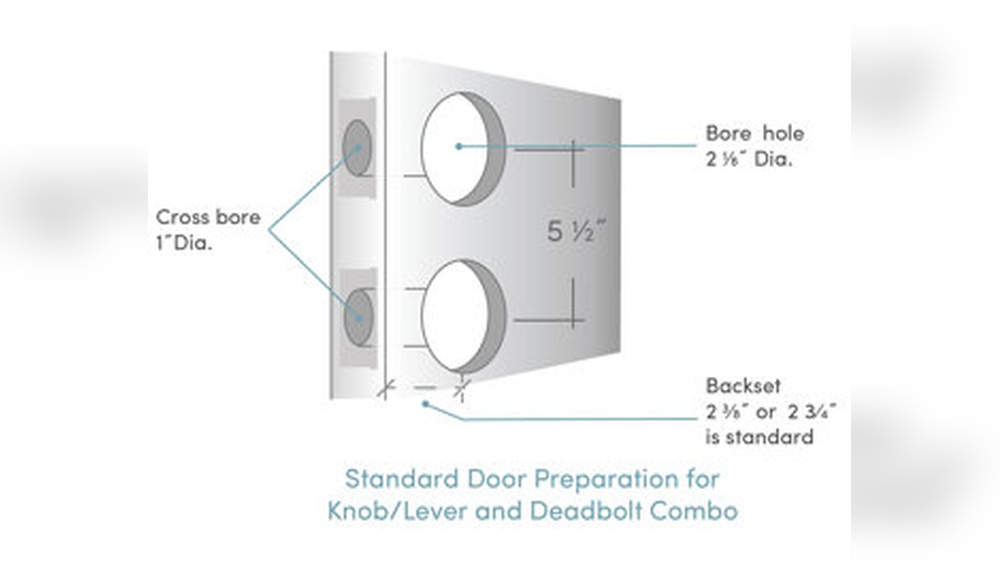
Clean the hole where the deadbolt will go. Remove dust, wood chips, and old paint. A clean hole helps the new lock fit properly.
Check the hole size and shape. It should match the new deadbolt’s parts. Use sandpaper or a file to smooth edges or widen the hole slightly. This prevents sticking or misalignment.
Installing The New Deadbolt
Installing the new deadbolt is a key step to secure your door properly. It involves placing the main lock mechanism inside the door and attaching the outer parts. Each part must fit well for the lock to work smoothly.
Inserting The Deadbolt Mechanism
Start by sliding the deadbolt mechanism into the hole on the door edge. Make sure the bolt faces the correct direction, usually with the angled side pointing into the door frame. Push it in until it sits flush with the door edge.
Check that the bolt moves freely by turning the thumb turn or key. This step ensures the mechanism is not stuck and will lock and unlock easily.
Securing The Exterior And Interior Plates
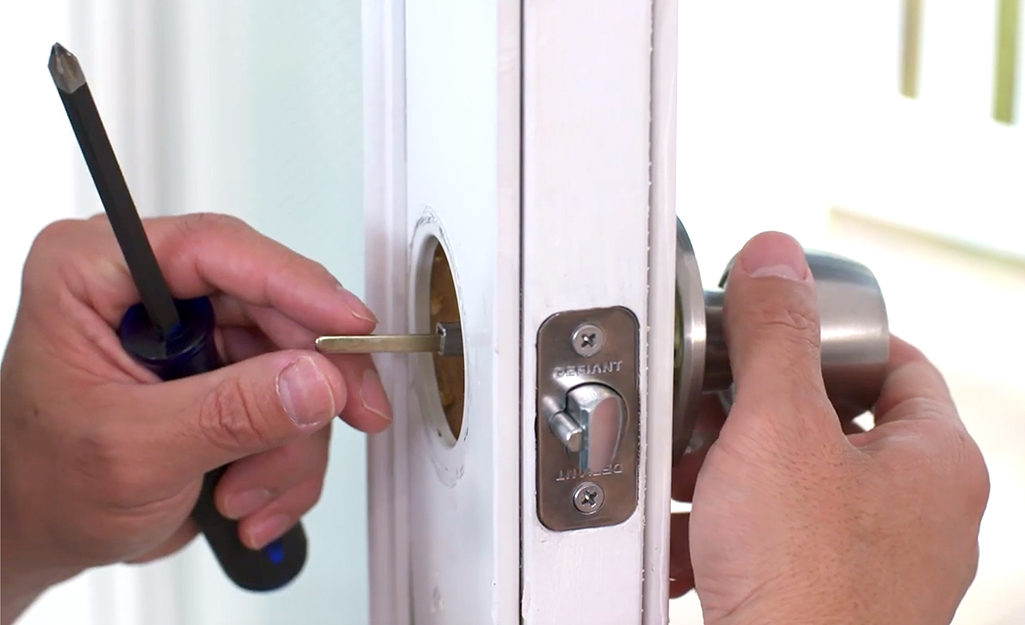
Place the exterior plate with the keyhole on the outside of the door. Align the spindle and screws with the holes in the deadbolt mechanism. Next, position the interior plate with the thumb turn on the inside of the door.
Hold both plates firmly and insert the screws. Tighten them evenly to keep the lock parts secure and aligned. Avoid overtightening to prevent damage to the door or lock.
Credit: www.homedepot.com
Testing The Lock
Testing the lock is a key step after installing a new deadbolt. It ensures the lock works well and keeps your door secure. This step helps spot any problems early. It saves time and effort later.
Checking Smooth Operation
Turn the key slowly in the lock. It should move without sticking or resistance. Test the deadbolt from both inside and outside. The bolt should slide in and out easily. Close the door and lock it several times. Listen for any unusual sounds. Smooth operation means the lock is installed correctly.
Troubleshooting Common Issues
If the key is hard to turn, check the alignment of the deadbolt. Make sure the strike plate lines up with the bolt. Tighten any loose screws on the lock or door frame. Lubricate the lock with graphite powder if it feels stiff. Avoid using oil-based lubricants, which attract dirt. If the bolt does not extend fully, adjust the strike plate position. Test again until the lock works smoothly and securely.
Maintaining Your Deadbolt
Keeping your deadbolt in good shape extends its life and keeps your home safe. Regular care stops problems before they start. Simple steps make a big difference in how well your deadbolt works.
Lubrication Tips
Use a graphite-based lubricant for your deadbolt. Oil can attract dust and dirt, causing jams. Spray a small amount inside the keyhole and on the bolt. Turn the key several times to spread the lubricant evenly. Repeat this every six months to keep the lock smooth.
Regular Inspection
Check your deadbolt monthly for signs of wear or damage. Look for rust, loose screws, or parts that do not move easily. Tighten any loose screws with a screwdriver. If the lock feels sticky or hard to turn, clean and lubricate it. Regular checks help spot issues early, preventing costly repairs.
Frequently Asked Questions
How Do You Remove A Deadbolt Lock?
To remove a deadbolt, unscrew the interior and exterior plates. Pull the lock cylinder and bolt assembly out gently. Keep screws safe for reinstallation. This process allows easy replacement or repair of the deadbolt.
What Tools Are Needed To Replace A Deadbolt?
You need a screwdriver, new deadbolt, measuring tape, and possibly a drill. These tools help remove the old lock and install the new one accurately and securely.
How Long Does It Take To Replace A Deadbolt?
Replacing a deadbolt typically takes 15 to 30 minutes. Time varies based on your experience and lock type. Preparation and proper tools speed up the process.
Can I Replace A Deadbolt Without Professional Help?
Yes, most deadbolts are designed for DIY replacement. Follow instructions carefully, use the right tools, and ensure proper alignment for security and function.
Conclusion
Replacing a deadbolt can be simple with the right steps. Take your time and follow the instructions carefully. Make sure all parts fit well and work smoothly. A secure deadbolt keeps your home safe and gives peace of mind. Practice makes perfect, so don’t worry if it takes a little time.
Now, you know how to replace a deadbolt yourself. Stay safe and protect what matters most.