Are you ready to install a deadbolt but unsure about the size of the hole you need to drill? Getting this right is crucial for a secure fit and smooth operation.
If the hole is too big or too small, your deadbolt won’t work properly—and that can leave your home vulnerable. You’ll learn exactly how big the hole for a deadbolt should be, step by step. By the end, you’ll feel confident tackling this task yourself and keeping your home safer than ever.
Keep reading to discover the simple measurements that make a big difference.

Credit: www.directdoorhardware.com
Deadbolt Hole Dimensions
Deadbolt hole dimensions are key for a proper lock installation. Knowing the right size makes your door secure and the lock work smoothly. These measurements include the hole diameter, depth, and backset distance. Each part fits together to keep your deadbolt strong and reliable.
Standard Diameter Sizes
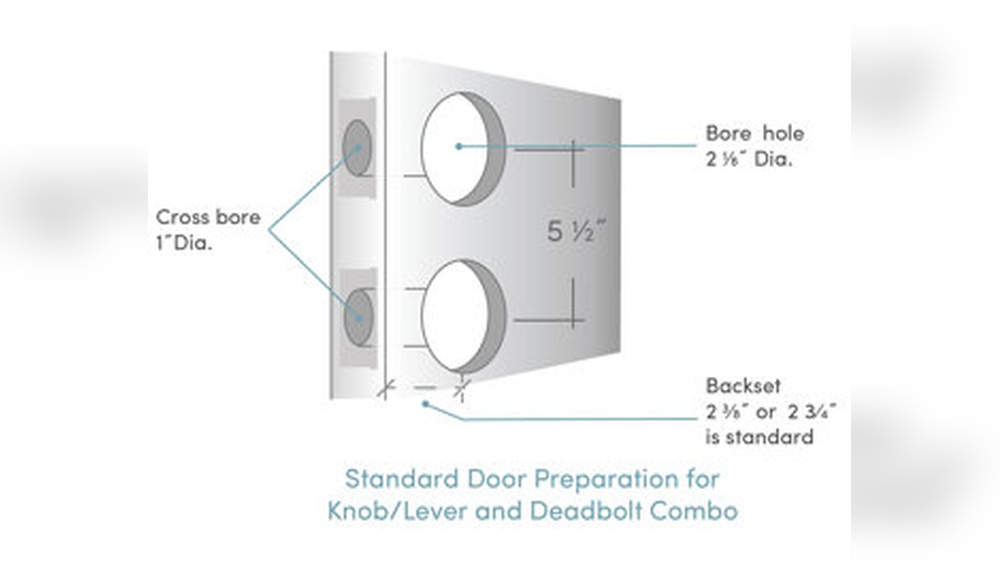
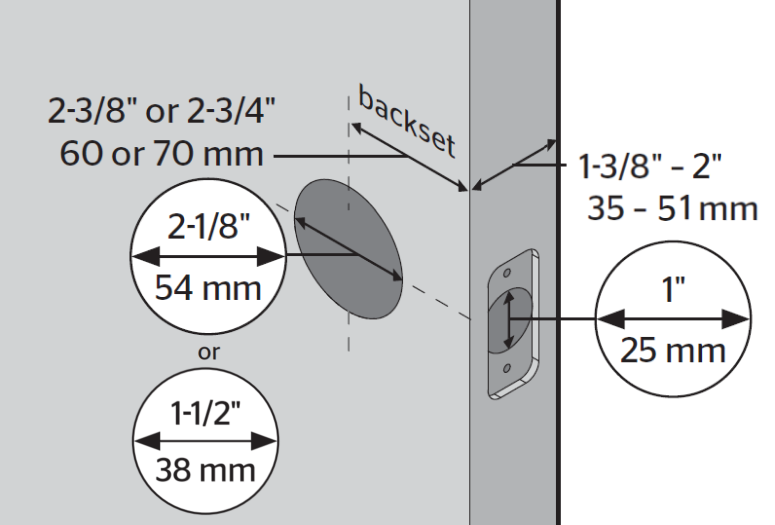
The main hole for a deadbolt usually measures 2 1/8 inches wide. This size fits most deadbolt locks in the market. A smaller or larger hole can cause problems with fitting or alignment. The edge bore, where the latch goes, is smaller. It is typically 1 inch in diameter.
Depth Requirements
The hole depth depends on the door thickness and lock type. Most deadbolts need a hole depth of about 2 1/2 inches. This allows the bolt to fully extend into the door frame. Measure your door thickness before drilling. This ensures the hole depth is enough for the lock parts.
Backset Measurements
Backset is the distance from the door edge to the hole center. Common backset sizes are 2 3/8 inches or 2 3/4 inches. Choose the correct backset to match your door’s existing holes. A wrong backset can make the lock hard to install or use.
Door Thickness And Hole Size
Door thickness plays a key role in choosing the right hole size for a deadbolt. A door that is too thick or too thin may need special adjustments. This ensures the deadbolt fits properly and works well. Understanding common door thicknesses helps prepare for correct hole measurements.
Common Door Thicknesses
Most residential doors have a thickness of 1 3/8 inches or 1 3/4 inches. Exterior doors often measure 1 3/4 inches thick for added security. Interior doors usually come at 1 3/8 inches thick. Some doors may be thicker, reaching up to 2 inches or more. Knowing the exact thickness helps pick the right deadbolt size and hole diameter.
Adjusting Hole Size For Thickness
Standard deadbolt holes are typically 2 1/8 inches in diameter. Thicker doors may need deeper holes to fit the bolt mechanism. Thinner doors might require smaller backset adjustments. Measuring both the thickness and the door edge depth is important. This avoids loose fitting or difficulty in locking. Correct hole size ensures the deadbolt functions smoothly and securely.
Types Of Deadbolts And Hole Variations
Deadbolts come in various types, each needing different hole sizes. Understanding these types helps in installing the right deadbolt. Knowing the hole variations also saves time and effort during installation.
Single Cylinder Deadbolts
Single cylinder deadbolts use a key outside and a thumb turn inside. The hole for this type usually measures 2 1/8 inches in diameter. The backset, the distance from the edge of the door, is often 2 3/8 or 2 3/4 inches. This deadbolt is common for residential doors.
Double Cylinder Deadbolts
Double cylinder deadbolts need a key on both sides. They add extra security but require two keys. The hole size is similar to single cylinder deadbolts, around 2 1/8 inches. The backset also varies between 2 3/8 and 2 3/4 inches. This type suits doors with glass near the lock.
Keyless Deadbolts
Keyless deadbolts use a keypad or fingerprint for entry. These often need a larger hole to fit electronics. The hole size can be 2 1/8 inches or more, depending on the model. Backsets also vary, so checking the product is important. They offer convenience and modern security options.
Credit: brinkshome.com
Tools For Drilling Deadbolt Holes
Drilling holes for a deadbolt requires the right tools. Using proper equipment ensures clean, accurate cuts. This helps the lock fit perfectly and work smoothly. Choosing the correct tools makes the job easier and safer.
Hole Saws And Drill Bits
Hole saws are the main tools for drilling deadbolt holes. They create large, round openings in doors. Sizes usually range from 2 to 2 1/8 inches, matching deadbolt diameters. Drill bits help make smaller holes for latch plates and screws. Sharp and sturdy bits give precise results without damaging the door.
Measuring And Marking Tools
Accurate measuring tools guide the drilling process. A tape measure or ruler finds the right height and position on the door. Marking tools like pencils or markers show where to drill. Clear marks prevent mistakes and save time. Careful measuring keeps the deadbolt aligned and secure.
Step-by-step Hole Drilling Guide
Drilling holes for a deadbolt may seem hard, but it is simple with clear steps. Follow this guide to make clean and accurate holes. Proper hole size ensures your deadbolt fits perfectly. This step-by-step process helps avoid mistakes and saves time.
Marking The Door
Start by deciding the height of your deadbolt. Usually, it goes about 6 to 8 inches above the doorknob. Use a pencil to mark the spot on the door face. Next, mark the edge of the door where the bolt will go. Double-check your marks to make sure they line up.
Drilling The Face Hole
Choose a hole saw drill bit matching your deadbolt size, usually 2 1/8 inches. Drill straight through the door face at the mark. Use slow, steady pressure to keep the hole clean. Stop once you reach the other side to avoid splintering wood. Smooth the hole edges with sandpaper for a neat finish.
Drilling The Edge Bore
Next, use a spade bit to drill the edge bore hole. This hole is smaller, often 1 inch wide. Drill into the door edge at your mark. Make sure this hole connects perfectly with the face hole. Clean any rough edges to ensure the deadbolt fits well.

Credit: level.co
Common Mistakes To Avoid
Installing a deadbolt requires precision. Many make errors that cause problems later. Avoiding common mistakes saves time and frustration. Focus on the hole size, alignment, and door type.
Incorrect Hole Size
Choosing the wrong hole size is a frequent error. A hole too small blocks the deadbolt from fitting. A hole too large weakens the door and looks bad. Measure carefully before drilling. Use the deadbolt instructions for exact dimensions.
Misaligned Drilling
Drilling off-center ruins the installation. The deadbolt may not lock properly or stick. Mark the spots clearly before drilling. Check twice to ensure the holes line up. Use a template or guide for accuracy.
Ignoring Door Material
Different doors need different approaches. Wood, metal, and fiberglass vary in hardness and thickness. Drilling too fast or with the wrong bit can damage the door. Know your door material and pick the right tools. Take your time to avoid cracks or splits.
Custom Deadbolt Installations
Custom deadbolt installations are needed for unique door types. Standard deadbolt holes often do not fit every door. Doors come in many shapes and materials. Each requires a specific approach to ensure security and fit.
Custom work helps create the right hole size and shape. It keeps the door strong and the lock secure. Experts adjust tools and techniques to match the door’s needs.
Non-standard Doors
Non-standard doors have unusual thickness or materials. Some doors are metal, fiberglass, or very thick wood. These features need special hole sizes for deadbolts. The usual 2 1/8-inch hole may not work. Installers measure the door carefully before drilling. They may use larger or smaller holes. This prevents damage and keeps the door safe.
Retrofit Solutions
Retrofit solutions help add deadbolts to old or existing doors. Older doors often have different hole sizes or no holes at all. Installers create a custom hole that fits the deadbolt. They avoid weakening the door’s structure. Sometimes, they use plates or adapters to fill extra space. This keeps the lock tight and secure without full door replacement.
Frequently Asked Questions
What Is The Standard Hole Size For A Deadbolt?
The standard hole for a deadbolt is 2 1/8 inches in diameter. This size fits most residential doors and deadbolt locks. It ensures proper alignment and secure installation of the deadbolt mechanism.
How Deep Should The Hole For A Deadbolt Be?
The hole depth for a deadbolt is typically 2 1/2 inches. This depth accommodates the lock body inside the door. Proper depth ensures smooth operation and secure fitting of the deadbolt lock.
What Size Hole Is Needed For The Latch Bolt?
The latch bolt hole, or edge bore, is usually 1 inch in diameter. This hole is drilled on the door edge to fit the latch mechanism. It must align precisely with the deadbolt hole for proper locking.
Can Hole Sizes Vary For Different Deadbolt Types?
Yes, hole sizes can vary based on deadbolt design. Some specialty or high-security deadbolts may require different hole diameters or depths. Always check the manufacturer’s instructions before drilling.
Conclusion
Knowing the right hole size for a deadbolt helps your lock fit perfectly. Most deadbolts need a 2 1/8 inch hole in the door. The edge hole is usually 1 inch wide. Measuring carefully saves time and prevents mistakes. A well-fitted deadbolt keeps your home safe and secure.
Always double-check your measurements before drilling. Simple steps can make installation easier and faster. Now you have a clear idea about deadbolt hole sizes. Ready to secure your door with confidence?