Are you ready to build a strong and lasting retaining wall using railroad ties? Knowing how to anchor these heavy wooden beams properly is the key to making sure your wall stands firm through rain, wind, and time.
In this guide, you’ll discover simple and effective ways to secure your railroad ties so your project doesn’t just look great but stays safe and solid for years. Keep reading, and you’ll learn step-by-step tips that anyone can follow—even if this is your first time working with railroad ties.
Let’s get your wall anchored right!
Choosing The Right Railroad Ties
Choosing the right railroad ties is key to building a strong retaining wall. The right ties will last longer and hold soil better. This section explains how to pick the best ties for your project. Understanding types, durability, and size helps you plan well and save money.
Types Of Railroad Ties
Railroad ties come in wood, concrete, and composite types. Wooden ties are common and easy to work with. Concrete ties last longer but are heavy and hard to cut. Composite ties resist rot and insects but cost more. Pick the type that fits your wall’s needs and budget.
Durability And Treatment
Wood ties need treatment to resist rot and bugs. Look for ties treated with creosote or other preservatives. Untreated wood breaks down fast in wet soil. Concrete and composite ties resist weather better. Choose ties that last in your climate for a strong wall.
Sizing And Quantity
Measure your wall’s length and height first. Railroad ties come in standard sizes, usually 7 to 8 feet long. Use enough ties to cover the wall’s height safely. Buying a few extra ties helps cover mistakes or damage. Correct sizing and quantity keep your project smooth and steady.

Credit: www.wikihow.com
Preparing The Site
Preparing the site is the first step in anchoring railroad ties for a retaining wall. This stage sets the foundation for a strong and stable wall. Proper preparation makes construction easier and improves the wall’s durability.
Clearing And Leveling
Remove all plants, rocks, and debris from the site. Clear the area to create a flat, even space. Level the ground to prevent future shifting of the wall. Use a shovel or rake to smooth the surface. A level site helps railroad ties sit firmly and evenly.
Marking The Wall Layout
Use stakes and string to outline the wall shape. Mark the exact location to avoid mistakes later. Measure the length and height carefully. Clear markings keep the construction organized. This step ensures the wall follows your plan perfectly.
Excavation Basics
Dig a trench along the marked layout. The trench should be deep enough to hold the first row of railroad ties. Excavation provides a solid base below ground level. Remove loose soil and compact the trench bottom. A firm base stops the wall from leaning or falling.
Tools And Materials Needed
Building a strong retaining wall with railroad ties needs the right tools and materials. These help keep the ties in place and ensure the wall lasts long. Preparation is key to avoid problems during the build.
Essential Tools
You need a few basic tools to start. A shovel helps dig trenches for the ties. A level checks that each tie is straight. A hammer or mallet drives stakes or anchors into the ground. A drill with bits is useful for making holes. Measuring tape ensures proper spacing and sizing.
Anchoring Materials
Anchors hold the railroad ties firmly in place. Use rebar or steel rods for strong support. Concrete mix can secure anchors in the ground. Heavy-duty screws or bolts join the ties together. Gravel or crushed stone helps with drainage behind the wall.
Safety Gear
Protect yourself while working. Wear gloves to avoid splinters from the wood. Safety glasses shield your eyes from debris. Steel-toed boots protect your feet from heavy objects. Hearing protection is needed if you use power tools.
Anchoring Techniques
Anchoring railroad ties properly is key for a strong retaining wall. The right techniques keep the wall stable and safe. This section explains three common anchoring methods. Each method adds strength and prevents shifting over time.
Using Rebar For Stability
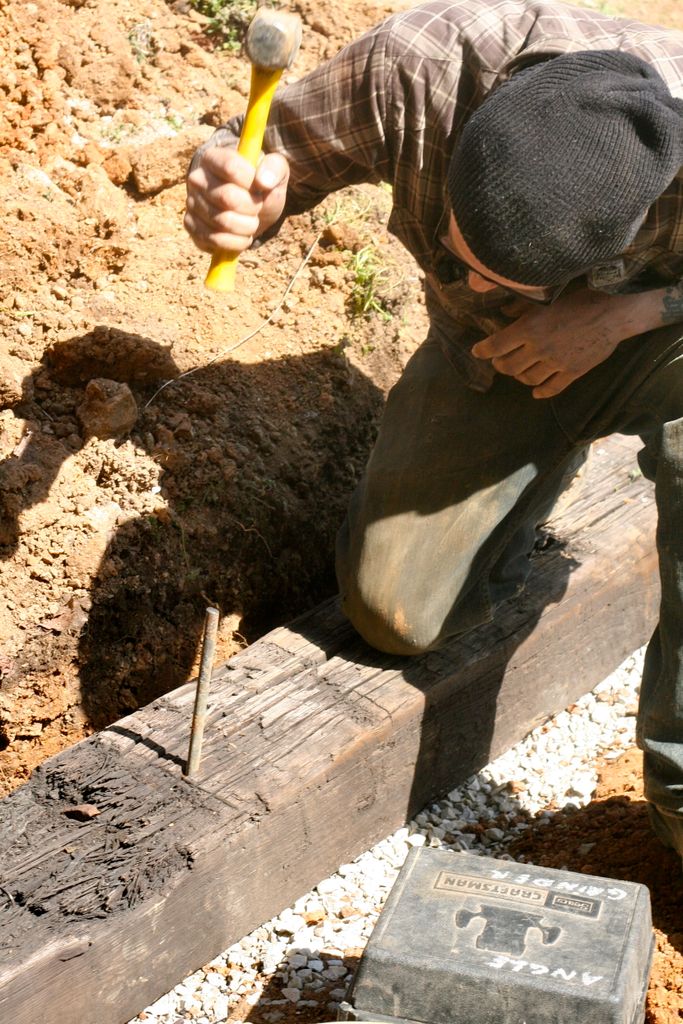
Rebar is a strong steel rod used to hold ties in place. Drive rebar through holes in the ties into the ground. This stops the ties from moving forward or backward. Space rebar evenly along the wall for best support. It is simple but very effective for small to medium walls.
Installing Anchors And Brackets
Anchors and brackets connect ties firmly to a solid base. Use metal brackets attached to the back of each tie. Secure the brackets deep into the soil or concrete base. This method gives extra resistance to pressure from soil behind. It works well on uneven ground or taller walls.
Securing With Concrete
Concrete adds strong, lasting support to railroad ties. Pour concrete around the base of each tie after placing it. This locks the tie in position and keeps water from eroding soil. Concrete also prevents ties from rotting by reducing ground contact. It is ideal for heavy-duty retaining walls.
Building The Retaining Wall
Building a retaining wall with railroad ties requires careful planning and solid steps. Each layer must be strong and stable. The wall should hold back soil without shifting or falling. Follow simple steps to ensure a durable structure that lasts.
Laying The First Course
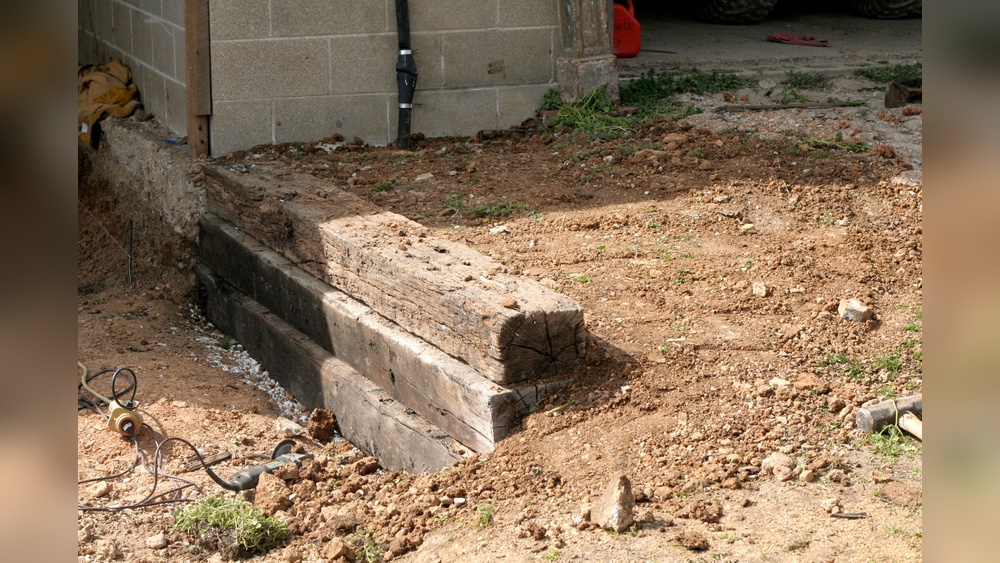
Start by preparing a flat base for the first row of ties. Clear the area of debris and level the ground. Place the first course of ties directly on the soil or on a gravel bed. Use a level to make sure each tie sits evenly. Secure the ties with long spikes or rebar driven through pre-drilled holes. This base layer supports the entire wall, so it must be firm and straight.
Stacking And Aligning Ties
Stack the next rows of ties carefully on top of the first. Align each tie with the one below it to maintain a straight wall. Stagger the joints between ties to add strength. Drive spikes or rebar through overlapping ties to hold them together. Check alignment frequently with a level and adjust as needed. Proper stacking prevents gaps and keeps the wall sturdy.
Backfilling And Drainage
Fill the space behind the wall with gravel or crushed stone. This backfill allows water to drain away from the soil. Proper drainage reduces pressure on the wall and prevents damage. Avoid using clay or heavy soil for backfill. Add a perforated drain pipe at the base if needed. Compact the backfill in layers to keep the wall stable and dry.
Credit: www.instructables.com
Maintaining The Wall
Maintaining a retaining wall made of railroad ties helps keep it strong and lasting longer. Regular care protects the wall from damage and keeps it looking good. Simple steps can prevent costly repairs and keep the structure safe for your property.
Inspecting For Shifts And Damage
Check the wall often for any movement or signs of wear. Look for ties that have moved out of place or show cracks. Small problems can grow fast, so spotting them early is key. Use a level to see if the wall stays straight. Fix loose ties to keep the wall stable.
Preventing Water Damage
Water can cause the wood to rot and weaken the wall. Make sure water drains away from the wall properly. Add gravel or drainage pipes behind the wall to stop water buildup. Avoid planting water-loving plants near the base. Seal the ties with wood preservative to keep moisture out.
Routine Cleaning Tips
Clear dirt and debris from the wall surface regularly. Use a brush or pressure washer on a low setting. Remove moss and algae to prevent slippery surfaces and decay. Keep plants and weeds away from the wall edges. Clean walls look better and last longer.

Credit: www.motherearthnews.com
Frequently Asked Questions
How Do You Anchor Railroad Ties For A Retaining Wall?
Anchor railroad ties using rebar or steel rods driven through pre-drilled holes. Secure ties with heavy-duty screws or spikes. This method prevents shifting and adds structural stability to your retaining wall.
What Tools Are Needed To Anchor Railroad Ties?
You need a drill with masonry bits, rebar or steel rods, a hammer or mallet, heavy-duty screws or spikes, and a level. These tools help ensure proper alignment and secure anchoring of the railroad ties.
Can Railroad Ties Be Anchored Without Concrete?
Yes, you can anchor ties using long rebar stakes driven deep into the ground. While concrete adds strength, properly driven rebar can hold ties firmly, especially for smaller retaining walls.
How Deep Should Railroad Ties Be Anchored?
Anchor railroad ties at least 12 to 18 inches into the ground for stability. Depth depends on wall height and soil type. Deeper anchoring helps resist soil pressure and prevents wall movement.
Conclusion
Anchoring railroad ties for a retaining wall takes careful steps. Start by choosing strong ties and sturdy anchors. Dig a firm base to hold everything in place. Secure the ties tightly to prevent movement over time. Check the wall regularly for any signs of shifting.
With the right care, your wall will stay safe and last long. Simple, steady work makes a strong, reliable retaining wall. Keep these tips in mind for your next project.