Are you ready to secure heavy items to your block wall but unsure how to do it right? Attaching steel anchors might seem tricky at first, but with the right steps, you can make your wall strong and reliable.
This guide will walk you through the exact process, so you feel confident and avoid common mistakes. Keep reading, and you’ll discover simple tips that make your project safer and easier than you thought. Your block wall will hold firm, and you’ll get the job done like a pro.
Types Of Steel Anchors
Steel anchors are essential for securing objects to block walls. Different types of anchors serve unique purposes. Choosing the right anchor depends on the weight and nature of the load. Below are common types of steel anchors used for block walls.
Expansion Anchors
Expansion anchors work by expanding against the wall inside the drilled hole. They hold tightly as the metal sleeve expands when the bolt is tightened. These anchors provide strong support for medium loads. Ideal for attaching shelves, fixtures, or light machinery.
Sleeve Anchors
Sleeve anchors have a metal sleeve that expands with the bolt. They fit well in hollow block walls and concrete. When tightened, the sleeve presses against the hole’s sides. This makes them good for heavier items like handrails or signs.
Drop-in Anchors
Drop-in anchors sit flush inside the hole. Use a setting tool to expand the anchor inside the block. This creates a firm hold for heavy loads. Commonly used in overhead fixtures, ceiling mounts, or heavy equipment.
Wedge Anchors
Wedge anchors grip by wedging into the hole as the bolt tightens. They offer strong, permanent fastening in solid block walls. Perfect for structural supports, safety rails, or heavy machinery.
Tools And Materials Needed
Attaching steel anchors to a block wall requires the right tools and materials. Having these ready makes the job easier and safer. This section covers the essential tools you need for a smooth process.
Drill And Drill Bits
A power drill is necessary to make holes in the block wall. Use masonry drill bits designed for concrete and block. The size of the bit depends on the anchor size. Sharp bits help make clean holes quickly.
Hammer And Wrench
A hammer drives the anchor into the drilled hole. Use a wrench to tighten the bolts securely. Choose a wrench that fits your anchor bolts for a firm grip. Both tools help secure anchors firmly in place.
Safety Gear
Protect your eyes with safety goggles to avoid dust and debris. Wear gloves to protect your hands while handling tools and anchors. A dust mask keeps you safe from inhaling block dust during drilling.
Measuring Tools
Use a tape measure to mark the exact spots for drilling. A pencil or marker helps make clear marks on the wall. A level ensures anchors are aligned straight for a professional finish.
Preparing The Block Wall
Preparing the block wall is a key step before attaching steel anchors. Proper preparation ensures the anchors hold strong and last long. It starts with cleaning the surface, marking the right spots, and checking the wall’s condition. Each step helps create a safe and sturdy base for your project.
Cleaning The Surface
Clear dust, dirt, and loose debris from the wall. Use a wire brush or broom to scrub the surface well. Clean surfaces help anchors stick better and prevent slipping. Make sure the wall is dry before moving to the next step.
Marking Anchor Points
Use a pencil or chalk to mark exact anchor locations. Measure carefully to keep anchors evenly spaced. Proper marking prevents mistakes and saves time during drilling. Double-check measurements to ensure accuracy.
Checking Wall Condition
Inspect the block wall for cracks or damage. Look for loose blocks or crumbling mortar. Fix any problems before attaching anchors. A strong wall supports anchors better and avoids future repairs.
Credit: www.cablebullet.com
Drilling Anchor Holes
Drilling anchor holes in a block wall requires care and precision. The right technique ensures strong and secure attachment of steel anchors. This step is crucial for the stability of your project. Below are key points to focus on while drilling.
Choosing The Right Drill Bit Size
Select a drill bit that matches the anchor size exactly. Too large a bit creates loose holes. Too small a bit makes insertion difficult. Use a masonry bit designed for block walls. Check the anchor package for recommended drill size. Proper bit size helps anchors hold firmly.
Drilling At Correct Depth
Mark the drill bit to control depth. Measure the anchor length and add a little extra. This allows dust to clear and anchor to fit fully. Drill straight into the wall without angling. Shallow holes weaken anchor strength. Deep holes prevent proper gripping.
Avoiding Wall Damage
Start drilling slowly to avoid cracks. Increase speed after the bit grips the surface. Use a hammer drill for better control in blocks. Clean out dust from holes before placing anchors. Avoid forcing the drill to stop wall damage. Gentle, steady pressure protects the wall structure.
Installing The Steel Anchors
Installing steel anchors on a block wall is an important step. It ensures strong support for whatever you want to hang or fix. Proper installation keeps the anchor secure and safe for use. Follow each step carefully for the best result.
Inserting Anchors Properly
First, clean the hole in the block wall. Remove any dust or debris inside the hole. This helps the anchor fit tightly and hold better. Next, gently push the steel anchor into the hole. Make sure it goes in straight. Avoid forcing it too hard to prevent damage.
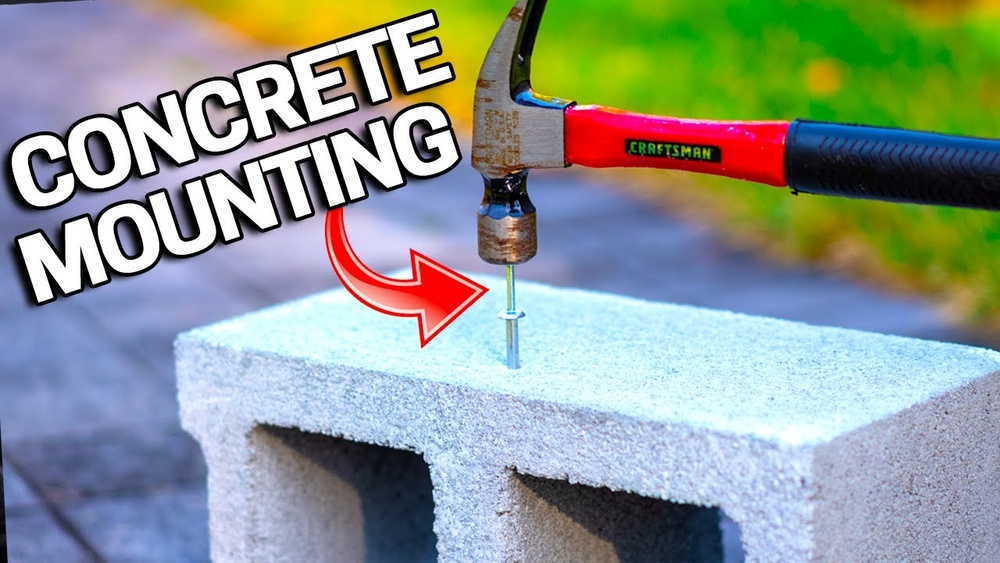
Securing With Hammer Or Wrench
Use a hammer to tap the anchor lightly if needed. Tap slowly until the anchor is flush with the wall. For some anchors, use a wrench to tighten the bolt or nut. Turn the wrench carefully to avoid over-tightening. Secure the anchor firmly without cracking the block.
Testing Anchor Stability
After installation, check the anchor’s strength. Pull or push gently to see if it moves. The anchor should stay firmly in place. If it shifts, remove it and try again. A stable anchor holds weight safely and lasts longer.

Credit: www.youtube.com
Common Mistakes To Avoid
Attaching steel anchors to a block wall requires care and precision. Avoiding common mistakes helps ensure a strong and lasting hold. Many errors happen during preparation or installation. Knowing these mistakes can save time and effort.
Incorrect Hole Size
Drilling the wrong hole size weakens the anchor’s grip. A hole too big makes the anchor loose. A hole too small can crack the block or stop the anchor from fitting. Always measure the anchor and drill the hole to the exact size needed.
Improper Anchor Selection
Not all anchors suit every block wall type. Using the wrong anchor leads to poor support and possible failure. Choose anchors designed for the wall’s material and load. Check the weight and strength requirements before buying anchors.
Over-tightening Fasteners
Fasteners should be tight, but not too tight. Over-tightening can break the anchor or damage the block. Tighten screws and bolts just enough to hold firmly. Stop as soon as you feel resistance to avoid breaking the anchor.
Maintenance And Inspection Tips
Maintaining steel anchors on a block wall is important for safety and durability. Regular checks help catch problems early. This keeps the anchors strong and secure over time.
Regular Anchor Checks
Inspect anchors at least twice a year. Look closely at the anchor points and surrounding wall. Check for rust, loose bolts, or movement. Use a flashlight to see small cracks or corrosion. Tighten any loose parts carefully.
Signs Of Wear Or Damage
Rust and corrosion weaken steel anchors quickly. Look for reddish or brown spots on the metal. Cracks in the block wall near anchors can show stress. Bent or misshaped anchors also need attention. These signs mean the anchor may fail soon.
When To Replace Anchors
Replace anchors if rust covers more than half the metal. Change them if bolts or nuts are stripped or broken. Anchors that move or wiggle must be replaced immediately. Also, swap out anchors after major wall repairs or damage. Fresh anchors keep your block wall safe and strong.
Credit: www.doorclosersusa.com
Frequently Asked Questions
What Tools Are Needed To Attach Steel Anchors To Block Walls?
You need a hammer drill, masonry bits, steel anchors, a wrench, and safety gear. These tools ensure proper drilling and secure anchor installation into block walls.
How Do You Choose The Right Steel Anchor For Block Walls?
Select anchors based on wall thickness, load weight, and anchor type. Use expansion anchors for hollow blocks and sleeve anchors for solid blocks for best results.
What Is The Step-by-step Process To Install Steel Anchors?
Drill holes with the correct bit size, clean debris, insert anchors, and tighten bolts. Follow manufacturer instructions to ensure the anchors hold securely in the block wall.
Can Steel Anchors Damage Block Walls During Installation?
If installed correctly, steel anchors won’t damage walls. Avoid oversized drill bits and over-tightening bolts to prevent cracks or wall weakening during the process.
Conclusion
Attaching steel anchors to a block wall is simple with the right steps. Choose the correct anchor and drill carefully. Secure the anchor tightly to hold weight safely. Check your work to avoid any mistakes. This method ensures strong and lasting support.
Now, you can trust your block wall for many projects. Practice these tips to build confidence and skill.