Are you tired of struggling with loose screws and unstable wall hangings? Installing threaded wall anchors is the simple solution you need to secure heavy items safely and confidently.
In this guide, you’ll learn exactly how to install these anchors step-by-step, even if you’ve never done it before. By the end, you’ll have the skills to hang shelves, mirrors, or artwork with ease—and avoid damage to your walls. Keep reading to discover the easy tricks that make your next project a success.
Credit: www.bobvila.com
Choosing The Right Anchors
Choosing the right threaded wall anchors is key for a strong hold. Different anchors suit different walls and weights. Picking the right type keeps your items safe and secure.
Types Of Threaded Wall Anchors
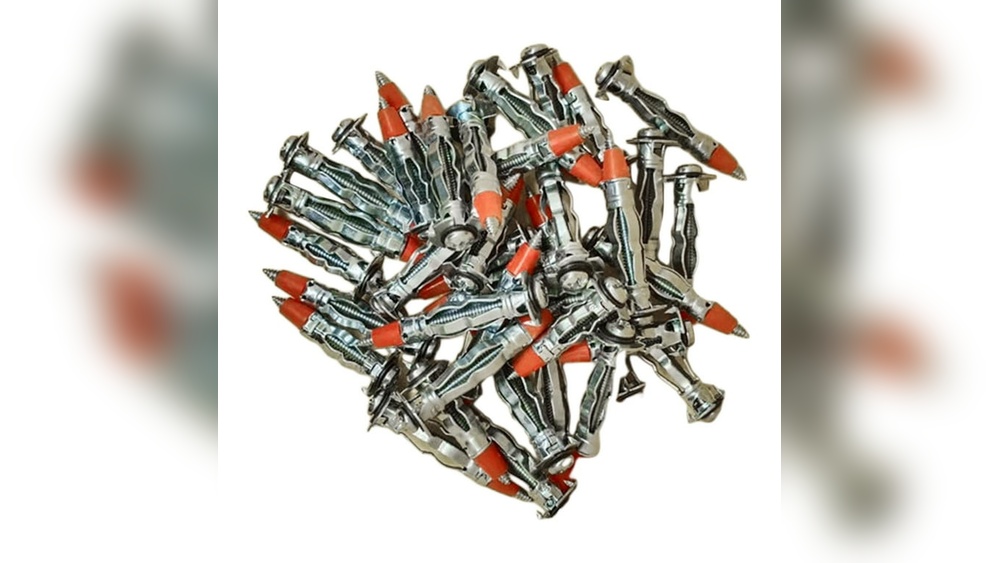
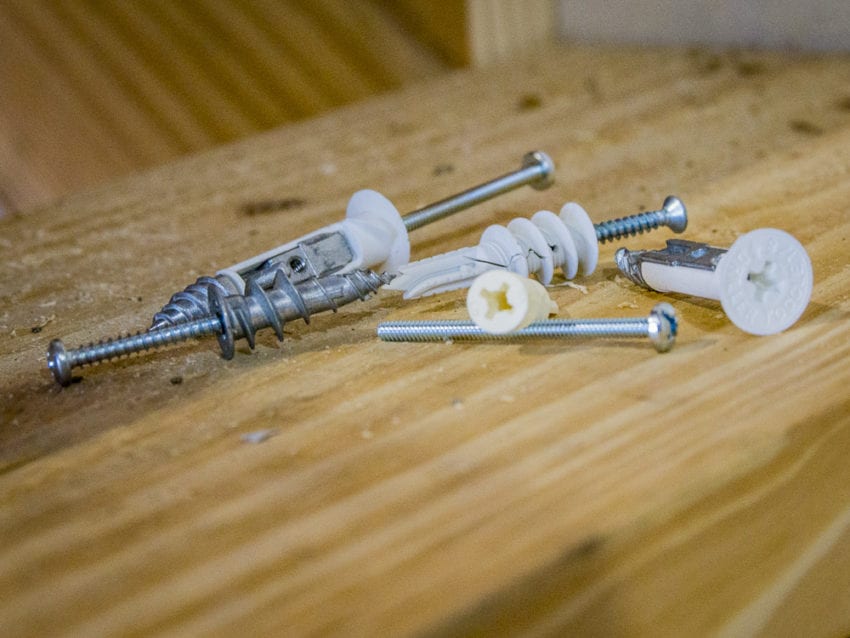
Threaded wall anchors come in plastic, metal, and nylon. Plastic anchors fit light loads and drywall. Metal anchors handle heavier loads and provide better grip. Nylon anchors resist rust and last longer. Choose the type based on your wall and item weight.
Material Compatibility
Match anchors to your wall material. Drywall needs lightweight anchors. Concrete or brick walls require metal anchors. Wood walls often do not need anchors. Using the wrong anchor can cause damage or failure.
Weight Capacity Considerations
Check the weight your anchor can hold. Light anchors hold small frames or decorations. Heavy anchors support shelves, TVs, or cabinets. Always pick an anchor with a higher weight rating than your item. Safety matters most.
Credit: www.protoolreviews.com
Tools And Materials Needed
Installing threaded wall anchors requires specific tools and materials. Having the right items makes the job easier and safer. This section lists what you need before starting your project.
Essential Tools
You will need a power drill with drill bits matching the anchor size. A screwdriver, preferably a Phillips head, helps insert the anchors. A hammer may be useful to tap anchors into place gently. A tape measure and pencil are needed to mark drilling spots accurately.
Safety Equipment
Safety glasses protect your eyes from dust and debris. Work gloves keep your hands safe from sharp edges. A dust mask helps avoid inhaling particles when drilling. Make sure to wear sturdy shoes to protect your feet during work.
Preparing The Workspace
Clear the area of furniture and obstacles. Lay down a drop cloth to catch dust and debris. Ensure good lighting to see clearly while working. Keep all tools and materials within easy reach to stay organized.
Preparing The Wall
Preparing the wall is a key step before installing threaded wall anchors. A well-prepared wall ensures a strong hold and prevents damage. This process involves finding the right spots, drilling pilot holes, and cleaning out debris.
Locating Studs And Marking Spots
Start by finding studs behind the drywall. Use a stud finder or tap the wall gently. Solid sound means a stud is nearby. Mark the spots lightly with a pencil. Avoid placing anchors directly on studs. Anchors work best in drywall or hollow walls.
Drilling Pilot Holes
Choose a drill bit that matches the anchor size. Drill straight into the marked spots. Pilot holes guide the anchor and prevent wall cracks. Drill slowly and stop when you reach the correct depth. Too big a hole makes the anchor loose.
Cleaning The Hole
Remove dust and debris from the pilot hole. Use a small brush or blow air inside. Clean holes help anchors grip better. Avoid leaving particles that can weaken the hold. A clean hole leads to a secure installation.
Installing Threaded Wall Anchors
Installing threaded wall anchors is a straightforward task that helps secure heavy items to drywall or plaster walls. These anchors provide strong support by threading directly into the wall. They expand as you insert the screw, holding firmly in place. Follow these steps to install them correctly and ensure your fixtures stay secure.
Inserting The Anchor
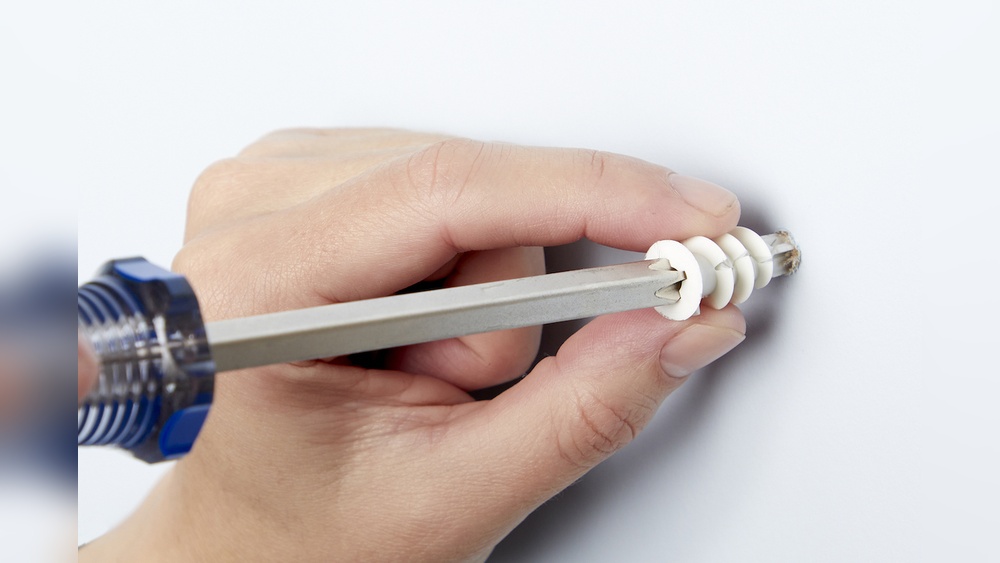
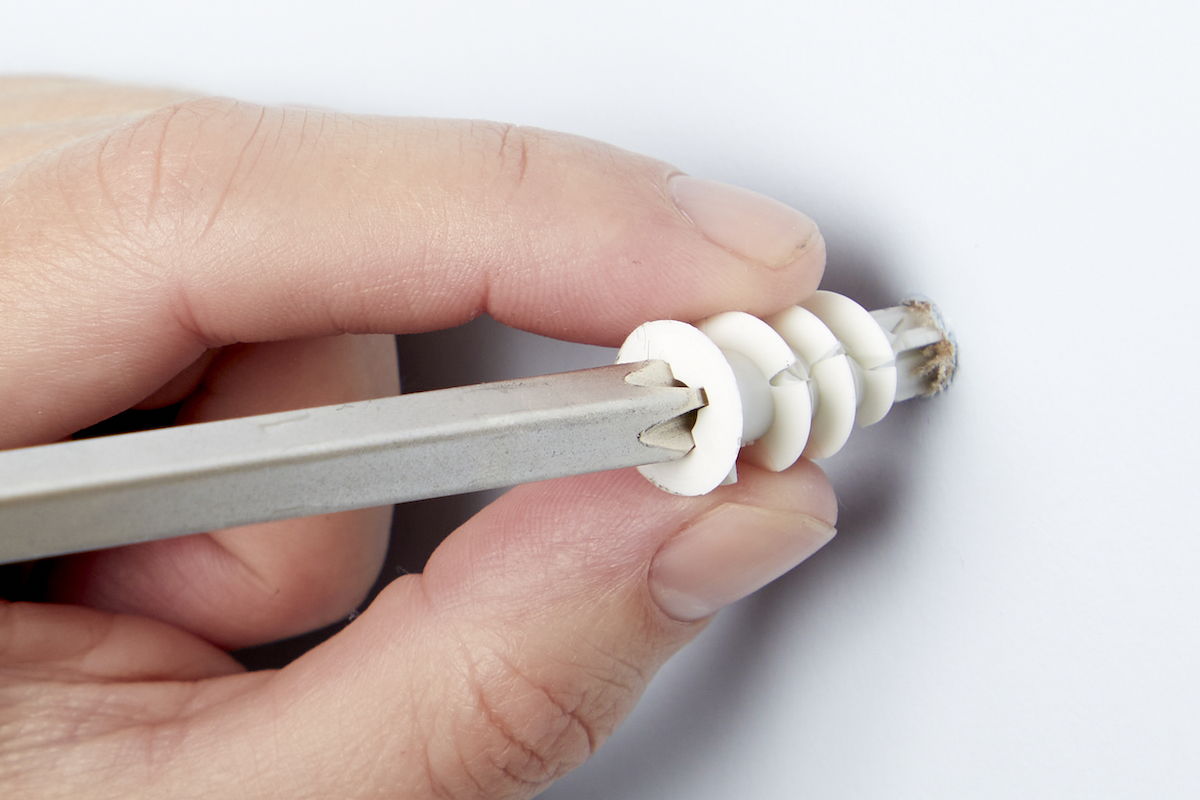
First, mark the spot where you want to install the anchor. Use a drill with the correct bit size to make a pilot hole. Insert the threaded wall anchor into the hole. Turn it clockwise by hand or with a screwdriver. The anchor should screw in smoothly until it sits flush with the wall surface.
Securing The Anchor With A Screwdriver
Once the anchor is in place, take the screw provided with the anchor. Insert the screw into the anchor’s center. Use a screwdriver to turn the screw clockwise. This action expands the anchor behind the wall, creating a strong hold. Stop tightening when the screw feels firmly secured.
Ensuring Proper Anchor Placement
Check that the anchor sits flat and flush against the wall. Make sure the screw is straight and not angled. Test the anchor’s hold by gently pulling on the fixture or item. Correct placement prevents damage and improves the strength of the hold. Proper installation keeps your wall safe and your items secure.
Testing Anchor Strength
Testing the strength of threaded wall anchors is key for safe and secure mounting. This step ensures the anchors hold firmly under load. It helps avoid accidents or damage later. Follow simple checks to confirm the anchor’s grip before hanging heavy items.
Applying Load Gradually
Start by adding weight slowly to the mounted anchor. Use a light load first, then increase it step by step. Watch carefully how the anchor reacts to each added weight. This slow approach prevents sudden stress that could loosen the anchor.
Checking For Movement
Look closely at the anchor and the wall around it. Try to gently wiggle the mounted object or the anchor itself. Any movement means the anchor is not fully secure. Small shifts can lead to failure under heavier loads. Make sure there is zero play before proceeding.
Troubleshooting Loose Anchors
If the anchor moves, remove the load immediately. Tighten the anchor or try a bigger size. Sometimes, drilling a new hole in a stronger wall spot helps. Use anchors made for the wall type you have. Replace damaged anchors to keep safety first.
Credit: www.protoolreviews.com
Tips For Long-lasting Holds
Threaded wall anchors provide strong support for hanging items on walls. To keep these holds secure for a long time, follow some simple tips. Proper use and care make a big difference in the anchor’s strength and durability.
Avoiding Over-tightening
Do not tighten the anchor too much. Over-tightening can damage the wall or break the anchor. Turn the screw until it feels firm but stop if it becomes very hard to turn. This keeps the anchor safe and holds weight better.
Choosing Correct Anchor Size
Select the right anchor size for your wall and item weight. Small anchors suit light objects. Large anchors are best for heavy things. Using the correct size prevents the anchor from slipping or failing. Always check the package for weight limits.
Maintenance And Inspection
Check your wall anchors regularly. Look for cracks or looseness in the wall or anchor. Tighten screws gently if they feel loose. Early fixing helps avoid accidents and keeps your items safe. Simple care extends the life of your anchors.
Frequently Asked Questions
What Tools Are Needed To Install Threaded Wall Anchors?
You need a drill, drill bit, screwdriver, and the threaded wall anchors. A hammer may help for initial placement. Choose the right drill bit size matching the anchor diameter for a secure fit.
How Do You Prepare The Wall For Threaded Anchors?
Locate and mark the spot, then drill a hole matching the anchor size. Clean out dust and debris from the hole before inserting the anchor to ensure strong adhesion and stability.
Can Threaded Wall Anchors Support Heavy Loads?
Yes, threaded wall anchors can support moderate to heavy loads depending on wall type. Always check the anchor’s weight rating and use appropriate anchors for heavy items to ensure safety.
How Deep Should I Drill For Wall Anchors?
Drill to the anchor’s length plus a little extra depth. This ensures the anchor fits fully and grips the wall securely without protruding or being too shallow.
Conclusion
Installing threaded wall anchors is simple with the right steps. Choose the correct size and drill a proper hole. Screw the anchor firmly into the wall. These anchors provide strong support for hanging items. They work well on drywall and other materials.
Taking time to install them correctly saves future problems. Now, you can hang shelves, pictures, or mirrors with confidence. This method keeps your walls safe and sturdy. Give it a try for your next home project. Small effort, big difference!