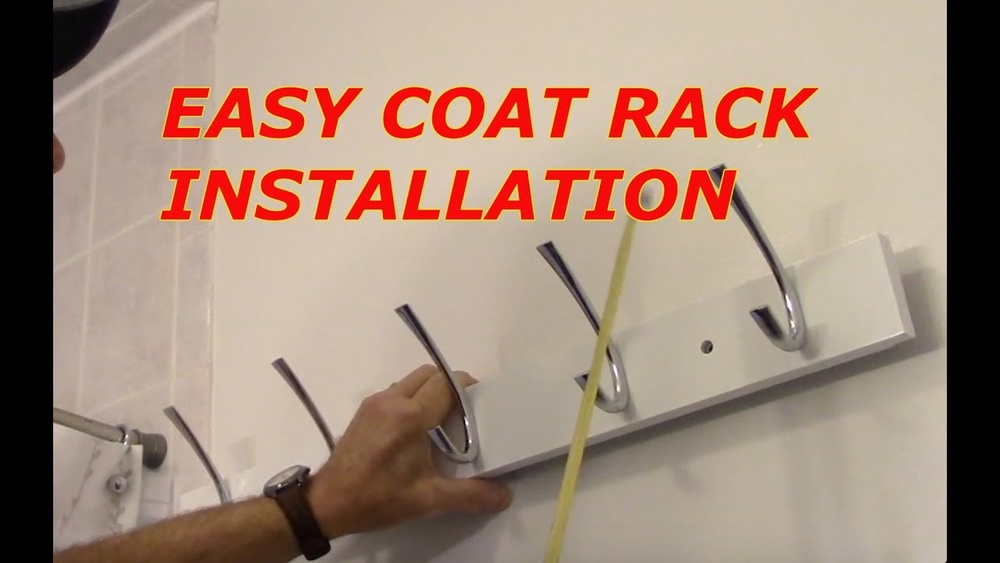
Looking to add style and function to your space? Hanging a decorative wall hook is one of the easiest ways to do just that.
But if you’ve ever felt unsure about where to start or how to make sure it stays secure, you’re not alone. In this guide, you’ll discover simple, step-by-step instructions that anyone can follow—even if you’ve never done it before. By the end, you’ll know exactly how to hang your wall hook so it looks great and holds up strong.
Ready to transform your walls and organize your space with confidence? Let’s dive in!
Choosing The Right Wall Hook
Choosing the right wall hook is key to both style and function. It helps keep your space tidy while adding charm to your walls. Picking the right hook needs some thought about style, material, and strength. This guide breaks down the basics to help you choose well.
Types Of Decorative Hooks
Decorative hooks come in many shapes and styles. Some hooks are simple and round, while others have unique designs like animals or flowers. There are single hooks for light items and double hooks for more storage. Choose a style that matches your room’s look and the items you want to hang.
Materials And Finishes
Hooks are made from metal, wood, plastic, or ceramic. Metal hooks are strong and last long. Wood hooks add a warm, natural feel. Plastic hooks are light and cheap but less strong. Finishes like bronze, chrome, or painted colors change the hook’s look. Pick a finish that blends well with your wall and decor.
Weight Capacity Considerations
Check how much weight the hook can hold before buying. Light hooks work for keys or small bags. Heavy-duty hooks hold coats, backpacks, or even tools. Always choose a hook that can safely carry the items you plan to hang. This keeps your wall safe and your items secure.

Credit: coolcoalition.org
Tools And Materials Needed
Hanging a decorative wall hook requires specific tools and materials. These help ensure the hook is secure and the wall stays undamaged. Preparing the right items saves time and effort. It also makes the process safer and cleaner.
Below is a list of tools and materials you need. Gather them before starting to hang your wall hook.
Essential Tools
- Drill or screwdriver for making holes or driving screws
- Measuring tape to find the perfect spot
- Level to keep the hook straight
- Pencil for marking the wall
- Stud finder to locate wall studs
Additional Supplies
- Wall anchors to support heavy hooks on drywall
- Screws that fit your wall anchors and hook
- Decorative wall hook of your choice
- Cleaning cloth to wipe the wall before installation
Safety Gear
- Safety glasses to protect your eyes from dust and debris
- Work gloves to protect your hands while drilling or screwing
- Mask to avoid inhaling dust particles
Preparing The Wall
Preparing the wall is an important step before hanging a decorative wall hook. It ensures the hook stays secure and looks good. Taking time to prepare helps avoid damage and makes the process smooth.
Selecting The Perfect Spot
Choose a spot that fits the hook’s size and purpose. Think about what you will hang on it. Pick a place easy to reach and see. Avoid areas near doors or windows where the hook may get bumped.
Cleaning And Marking The Area
Clean the wall to remove dust and dirt. Use a cloth and mild cleaner for best results. Dry the area well before marking. Mark the exact spot with a pencil. This helps guide where to drill or nail.
Checking For Studs And Wiring
Check if there is a stud behind the wall. Use a stud finder to locate it. Studs provide strong support for heavy hooks. Also, check for any wiring inside the wall. Avoid drilling near wires to stay safe. Use a wire detector if needed.
Step-by-step Hanging Process
Hanging a decorative wall hook is a simple task with the right steps. This guide breaks down the process into clear actions. Follow each step to ensure your hook is strong and looks good. Take your time to do each part carefully.
Measuring And Marking
First, decide where to place the hook on the wall. Use a tape measure to find the exact spot. Mark the spot lightly with a pencil. Check the height and alignment with other items nearby. Accuracy here helps the hook sit perfectly straight.
Drilling Holes And Anchoring
Choose a drill bit that matches the size of the wall anchors. Drill holes at the marked spots gently to avoid wall damage. Insert the anchors into the holes. Push them in until they are flush with the wall. Anchors give the hook strong support on drywall or plaster.
Attaching The Hook Securely
Align the hook’s screw holes with the anchored holes. Use screws to fasten the hook into place. Tighten the screws until the hook feels steady. Avoid over-tightening to prevent damage. Test the hook by pulling lightly to check its hold.
Creative Hook Arrangements
Creative hook arrangements can transform a plain wall into an eye-catching feature. They add style and help organize your space. Using different layouts and ideas brings personality and function together. This section covers simple ways to arrange hooks creatively.
Symmetrical Vs Asymmetrical Layouts
Symmetrical layouts create balance and order on your wall. Hooks line up evenly, making the space look neat and calm. This style works well in classic or formal rooms.
Asymmetrical layouts offer a playful and modern look. Hooks are placed in uneven patterns for visual interest. This style suits casual rooms and adds a dynamic feel.
Combining Hooks With Wall Art
Hooks can be part of a wall art display. Place hooks around or inside picture frames and mirrors. This mix blends function with decoration.
Try grouping hooks near paintings or decorative items. The hooks add depth and make the art stand out. It also creates a cohesive look.
Using Hooks For Functional Decor
Hooks are great for hanging everyday items like bags and hats. They keep things tidy and easy to find. This adds practical value to your decor.
Use decorative hooks to hold plants or lights. This brightens the room and adds charm. Functional decor makes your space both useful and pretty.

Credit: www.amazon.com
Maintenance And Care Tips
Keeping decorative wall hooks in good shape helps them last longer and look great. Regular care keeps hooks strong and clean. Small checks stop big problems. Follow simple steps to maintain your hooks.
Cleaning Your Hooks
Dust hooks often using a soft cloth. For metal hooks, use a damp cloth to wipe dirt. Avoid harsh cleaners that can damage finishes. Dry hooks well to stop rust. Clean hooks keep your walls neat and fresh.
Checking Stability Over Time
Test hooks by gently pulling them every few months. Tighten screws or nails if they feel loose. Replace hooks that wobble or show damage. Stable hooks prevent accidents and hold items safely. Regular checks protect your wall and belongings.
Updating Your Wall Decor
Change hooks to match new styles or colors. Swap old hooks for fresh designs to refresh your room. Use this chance to rearrange items for a new look. Updating hooks keeps your space lively and personal. It’s easy to give your walls a fresh feel.

Credit: www.totalplumbingfl.com
Frequently Asked Questions
How Do I Choose The Right Wall Hook For Decoration?
Choose a wall hook that matches your room’s style and weight needs. Consider material, color, and design for a cohesive look. Ensure it supports the items you plan to hang, whether lightweight decor or heavier accessories, for durability and safety.
What Tools Are Needed To Hang A Decorative Wall Hook?
You need a drill, screwdriver, wall anchors, a level, and a pencil. These tools help you mark, drill, and secure the hook properly. Using the right tools ensures the hook is stable and the installation looks professional.
How Do I Find The Best Spot For Hanging A Wall Hook?
Find a visible, practical spot that complements your room’s layout. Use a level to ensure the hook is straight. Avoid areas with electrical wires or plumbing behind the wall to prevent damage.
Can I Hang Decorative Hooks On Drywall Without Studs?
Yes, use wall anchors designed for drywall to secure the hook. Anchors distribute weight and prevent damage. Always check the hook’s weight limit and choose anchors accordingly for safety.
Conclusion
Hanging a decorative wall hook is simple and quick. Choose the right spot and use proper tools. Mark the place carefully before drilling or nailing. Secure the hook tightly to hold your items safely. This small step adds style and order to any room.
Enjoy your new wall hook and keep your space neat. Try different designs to match your decor. A little effort makes a big difference. Ready to hang your decorative hook? Start now and see the change!