Have you ever wondered what makes a deadbolt door lock one of the strongest defenses for your home? Understanding how this simple device works can give you peace of mind and help you choose the right lock to keep your family safe.
You’ll discover the key parts of a deadbolt, how they function together, and why they offer better protection than regular locks. Keep reading to learn how your door’s security depends on this powerful mechanism—and how you can make it work best for you.
Deadbolt Basics
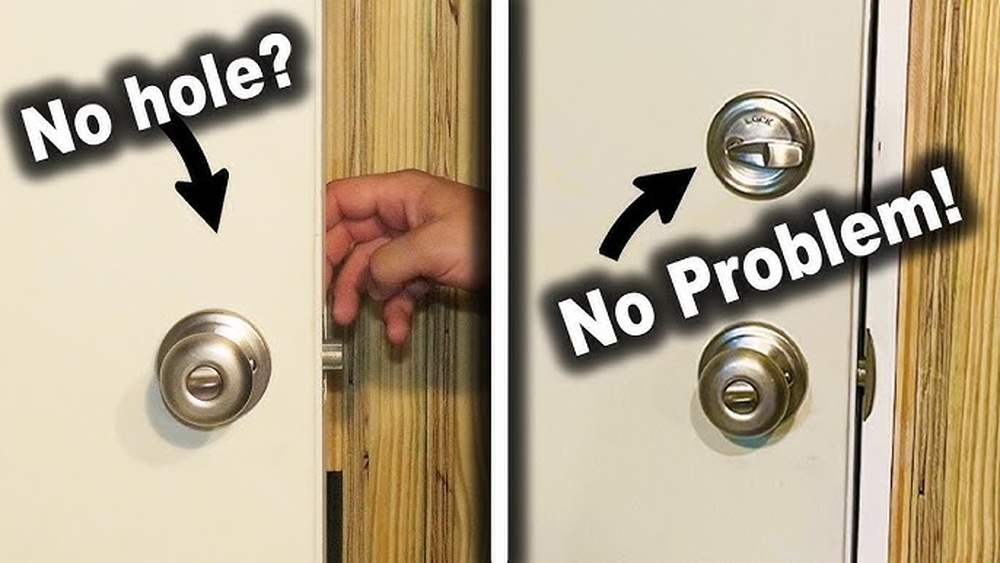
A deadbolt door lock is a common security feature in homes and offices. It adds an extra layer of protection beyond a regular lock. Deadbolts are simple but effective. They use a solid metal bolt that slides into the door frame. This bolt makes it hard for intruders to force the door open.
Understanding deadbolt basics helps you choose the right lock. It also shows how these locks keep your space safe. Below are key points about types and parts of deadbolt locks.
Types Of Deadbolt Locks
There are three main types of deadbolt locks. Each offers different security levels and convenience.
- Single Cylinder Deadbolt: This lock uses a key on the outside and a thumb turn on the inside. It is the most common type.
- Double Cylinder Deadbolt: This type requires a key on both sides. It is useful for doors with glass near the lock.
- Lockable Thumbturn Deadbolt: This lock has a thumb turn inside that can be locked by a key. It combines features of the first two types.
Key Components
A deadbolt lock has several important parts. Each part plays a role in its strength and function.
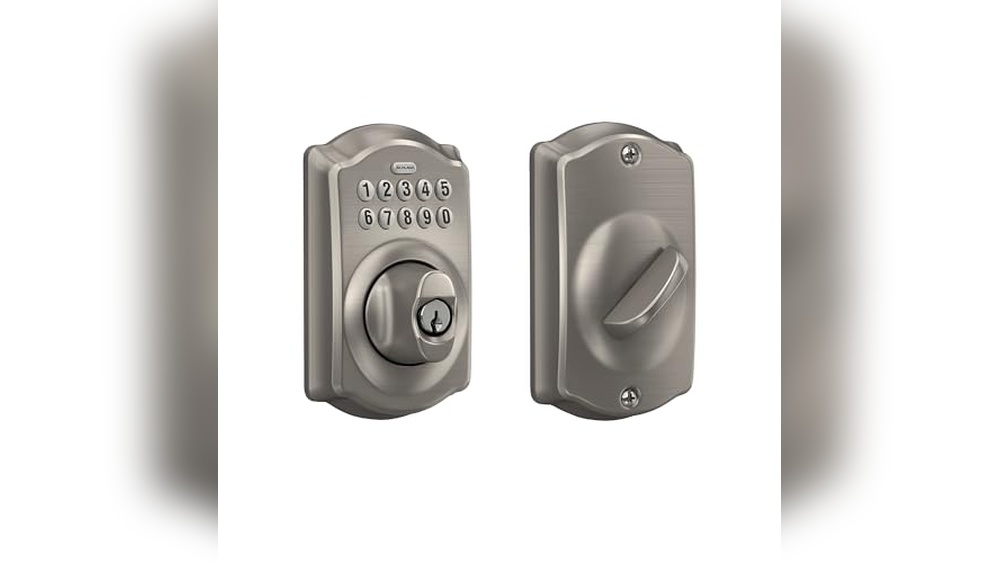
- Bolt: The solid metal bar that slides into the door frame. It secures the door when locked.
- Cylinder: The part where you insert the key. It turns to move the bolt.
- Strike Plate: The metal plate attached to the door frame. It holds the bolt in place.
- Thumb Turn: A small lever inside the door. It allows locking or unlocking without a key.
Locking Mechanism
The locking mechanism of a deadbolt is simple but very strong. It keeps your door secure by extending a solid metal bolt into the door frame. This part does not move easily, making it hard for anyone to force the door open. Understanding how this mechanism works helps you appreciate the safety it provides.
How The Bolt Moves
The bolt is a thick metal piece inside the lock. It slides in and out of the door frame to lock or unlock the door. When locked, the bolt extends fully into the frame, blocking the door from opening. It stays firmly in place until you unlock it.
Turning The Key Or Thumbturn
Turning the key or thumbturn moves the bolt. The key fits into the lock and turns a small part called the cam. The cam pushes the bolt out to lock or pulls it back to unlock. The thumbturn does the same but from inside the door, allowing easy locking without a key.
Installation Factors
Installing a deadbolt door lock needs careful attention. The right installation makes the lock strong and secure. Two important parts affect how well the deadbolt works. These are placement and fit, and compatibility with doors.
Placement And Fit
Placement means where the deadbolt goes on the door. It should be easy to reach and use. The lock must fit the door’s thickness and edge size. A tight fit stops the lock from wobbling or breaking. Marking the right spot before drilling holes is crucial. This ensures the bolt slides smoothly into the door frame. A well-placed deadbolt keeps your home safer and works longer.
Compatibility With Doors
Not all deadbolts fit every door type. Some locks work best with wooden doors. Others suit metal or fiberglass doors. Check the door’s material and thickness before buying. The lock’s size and style must match the door. Some doors need extra tools or parts for installation. Using compatible locks saves time and prevents damage. Proper matching improves security and lock durability.
Credit: www.martinispa.com
Security Advantages
Deadbolt locks provide strong security for your doors. They add a layer of protection that simple locks cannot offer. This section explains the key security advantages of deadbolt locks.
Resistance To Forced Entry
Deadbolt locks are tough to break. The bolt extends deep into the door frame. This makes it hard for intruders to force the door open.
Unlike spring locks, deadbolts do not rely on a spring mechanism. This means they cannot be easily pushed back with a tool.
Many deadbolts also have reinforced plates. These plates stop tools from prying the door open.
Durability And Strength
Deadbolts use strong metal parts. They resist wear and tear over time. This ensures long-lasting security.
The lock’s design keeps it stable during heavy use. It does not loosen or break easily.
Even in harsh weather, deadbolts perform well. They protect your home year-round without failing.
Common Vulnerabilities
Deadbolt locks provide good security but have some common weak points. Understanding these helps you protect your home better. Some vulnerabilities let intruders open the lock without a key. Others exploit the lock’s design or installation flaws. Knowing these risks can guide you in choosing and using deadbolts wisely.
Lock Picking Risks
Lock picking is a skill used to open locks without a key. Simple deadbolts with basic pin tumblers are easier to pick. Thieves use special tools like picks and tension wrenches. Cheap locks often lack anti-pick features, making them vulnerable. High-quality deadbolts include pins that resist picking efforts. Still, no lock is completely pick-proof.
Bypassing Techniques
Some intruders avoid picking by bypassing the lock mechanism. One common method is “shimming,” where thin metal strips slide between the bolt and the door frame. Poor installation creates gaps that make shimming easier. Another technique is drilling the lock cylinder to disable it. Reinforcing the lock and door frame reduces these risks. Regular checks ensure the lock and frame stay strong.
Smart Deadbolt Features
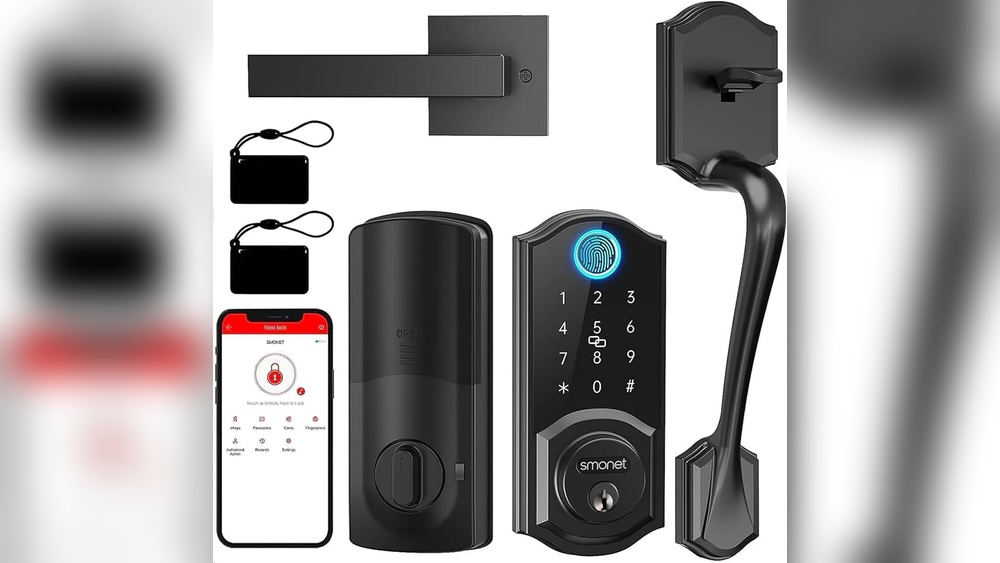
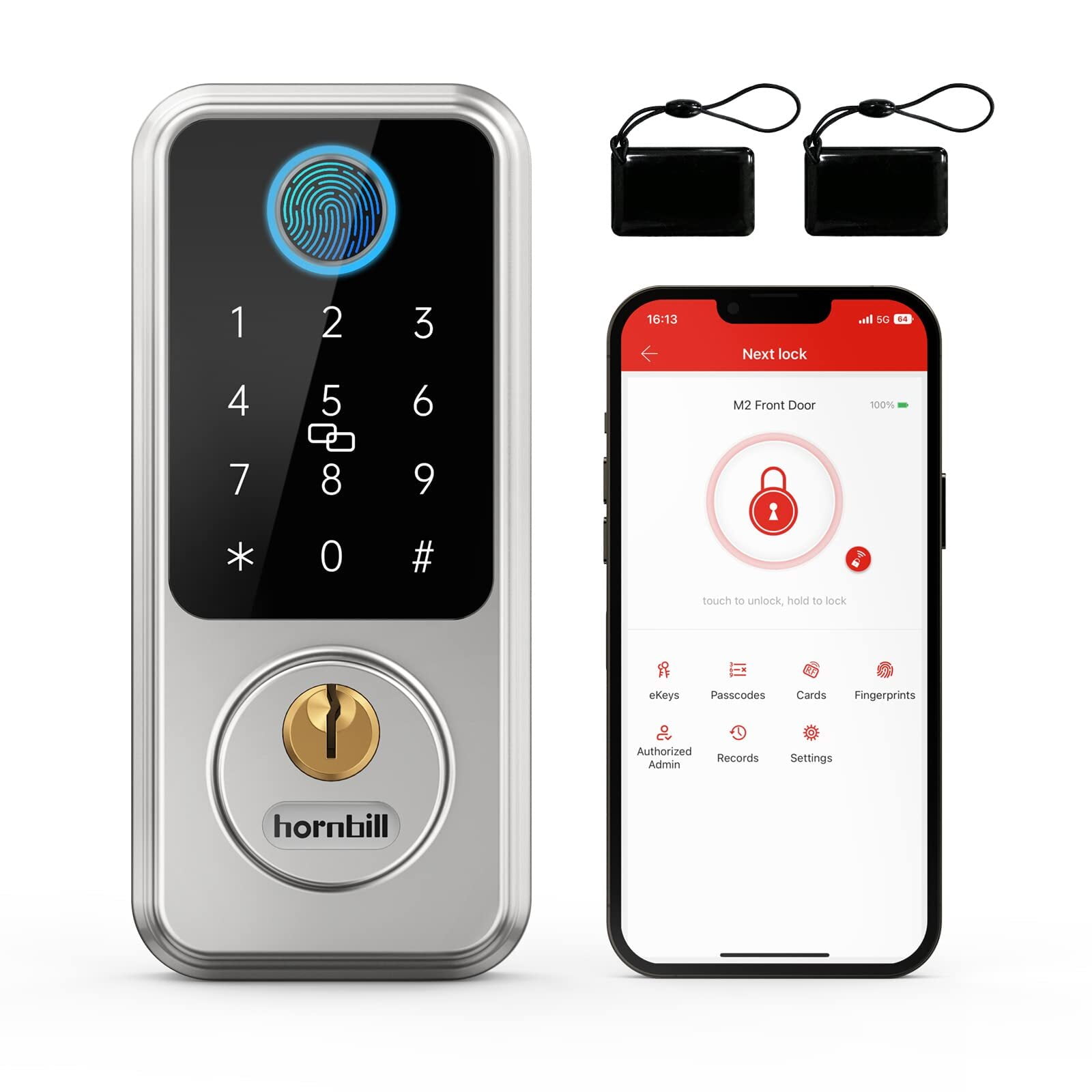
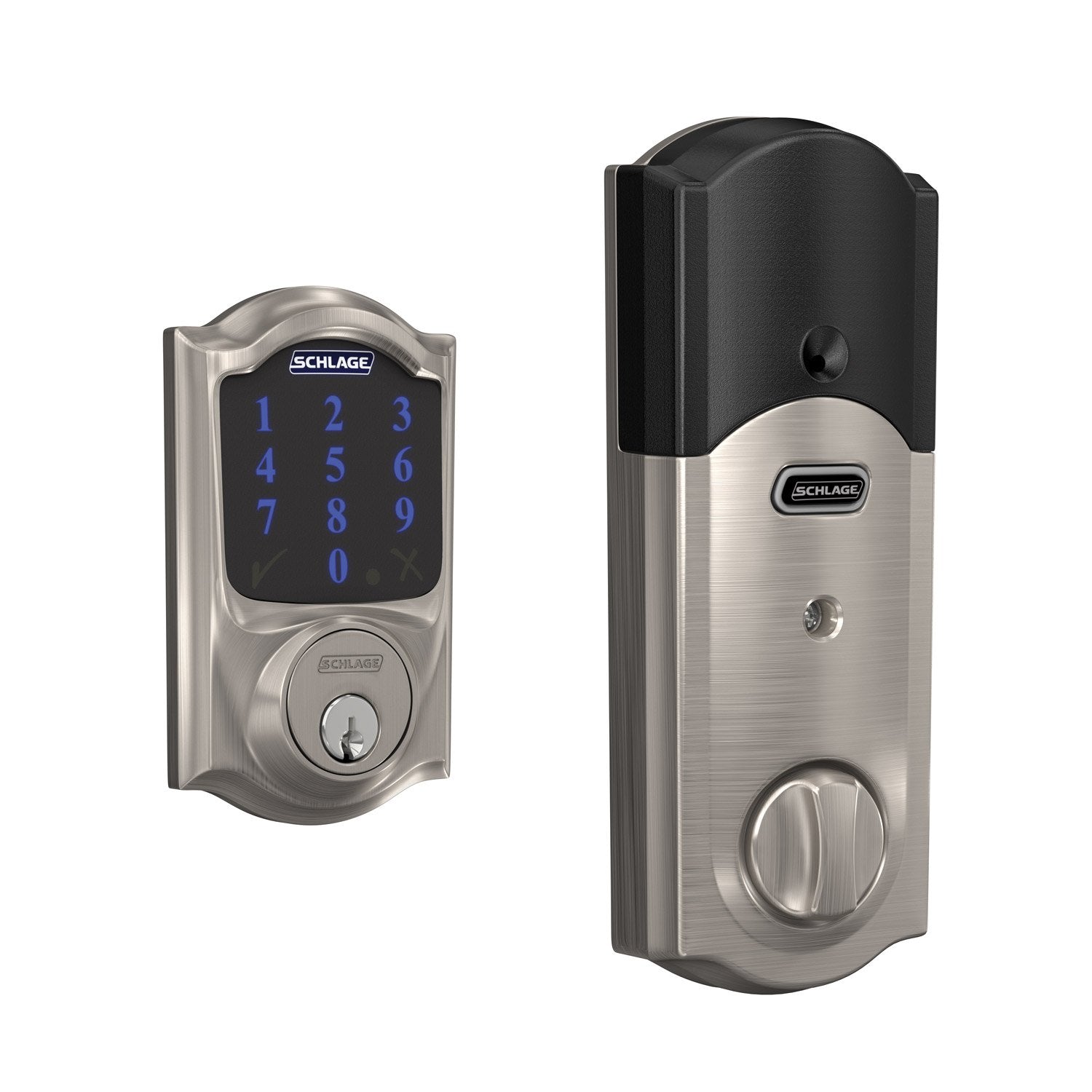
Smart deadbolts bring new features to traditional door locks. They add convenience and security. These locks connect to your phone or home system. This connection lets you control the lock without a key.
They often include several keyless entry options. These options make getting inside easier and faster. Remote access and alerts keep you informed about your door’s status. These features help protect your home and family.
Keyless Entry Options
Smart deadbolts offer many ways to enter your home. You can use a keypad to type a code. No need to carry a key. Some models allow fingerprint access. This method uses your unique fingerprint to unlock. Others connect to your smartphone via Bluetooth. Your phone acts as a digital key. This reduces the chance of lost keys or lockouts.
Remote Access And Alerts
These locks let you control access from anywhere. Use an app on your phone to lock or unlock doors. You can check if the door is locked at any time. Alerts notify you if someone tries to open the door. Some locks send messages when family members arrive. This feature adds peace of mind. You know your home is secure even when away.
Maintenance Tips
Proper maintenance keeps your deadbolt door lock working well for years. Small steps prevent problems and improve security. Regular care ensures smooth operation and stops damage.
Lubrication And Care
Use a graphite or silicone spray to lubricate the lock. Avoid oil-based products; they attract dust and gum up the mechanism. Spray inside the keyhole and on moving parts. Turn the key several times to spread the lubricant evenly.
Clean the lock surface with a soft cloth to remove dirt and grime. Check for loose screws and tighten them carefully. Keep the door and frame aligned to reduce stress on the lock.
When To Replace
Replace the deadbolt if it sticks or jams often. Signs of rust or corrosion mean the lock is weakening. Keys that don’t turn smoothly signal internal damage.
Change the lock after losing your keys or moving into a new home. Upgrading to a more secure model can improve safety. Regular checks help decide the right time for replacement.
Credit: ring.com

Credit: www.amazon.com
Frequently Asked Questions
How Does A Deadbolt Lock Improve Home Security?
A deadbolt lock adds extra security by extending a solid metal bolt deep into the door frame. It resists forced entry better than spring locks. This makes it harder for intruders to break in, providing stronger protection for your home.
What Are The Main Parts Of A Deadbolt Lock?
A deadbolt lock has a bolt, cylinder, thumb turn, and strike plate. The bolt slides into the door frame to lock it. The cylinder contains the key mechanism. The thumb turn allows locking from inside without a key.
Can Deadbolt Locks Be Picked Or Bypassed?
Deadbolt locks are harder to pick than regular locks, but not impossible. High-quality deadbolts use complex mechanisms to resist picking. Adding a reinforced strike plate and using a bump-resistant lock improves security against lock picking and forced entry.
How Is A Deadbolt Lock Installed On A Door?
A deadbolt lock is installed by drilling holes into the door and frame. The lock body fits inside the door, and the bolt extends into the frame. Proper alignment and secure mounting are essential for effective locking and security.
Conclusion
A deadbolt door lock offers strong security for your home. It uses a solid metal bolt that slides into the door frame. This simple design makes it hard for intruders to force open. Knowing how it works helps you choose the right lock.
Always check for quality and fit before buying. A good deadbolt can protect your family and belongings. Keep your home safe with this reliable locking option. Small steps in security make a big difference.