
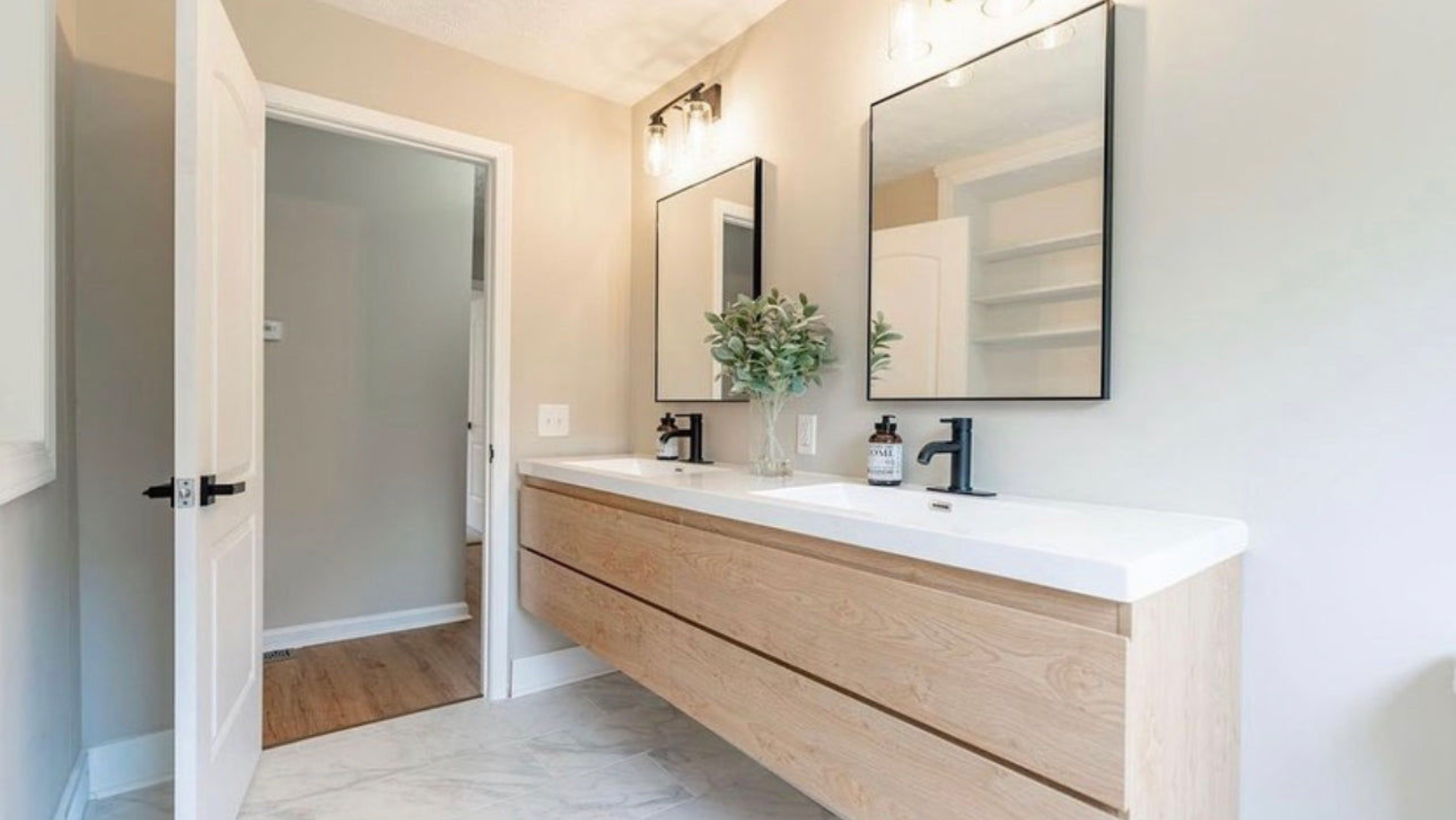
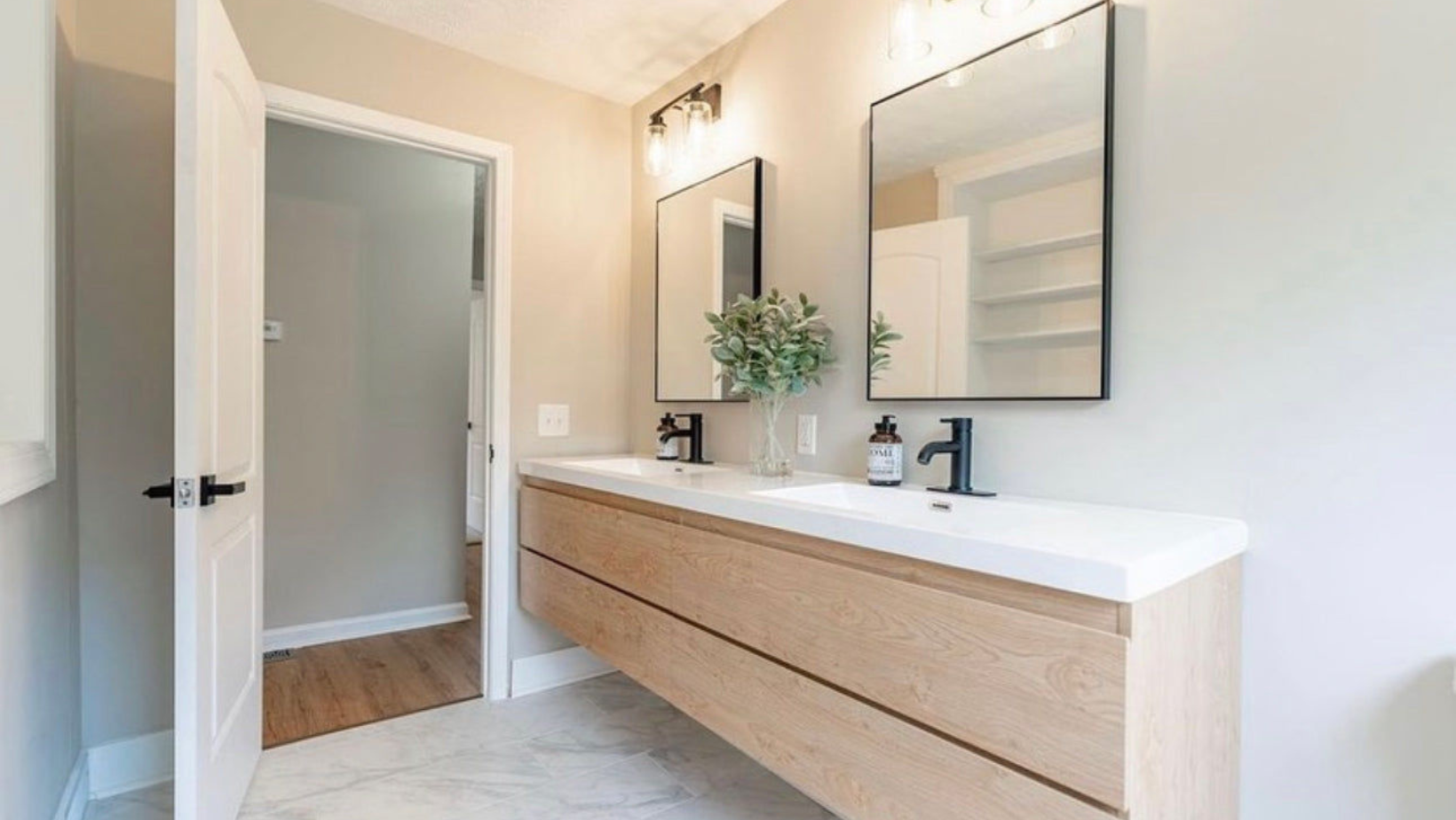
Are you ready to transform your bathroom with a sleek floating vanity but worried about how to secure it safely on a tile wall? Anchoring a floating vanity on tile can seem tricky, but with the right steps, you can make it sturdy and stylish without damaging your tiles.
In this guide, you’ll discover simple, practical tips that ensure your vanity stays put and looks amazing. Keep reading, and you’ll gain the confidence to tackle this project like a pro—no guesswork, just clear, easy instructions tailored for you.
Credit: morenobath.com
Choosing The Right Anchors
Choosing the right anchors is key to safely mounting a floating vanity on a tile wall. The anchors must hold the weight securely and work well with tile surfaces. Using the wrong anchors can cause damage or make the vanity unstable. This section covers the types of anchors, weight limits, and tools needed for a strong installation.
Types Of Anchors For Tile Walls
Plastic expansion anchors fit into drilled holes and expand to hold tight. They work best for light loads. Metal toggle bolts have wings that open behind the tile for strong support. They suit heavier vanities. Sleeve anchors expand inside the wall for a firm grip. Use these for very heavy vanities or hollow walls. Choose anchors that match the tile type and wall thickness.
Weight Capacity Considerations
Check the weight of the vanity before selecting anchors. The anchors must hold more than the total weight. Include the vanity, sink, and any items placed on it. Overloading anchors risks cracks or falling fixtures. Use anchors rated for at least 50% more weight than the vanity to be safe. Always follow manufacturer weight limits for each anchor type.
Tools Needed For Installation
Use a drill with a carbide or diamond bit to make holes in the tile. A level helps keep the vanity straight. Screwdrivers or a power driver install anchors and screws. A tape measure ensures correct placement. Safety glasses protect your eyes from tile dust. Have a pencil handy to mark drill spots accurately.
Credit: morenobath.com
Preparing The Tile Wall
Preparing the tile wall is a key step to anchor a floating vanity securely. The wall must hold the weight safely. Tiles make this task a bit tricky. Careful planning helps avoid damage and ensures strong support. Follow simple steps to get the wall ready.
Locating Studs Behind Tiles
Studs are the wooden or metal beams behind the tile wall. They provide the strongest support for the vanity. Use a stud finder to locate them. Move the finder slowly over the wall surface. Mark the edges of each stud. Knowing where studs are helps place anchors in the right spots.
Marking Drill Points
Once studs are found, mark the drill points on the tile. Measure carefully to align with the vanity brackets. Use a pencil or painter’s tape to mark spots. Double-check measurements before drilling. Accurate marks prevent mistakes and keep the vanity level.
Protecting Tiles From Damage
Drilling through tiles needs extra care. Use masking tape on drill points to stop cracks. Start with a small drill bit to create a guide hole. Drill slowly and apply gentle pressure. Keep the drill bit cool by pausing often. Protecting tiles keeps your wall looking great and strong.
Drilling Into Tile Safely
Drilling into tile can be tricky. Tiles are hard and brittle. One wrong move can cause cracks or breaks. Taking safety steps helps protect the tile and your tools. This section explains how to drill safely for anchoring a floating vanity on a tile wall.
Selecting The Correct Drill Bit
Use a drill bit made for tiles. A carbide-tipped or diamond-tipped bit works best. These bits cut through the hard surface without slipping. Avoid regular wood or metal bits. They can damage the tile or overheat quickly. Choose the right size for your anchor screws.
Drilling Techniques To Prevent Cracks
Start drilling slowly to avoid sudden pressure. Apply light, steady force. Do not push hard. Let the bit do the work. Use a low drill speed for better control. Stop drilling if the bit slips. Clear debris from the hole often. This reduces heat and stress on the tile.
Using Tape For Stable Drilling
Place a piece of painter’s or masking tape over the drilling spot. The tape helps keep the drill bit from sliding. Mark the exact spot on the tape with a pencil. Drill through the tape for more stability. Remove the tape once the hole is complete. This simple step prevents cracks and improves accuracy.
Credit: morenobath.com
Installing Anchors And Mounting Hardware
Installing anchors and mounting hardware on a tile wall is a key step in securing a floating vanity. It ensures the vanity stays strong and safe. Proper installation avoids damage to tiles and keeps the fixture steady. Each step requires care and the right tools.
Inserting Anchors Correctly
Start by choosing anchors made for tile walls. Drill holes with a bit smaller than the anchor size. Clean dust from the holes to help anchors fit well. Push anchors gently into the holes until flush with the tile surface. Avoid forcing anchors to prevent cracking tiles.
Securing Mounting Brackets
Attach mounting brackets to the wall using screws and anchors. Tighten screws evenly but do not over-tighten. Check that brackets sit flat against the tile. Position brackets according to the vanity’s mounting points. Proper bracket placement supports the vanity’s full weight.
Double-checking Anchor Stability
After securing brackets, test the anchor strength by gently pulling. Ensure no movement or looseness in the anchors. If any shift occurs, replace anchors or drill new holes. Strong anchors prevent accidents and keep the vanity firmly in place.
Mounting The Floating Vanity
Mounting the floating vanity on a tile wall requires careful steps. This ensures the vanity stays strong and safe. Proper mounting helps avoid damage to tiles and keeps the vanity stable for daily use.
Follow these steps to mount your floating vanity correctly. Align it well with the anchors. Fasten it tightly to the wall. Then adjust for perfect level and balance. Each step matters for a secure and neat finish.
Aligning The Vanity With Anchors
Start by matching the vanity’s mounting holes with the wall anchors. Check that the anchors are firmly fixed in the tile and wall behind. Lift the vanity carefully and hold it against the wall. Look closely to ensure all holes line up with the anchors. Small shifts can help get a perfect fit. Take your time to avoid drilling new holes in the tile.
Fastening Vanity Securely
Use screws designed for tile and wall anchors. Insert screws through the vanity holes into the anchors. Tighten screws slowly and evenly. Avoid over-tightening to prevent tile cracks. Make sure each screw feels firm and snug. Check that the vanity does not move or wiggle after fastening.
Adjusting For Level And Balance
Use a spirit level to check the vanity’s position. Place the level on the top edge of the vanity. Adjust the vanity up or down to make it perfectly horizontal. Some vanities have adjustable brackets for fine-tuning. Ensure the vanity is balanced side to side. A level vanity looks better and prevents water pooling.
Troubleshooting Common Issues
Troubleshooting common issues is key when anchoring a floating vanity on a tile wall. Small problems can cause big trouble later. Catching and fixing these issues early saves time and effort. Below are common problems and clear ways to solve them.
Dealing With Loose Anchors
Loose anchors weaken the vanity’s hold on the wall. Check the anchor by gently pulling on it. If it moves, remove it carefully. Use a larger anchor or a different type made for tile walls. Drill a new hole nearby if the old one is too big. Tighten the screws slowly to avoid damage.
Handling Tile Cracks
Cracks in tiles happen from too much pressure or wrong tools. Avoid placing anchors directly on cracked tiles. Remove the cracked tile if possible. Replace it with a new one before installing anchors. Use a drill with a diamond bit to prevent cracks during drilling. Support the tile area well to reduce stress.
Ensuring Long-term Stability
Long-term stability needs strong anchors and correct installation. Use anchors designed for heavy loads. Check that the vanity is level and flush against the wall. Tighten all screws firmly but do not overtighten. Inspect the vanity regularly for any signs of movement. Fix small issues before they grow bigger.
Frequently Asked Questions
How Do You Secure A Floating Vanity To A Tile Wall?
To secure a floating vanity on tile, use a stud finder to locate studs. Drill pilot holes through the tile carefully. Use long, strong anchors or screws rated for tile installation to ensure a firm hold.
What Tools Are Needed To Anchor A Vanity On Tile?
Essential tools include a stud finder, drill with a masonry bit, level, screwdriver, and tile anchors. These tools help you locate studs, drill precisely, and secure the vanity safely to the tile wall.
Can You Mount A Floating Vanity Without Hitting Studs?
Yes, but it requires heavy-duty wall anchors rated for tile and drywall. These anchors must support the vanity’s weight securely if studs are not available.
How Do You Prevent Tile From Cracking When Drilling?
Use a masonry drill bit and apply masking tape over the drilling spot. Drill slowly at low speed to minimize stress and reduce the risk of tile cracking.
Conclusion
Anchoring a floating vanity on a tile wall takes careful steps. Secure the vanity firmly to avoid damage or accidents. Use the right tools and anchors for tile surfaces. Measure and mark spots clearly before drilling. Take your time and work patiently.
This will help you create a strong, safe installation. Enjoy your new vanity that looks great and stays steady. Small effort brings lasting results.

