Are your drapes constantly slipping or your curtain rods feeling loose? You’re not alone.
Anchoring drapery hardware securely to your wall can be tricky, but it’s the key to keeping your curtains looking neat and staying put. Imagine opening your curtains smoothly every day without worrying about the rods falling down. You’ll discover simple, effective ways to anchor your drapery hardware so it stays strong and steady.
Let’s make your windows look flawless and your home feel more comfortable—read on to find out how!
Choosing The Right Hardware
Choosing the right hardware is key to keeping your drapery rods secure. The right anchors stop rods from falling or bending. This choice depends on the wall type and drapery weight. Knowing which hardware fits your needs helps avoid damage and extra work.
Types Of Drapery Anchors
Plastic anchors work well for light curtains and drywall. Metal anchors are stronger and fit heavier drapes. Toggle bolts spread weight across a wider area, perfect for thick walls. Molly bolts expand inside the wall for a firm hold. Each type suits different wall materials and weights.
Material Considerations
Choose anchors made of durable materials like steel or heavy-duty plastic. Metal anchors resist rust and wear better. Plastic anchors suit lighter loads but may break over time. Consider the room’s humidity to avoid rust. Match the hardware material with your wall type for best results.
Weight Capacity Guidelines
Check the weight limits on anchor packages. Light curtains need anchors rated for 10 to 15 pounds. Medium drapes require anchors supporting 20 to 30 pounds. Heavy drapes need strong anchors rated over 50 pounds. Always select anchors that hold more than your drapes weigh for safety.
Credit: www.theshadestore.com
Preparing The Wall
Preparing the wall is the first step to secure drapery hardware firmly. Proper preparation ensures the hardware holds well and lasts long. It also prevents damage to the wall. This process involves finding the right spots to anchor and marking them accurately.
Locating Studs And Supports
Studs are vertical wooden beams behind drywall. Anchoring hardware into studs provides strong support. Use a stud finder or tap the wall to hear solid sounds. Avoid placing hardware only on drywall. Studs hold more weight and keep the rod steady.
Using A Wall Scanner
A wall scanner detects studs, wires, and pipes inside walls. It helps avoid drilling into unsafe areas. Turn on the scanner and move it slowly across the wall. Mark each detected stud or pipe clearly. This tool saves time and prevents accidents.
Marking Anchor Points
Measure the width of your window first. Decide where the drapery rod will sit. Use a pencil to mark these spots on the wall. Align marks with the center of studs for best support. Check the height to ensure the curtains hang nicely. Accurate marks make installation easier and secure.
Selecting Proper Anchors
Selecting the proper anchors is key to securing drapery hardware firmly in the wall. Different walls need different anchors. The right choice prevents damage and holds the weight well. Choose anchors based on wall type and curtain weight. Strong anchors keep your drapes hanging safely and look neat.
Toggle Bolts
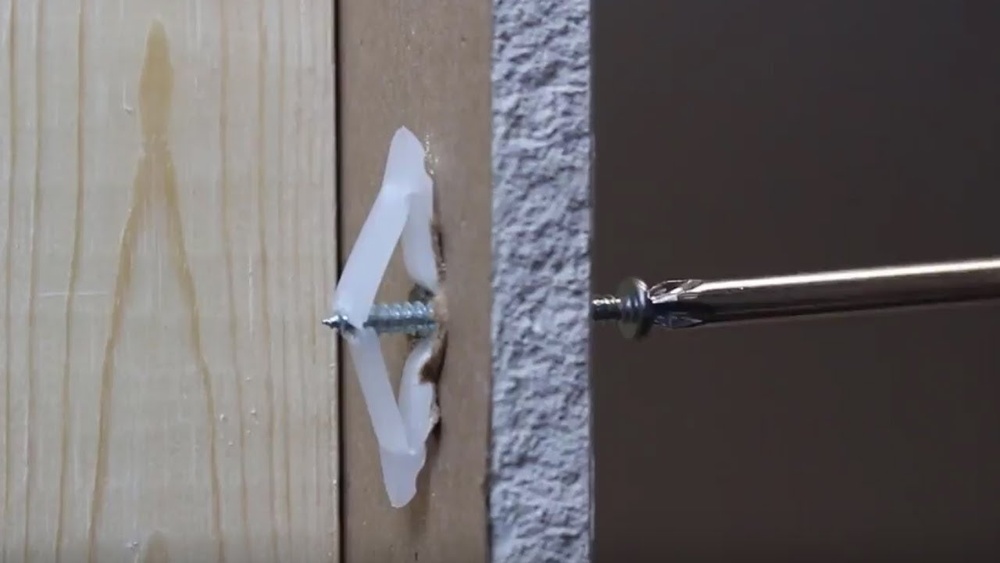
Toggle bolts have metal wings that open inside the wall. They spread the weight over a large area. Ideal for hollow walls like drywall. Great for heavy curtains and rods. They require a bigger hole but hold very tightly.
Molly Bolts
Molly bolts expand behind the wall when tightened. They work well for medium-weight drapes. Offer strong support in drywall and plaster. Easy to install with the right drill bit. Provide a secure hold without damaging the wall.
Plastic Wall Anchors
Plastic anchors are simple and cheap. Best for light to medium curtains. Fit into small holes drilled in drywall. Expand slightly as the screw goes in. Not for very heavy rods or large curtains.
Self-drilling Anchors
Self-drilling anchors screw directly into drywall. No pre-drilling needed, saving time. Hold medium-weight hardware well. Made from metal or plastic. Good for quick installations and moderate curtain weights.
Installation Techniques
Proper installation techniques ensure your drapery hardware stays secure and lasts long. Each step matters for a strong hold. Follow these simple instructions to anchor your hardware firmly to the wall.
Drilling Pilot Holes
Start by marking the spot for your brackets. Use a drill bit smaller than the screw size. Drill pilot holes to prevent wood or drywall from splitting. This step makes screwing easier and more accurate.
Inserting Anchors Correctly
Choose the right anchors for your wall type. Push or tap anchors gently into the pilot holes. Make sure they fit snugly without wobbling. Anchors provide extra support for heavy drapery rods and prevent damage.
Securing Brackets Firmly
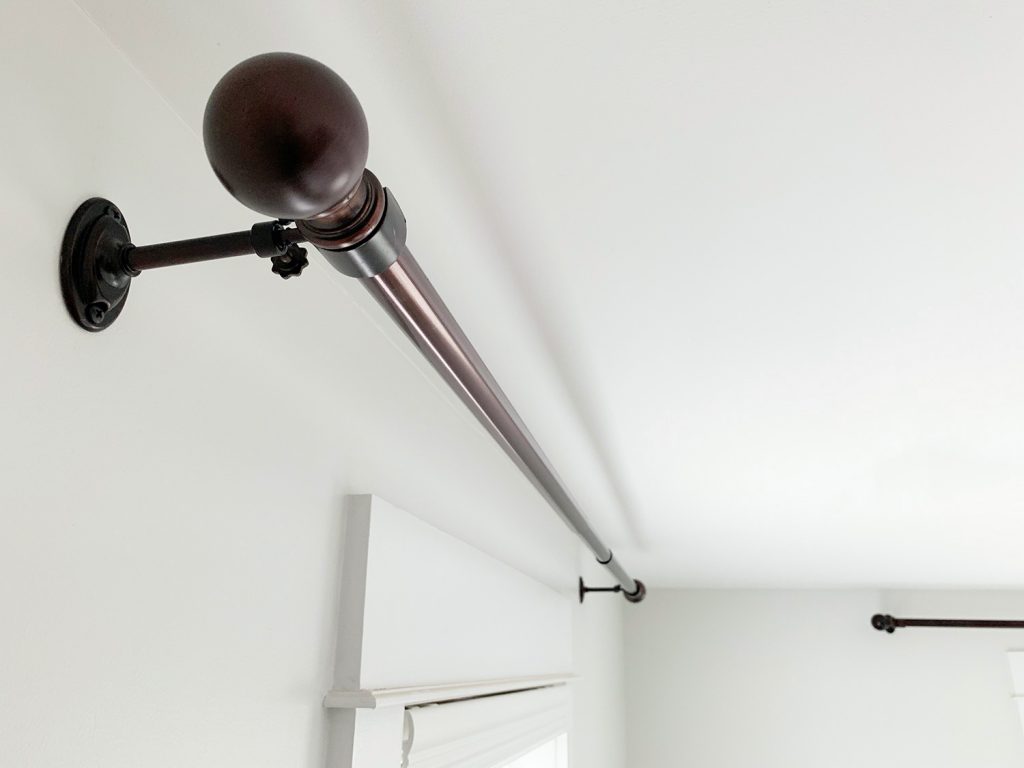
Place brackets over the anchors and align holes. Use screws that fit the anchors well. Tighten screws fully but avoid over-tightening. Firmly secured brackets hold your drapery hardware steady and safe on the wall.
Dealing With Different Wall Types
Mounting drapery hardware securely depends on your wall type. Each wall needs a different approach to hold rods or brackets firmly. Knowing your wall material helps pick the right anchors and tools. This guide covers drywall, plaster, concrete, and brick walls. Follow these tips to keep your drapery hardware safe and steady.
Drywall
Drywall is common in many homes. It is soft and can break easily under weight. Use drywall anchors for better support. Plastic anchors work for light curtains. For heavier drapes, choose metal or toggle anchors. Always find a stud if possible. Studs hold screws much stronger than drywall alone. Use a stud finder to locate these beams behind the wall.
Plaster Walls
Plaster walls are harder than drywall but brittle. They may crack if drilled carelessly. Use a masonry bit to make holes slowly. Avoid large or heavy hardware without proper anchors. Plastic anchors can work, but metal anchors offer better grip. Try to hit a wooden lath or stud inside the wall. This gives extra strength for hanging drapery rods.
Concrete And Brick
Concrete and brick walls need special tools and anchors. Use a hammer drill and masonry bit for drilling. Insert sleeve anchors or heavy-duty plastic anchors for firm hold. Tap anchors gently to avoid cracking the surface. Use screws suitable for masonry to secure the hardware. These walls provide excellent support if anchored correctly.
Credit: www.younghouselove.com
Maintenance And Troubleshooting
Proper maintenance keeps your drapery hardware secure and lasting longer. Small problems can become big if not fixed early. Regular checks help catch issues before damage occurs. Troubleshooting helps you find the cause and fix it fast. This saves time and money on repairs.
Checking For Loose Hardware
Look at brackets and screws for any movement. Gently wiggle the hardware to test its hold. Loose parts can cause curtains to fall or damage walls. Tighten any screws that feel loose with a screwdriver. Check the wall anchors for cracks or shifts. Regular checks prevent accidents and keep curtains hanging well.
Reinforcing Weak Spots
Find any spots where the wall feels soft or cracked. These weak areas can fail under the weight of curtains. Add extra anchors or use stronger ones for support. Use wall plates to spread the load over a larger area. Reinforcement keeps the hardware secure and protects your walls.
When To Replace Anchors
Replace anchors if they no longer grip tightly in the wall. Signs include spinning screws or anchors pulling out. Old or damaged anchors lose strength and safety. Choose new anchors that match your wall type and curtain weight. Replacing anchors on time keeps your drapery safe and stable.

Credit: www.youtube.com
Frequently Asked Questions
How Do I Anchor Drapery Hardware Securely To Drywall?
Use wall anchors or toggle bolts to secure drapery hardware. These provide strong support by spreading weight across the wall. Always choose anchors rated for your curtain’s weight. Pre-drill holes before inserting anchors for a firm hold and prevent wall damage.
What Tools Are Needed To Anchor Drapery Hardware?
You need a drill, screwdriver, wall anchors, level, and measuring tape. These tools ensure accurate placement and firm installation. A stud finder is helpful to locate studs for extra support. Using the right tools prevents damage and keeps hardware stable.
Can I Install Drapery Hardware Without A Stud?
Yes, use heavy-duty wall anchors or toggle bolts if no stud is available. These anchors distribute weight and provide strong support. Avoid using only screws in drywall to prevent hardware from pulling out. Proper anchors ensure your drapery hardware stays securely mounted.
What Weight Limit Should My Wall Anchors Support?
Choose anchors that support at least double the weight of your drapery hardware and curtains. This ensures safety and prevents falling. Always check packaging for weight ratings. Using anchors with insufficient capacity risks damage and instability.
Conclusion
Anchoring drapery hardware securely helps your curtains stay in place. Use the right tools and wall anchors for strong support. Measure carefully before drilling to avoid mistakes. Choose anchors that fit your wall type for best results. Tighten screws firmly but gently to prevent damage.
A well-anchored rod holds heavy drapes safely over time. Small steps make a big difference in stability. Take your time and follow each step closely. Your curtains will hang neatly and last longer this way. Simple care keeps your drapery hardware working well.