Are you tired of struggling to remove Command hooks from your wall boards without leaving marks or damage? You’re not alone.
Many people face the same challenge and worry about ruining their walls. But what if you could take those hooks down quickly, easily, and safely? You’ll discover simple, proven steps that anyone can follow to get your walls looking perfect again.
Keep reading, and you’ll learn how to say goodbye to sticky residue and stubborn hooks for good.
Types Of Command Hooks
Command hooks come in various types to suit different needs and surfaces. Choosing the right type helps hold items securely and protects your walls. Each type has unique features and uses.
Plastic Hooks
Plastic hooks are lightweight and easy to use. They work well for small items like keys or light decorations. These hooks usually have a smooth finish and come in different colors. They stick well on painted walls and tiles.
Metal Hooks
Metal hooks offer more strength for heavier items. They often have a shiny or matte finish and a sturdy design. Metal hooks hold kitchen utensils, coats, and bags securely. They last longer and resist bending or breaking.
Weight Limits
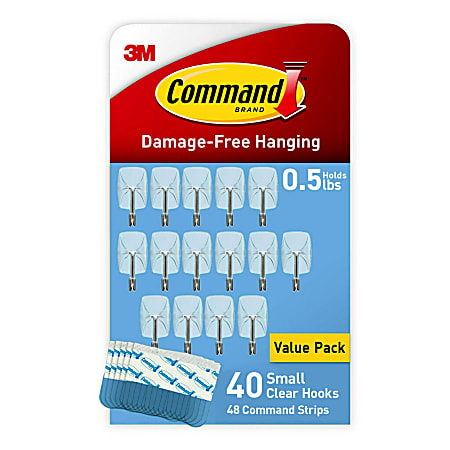
Each command hook has a weight limit. Plastic hooks hold less weight than metal ones. Always check the package for the maximum weight allowed. Using hooks beyond their limit can damage walls or cause items to fall.
Credit: www.odpbusiness.com
Preparing For Removal
Preparing to remove Command hooks from wall boards makes the process easier and safer. Taking a few simple steps can protect your walls and keep things neat. Organizing your tools and clearing the area helps you work without interruptions or damage.
Gathering Necessary Tools
Start by collecting all tools needed for removal. A hairdryer or heat gun helps soften the adhesive. Dental floss or fishing line can slide behind the hook to remove it. Have a clean cloth and mild soap ready to clean the wall. Avoid using sharp objects that might scratch the surface.
Clearing The Area
Remove items around the hook to create space. Clear furniture and decorations near the wall board. This prevents accidental damage and gives you room to work. Keep pets and children away during removal. A clean area reduces distractions and helps you focus.
Step-by-step Removal Process
Removing Command Hooks from wall boards can be simple with the right steps. Follow this guide carefully to avoid damage. Take your time and be gentle throughout the process.
Loosening The Adhesive Strip
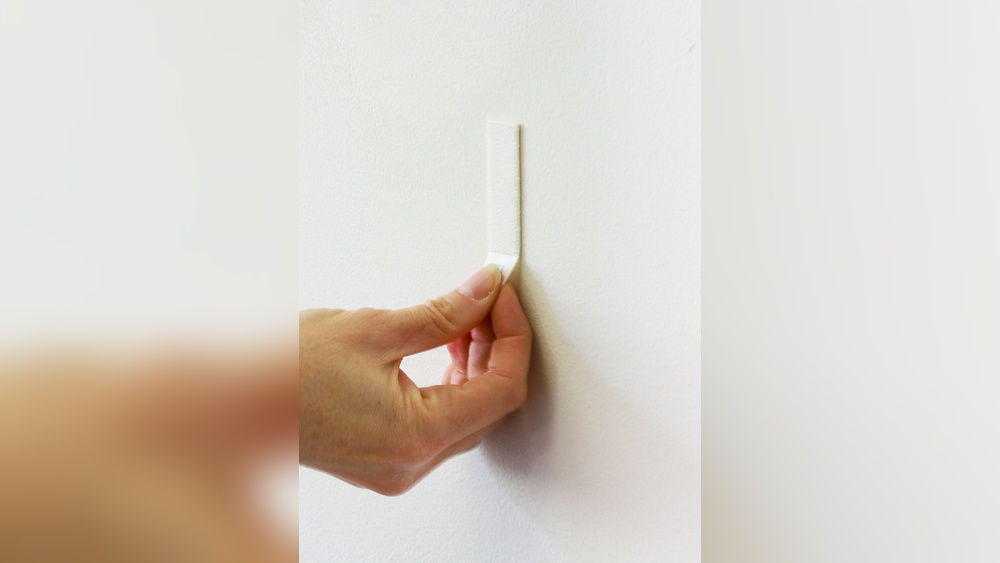
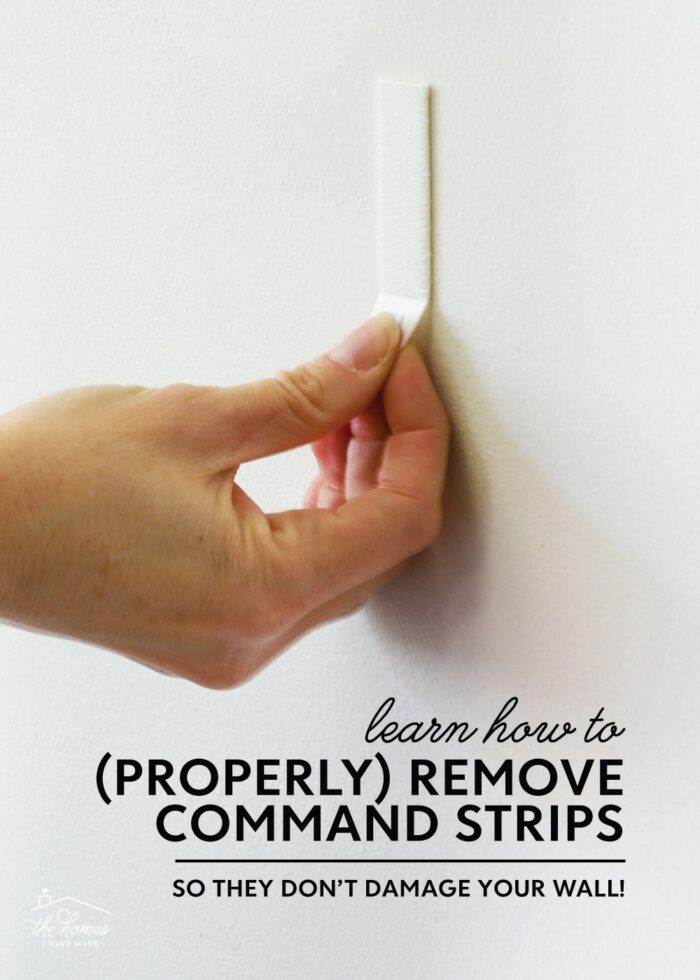
Start by holding the hook gently. Do not pull the hook itself. Look for the adhesive strip tab at the bottom. Slowly pull the tab straight down, along the wall. This action loosens the glue without harming the paint. Pulling sideways can cause damage. Keep the strip flat and slow.
Pulling The Strip Gently
Once the adhesive strip loosens, continue pulling it down. Use steady, gentle pressure. Stretch the strip slowly until it releases from the wall. Avoid quick or forceful moves. Let the strip stretch fully to prevent wall marks. This step is key for smooth removal.
Removing Residue
Sometimes, a small amount of sticky residue stays on the wall. Use a soft cloth dampened with warm water. Rub the area gently to remove leftover glue. For tougher residue, try a little rubbing alcohol. Test it on a small spot first. Clean residue helps keep walls neat and ready for new hooks.
Credit: thehomesihavemade.com
Tips For Damage-free Removal
Removing Command hooks from wall boards can be tricky. The goal is to take them off without hurting the wall. Simple steps can help keep your walls clean and smooth. Follow these tips for damage-free removal.
These methods work well for most wall types. They help avoid peeling paint or leaving sticky marks. Care and patience are key to success.
Avoiding Wall Surface Damage
Pull the tab slowly and straight down. Stretch the adhesive gently, do not yank it. Use a steady hand to protect the paint. Do not pull sideways or at an angle. This avoids tearing the paint or drywall. If the tab breaks, stop and try another method. Avoid using tools that scratch the wall.
Using Heat Or Solvents Safely
Heat softens the glue and makes removal easier. Use a hair dryer on low heat. Hold it a few inches from the hook. Warm the adhesive for about 30 seconds. Avoid high heat to protect paint. Mild solvents like rubbing alcohol can help. Dab a small amount on the edge only. Test in a hidden spot first. Wipe gently with a soft cloth. Do not soak the wall or use harsh chemicals.
When To Seek Professional Help
Large or stubborn hooks may need expert care. If paint peels or drywall crumbles, stop removing. A professional can repair damage safely. Call a painter or handyman for advice. They have the right tools and skills. This prevents costly repairs later. Know your limits to save time and money.
Alternatives To Command Hooks
Command hooks are popular for hanging items without nails or screws. Still, some people want other options. Alternatives can offer different benefits. Some are reusable or avoid adhesives altogether. These choices suit various walls and needs. Explore the options below to find what fits best.
Reusable Hook Options
Reusable hooks are great for frequent changes. Many use strong suction cups. They stick to smooth surfaces like glass and tiles. You can remove and reapply them easily. Some hooks have clips or magnets. These hold items firmly without damage. They work well for light objects. Using reusable hooks saves money over time.
Non-adhesive Hanging Solutions
Non-adhesive options avoid sticky residues. Over-the-door hooks hang on door edges. They need no nails or glue. Tension rods fit inside door frames or closets. You can hang clothes or curtains there. Wall-mounted racks use small nails or screws. They hold heavier items securely. These solutions protect walls from damage. Choose based on the weight and surface type.
:max_bytes(150000):strip_icc()/how-to-remove-command-strips-5089679-hero-e80ce445b63549d78d9a78c4d1560a43.jpg)
Credit: www.thespruce.com
Frequently Asked Questions
How Do I Safely Remove Command Hooks From Wall Boards?
To safely remove Command hooks, pull the adhesive strip straight down slowly. Avoid pulling outward to prevent wall damage. Use heat from a hairdryer if needed to soften the adhesive for easier removal.
Can Command Hooks Damage My Wall Boards?
Command hooks generally do not damage walls if removed correctly. Pull the adhesive strip straight down to avoid peeling paint or drywall. Using heat can reduce the chance of damage during removal.
What Tools Help Remove Command Hooks Effectively?
No special tools are needed. Use your hands to pull the adhesive strip slowly. A hairdryer can help soften the adhesive for easier removal without damaging the wall.
How To Remove Leftover Adhesive After Command Hook Removal?
Use a gentle adhesive remover or rubbing alcohol on a soft cloth. Rub the residue carefully until it comes off. Avoid harsh scrubbing to prevent wall damage.
Conclusion
Removing command hooks from wall boards can be simple and safe. Take your time and follow the steps carefully. Use heat or stretch the adhesive gently to avoid damage. Clean the area well after removing hooks for best results. This helps keep your walls smooth and ready for new decorations.
With patience, you can remove hooks without leaving marks. Keep these tips in mind next time you change your wall setup. Small care makes a big difference.