Hanging a wall mirror might seem simple, but choosing the right anchor size is key to keeping it secure and safe. If you pick an anchor that’s too small, your mirror could fall and cause damage.
Too big, and you might damage your wall or make unnecessary holes. You want your mirror to stay put and look great for years to come. You’ll discover exactly how to determine the perfect anchor size for your wall mirror, making the process easy and stress-free.
Keep reading to get your mirror hanging just right!
Credit: condomounts.com
Types Of Wall Anchors
Choosing the right wall anchor is key to hanging a mirror safely. Different anchors work best for different wall types and mirror weights. Knowing each type helps you pick the correct size and style. Here are common wall anchors for hanging mirrors.
Plastic Expansion Anchors
Plastic expansion anchors fit small to medium loads. They work well in drywall and plaster walls. The anchor expands inside the wall as the screw goes in. This creates a tight hold for lightweight mirrors. Use them for mirrors under 20 pounds.
Toggle Bolts
Toggle bolts hold heavy mirrors securely on drywall. They have metal wings that open behind the wall. The wings spread the load over a larger area. This prevents the mirror from pulling out. Ideal for mirrors over 30 pounds on hollow walls.
Molly Bolts
Molly bolts are strong anchors for medium to heavy loads. They expand inside the wall as the screw tightens. This creates a solid grip in drywall or plaster. Good for mirrors weighing between 20 and 50 pounds. They provide stable support.
Threaded Drywall Anchors
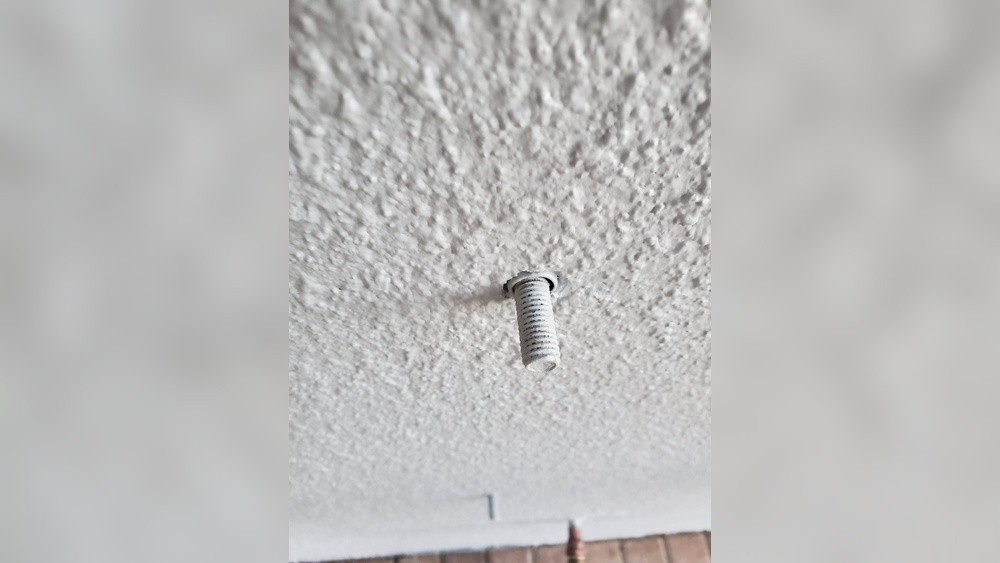
Threaded drywall anchors screw directly into the wall. They do not need a pre-drilled hole. These anchors hold light to medium weight mirrors. The threads grip the drywall tightly. Easy to install and remove without damage.

Credit: www.mirrorspace.com.au
Factors Affecting Anchor Size
Choosing the right anchor size is key to hanging a wall mirror safely. Several factors decide which anchor fits best. Understanding these can prevent damage and keep your mirror secure.
The anchor must hold the mirror’s weight. The wall type also affects anchor choice. Anchor length and diameter matter too. Each factor plays a role in finding the perfect fit.
Weight Of The Mirror
The mirror’s weight is the first factor to check. Heavier mirrors need bigger, stronger anchors. Small anchors may fail under heavy loads. Always match anchor strength to mirror weight.
Wall Material
Wall type changes the anchor size needed. Drywall, plaster, or brick all hold anchors differently. Hard walls need anchors that grip tightly. Soft walls require anchors that spread the load.
Anchor Length And Diameter
Anchor length affects how deep it goes into the wall. Longer anchors hold better in thick walls. Diameter means the anchor’s thickness. Thicker anchors provide more strength and support.
Measuring Mirror Weight Accurately
Knowing the exact weight of your wall mirror is key to choosing the right anchor size. A mirror that is too heavy for its anchor can fall and break. Measuring weight accurately helps avoid damage and keeps your wall safe. Here are two simple ways to find out how much your mirror weighs.
Using A Scale
Use a bathroom or luggage scale for the best accuracy. If the mirror is small, place it directly on the scale. For larger mirrors, ask for help to hold it while you weigh it. Subtract the weight of any packaging or frame if needed. This method gives you a precise weight to pick the right anchor.
Estimating Weight By Size
If you do not have a scale, estimate the weight using the mirror’s size. Measure the height and width in inches or centimeters. Use a standard weight chart for mirrors or glass to find an approximate weight. This method is less exact but works well for most home mirrors. Always round up to be safe.

Credit: thediyplaybook.com
Choosing The Right Anchor For Wall Type
Choosing the right anchor for your wall type is crucial to hang a mirror safely. Different walls need different anchors. Using the wrong anchor can cause the mirror to fall and damage the wall. Knowing your wall type helps pick the best anchor for strong support.
Drywall Anchors
Drywall is soft and needs special anchors. Plastic expansion anchors work well for light mirrors. For heavier mirrors, use metal toggle anchors. These spread the weight inside the wall. Drill a small hole first. Push the anchor in gently. Tighten the screw slowly to avoid damage.
Plaster Walls
Plaster walls are hard but brittle. Use anchors made for plaster, like molly bolts. They expand behind the wall for strong grip. Avoid large holes that can crack plaster. Drill carefully and insert the anchor. Tighten the screw until it feels secure. Check for any cracks after hanging.
Concrete Or Brick Walls
Concrete and brick are very strong. Use heavy-duty anchors like sleeve anchors or masonry screws. First, drill a hole with a masonry bit. Clean out the dust. Insert the anchor fully. Tighten the screw firmly to hold the mirror. These anchors hold heavy mirrors without slipping.
Anchor Size Recommendations By Weight
Selecting the right anchor size depends mainly on the mirror’s weight. Different weights need different anchors to hold them safely. Using the correct anchor prevents damage to your wall and mirror. Below are anchor size recommendations based on mirror weight.
Lightweight Mirrors
Lightweight mirrors usually weigh under 10 pounds. Use plastic anchors or small metal anchors rated for 10 pounds. Size 6 or 8 anchors work well for these mirrors. These anchors are easy to install and hold enough weight safely.
Medium Weight Mirrors
Mirrors weighing between 10 and 25 pounds need stronger anchors. Use metal anchors or toggle bolts rated for 25 pounds. Anchors sized 8 to 10 are ideal for medium weight mirrors. These provide better grip and support on drywall or plaster.
Heavy Mirrors
Heavy mirrors weigh over 25 pounds and require heavy-duty anchors. Use toggle bolts, molly bolts, or wall anchors rated for 50 pounds or more. Choose size 10 or larger anchors to ensure secure mounting. For very heavy mirrors, consider mounting directly into wall studs for extra safety.
Installation Tips For Secure Hanging
Securely hanging a wall mirror needs careful steps. Proper installation keeps the mirror safe and the wall undamaged. Follow these tips to ensure a strong hold and avoid accidents. Focus on drilling, leveling, and spacing for the best results.
Drilling Proper Holes
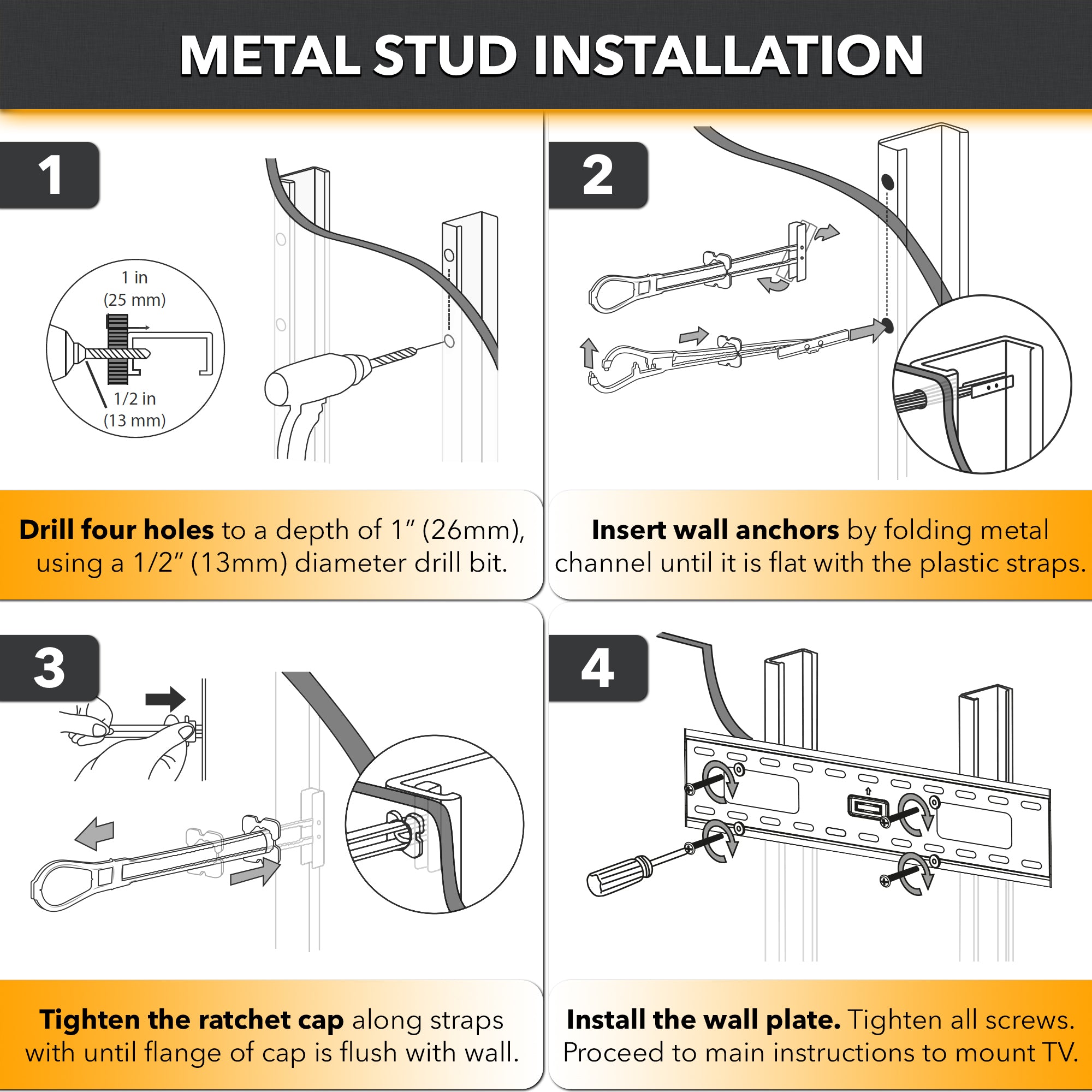
Choose the right drill bit for your wall type. Use a drill bit slightly smaller than the anchor size. Drill straight holes to avoid loosening the anchors later. Clear dust from holes before inserting anchors. This helps anchors grip the wall firmly.
Using A Level
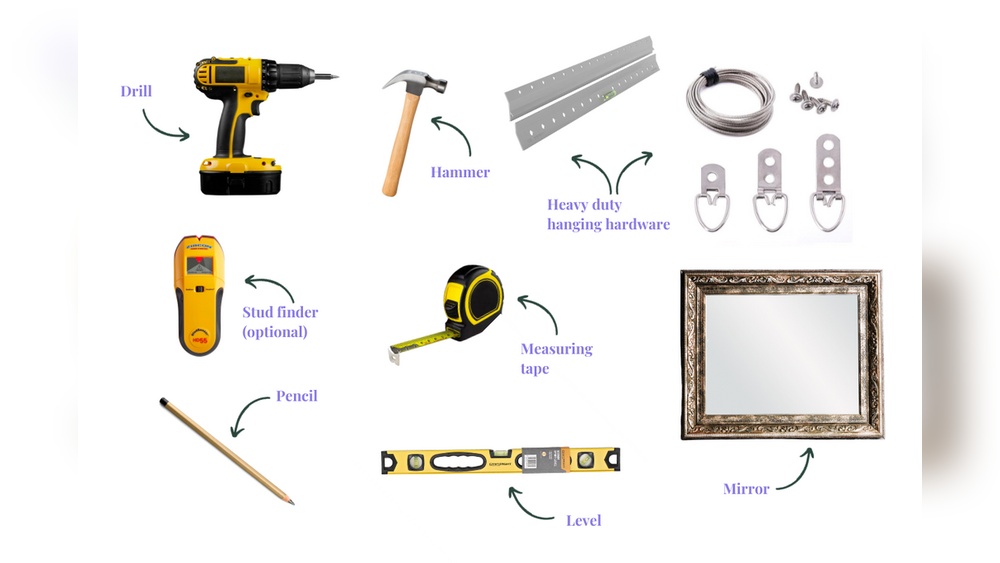
Place a level on the mirror frame or mounting bracket. Adjust until the bubble is centered perfectly. Mark the hole spots while the level is in place. This prevents a crooked mirror and keeps it balanced. A level ensures a neat and professional look.
Spacing Anchors Correctly
Measure the mirror’s mounting points carefully. Space the anchors to match these points exactly. Proper spacing spreads the mirror’s weight evenly on the wall. Avoid placing anchors too close; this weakens support. Correct spacing keeps the mirror stable and secure.
Safety Precautions
Safety is the top priority when hanging a wall mirror. Choosing the right anchor size is important to prevent accidents. Proper safety measures protect your walls and keep the mirror secure. Follow simple steps to ensure safety and avoid damage or injury.
Checking Anchor Load Limits
Check the load limit on the anchor package before buying. Each anchor has a weight capacity. Choose an anchor that supports more than your mirror’s weight. Using an anchor with low load capacity risks falling mirrors. Always pick a stronger anchor for safety and stability.
Regular Inspection
Inspect your mirror and anchors regularly. Look for signs of loosening or damage. Tighten screws or replace anchors if needed. Regular checks keep the mirror secure and prevent accidents. Make inspection a habit to maintain safety over time.
Frequently Asked Questions
How Do I Measure Wall Anchors For Mirror Weight?
To measure wall anchors, first check your mirror’s weight. Use anchors rated slightly above this weight. Measure wall thickness and choose anchors that fit securely. Proper size ensures safe, stable mirror hanging.
What Anchor Size Suits Heavy Wall Mirrors?
Heavy mirrors require anchors rated for high weight, like toggle bolts or molly bolts. Choose anchors that fit your wall type and can support the mirror’s weight safely.
Can I Use Plastic Anchors For Large Mirrors?
Plastic anchors are suitable only for light to medium mirrors. For large mirrors, use metal or heavy-duty anchors to ensure safety and prevent wall damage.
How Do Wall Material Affect Anchor Size Choice?
Wall type impacts anchor selection. Drywall needs strong anchors like toggle bolts. Concrete or brick require masonry anchors. Choose size and type based on wall material for secure mounting.
Conclusion
Choosing the right anchor size keeps your mirror safe and secure. Check the mirror’s weight and wall type first. Use anchors that can hold more than the mirror’s weight. Measure carefully to avoid damage or accidents. Strong anchors hold mirrors steady for years.
Take your time and follow these steps. Your wall mirror will hang perfectly every time. Simple planning makes a big difference. Trust your measurements and use the right tools. Enjoy your beautiful, well-hung mirror with peace of mind.