Hanging a mirror on your wall might seem simple, but if it’s not done right, it can lead to cracks, falls, or even damage to your wall. You want your mirror to stay secure and look great, without worrying about it slipping or breaking.
In this guide, you’ll learn exactly how to anchor your mirror safely and effectively, no matter the wall type or mirror size. Keep reading, and you’ll discover easy steps that save you time, prevent costly mistakes, and give your space a polished, flawless finish.
Your perfect mirror setup is just a few clicks away!

Credit: www.mirrorspace.com.au
Choosing The Right Wall
Choosing the right wall is key to safely anchoring a mirror. The wall must hold the weight without damage. This step helps prevent accidents and keeps your mirror secure. Start by knowing the wall type and its strength. This guide covers how to identify wall material, find studs, and assess wall strength.
Identifying Wall Material
First, check what type of wall you have. Common walls include drywall, plaster, brick, or concrete. Drywall feels smooth and hollow when tapped. Plaster walls are hard and may have a rough surface. Brick and concrete are very solid and rough. Knowing the wall type helps choose the right anchor and tools.
Checking For Studs
Studs are wooden or metal beams behind the wall. They offer strong support for heavy mirrors. Use a stud finder tool to locate them. Move the tool slowly across the wall surface. When it beeps or lights up, a stud is found. Mark the spot with a pencil. Anchoring into studs is safer and more stable.
Considering Wall Strength
Not all walls can hold heavy mirrors. Drywall alone is weak and may need special anchors. Brick and concrete walls are very strong but require drill bits for masonry. Check the mirror’s weight and match it with wall strength. A strong wall prevents falls and damage. Always choose a wall that supports your mirror safely.
Selecting Mirror Anchors
Selecting the right anchors for your mirror is important for safety and stability. The anchors hold the mirror firmly on the wall. Choosing the wrong type or size can lead to damage or accidents. Understanding the different anchors helps you pick the best one for your wall and mirror weight.
Types Of Wall Anchors
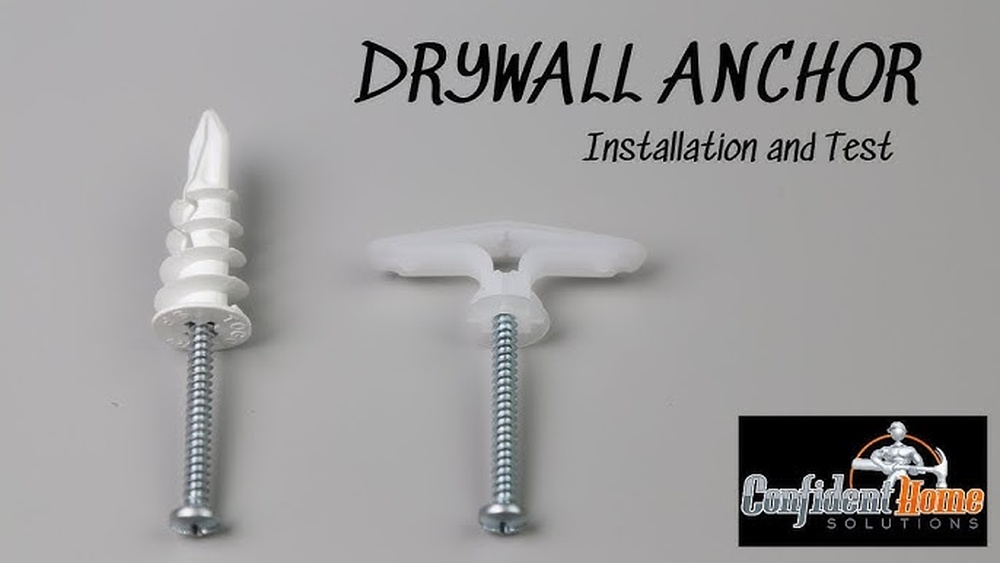
There are several types of wall anchors. Plastic expansion anchors work well with drywall for light mirrors. Metal anchors provide stronger support for heavier mirrors. Toggle bolts spread behind the wall for maximum hold. Choose the type that fits your wall material and mirror weight.
Anchor Size And Weight Capacity
Anchor size matters. Small anchors support lighter mirrors. Large anchors hold heavier mirrors safely. Check the weight capacity on the anchor package. Always pick anchors that hold more than your mirror’s weight. This prevents the mirror from falling or damaging the wall.
Tools Needed For Installation
Proper tools make installation easier and safer. You will need a drill for making holes. A screwdriver helps tighten the anchors. A level ensures the mirror hangs straight. A tape measure helps place anchors evenly. These tools help you install anchors correctly and securely.
Preparing The Wall
Preparing the wall is the first step to securely anchor a mirror. It ensures the mirror stays safe and looks great. Take time to plan this part carefully. It makes the hanging process easier and avoids damage.
Measuring Mirror Placement
Start by deciding where the mirror will hang. Measure the wall space and the mirror’s width and height. Use a tape measure to find the center point. Mark this spot lightly with a pencil. This helps to place the mirror evenly on the wall.
Marking Drill Points
Next, mark the drill points on the wall. These are where the anchors will go. Use the mirror’s mounting brackets as a guide. Hold the mirror against the wall and mark through the bracket holes. Double-check the marks before drilling.
Using A Level For Accuracy
Use a level to keep the marks straight. Place the level on the marks and adjust until the bubble is centered. This step prevents the mirror from hanging crooked. Accurate marks help the mirror look balanced and neat.
Credit: thediyplaybook.com
Installing Anchors
Installing anchors is a key step to hang a mirror safely. Anchors give strong support to hold the mirror’s weight. They keep the mirror steady and prevent it from falling. Use the right anchors for your wall type. Follow simple steps to install anchors correctly.
Drilling Pilot Holes
Start by marking the spot on the wall. Use a pencil to mark where the anchors will go. Choose a drill bit that matches the anchor size. Drill small pilot holes at the marked spots. Drill straight and not too deep. This helps anchors fit tightly and hold better.
Inserting Anchors Properly
Push the anchors into the pilot holes gently. Tap them lightly with a hammer if needed. Make sure anchors sit flush with the wall surface. Do not force anchors too hard. Proper insertion keeps the wall strong and ready for screws.
Securing Wall Hooks Or Brackets
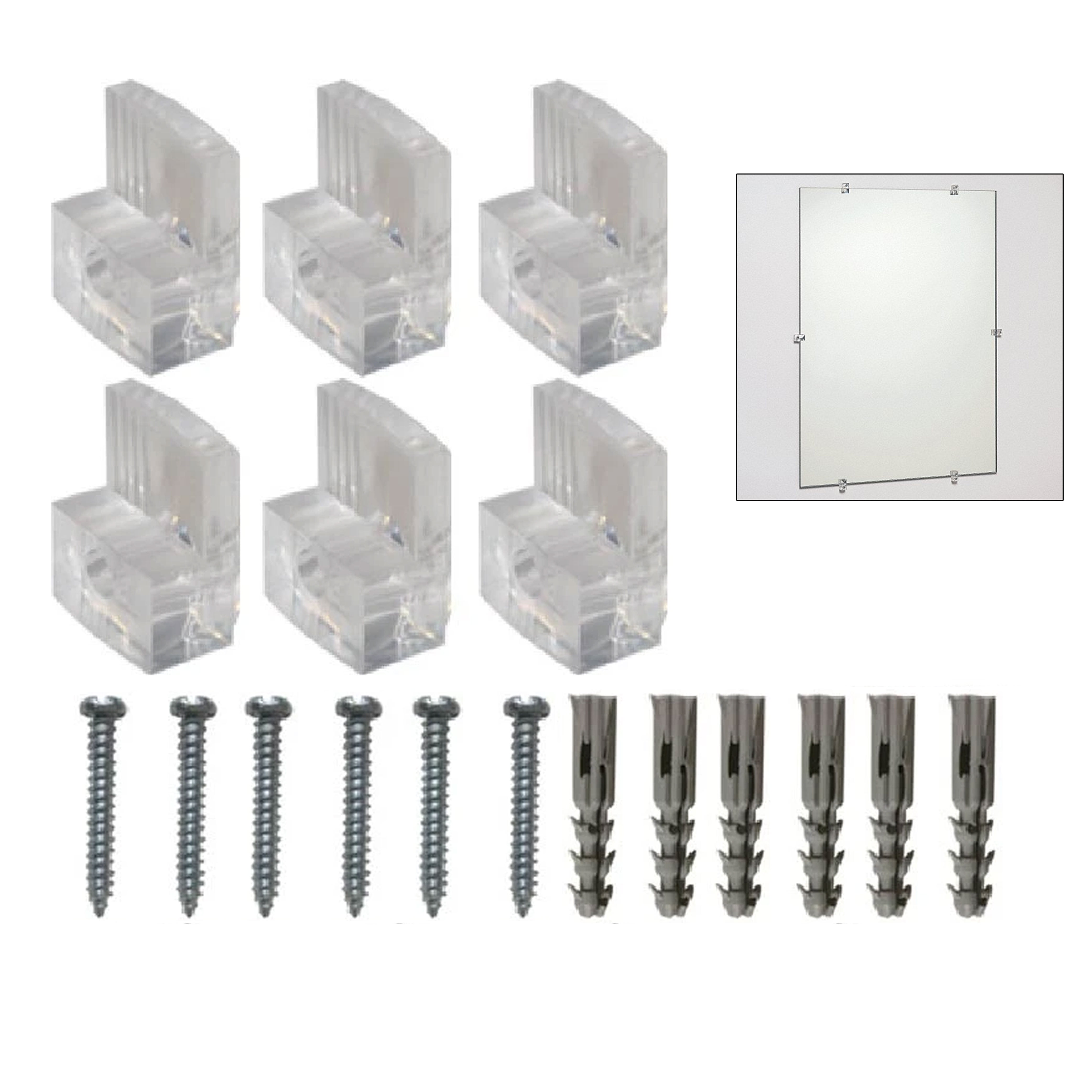
Place the wall hooks or mirror brackets over the anchors. Insert screws through the hooks into the anchors. Tighten screws firmly but avoid over-tightening. Check the hooks or brackets are stable and do not move. Proper securing ensures the mirror stays safely on the wall.
Hanging The Mirror
Hanging a mirror correctly is key for safety and style. It takes careful steps to make sure it stays on the wall securely. This section guides you through the process. Follow these steps to hang your mirror with confidence.
Attaching Mirror Hardware
Start by checking the back of your mirror. Look for hooks, brackets, or wire. If none exist, install D-rings or a hanging wire. Use screws that fit the hardware well. Secure the hardware tightly to avoid movement. Make sure both sides are even for balance.
Lifting And Positioning Mirror
Get help if the mirror is heavy or large. Hold the mirror with both hands firmly. Lift it slowly and bring it close to the wall. Align the hardware with the wall anchors or hooks. Move the mirror gently until it rests on the anchors. Check the height and center before letting go.
Ensuring Stability And Safety
Test the mirror by giving it a slight push. It should not shift or wobble. Confirm that wall anchors hold tight and do not pull out. Use a level to check if the mirror is straight. Adjust if needed to prevent falls. Proper hanging protects your mirror and your space.
Credit: www.walmart.com
Tips For Maintenance
Maintaining the anchor for your mirror is key to keeping it safe and sturdy. Regular care helps avoid accidents and extends the life of both the mirror and the wall. Small steps can prevent big problems later.
Checking Anchor Security Periodically
Check the mirror anchors every few months. Gently shake the mirror to see if it moves. Look for any signs of looseness or damage. Tighten screws or replace anchors if needed. This simple check keeps your mirror secure and your wall safe.
Cleaning Around Hanging Points
Dust and dirt can build up around the anchor points. Use a soft cloth to clean the area carefully. Avoid using water or harsh cleaners near the anchors. Keeping this area clean prevents rust and wear on the hardware.
Preventing Wall Damage Over Time
Protect your wall by using proper anchors for the wall type. Avoid hanging very heavy mirrors on weak walls. Use wall pads or felt protectors behind the mirror. This reduces pressure and stops scratches or dents from forming.
Frequently Asked Questions
What Tools Do I Need To Anchor A Mirror On The Wall?
You need a drill, anchors, screws, a level, measuring tape, and a pencil. These tools help secure the mirror safely and ensure it’s level.
How Do I Choose The Right Wall Anchors For Mirrors?
Choose anchors based on wall type and mirror weight. Plastic anchors work for drywall, while metal anchors suit heavier mirrors and masonry walls.
Can I Anchor A Heavy Mirror On Drywall Safely?
Yes, use heavy-duty anchors or toggle bolts for heavy mirrors on drywall. Always check the anchor’s weight rating before installation.
Where Should I Place Anchors For Mirror Hanging?
Place anchors at the mirror’s hanging points. Measure and mark these points carefully to ensure the mirror hangs evenly and securely.
Conclusion
Anchoring a mirror on the wall is simple with the right steps. Choose strong anchors for safety and durability. Measure carefully to keep the mirror straight and secure. Use tools like drills and levels for best results. Take your time to avoid mistakes.
A well-anchored mirror adds style and function to any room. Enjoy the new look and the confidence that it will stay in place. Small effort, big difference.