If you need to install grab bars but don’t have wall studs where you want them, you might feel stuck. You want to make sure your grab bars are safe and secure—after all, they need to support your weight when you need help the most.
The good news is, there are smart and reliable ways to anchor grab bars without relying on wall studs. You’ll discover easy-to-follow methods that keep your grab bars strong and steady, giving you confidence and peace of mind every time you use them.
Keep reading to learn the simple tricks that make all the difference.
Choosing The Right Grab Bars
Choosing the right grab bars is key to safety and comfort. Not all grab bars work well without wall studs. You must pick options that fit your bathroom and support your needs. This section helps you understand which grab bars work best without wall studs.
Materials And Styles
Grab bars come in different materials like stainless steel, plastic, and aluminum. Stainless steel is strong and rust-resistant. Plastic bars are lighter but less sturdy. Aluminum offers a good balance of strength and weight. Styles vary too. Some bars are straight, while others have curves or textured grips. Pick a style that feels comfortable and suits your bathroom design.
Weight Capacity Considerations
Check the weight capacity before buying any grab bar. Bars without wall studs need to support weight safely. Most grab bars list their maximum weight limit. Choose one that holds more than your body weight. This ensures extra safety and durability. Avoid bars with low weight limits as they may fail under pressure.

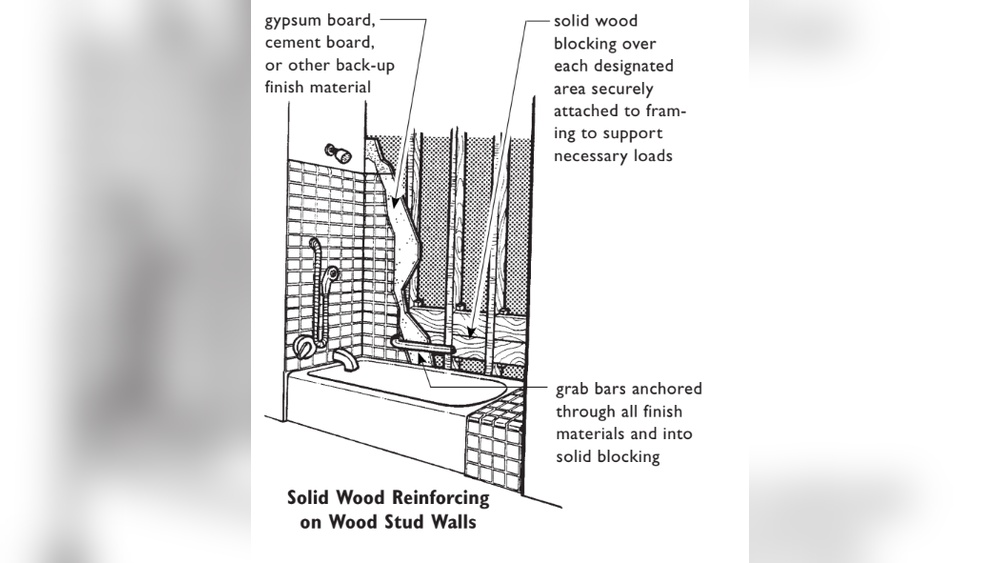
Credit: up.codes
Types Of Anchors For No-stud Installation
Installing grab bars without wall studs requires special anchors. These anchors hold the bar firmly in place. Choosing the right anchor ensures safety and stability. Different types of anchors work best for different wall materials and weights.
Toggle Bolts
Toggle bolts have spring-loaded wings. They open inside the wall cavity. The wings spread the load over a wide area. This makes toggle bolts strong for heavy items. They work well in hollow walls like drywall. Installation involves drilling a hole and tightening the bolt. Toggle bolts provide a secure hold without studs.
Molly Bolts
Molly bolts are metal anchors that expand inside the wall. They create a strong grip by spreading behind the wall. These anchors are reusable and provide solid support. Molly bolts suit medium-weight items on drywall. To install, insert the bolt and tighten until it expands. They hold tightly without damaging the wall.
Adhesive Anchors
Adhesive anchors use strong glue or epoxy. They stick directly to the wall surface. These anchors are easy to install and leave no holes. Adhesive anchors work best on smooth, solid surfaces. They are ideal for light to medium loads. Proper wall cleaning is necessary for strong adhesion. Adhesive anchors offer a simple no-drill solution.
Preparing The Wall Surface
Preparing the wall surface is the first step to anchor grab bars without wall studs. A smooth, clean, and well-marked wall ensures a safe and secure installation. This process helps find the best spots for anchors and keeps the wall strong. Follow these steps carefully for the best results.
Locating Wall Material
Identify the type of wall before starting. Common walls include drywall, plaster, or tile. Knowing the material helps choose the right anchors. Tap the wall lightly and listen to the sound. A hollow sound usually means drywall. A solid sound may indicate plaster or concrete. Use a stud finder to check for hidden studs or pipes.
Cleaning And Marking
Clean the wall surface with a damp cloth. Remove dust, dirt, and grease for better adhesion. Let the wall dry completely before marking. Use a pencil to mark the exact spots for the grab bar. Measure twice to ensure accuracy. Mark the points at the correct height and width for comfort and safety.
Step-by-step Installation Process
Installing grab bars without wall studs can seem tricky, but it is doable with the right tools and steps. This guide breaks down the process into clear, easy actions. Follow each step carefully to ensure safety and stability.
Drilling Pilot Holes
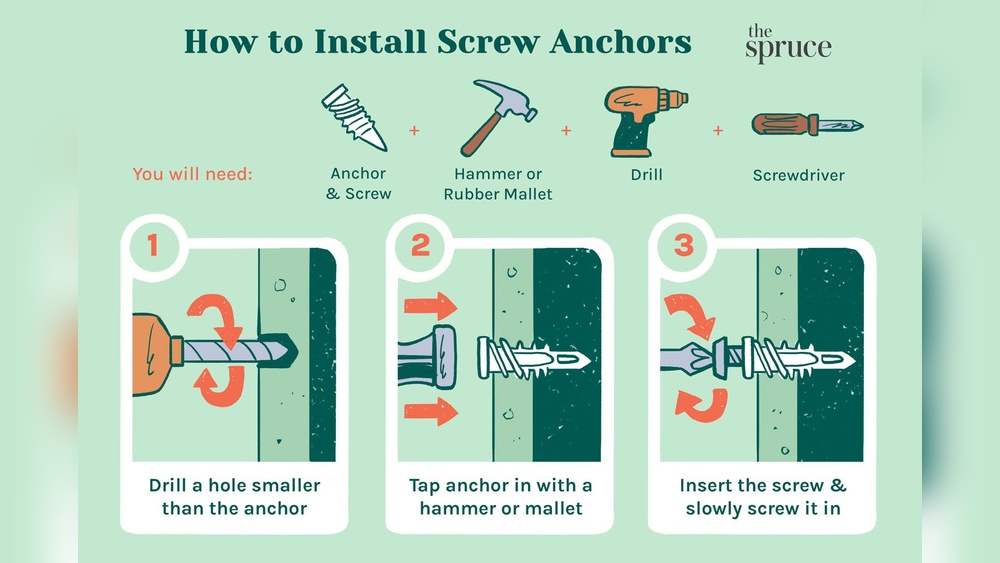
Start by marking the spots where you want to place the grab bars. Use a pencil to make small dots on the wall. Choose a drill bit that matches the size of your anchors. Drill pilot holes at the marked spots. Drill slowly and straight to avoid damaging the wall.
Installing Anchors
Use anchors made for drywall or hollow walls. Push the anchor into the pilot hole until it is flush with the wall. Tap gently with a hammer if needed. The anchor should fit tightly to hold the grab bar securely. Avoid using anchors that are too small for the weight load.
Securing Grab Bars
Place the grab bar over the installed anchors. Align the holes on the grab bar with the anchors in the wall. Use screws that came with the grab bar. Screw them tightly into the anchors using a screwdriver. Check that the grab bar does not move or wiggle before use.
Testing Grab Bar Stability
Testing the stability of grab bars is essential for safety. Proper testing ensures the grab bar can support weight without slipping or breaking. This step helps avoid accidents in bathrooms or other areas where grab bars are necessary. Follow these simple tests to confirm the grab bar is secure and reliable.
Weight Testing
Start by applying steady pressure on the grab bar. Push down slowly with your body weight or use a weighted object. Check if the bar holds firm and does not move. Try pulling and twisting the bar gently to test its grip. If the bar shifts or loosens, it needs better support. Repeat this test several times to be sure.
Adjustments And Reinforcement
If the grab bar feels loose, tighten the anchors or screws. Use stronger wall anchors designed for hollow walls without studs. Add adhesive strips or mounting plates to increase hold. Test the bar again after each adjustment. Keep reinforcing until the grab bar feels solid and safe. Proper stability gives confidence and prevents falls.
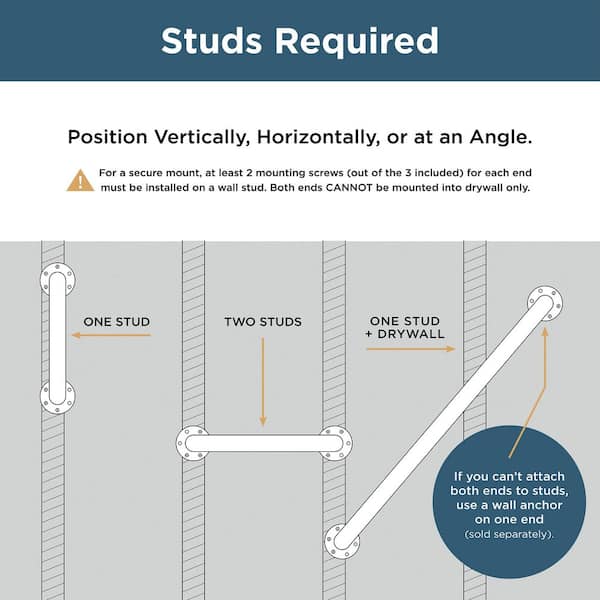
Credit: www.homedepot.com
Alternative Solutions Without Studs
Installing grab bars without wall studs requires smart alternatives. These options ensure safety and stability without complex wall work. They suit many bathroom setups and help avoid wall damage.
Wall Panels And Backing Boards
Wall panels provide a strong surface for grab bars. They attach securely to drywall and spread the load evenly. Backing boards go behind the wall surface. They create a firm base for screws and anchors.
This method uses heavy-duty materials like plywood or metal. It increases support in weak wall areas. Panels and boards work well in tiled or plaster walls. Proper installation ensures grab bars hold tight and last long.
Freestanding Grab Bars
Freestanding grab bars do not need wall attachment. They stand on the floor or around the toilet or shower. These bars offer support without drilling or anchors.
They are easy to move and adjust as needed. This makes them perfect for renters or temporary use. Choose models with wide bases for better balance. Freestanding bars provide safety with simple setup and no wall damage.
Safety Tips And Maintenance
Safety and maintenance are key when installing grab bars without wall studs. Proper care keeps the bars secure and prevents accidents. Regular checks help spot problems early. Good habits extend the life of your grab bars.
Regular Inspection
Check grab bars every few months. Look for loose screws or wobbly parts. Tighten any loose fittings right away. Make sure the wall surface around the bar is strong and not cracked. Replace any damaged parts quickly. This keeps the grab bar steady and safe to use.
Avoiding Common Mistakes
Do not overload the grab bar beyond its weight limit. Use the right anchors designed for your wall type. Avoid using cheap or weak materials. Install the bar where it is easy to reach and use. Follow the manufacturer’s instructions carefully. Poor installation can cause accidents and damage walls.

Credit: www.familyhandyman.com
Frequently Asked Questions
How Can I Anchor Grab Bars Without Wall Studs?
You can use heavy-duty toggle bolts or molly bolts to securely anchor grab bars into drywall without studs. These anchors spread the load and provide strong support.
Are Grab Bars Safe Without Using Wall Studs?
Yes, grab bars can be safe without wall studs if you use appropriate anchors designed for drywall and follow weight limits.
What Is The Best Anchor For Grab Bars Without Studs?
Heavy-duty toggle bolts are the best choice for anchoring grab bars without wall studs. They offer maximum strength and stability.
Can I Install Grab Bars On Tile Without Studs?
Yes, you can use toggle bolts or molly bolts with proper drilling on tile surfaces. Use a masonry bit to avoid cracks.
Conclusion
Anchoring grab bars without wall studs is doable with the right tools. Use strong anchors designed for drywall or tile. Always check the weight limits to stay safe. Take your time to measure and install carefully. Proper installation ensures stability and support when needed.
This method can make your bathroom safer and more accessible. Keep these tips in mind for a secure grab bar setup. Safety matters most in every step you take.