Are your basement walls showing signs of bowing or cracking? If so, you’re not alone—and it’s something you need to address quickly.
Anchoring basement walls can prevent further damage and keep your home safe and stable. In this guide, you’ll learn simple, effective steps to anchor your basement walls yourself or understand what to expect if you hire a pro. By the end, you’ll feel confident about protecting your home’s foundation and stopping costly problems before they start.
Keep reading to discover how to secure your basement walls today.

Credit: www.gothrasher.com
Causes Of Basement Wall Movement
Basement walls move for several reasons. Understanding these causes helps you protect your home. Movement can cause cracks and leaks. Early action prevents costly repairs. Knowing what triggers wall shifts is important.
Soil Pressure Impact
Soil around your basement pushes against the walls. Clay and wet soil expand and press harder. This pressure can bend or crack walls over time. Heavy soil weight increases the risk of movement. Proper drainage reduces soil pressure on walls.
Water Damage Effects
Water seeps into cracks and weak spots. It softens soil, making walls less stable. Flooding and poor drainage cause water buildup. Moisture also leads to mold and wood rot. Fix leaks quickly to protect your basement walls.
Foundation Settling
The ground beneath your home can sink or shift. Uneven settling puts stress on basement walls. This leads to cracks and tilting. Poor soil or construction causes faster settling. Monitoring foundation movement helps prevent serious damage.
Credit: acculevel.com
Signs Of Wall Instability
Basement walls show signs when they become unstable. Spotting these signs early helps prevent big problems. Pay attention to changes in the wall’s shape and condition. These warning signs often mean the wall needs anchoring or repair.
Cracks And Bowing
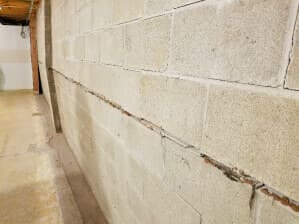
Cracks in basement walls are a clear sign of stress. Horizontal cracks are more serious than vertical ones. Bowing walls curve inward, showing pressure from outside soil. Both cracks and bowing weaken the wall’s strength. Fixing them quickly stops further damage.
Moisture And Mold Issues
Wet spots on basement walls hint at leaks or poor drainage. Moisture makes walls weak and soft over time. Mold grows in damp areas and harms air quality. Musty smells also point to hidden moisture problems. Dry walls keep your basement safe and healthy.
Doors And Windows Misalignment
Doors or windows that stick or don’t close right show wall movement. Shifts in the wall change the frame shape. This misalignment can let air and water in. Watch for gaps or uneven spaces around frames. Correcting wall movement restores proper door and window function.
Types Of Wall Anchors
Basement walls often need extra support to stay strong and safe. Wall anchors help stop walls from bowing or leaning. They hold the walls tight and prevent cracks. Different types of anchors fit different needs and wall problems. Knowing about these types helps you pick the best one for your basement.
Steel Plate Anchors
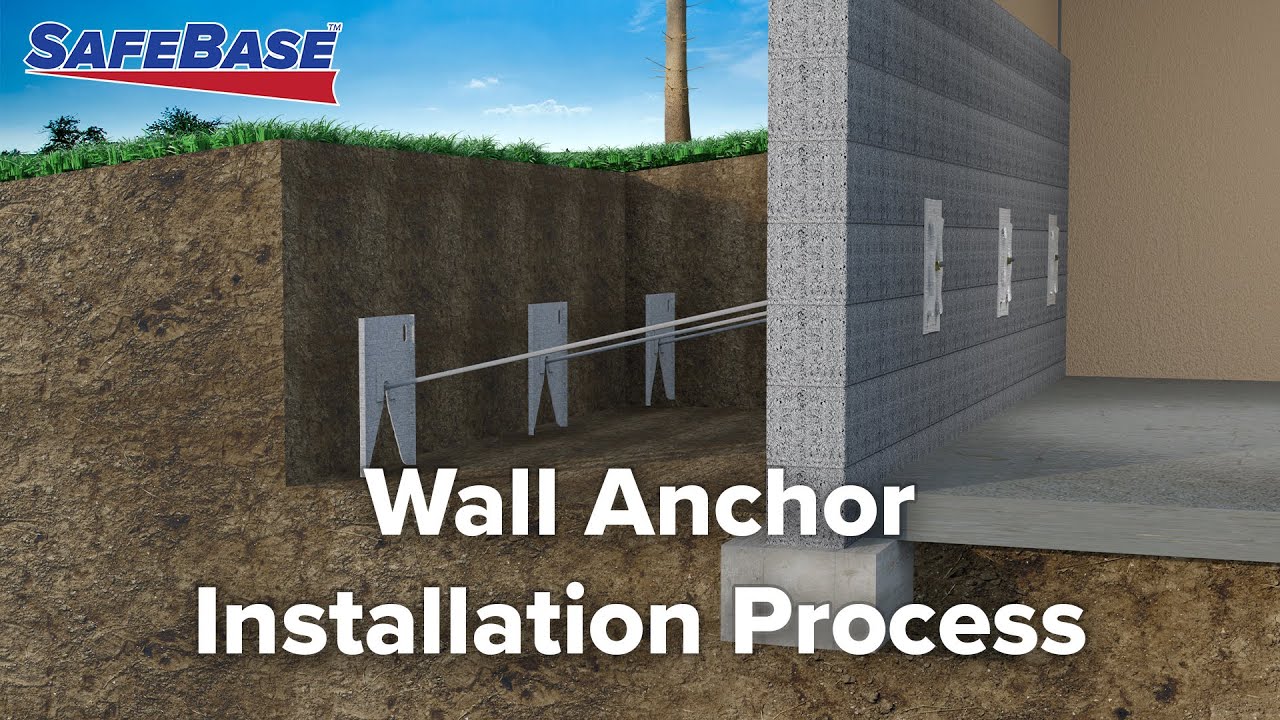
Steel plate anchors use big metal plates on the inside wall. A rod connects the plate to an anchor outside the home. The outside anchor pulls the wall back into place. This type is strong and works well for large wall movements. It also helps keep walls steady over time.
Helical Tiebacks
Helical tiebacks are screw-like rods drilled deep into the soil. They attach to the basement wall with a plate and rod. These anchors hold the wall by pulling it toward the stable soil. Helical tiebacks work well in soft or loose soil. They provide solid support without much digging.
Carbon Fiber Straps
Carbon fiber straps are thin and light but very strong. They stick directly to the inside wall with special glue. These straps help hold cracks and stop further wall movement. They work best for small to medium damage. Carbon fiber is easy to install and does not take much space.
Credit: www.youtube.com
Step-by-step Anchoring Process
Anchoring basement walls is a critical task that helps prevent wall movement and damage. The process involves preparing the site, installing the anchors, and then tensioning and securing them properly. Each step must be done carefully to ensure the wall stays stable and safe.
Site Preparation
Clear the area around the basement wall. Remove any dirt, debris, or loose materials. Check the wall for cracks or weak spots. Mark the points where you will install the anchors. Make sure the surface is clean and dry before starting.
Installing Anchors
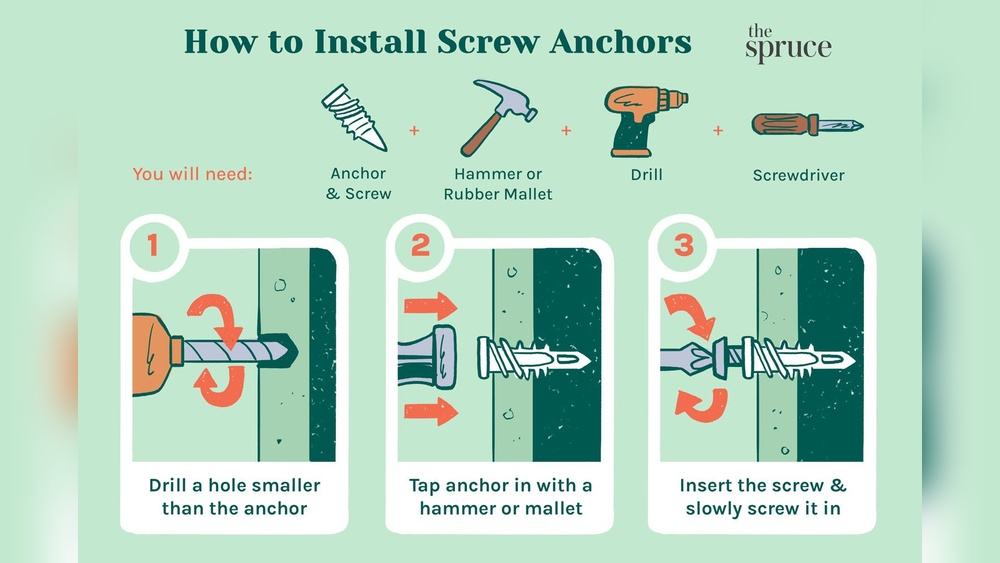
Drill holes at the marked points on the wall. Use the correct drill size for the anchors. Insert the anchors into the holes firmly. Make sure each anchor fits tightly. Use a level to keep the anchors straight and aligned.
Tensioning And Securing
Attach the tensioning rods or cables to the anchors. Use a wrench or tensioning tool to tighten them. Apply steady pressure until the wall feels stable. Secure the rods with nuts or bolts to keep tension. Double-check all anchors to ensure they are firm.
Tools And Materials Needed
Anchoring basement walls requires specific tools and materials. These items help secure the wall properly. Using the right tools makes the job easier and safer. It also ensures the anchors hold firmly for long-lasting support.
Anchor Components
Anchors usually include steel plates, wall straps, and bolts. Steel plates sit on the wall surface to spread pressure evenly. Wall straps connect the plates to the foundation. Heavy-duty bolts hold the straps tight against the wall. Choosing quality components is key to strong support.
Drilling And Fastening Tools
A hammer drill is necessary to drill into concrete or brick. Drill bits must be the right size for the anchors. A wrench or socket set tightens the bolts securely. A tape measure ensures correct placement of anchors. A level helps check that straps are straight.
Safety Equipment
Safety glasses protect eyes from dust and debris. Work gloves shield hands from sharp edges. A dust mask prevents inhalation of fine particles. Ear protection reduces noise from power tools. Proper safety gear keeps you safe during installation.
Common Challenges And Solutions
Anchoring basement walls involves challenges that can affect safety and durability. Understanding these issues helps find effective solutions. Each problem requires a specific approach to keep walls stable and secure.
Dealing With Hard Soil
Hard soil makes digging for anchors tough. It slows down the work and needs extra tools. Using a jackhammer or heavy-duty drill helps break the soil. Softening soil with water before digging can ease the process. Proper equipment ensures anchors go deep enough for strong support.
Managing Water Intrusion
Water around basement walls can cause damage and weaken anchors. Water must be controlled to keep the structure safe. Installing drainage systems like French drains directs water away. Waterproof coatings on walls stop water seepage. Regular checks prevent hidden water problems from growing worse.
Ensuring Proper Anchor Placement
Incorrect anchor placement reduces wall strength. Anchors need to go in at the right depth and angle. Measuring carefully before installation ensures correct spots. Using a level and guide tools helps keep alignment straight. Proper placement boosts wall support and lasts longer.
Maintenance For Long-term Stability
Maintaining basement wall anchors is key for lasting strength. Proper care keeps walls steady and safe over time. Small steps help avoid big problems later. Follow simple routines to protect your investment and home.
Regular Inspections
Check basement walls and anchors every few months. Look for cracks, rust, or loose bolts. Early spotting of issues stops damage from growing. Use a flashlight to see dark corners clearly. Take notes or photos for tracking changes.
Moisture Control
Keep the basement dry to protect anchors and walls. Use dehumidifiers or fans if needed. Fix leaks in pipes or walls quickly. Ensure gutters and drains direct water away from the foundation. Moisture weakens materials and causes rust.
Addressing Minor Issues Early
Fix small cracks or loose anchors right away. Tighten bolts and replace worn parts as needed. Small repairs prevent costly, large repairs later. Call a professional if unsure about the damage. Acting fast keeps your basement secure and stable.
When To Call A Professional
Knowing when to call a professional for anchoring basement walls is important. Some tasks need expert skills and tools. This ensures the job is safe and done right. Mistakes in basement wall repair can lead to serious damage or higher costs. Understanding key signs helps you decide when to get help.
Complex Structural Problems
Visible cracks or bowing walls often show complex issues. These problems affect your home’s foundation and structure. A professional can assess the damage correctly. They know how to fix problems without causing more harm. Trying to fix complex issues alone may worsen the situation.
Permitting And Safety Concerns
Many local rules require permits for basement wall work. Professionals handle permits and inspections for you. They understand safety codes and follow them strictly. This reduces risks during and after the repair. Doing work without permits can lead to fines or problems selling your home.
Cost Considerations
Hiring a professional may seem expensive at first. But it saves money by avoiding costly mistakes. Experts use the right materials and methods for lasting results. DIY repairs can lead to repeated work and higher costs. Investing in a pro protects your home’s value and safety.
Frequently Asked Questions
How Do I Anchor Basement Walls Effectively?
Anchor basement walls by installing wall anchors or tiebacks. Drill holes through the wall, insert anchors, and secure with plates. This prevents bowing and increases stability. Regular inspection ensures anchors remain tight and effective over time.
What Materials Are Best For Basement Wall Anchoring?
Steel anchors and plates are the most durable materials. They resist corrosion and provide strong support. Use galvanized or stainless steel for wet basement conditions. High-quality materials ensure long-lasting wall stabilization.
When Should Basement Walls Be Anchored?
Anchor basement walls when visible bowing or cracks appear. Early anchoring prevents further damage and costly repairs. Also, consider anchoring during basement finishing or foundation reinforcement projects.
Can I Anchor Basement Walls Myself?
Yes, with proper tools and safety measures, you can anchor walls yourself. However, consult a structural engineer for severe damage. DIY anchoring suits minor wall bowing and routine maintenance.
Conclusion
Anchoring basement walls helps keep your home safe and strong. It stops walls from leaning or cracking over time. Using the right tools and steps makes the job easier. Check your work often to catch any problems early. A solid foundation protects your whole house.
Taking care of basement walls saves money on repairs later. Start with clear plans and follow safety rules closely. This way, your basement stays secure for years to come.