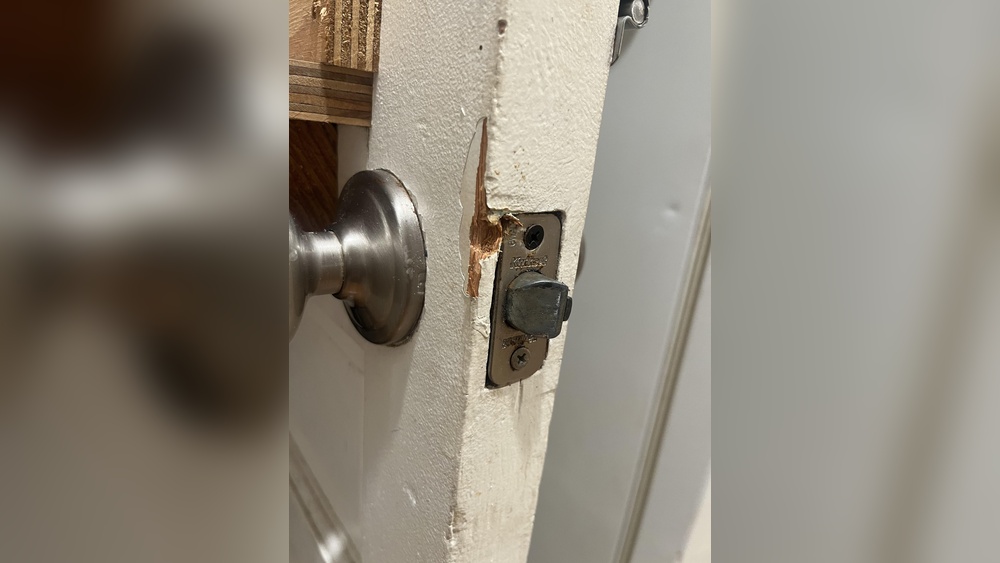
Have you ever tried to remove a deadbolt only to find there are no visible screws? It can be frustrating and confusing, especially if you’re not sure what to do next.
But don’t worry—removing a deadbolt without screws is easier than you think. In this guide, you’ll discover simple, step-by-step methods to get that stubborn lock off quickly and safely. Keep reading, and you’ll have your deadbolt removed in no time, ready for a smooth replacement or repair.

Credit: diy.stackexchange.com
Identify The Deadbolt Type
Removing a deadbolt without visible screws starts with knowing its type. Different deadbolts have different designs. This affects how you take them apart.
Look closely at the deadbolt on your door. Check both sides of the lock. Notice the shape, size, and any markings. These clues help identify the type.
Understanding the deadbolt type guides you to the right removal method. It saves time and prevents damage to your door.
Single Cylinder Deadbolt
This deadbolt has a keyhole on the outside. Inside, there is a thumb turn for locking and unlocking. Usually, no screws show on the inside plate.
The lock mechanism is often hidden behind the thumb turn. Removing it needs careful handling and the right tools.
Double Cylinder Deadbolt
Both sides of this deadbolt have keyholes. No thumb turn on the inside. This type increases security but can be tricky to remove.
Hidden screws or clips may hold the lock in place. Spotting these is vital for removal without screws.
Keyless Or Electronic Deadbolt
These deadbolts have a keypad or electronic panel. No traditional keyhole or thumb turn. Screws might be covered by decorative plates.
Removing covers reveals screws or release tabs. Identifying this type helps find hidden fasteners.
Surface-mounted Deadbolt
This deadbolt mounts on the door surface. The main body is visible and often screwless on the outside. Screws may be underneath or inside the lock.
Check the edges and bottom for hidden screws or clips. Knowing this design aids in safe removal.
Gather Necessary Tools
Gathering the right tools is the first step to remove a deadbolt without screws. Having the proper tools makes the task easier and safer. It saves time and reduces frustration.
Each tool has a specific purpose. Some help to pry open parts, while others assist in turning or pulling components. Knowing what you need prepares you for the job ahead.
Flathead Screwdriver
A flathead screwdriver helps to pry and lift parts gently. It fits into small gaps and can loosen covers or plates. This tool is simple but very useful for deadbolt removal.
Allen Wrench
An Allen wrench fits into hexagonal holes and turns hidden screws. Some deadbolts use Allen screws instead of regular ones. Carry a set of different sizes to match the screw heads.
Utility Knife
A utility knife cuts through paint or caulk sealing the deadbolt parts. It helps to free stuck covers or plates. Use it carefully to avoid damage to the door or lock.
Plastic Pry Tool
A plastic pry tool lifts trim or covers without scratching surfaces. It works well on delicate finishes. This tool reduces the risk of damage during removal.
Pliers
Pliers grip and pull stubborn parts or small components. Needle-nose pliers can reach tight spaces easily. They provide extra strength for tough spots.
Locate The Hidden Release Mechanism
Locating the hidden release mechanism is the first step to removing a deadbolt without visible screws. Many deadbolts use secret catches to keep the lock in place. Finding this mechanism lets you take off the deadbolt without damage.
Look closely at the lock’s face and sides. The hidden release is often small and easy to miss. Patience and a careful eye can help you find it.
Check For Small Slots Or Holes
Look for tiny slots or holes on the deadbolt’s face or edges. These openings may hide the release catch. Sometimes, the slot is a thin line or a small round hole. Use a flashlight to see better if needed. The slot or hole usually fits a thin tool to press the release inside.
Use A Credit Card Or Flat Tool
Take a credit card or a flat, sturdy tool. Slide it into the slot or hole gently. Push or wiggle the tool to press the hidden catch. This action releases the deadbolt from the door. Don’t force the tool hard. Soft, steady pressure works best to avoid damage. Once released, pull the deadbolt off carefully.
Remove The Interior Plate
The interior plate of a deadbolt covers the mechanism inside the door. Removing it is the first step to take the deadbolt off. Without screws, this plate stays in place by clips or pressure. You must be careful to avoid damage.
Using the right tools and gentle force helps loosen the plate. Patience is key here. Rushing can bend or break the plate and door surface. Follow simple steps to remove the interior plate safely.
Pry Gently Around The Edges
Start by finding a small gap between the plate and the door. Use your fingernail or a thin tool to create space. Slide a plastic pry tool or a flat object into this gap. Slowly move the tool around the edges. Apply light pressure to lift the plate. Listen for clicks or pops as clips release. Stop if you feel strong resistance. Work evenly around the plate to avoid bending it.
Use A Flathead Screwdriver Carefully
Choose a small flathead screwdriver for tight spaces. Wrap tape around the tip to protect the door. Insert the screwdriver gently under the plate edge. Twist the screwdriver slightly to lift the plate. Move the tool along the edges to free all clips. Keep your movements slow and steady. Never force the screwdriver to prevent scratches or cracks.
Disengage The Deadbolt
Disengaging a deadbolt without screws can seem tricky. The deadbolt is held by internal parts, not external screws. You need to work with the lock mechanism itself. This step is key to removing the deadbolt safely and without damage.
Turn The Thumbturn
Start by turning the thumbturn on the inside of the door. This part controls the bolt movement. Rotate it fully to unlock the bolt. Sometimes the thumbturn may be stiff. Use firm but gentle pressure to avoid breaking it.
Pull The Bolt Out
After turning the thumbturn, try pulling the bolt out. The bolt should slide smoothly if unlocked. Use your fingers or a flat tool for leverage. Pull straight out to avoid bending the bolt. If it resists, check the thumbturn again.
Handle Stubborn Deadbolts
Stubborn deadbolts without visible screws can be tough to remove. They often stick tight in the door. Patience and the right tools help to loosen them safely. Avoid damage to the door or lock by using gentle methods first.
Apply Lubricant
Start by applying a lubricant to the deadbolt. Spray a small amount around the edges and into any gaps. Let it sit for a few minutes. The lubricant reduces friction and helps the parts move more freely. Work the deadbolt back and forth to spread the lubricant inside. This step can make the deadbolt easier to turn or pull out.
Use Pliers For Extra Grip
When the deadbolt is still stuck, use pliers for better grip. Choose needle-nose or locking pliers for control. Gently clamp the pliers on the deadbolt or thumb turn. Twist or pull slowly to avoid breaking the lock. If the deadbolt moves, continue until it comes free. Always protect the door surface with a cloth under the pliers to prevent scratches.
Reinstall Or Replace The Deadbolt
After removing a deadbolt with no screws, the next step is to reinstall or replace it. This step ensures your door stays secure and functions well. Choosing the right lock and installing it carefully prevents future problems.
Choose A Compatible Lock
Pick a deadbolt that fits your door’s size and shape. Check the backset measurement, which is the distance from the door edge to the center of the hole. Choose a lock with the same backset for an easy fit. Make sure the lock’s thickness matches your door’s thickness. This keeps the lock stable and secure.
Secure The New Deadbolt Properly
Place the deadbolt in the door hole carefully. Align the lock with the latch plate on the door frame. Use screws provided to fasten the lock tightly. Tight screws prevent the lock from moving or becoming loose. Test the lock by turning the key or knob to ensure smooth operation.

Credit: www.youtube.com

Credit: diy.stackexchange.com
Frequently Asked Questions
How Do You Remove A Deadbolt Without Visible Screws?
You can remove a deadbolt without visible screws by locating the hidden release mechanism. Usually, this involves pressing a small slot or button on the inside plate. Use a flathead screwdriver or a paperclip to trigger the release and pull the deadbolt apart gently.
What Tools Are Needed To Remove A No-screw Deadbolt?
Basic tools like a flathead screwdriver, paperclip, or small Allen wrench are often enough. These tools help access hidden release slots or pins. Avoid forcing the lock to prevent damage. Always work carefully to unlock and remove the deadbolt smoothly.
Can A Deadbolt Be Removed Without Damaging The Door?
Yes, a deadbolt can be removed without door damage if done correctly. Locate the hidden latch or release mechanism and gently disengage it. Avoid using excessive force or prying. Using the right tools and techniques preserves both the lock and door surface.
Why Does My Deadbolt Have No Visible Screws?
Some deadbolts are designed with concealed screws for aesthetic and security reasons. This design prevents tampering and keeps the lock streamlined. To remove these, you must find the hidden release mechanism, usually a small slot or button on the interior side.
Conclusion
Removing a deadbolt without screws can seem tricky. Take your time and use the right tools. Gently pry or slide parts to loosen the lock. Stay patient and careful to avoid damage. Practice will help you get better at this.
You can handle the task with simple steps. Keep safety in mind throughout the process. Now, you are ready to remove any screwless deadbolt.